

Best Toothpaste Ingredients for Gum Health and Sensitivity

When your gums feel tender and your teeth feel “zingy”
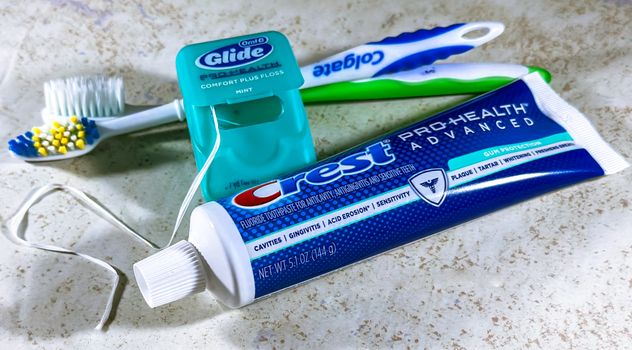
If you’re dealing with bleeding gums, soreness when you brush, or that sudden sharp “zing” when you sip cold water, you’re not imagining it. Gum irritation and tooth sensitivity often travel together. One day you’re fine; the next, your toothpaste feels like it’s making things worse.
The buying problem is simple: not all toothpaste is designed for both gum support and sensitivity relief. Some focus heavily on whitening and can irritate gums. Others soothe sensitivity but don’t help the gum tissue that’s already inflamed. The right choice comes down to ingredients—and how they work together.
This guide walks you through the best toothpaste ingredients for gum health and sensitivity so you can shop with confidence. You’ll learn what to look for on the label, which claims are meaningful, which ones are marketing, and how to build a simple routine that supports healthier gums without triggering sensitivity.
Key ingredients that support gum health (and how they help)
Healthy gums aren’t just about avoiding pain. They’re about reducing inflammation, lowering bacterial load at the gumline, and supporting tissue resilience. When you scan ingredient lists, focus on actives that have a clear role in gum care.
Anti-inflammatory and antibacterial ingredients
Gum sensitivity often comes with gingivitis-like inflammation. Toothpaste can help by reducing plaque-related irritation and supporting cleaner gum margins.
- Stannous fluoride (often listed as stannous fluoride or “SnF2”): This is a standout ingredient for many people because it can help with both sensitivity and gum health. Stannous fluoride has antibacterial activity and can reduce inflammation-causing plaque by interfering with bacterial processes. It’s also commonly used in products designed for gum care.
- Chlorhexidine (less common in mainstream toothpaste): More often seen in prescription or specialty mouth rinses. If it appears in toothpaste, it usually indicates a stronger antimicrobial approach. Note that chlorhexidine can stain teeth and alter taste for some users, so it’s not typically a daily long-term choice unless your dentist directs it.
- Essential oils (like thymol, eucalyptol, menthol, methyl salicylate): These can provide antimicrobial effects and a “fresh” feel. They may help some people with gum inflammation, but they can also be irritating for others—especially if your gums are already raw.
Fluoride for enamel protection (even when your gums are the issue)
Sensitivity isn’t always only about gums. If gum recession exposes root surfaces, you’ll feel cold or air more intensely. Fluoride helps strengthen enamel and can support remineralization, which reduces sensitivity over time.
Look for fluoride forms such as:
- Sodium fluoride
- Stannous fluoride
- Amine fluoride
- Fluoride + other actives (often paired with potassium nitrate or stannous compounds)
Fluoride also supports overall gum health indirectly by reducing decay risk near gum margins. That matters if you have dry mouth, frequent snacking, or a history of cavities.
Gentle support for irritated gum tissue
Some toothpaste includes soothing or barrier-support ingredients. These aren’t “cure-alls,” but they can make brushing feel less harsh while your gums recover.
- Allantoin: Common in oral care for its soothing properties. It can help calm irritation.
- Aloe vera (when listed): Often used for comfort and soothing.
- Potassium nitrate: Mostly known for sensitivity, but it can indirectly reduce discomfort that discourages thorough brushing. Consistent plaque control is a gum health win.
Ingredients that specifically target tooth sensitivity
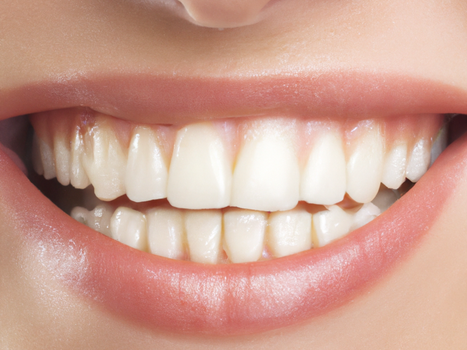
Sensitivity usually has one of two drivers: exposed dentin/root surfaces, or irritated nerve endings due to plaque, abrasion, or gum recession. Your toothpaste should address the mechanism causing the “zing.”
Potassium nitrate: “calming” the nerve response
Potassium nitrate is one of the most common sensitivity actives. It works by reducing the movement of fluid in the dentin tubules, which can calm the nerve response. Many people notice improvement within days, but full benefit often takes 2–4 weeks of consistent use.
If your sensitivity is triggered by cold drinks, ice water, or brushing, potassium nitrate is a strong ingredient to prioritize.
Stannous fluoride: sensitivity relief plus gum support
If you want one ingredient that can pull double duty, stannous fluoride is worth serious consideration. It can reduce sensitivity and support gum health. For many shoppers, it’s the easiest way to cover both needs without using multiple products.
When you see stannous fluoride on the label, check whether the product is also “for gum health” or “for gingivitis.” That alignment usually means the formula is designed with gumline care in mind.
Arginine (and other desensitizing amino-acid systems)
Arginine is used in some toothpastes to help occlude dentin tubules and reduce sensitivity. It’s often paired with calcium carbonate. If you find that potassium nitrate isn’t enough, an arginine-based toothpaste may be a good alternative.
In real life, people often switch when they’ve tried potassium nitrate and still feel discomfort after 3–4 weeks. If that’s you, arginine-based options are a common next step.
Hydroxyapatite: mineral support for exposed areas
Hydroxyapatite is a mineral that can help rebuild and protect tooth surfaces. It’s especially appealing if you want a “gentle” formula and you’re sensitive to harsher actives. It may take time, but many users like it because it supports remineralization without a strong medicated feel.
If you have sensitivity plus early enamel wear, hydroxyapatite can be a smart ingredient to look for—particularly if you also want a toothpaste that feels comfortable for everyday brushing.
Important features and specifications to check on the label
Ingredients matter, but so do the formula details. Two toothpastes can contain similar actives while still feel very different in your mouth. Here’s what to prioritize when you’re reading labels at the store.
Look for a clear fluoride type
Don’t just look for the word “fluoride.” Check the actual fluoride compound in the ingredient list (stannous fluoride, sodium fluoride, etc.). That helps you understand what you’re getting.
If you’re aiming for both gum health and sensitivity relief, stannous fluoride is often the most efficient ingredient choice.
Choose a sensitivity-first abrasive profile
Abrasives affect how strongly the toothpaste cleans and polishes. For sensitive teeth and irritated gums, you want cleaning that’s effective but not overly aggressive.
On many labels you won’t see RDA values (Relative Dentin Abrasivity), but you can still make smart choices:
- Prefer “gentle” or “for sensitivity” positioning.
- Avoid formulas that feel gritty or “scrubby” when you test a small amount.
- If your gums are already tender, consider pairing the toothpaste with a soft-bristle brush and light pressure (more on that later).
Avoid common gum irritants if you’re easily inflamed
Some ingredients can trigger burning or discomfort in sensitive mouths. It’s not universal, but if your gums are currently inflamed, it’s worth being cautious.
- High levels of menthol or strong essential oils: Great for fresh breath, but can irritate some users.
- Frequent use of whitening abrasives: Whitening-focused formulas may be too harsh while your gums are healing.
- Strong flavoring agents: If you notice immediate burning after brushing, check the label for intense flavor systems.
Practical tip: if a toothpaste makes your gums feel worse within minutes, that’s a sign to switch. Gum tissue is already stressed; you don’t want to keep adding irritation.
Check whether it’s designed for daily use
Some formulas are “periodic” or “treatment” style. In general, you want a toothpaste you can use twice daily for at least a month while you evaluate results.
If the packaging suggests limited use, or if it’s a specialty formula with strong antimicrobials, confirm it aligns with your routine or ask your dentist.
Consider your mouth’s “baseline” needs
Tooth sensitivity and gum health can also be influenced by:
- Dry mouth (medications, mouth breathing): you may need a toothpaste plus hydration and saliva support.
- Acid exposure (frequent soda, citrus drinks, reflux): enamel and gum margins can suffer.
- Brushing technique: aggressive scrubbing can worsen recession and sensitivity.
Your “best” toothpaste is the one that fits your baseline. If you have reflux or dry mouth, prioritize fluoride and a non-irritating formula, even if your gums aren’t bleeding every day.
What you should prioritize when choosing your next toothpaste
When you’re shopping, you’re not just buying “gum” or “sensitivity.” You’re trying to create a consistent daily routine that reduces irritation and protects exposed areas. Use this priority order to narrow down options quickly.
1) Prioritize an active that matches your sensitivity mechanism
Choose based on your trigger:
- Cold air/cold drinks → potassium nitrate, stannous fluoride, arginine, or hydroxyapatite.
- Brushing-triggered discomfort → potassium nitrate or stannous fluoride, plus softer brushing technique.
- Root exposure (you may notice sensitivity near the gumline) → fluoride plus a tubule-occluding or mineral-support ingredient (stannous fluoride, arginine/calcium carbonate, hydroxyapatite).
2) Pair sensitivity relief with gumline support
Because gum inflammation can worsen sensitivity, you want gum-friendly actives. Stannous fluoride often gives you both in one formula. If you don’t see stannous fluoride, look for a fluoride system plus a gum-targeting antimicrobial or anti-inflammatory ingredient.
Also pay attention to the toothpaste’s positioning. If it’s “whitening” first and gum care second, it may not be the best choice while your gums are tender.
3) Choose a formula you can tolerate every day
Consistency beats perfection. If you can’t stand the flavor, burn, or texture, you’ll brush less thoroughly. That can backfire on gum health because plaque control is critical.
Start with a toothpaste that feels comfortable. You can always adjust later once you’ve stabilized symptoms.
4) Give it a real evaluation window
Sensitivity improvements often take time. A practical approach:
- Judge comfort in the first 3–7 days (does it burn? does your mouth feel calmer?).
- Judge effectiveness in 2–4 weeks (does cold sensitivity reduce consistently?).
- Reassess at 6–8 weeks if gum tenderness and bleeding persist.
If you still have bleeding or swelling after 6–8 weeks of good brushing and a gum-support toothpaste, it’s time to talk to a dental professional. Toothpaste can help, but it can’t replace professional cleaning or treatment for deeper periodontal issues.
Common purchasing mistakes and misunderstandings

Most buying mistakes come from reading the marketing claims and skipping the ingredient logic. Here are the pitfalls to avoid.
Mistake 1: Choosing “whitening” as your main goal while gums are inflamed
Whitening toothpastes often include stronger abrasives or additional chemicals aimed at surface stains. If your gums are tender or bleeding, you may be better served by a sensitivity-first, gum-support formula for at least a month.
You can whiten later. Right now, you want your gums to calm down.
Mistake 2: Assuming “for sensitivity” means “for gums”
Many sensitivity toothpastes focus only on tubule occlusion or nerve calming. They may not contain gumline-support ingredients. If your gums are inflamed, you may still bleed or feel soreness even after sensitivity improves.
Look for a formula that addresses both: sensitivity actives plus gum-friendly support (often stannous fluoride, but not always).
Mistake 3: Over-scrubbing because the toothpaste feels “cleaning strong”
Even the best toothpaste can’t undo trauma from technique. If you press hard or scrub side-to-side, you can worsen recession and sensitivity.
When you start a gum health + sensitivity toothpaste, pair it with a soft brush and gentle pressure. Let the bristles do the work.
Mistake 4: Switching too often
It’s tempting to change every time you don’t feel immediate relief. Sensitivity relief is not instant for many people. If you switch after 2–3 days, you may never get the full benefit.
Try one toothpaste consistently for at least 2–4 weeks unless you experience burning or a clear irritation reaction.
Mistake 5: Ignoring the possibility of a dental issue
Tooth sensitivity and bleeding gums can be signs of gingivitis, early periodontitis, or exposed roots. If you have:
- Bleeding that doesn’t improve after consistent brushing
- Loose teeth, deep pockets, or gum recession progressing
- Sharp sensitivity that’s worsening month to month
…you need professional evaluation. A toothpaste is supportive, not diagnostic.
A practical buying checklist and decision framework
Use this step-by-step method in the aisle (or while you browse online) to pick the toothpaste that best matches your situation.
Step 1: Identify your top symptom
- If your main issue is cold sensitivity → start with potassium nitrate, stannous fluoride, arginine, or hydroxyapatite.
- If your main issue is bleeding or tender gumline → prioritize stannous fluoride or a gum-support antimicrobial/anti-inflammatory system.
- If it’s both → look for stannous fluoride-based formulas first, because they often cover both needs.
Step 2: Scan the ingredient list for the “active core”
Before you buy, confirm the ingredient list includes:
- One sensitivity active (potassium nitrate / stannous fluoride / arginine / hydroxyapatite)
- Fluoride (and ideally a clear fluoride form)
- No obvious irritation red flags if your gums are raw (for example, if you know you react to strong essential oils)
Step 3: Check the formula vibe
- Does it say “for sensitivity” and “for gum health” (or similar)?
- Does it look like a daily-use toothpaste rather than a short-term treatment?
- Does it sound like it’s designed to be gentle (especially if you’re currently brushing with light pressure)?
Step 4: Match it to your routine
To get results, your toothpaste needs to work with your brushing habits. Here’s a simple routine that supports gum health and sensitivity:
- Brush 2 times per day for 2 minutes each session.
- Use a soft-bristle brush.
- Use gentle pressure—aim for “light contact,” not scrubbing.
- Spit out after brushing. Avoid rinsing aggressively with water right after (this helps fluoride stay on the teeth a bit longer).
If you floss daily, keep doing it. If you don’t, consider starting with once per day for a week, then build up. Plaque control at the gumline is a major part of gum recovery.
Step 5: Plan a 30-day test
Here’s a realistic scenario you can follow:
You buy a stannous fluoride or potassium nitrate sensitivity toothpaste that also supports gum health. You use it twice daily with a soft brush and gentle pressure. You track your symptoms:
- Day 1–7: Does it burn? Are gums less tender by the end of the week?
- Week 2–3: Are cold drinks less painful? Is bleeding reduced?
- Week 4: Are you seeing consistent improvement, or do symptoms remain the same?
By the end of 30 days, you’ll know whether the ingredients are working for you. If not, you can adjust—possibly switching sensitivity actives (for example, from potassium nitrate to arginine or hydroxyapatite) rather than abandoning the gum-support idea.
Final buyer guidance: how to choose the best toothpaste ingredients for your needs
When you’re searching for the best toothpaste ingredients for gum health and sensitivity, don’t get distracted by flashy claims. Focus on the actives that match your symptoms and on formula features that won’t irritate your mouth.
If you want one “all-in” ingredient approach
Consider prioritizing stannous fluoride when you have both gum inflammation and sensitivity. It’s often the most efficient ingredient choice because it can support gum health while also reducing sensitivity for many people.
Look for a daily-use toothpaste that clearly lists stannous fluoride and includes fluoride overall. If your gums are easily irritated by strong flavor systems, choose a formula that feels gentle rather than overly medicated.
If your sensitivity is the main driver
Start with potassium nitrate if your sensitivity is triggered by cold and brushing. Give it 2–4 weeks to evaluate. If you’re not improving, consider switching to an arginine-based or hydroxyapatite-based option, especially if you have exposed root areas.
If your gums are tender, bleeding, or sore
Prioritize gum-support ingredients (often stannous fluoride) and avoid formulas that feel harsh during active irritation. Pair your toothpaste with soft brushing and consistent plaque control. If bleeding persists beyond 6–8 weeks despite a careful routine, it’s smart to book a professional check.
Where you can buy and how to choose online
When buying online, ingredient lists are still your best tool. Don’t rely on the thumbnail label or short marketing description. Open the product page and verify:
- The fluoride type and sensitivity active are clearly listed
- The product is intended for daily use
- There are no known irritants you personally react to
If you’re shopping at a local pharmacy or supermarket, bring this guide and scan the ingredient list rather than the front-of-pack wording. You’ll make faster, better decisions.
Bottom line: the best toothpaste for gum health and sensitivity is the one with the right actives (fluoride plus a sensitivity-targeting ingredient like stannous fluoride, potassium nitrate, arginine, or hydroxyapatite) and a gentle formula you can use consistently. If you choose based on ingredients and give it a realistic 30-day window, you’ll avoid most of the trial-and-error cycle and get to relief sooner.
03.05.2026. 23:22