

Dry Mouth, Tongue Coating, and Bad Breath Causes Explained

Dry mouth, tongue coating, and bad breath: what’s really going on

Dry mouth and a coated tongue are two of the most common external health signals people notice when something is off—especially when breath becomes unpleasant. While bad breath can come from many sources, the combination of dry mouth, tongue coating, and persistent odor often points to a shared underlying mechanism: changes in saliva and the mouth’s microbial balance.
Saliva normally washes away food particles, helps neutralize acids, and keeps oral bacteria in check. When saliva decreases or becomes “thicker,” bacteria are more likely to break down proteins and release odorous compounds. At the same time, a coated tongue can reflect buildup of dead cells, trapped debris, and bacteria—especially when the tongue surface isn’t being naturally cleaned by saliva.
This symptom guide explains common dry mouth tongue coating bad breath causes, how to identify likely triggers, and what practical steps can help. It also covers warning signs that merit professional evaluation.
How dry mouth leads to tongue coating and bad breath
Dry mouth (xerostomia) can be temporary or chronic. Either way, reduced saliva affects multiple processes that protect breath and oral tissues.
- Less “mechanical cleansing”: Saliva helps rinse the tongue and teeth. Without it, residue and food debris linger.
- Altered pH: Saliva buffers acids. When buffering is reduced, the mouth environment can favor bacteria linked to odor and gum irritation.
- More bacterial activity: Many mouth odors come from bacterial breakdown of proteins and other compounds. Fewer rinsing effects means more odor-causing byproducts accumulate.
- Coated tongue formation: A tongue coating can be a mix of dead epithelial cells, mucus, bacteria, and food remnants. Dry conditions make this buildup more noticeable.
- Higher risk of oral inflammation: Dryness can irritate the mucosa, which may worsen the sensation of foul taste or odor.
In practical terms, people often notice that symptoms are worse upon waking, during prolonged talking, after caffeine or alcohol, or when breathing through the mouth. These timing patterns can help narrow down the cause.
Common dry mouth causes that can drive bad breath

Medication-related dry mouth
Many medications reduce saliva flow as a side effect. Antihistamines, decongestants, antidepressants, antianxiety medicines, some blood pressure medications, and certain pain medications can contribute. Even if the medication is effective for another condition, reduced saliva can allow odor-causing bacteria to increase and tongue coating to become more obvious.
Clues include symptom onset after starting a new medication, worsening after dose changes, and dry eyes or throat irritation along with mouth dryness.
Dehydration and low fluid intake
When the body is not adequately hydrated, saliva production can drop. Dehydration may occur due to illness, heavy sweating, diarrhea, fever, or simply not drinking enough fluids throughout the day.
Breath may feel “stale,” and the tongue may appear dry or sticky. If you notice dark urine, fatigue, or headaches along with dryness, hydration may be a contributing factor.
Breathing through the mouth and sleep-related dryness
Nighttime mouth breathing is a frequent driver of morning breath and tongue coating. It can be related to nasal congestion, allergies, enlarged tonsils or adenoids, deviated septum, or sleep-disordered breathing. Dry air and continuous airflow over the tongue can increase coating and odor by reducing saliva’s protective effects.
Clues include waking with a dry mouth, snoring, waking frequently, or having nasal blockage most days.
Smoking and nicotine use
Tobacco products can affect saliva production and change the oral microbial environment. Smoking also increases inflammation and can stain the tongue or contribute to a persistent coated look. Nicotine replacement and vaping may still contribute to dryness in some people, though the mechanisms vary by product.
Alcohol, caffeine, and certain dietary patterns
Alcohol can be dehydrating and can irritate the mouth. Caffeine may contribute to dryness in some individuals. Diets high in sugar can increase cavity risk and gum inflammation, which can indirectly worsen odor, especially when saliva is already low.
Pay attention to whether symptoms spike after specific drinks or meals and whether they improve when you modify intake for a few days.
Autoimmune and systemic conditions
Chronic dry mouth can be associated with autoimmune conditions such as Sjögren’s syndrome. Other systemic issues can also affect salivary glands or cause dryness. Diabetes, thyroid disorders, and certain neurologic conditions can sometimes contribute indirectly by affecting hydration, nerves, or gland function.
If dryness is persistent, accompanied by dry eyes, joint pain, swelling of salivary glands, or difficulty swallowing, medical evaluation is important.
Oral infections and inflammation
Some infections can worsen dryness and contribute to odor. Oral thrush (a yeast overgrowth) may cause a coated appearance and discomfort, especially in people with diabetes, immune suppression, or recent antibiotic use. Gum disease can also contribute to halitosis, and it may be more noticeable when saliva is reduced.
Coating that is thick, patchy, painful, or associated with redness or bleeding gums warrants dental assessment rather than only home care.
Tongue coating causes: why the tongue becomes visibly “covered”
A tongue coating is not always abnormal, but certain patterns suggest a problem. The tongue can accumulate debris and bacteria due to dryness, mouth breathing, poor oral clearance, or inflammation.
Normal debris buildup vs. concerning changes
In many people, tongue coating is more noticeable after sleep, after fasting, or during periods of reduced saliva. However, concerning changes include:
- Persistent thickness that doesn’t improve with basic hygiene and hydration
- Color changes that persist (e.g., dark, greenish, or very white plaques that don’t wipe away easily)
- Pain, burning, or altered taste
- Difficulty swallowing
- Bleeding or ulcers
Reduced saliva and mouth breathing
As noted earlier, dryness is a major reason tongue coating appears. When saliva is lacking, the tongue’s surface papillae can trap debris more easily, making the coating more pronounced.
Food residue and poor clearance
Some foods leave more residue or increase coating temporarily. If oral hygiene is inconsistent, plaque and bacteria can build up and appear as a coating—especially on the back of the tongue where debris can collect.
Smoking-related tongue changes
Smoking can increase staining and alter the tongue’s surface environment, which can make coating look heavier and more persistent.
Oral thrush and other infections
Thrush often appears as creamy white patches that may be removable but can return. It is more common when saliva is low or when immune defenses are altered. If you suspect thrush—particularly if you have dentures, recent antibiotics, or a weakened immune system—professional evaluation helps confirm the cause.
Gastroesophageal reflux (GERD) and reflux-related odor
Reflux can contribute to bad breath and tongue changes by irritating the throat and mouth and altering the oral environment. People may notice heartburn, a sour taste, throat clearing, or worsening symptoms after meals or when lying down. Dryness can also be worsened by mouth breathing related to nasal or throat irritation.
Bad breath causes beyond the mouth: where odor can start
Although the mouth is the most common source of halitosis, odor can also originate in the nose, throat, lungs, or gastrointestinal tract. When dry mouth and tongue coating are present, it can still be related to non-mouth causes—especially those that reduce saliva or increase mucus.
Post-nasal drip and sinus issues
Allergies, chronic rhinitis, sinusitis, and other causes of post-nasal drip can lead to mouth breathing and a dry, irritated throat. Mucus can also contribute to odor. Clues include frequent throat clearing, nasal congestion, a sensation of drainage, or symptoms that fluctuate with seasons or environmental exposure.
Tonsil stones (tonsilloliths)
Small calcified debris can collect in the tonsil crypts and produce a strong, sometimes “foul” odor. People may feel something stuck in the throat, have recurring bad breath, or notice white/yellow fragments. Dry mouth can make the issue more noticeable.
Respiratory conditions
In some cases, chronic lung issues can contribute to breath odor. While less common, persistent breath changes with cough, chest symptoms, or unexplained weight loss require prompt medical evaluation.
Gastrointestinal causes
GERD is the most commonly discussed GI contributor to breath odor. Less commonly, other GI conditions can affect breath. If bad breath is persistent and oral hygiene doesn’t help, or if symptoms align with reflux (sour taste, regurgitation, worsening after meals), medical and dental evaluation may be appropriate.
How to tell which cause is most likely: symptom patterns that help
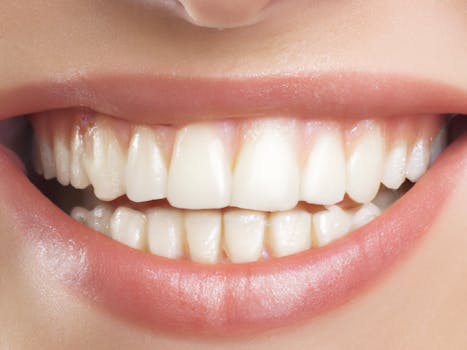
Because “dry mouth + tongue coating + bad breath” can result from multiple overlapping factors, patterns matter. Use these clues to guide what to investigate first.
- Worse in the morning: often points to mouth breathing during sleep, nasal congestion, or reduced saliva overnight.
- Worse after starting a medication: medication-induced dryness becomes more likely.
- Dry mouth plus dry eyes: consider systemic causes such as Sjögren’s syndrome and discuss with a clinician.
- Throat mucus, congestion, frequent clearing: post-nasal drip or sinus issues may be driving the problem.
- Burning, white patches, soreness: consider oral infection such as thrush.
- Bleeding gums, loose teeth, persistent gum inflammation: gum disease may be a major odor source.
- Sour taste, heartburn, worse after meals or lying down: reflux-related odor may contribute.
These are not diagnoses, but they help you decide whether to focus on hydration and mouth care, address nasal breathing, review medications, or seek targeted evaluation.
Practical steps to reduce dry mouth, tongue coating, and odor
Home care can help when symptoms are mild, intermittent, or clearly linked to dryness, hygiene habits, or environmental triggers. The goal is to improve moisture, reduce debris retention, and address underlying inflammation.
Improve hydration and saliva support habits
- Increase water intake across the day rather than only at night.
- Use sugar-free chewing gum or sugar-free lozenges to stimulate saliva (avoid if you have dietary restrictions).
- Limit alcohol and reduce caffeine if you notice a clear link to worsening dryness.
- Manage dry indoor air with appropriate humidity if you wake with a dry mouth.
If dryness is persistent, saliva-stimulating strategies may be more effective than relying solely on rinses.
Clean the tongue gently but consistently
Tongue cleaning can reduce the buildup that contributes to odor. Use a soft toothbrush or a tongue scraper and clean gently, ideally once daily to start. Over-aggressive scrubbing can irritate the tongue and sometimes worsen discomfort.
Look for changes over a few days. A coating that quickly returns may signal persistent dryness or an infection that needs evaluation.
Strengthen oral hygiene to reduce bacterial load
- Brush twice daily with fluoride toothpaste.
- Floss or use interdental cleaning daily to reduce plaque between teeth (a common hidden odor source).
- Consider an antimicrobial mouth rinse if recommended by a dental professional, especially when gum inflammation is present.
Note that many alcohol-containing mouthwashes can worsen dryness. If you’re prone to xerostomia, choose non-alcohol options when possible.
Address nasal breathing and post-nasal drip
If mouth breathing is likely, improving nasal airflow can reduce nighttime dryness. Practical measures include treating allergies, managing congestion, and discussing persistent obstruction with a clinician.
For people with suspected sleep-disordered breathing, evaluation is important—especially if snoring, choking, or daytime fatigue are present.
Review medications and discuss dryness with a clinician
If symptoms began after a medication change, ask a healthcare professional whether there are alternatives or dose adjustments. Do not stop prescriptions without guidance. Sometimes a timing change or switching to a different formulation can help.
When tongue coating suggests infection or inflammation
If you see thick white patches, painful areas, or coating that does not improve with hygiene and hydration, consider evaluation for thrush, gum disease, or other oral conditions. Treatment depends on the cause; antifungal or anti-inflammatory management may be needed when infection is present.
Relevant products that can help with dry mouth (and what to consider)
While this guide focuses on causes and education, some oral health products can support moisture and symptom control when dryness is a key factor. These are not substitutes for diagnosis, especially if symptoms persist.
- Saliva substitutes and oral moisturizers: These can provide temporary relief by coating oral tissues.
- Xerostomia-specific mouth gels or sprays: Often used at bedtime or as needed for comfort.
- Non-alcohol mouth rinses: Help reduce odor without worsening dryness.
- Sugar-free xylitol gum/lozenges: Stimulate saliva and can support oral health for some people.
When selecting oral care options, pay attention to dryness-prone ingredients—especially alcohol content—and choose products designed for xerostomia rather than general mouthwash.
When to seek dental or medical evaluation

Because dry mouth can affect oral health over time, persistence matters. Seek professional evaluation if any of the following apply:
- Dry mouth and tongue coating last longer than 2–3 weeks despite improved hydration and oral hygiene
- Bad breath remains persistent even with consistent tongue cleaning and dental care
- Gums bleed, teeth feel loose, or there is ongoing gum inflammation
- White patches, ulcers, or significant pain appear on the tongue or inside the mouth
- Difficulty swallowing or a persistent sore throat develops
- Dry eyes, joint pain, or swelling of salivary glands suggests systemic involvement
- Unexplained weight loss, chronic cough, or severe symptoms occur
A dentist can assess gum health, cavities, tongue lesions, and salivary gland function. A primary care clinician or specialist may evaluate systemic causes if dryness is widespread or accompanied by other symptoms.
Prevention guidance: reducing recurrence of dry mouth and coated tongue
Prevention focuses on maintaining saliva flow, reducing oral debris, and addressing triggers that worsen dryness.
- Stay hydrated and avoid long stretches without fluids.
- Use tongue cleaning as part of routine oral care.
- Limit alcohol and consider reducing caffeine if they clearly worsen symptoms.
- Support nasal breathing—address allergies, congestion, and sleep-related breathing issues.
- Don’t neglect gum health: gum disease can drive odor and may worsen when saliva is low.
- Review medications periodically with a healthcare professional if dryness is chronic.
- Schedule regular dental visits for professional cleanings and evaluation of oral tissues.
When the root cause is addressed—whether it’s medication-related dryness, mouth breathing, reflux, infection, or gum inflammation—tongue coating and bad breath often improve noticeably.
Summary: the most likely dry mouth tongue coating bad breath causes
The most common dry mouth tongue coating bad breath causes involve reduced saliva and increased bacterial activity. Dry mouth can result from medications, dehydration, mouth breathing during sleep, smoking, alcohol/caffeine effects, and underlying systemic conditions. Tongue coating often reflects trapped debris and bacterial buildup that becomes more visible when saliva is limited. Bad breath may also be influenced by post-nasal drip, tonsil stones, reflux, gum disease, or oral infections such as thrush.
If symptoms are persistent, painful, patchy, or accompanied by gum bleeding, ulcers, or systemic dryness (like dry eyes), professional evaluation helps identify the exact driver and prevents complications. For many people, consistent hydration, tongue cleaning, non-alcohol oral care, and addressing nasal breathing or medication side effects can significantly reduce recurrence.
15.02.2026. 10:02