

Best Ingredients for Hair Strength and Growth: A Side-by-Side Guide

How these ingredients are supposed to work (and what to compare)
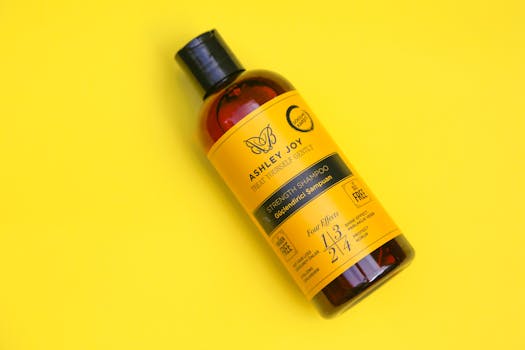
Hair strength and growth are influenced by two related systems: the scalp environment that supports follicles, and the hair shaft structure that determines how resilient each strand feels and behaves. The “best ingredients” vary depending on whether your primary goal is reducing breakage, improving density, supporting healthy growth cycles, or calming inflammation that can interfere with follicles.
This comparison focuses on ingredients commonly found in scalp serums, leave-in treatments, masks, and shampoos. Instead of treating them as interchangeable, the key is to evaluate how each ingredient is likely to perform across a few measurable outcomes: reduced shedding from breakage, improved strand strength and elasticity, better scalp comfort, and visible growth over time.
Quick takeaway: No single ingredient handles everything perfectly for every person. The strongest overall approach usually combines (1) a strengthening component for the strand, (2) a scalp-supporting ingredient that improves the follicle environment, and (3) an anti-inflammatory or antioxidant element to keep the scalp stable.
Strongest overall option for most people
For a balanced, broadly effective routine, the strongest overall combination is typically biotin + peptides + niacinamide (often paired with a gentle cleansing base and consistent scalp application). Biotin is most relevant when hair issues are linked to nutritional insufficiency, peptides support structural signaling in the hair shaft and follicle microenvironment, and niacinamide targets scalp conditions like oiliness, inflammation, and barrier dysfunction.
If your scalp is especially irritated or you experience visible flaking, ketoconazole (in medicated formulations) becomes a top contender because scalp inflammation and yeast overgrowth can contribute to shedding that looks like “growth failure.” If you mainly struggle with breakage, ceramides and amino acids often outperform follicle-focused ingredients in day-to-day feel.
Side-by-side comparison: ingredients for strength vs. growth
| Ingredient | Primary role | Best for | What tends to improve | Typical time to notice | Potential limitations |
|---|---|---|---|---|---|
| Niacinamide (Vitamin B3) | Scalp barrier support, anti-inflammatory signaling | Oily or irritated scalp, shedding linked to inflammation | Less scalp discomfort, improved manageability, steadier shedding | 2–8 weeks | May not directly “speed” growth if follicles are not the limiting factor |
| Peptides (e.g., copper peptides, growth-factor mimics) | Cell signaling support; may influence follicle activity | Thinning concerns, post-stress shedding, early density goals | Gradual density improvement, stronger-looking strands | 8–16 weeks | Results vary; depends on formulation and consistency |
| Biotin | Nutrient support for keratin-related processes | Hair issues related to deficiency or low intake | Reduced brittleness when deficiency exists | 8–12 weeks (if deficiency is present) | Not a guarantee if deficiency isn’t the driver |
| Caffeine | May support follicle activity and reduce DHT-related signaling (indirectly) | Shedding concerns, low-to-moderate thinning | Potential improvement in growth phase support | 6–12 weeks | Not as strong as prescription options for advanced thinning |
| Ceramides | Reinforces hair cuticle barrier; reduces moisture loss | Breakage-prone hair, dryness, rough texture | Less snapping, smoother feel, improved elasticity | 1–4 weeks (surface effects) | Doesn’t target follicles directly |
| Amino acids (e.g., glycine, arginine) | Supports keratin structure and conditioning | Weak, chemically treated, or heat-damaged hair | Improved strength, reduced roughness | 2–6 weeks | Can be less effective if the scalp environment is the main issue |
| Panthenol (Pro-Vitamin B5) | Humectant + strengthening feel | Dryness, frizz, tangling | More flexibility and less breakage from dryness | 1–3 weeks | Primarily supportive; growth effects are indirect |
| Vitamin E | Antioxidant protection | Oxidative stress concerns, color-treated hair | Reduced oxidative damage; improved scalp comfort | 4–10 weeks | Not a standalone growth solution |
| Ketoconazole (medicated) | Antifungal; reduces yeast-driven inflammation | Dandruff, seborrheic dermatitis, itch with shedding | Less flaking and inflammation; improved shedding pattern | 2–6 weeks | May dry out some hair types if overused; needs scalp-appropriate use |
| Salicylic acid | Exfoliation; helps clear buildup | Product buildup, clogged follicles, scalp congestion | Cleaner scalp surface; better ingredient penetration | 2–6 weeks | Can irritate if too frequent or too strong for sensitive scalps |
| Rosemary oil | Antioxidant/anti-inflammatory; possible follicle support | Mild thinning or scalp discomfort | Potential improvement in perceived thickness over time | 8–16 weeks | Essential oils can irritate; needs careful dilution and patch testing |
| Collagen/gelatin (topical) | Film-forming + conditioning; may support hair feel | Dry, coarse hair texture and breakage | More slip, reduced tangling; less mechanical stress | 1–4 weeks | Growth impact is indirect; effects are mostly surface-level |
Real-world performance differences: where results show up first
In practice, ingredients fall into two performance categories: fast-acting strength and slower growth-support. Strength ingredients often show changes in days to weeks because they alter how the hair strand absorbs moisture, resists snapping, and handles friction. Growth-support ingredients typically take longer because the hair cycle and follicle signaling require weeks to months.
Strength-first outcomes (often earlier): Ceramides, amino acids, panthenol, and collagen-like film formers tend to improve feel quickly—less roughness, better slip, and fewer “micro-breaks.” If you notice more flyaways and shorter pieces after styling, these ingredients can reduce the appearance of thinning even before density truly changes.
Growth-cycle outcomes (often later): Peptides, niacinamide, caffeine, and rosemary oil aim to support follicle activity and scalp conditions that influence cycling. Ketoconazole is a special case: it can improve shedding patterns by reducing inflammation and dandruff-related stress on follicles, but it still works through scalp health rather than directly “forcing” faster hair growth.
Scalp condition is the differentiator: Two people can use the same “growth” ingredient and get very different outcomes if one has an inflamed, flaky scalp. In that case, ketoconazole or salicylic acid may produce a more noticeable improvement in shedding than peptides alone.
Pros and cons breakdown for each ingredient group
Niacinamide (Vitamin B3) and scalp barrier support
Pros: Often improves scalp comfort and can reduce shedding linked to irritation. It’s generally compatible with many hair types and works well in leave-on scalp products.
Cons: It’s not a guaranteed growth accelerator. If thinning is primarily due to genetic patterning or hormonal factors, niacinamide may support scalp health but won’t replace targeted treatments.
Peptides for follicle signaling and density goals
Pros: Peptides are designed to support cellular signaling that may contribute to fuller-looking hair over time. They’re typically better suited to people aiming for density rather than only softness.
Cons: Results are gradual and depend heavily on consistent application and formulation quality. Some people see minimal change if their main issue is breakage or scalp inflammation not addressed by the routine.
Biotin: best when deficiency is part of the picture
Pros: Can improve brittleness when low intake or deficiency contributes to weak hair.
Cons: For many people, biotin doesn’t noticeably change growth or strength because deficiency may not be present. Also, biotin can interfere with certain lab tests, so it’s important to consider medical context if you take supplements.
Caffeine and rosemary oil: supportive, variable outcomes
Pros: Both may help with scalp environment and follicle support. They can be a practical option for people who want a non-medicated approach.
Cons: Sensitivity risk is real for rosemary oil. Caffeine-based results vary; it may help some users more than others, and it generally won’t match the impact of medicated scalp treatments for dandruff-driven shedding.
Ceramides, amino acids, and panthenol: the strength category
Pros: These ingredients often improve hair feel quickly and reduce breakage caused by dryness and friction. They’re especially valuable for color-treated, heat-styled, or chemically processed hair.
Cons: They don’t directly influence follicle activity, so they won’t reliably increase true growth or density by themselves.
Ketoconazole and salicylic acid: scalp troubleshooting ingredients
Pros: Ketoconazole can reduce dandruff and seborrheic dermatitis, which may reduce inflammation-related shedding. Salicylic acid helps clear buildup so scalp treatments can work more effectively.
Cons: Overuse can lead to dryness or irritation. Ketoconazole is often best used with a structured schedule rather than continuously, and salicylic acid frequency should match scalp sensitivity.
Best use-case recommendations by buyer type

Because “hair strength and growth” can mean different things, the best choice depends on what’s limiting your results.
- If your main issue is breakage and rough texture: prioritize ceramides, amino acids, and panthenol. These address the strand directly, so hair can look fuller sooner even if follicle activity hasn’t changed.
- If your scalp is itchy, flaky, or inflamed: use ketoconazole (medicated shampoo) as the core scalp stabilizer, then add niacinamide or panthenol to reduce irritation. This often improves shedding patterns faster than purely “growth” ingredients.
- If you’re targeting density and early thinning: consider peptides and niacinamide together. Add caffeine if you tolerate it well. Expect changes later, typically after 8–16 weeks.
- If you suspect nutritional insufficiency: biotin can be helpful, but it’s most effective when deficiency is real. Pairing with a scalp-support ingredient like niacinamide can still improve scalp comfort while you address intake.
- If you have product buildup or a “congested” scalp: salicylic acid can improve the scalp surface environment. Use it in a way that doesn’t trigger irritation, then follow with targeted actives like niacinamide.
- If you want a non-medicated, gentle routine: rosemary oil or caffeine may be a reasonable starting point, but patch testing is important and expectations should remain realistic.
Relevant examples of how these ingredients appear in real routines: people often pair a medicated shampoo containing ketoconazole (for dandruff control) with a leave-on serum featuring niacinamide and peptides. Others focus on strand repair with a mask or conditioner rich in ceramides and amino acids, then layer a scalp tonic only a few times per week to avoid over-irritation.
Final verdict: which ingredients suit which needs
The best ingredients for hair strength and growth depend on whether you’re fighting breakage, scalp inflammation, or follicle-driven thinning.
- Best overall balanced approach (most common needs): niacinamide + peptides, supported by strand-strengtheners like ceramides or amino acids if hair is dry or fragile.
- Fastest visible improvement for weak, snap-prone hair: ceramides, amino acids, and panthenol.
- Best for dandruff/seborrheic dermatitis-related shedding: ketoconazole as the primary scalp ingredient, with niacinamide to help calm and support the barrier.
- Most growth-cycle focused (gradual density support): peptides and caffeine, typically showing results after consistent use over 2–4 months.
- Best when deficiency is plausible: biotin—useful when low intake or deficiency is a factor, but less reliable as a standalone solution for everyone.
If you want one clear winner for most people: niacinamide + peptides usually offers the most complete blend of scalp support and follicle-focused signaling, while strand-strength ingredients help ensure hair doesn’t “lose ground” to breakage during the longer growth timeline.
14.05.2026. 15:46