

Dandruff vs Seborrheic Dermatitis vs Dry Scalp: Key Differences

Why scalp flakes look similar—but aren’t always the same
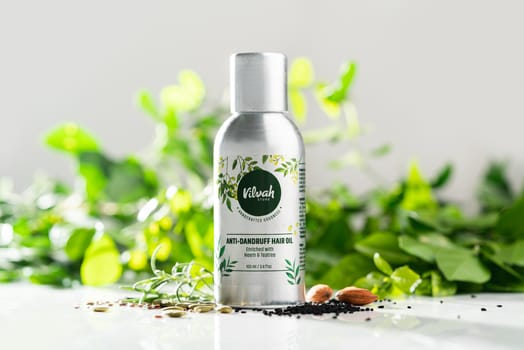
Flakes on the scalp are common, but the cause matters. “Dandruff” is often used as a catch-all term, yet several conditions can produce visible shedding, itching, and scalp irritation. Some people have simple dryness that improves with moisture and gentle care. Others have an inflammatory skin condition—most commonly seborrheic dermatitis—that responds better to anti-inflammatory and antifungal approaches. Still others experience dandruff driven by yeast activity and scalp sensitivity.
This guide focuses on symptom recognition and practical next steps. By understanding the typical look, feel, and triggers of each condition, you can choose more targeted strategies and know when it’s time to seek medical evaluation.
Dandruff: common, often yeast-related, usually more “flake-forward”
Dandruff typically refers to a scalp condition characterized by flaking and sometimes mild-to-moderate itch. It is frequently linked to an overgrowth of a yeast (often Malassezia) on the scalp, which can trigger irritation and faster shedding of skin cells. The result is visible flakes—often dry, powdery, or loosely attached.
Typical symptoms
- Flakes: Often white or gray and may be powdery or loosely clinging.
- Itching: Common, usually mild to moderate.
- Scalp feel: Can feel slightly oily or irritated, but overt redness is not always prominent.
- Distribution: Frequently affects the scalp, especially along the hairline and part lines.
Common triggers and patterns
- Seasonal changes: Many people notice worsening in colder, drier months.
- Oily scalp tendencies: Increased oil can contribute to yeast-related irritation.
- Inconsistent scalp care: Skipping medicated cleansing during flare periods can allow symptoms to return.
- Stress and fatigue: These can worsen inflammatory skin conditions.
What dandruff usually looks like on the scalp
In many cases, the scalp shows scattered flaking without intense redness. You may see fine scaling along the hairline or where hair parts naturally. With ongoing irritation, the scalp can become more sensitive, and redness may appear.
Seborrheic dermatitis: inflammation on top of yeast sensitivity
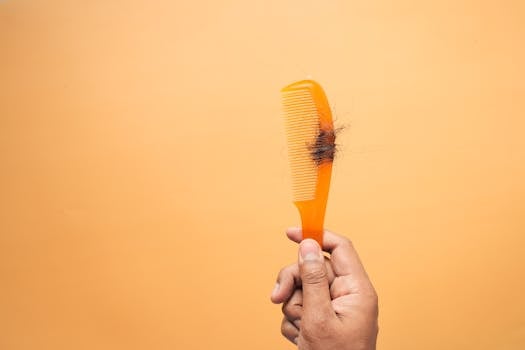
Seborrheic dermatitis is a chronic, relapsing inflammatory skin condition. Like dandruff, it often involves yeast-related factors, but the defining feature is inflammation. That inflammation can make seborrheic dermatitis look and feel more irritated than simple dandruff.
Typical symptoms
- Redness and scaling: Flakes may be accompanied by visible redness or a pinkish tone.
- Greasy or yellowish scale: Scales can be more adherent and may look oily rather than purely dry.
- Itching/burning: Often more noticeable than in mild dandruff.
- More widespread involvement: It can extend beyond the scalp to areas like eyebrows, sides of the nose, beard area, ears, or upper chest (in some people).
Where it tends to show up
Because seborrheic dermatitis affects skin regions with more oil glands, it often appears in the scalp but can also involve facial areas. On the scalp, it may concentrate at the crown, hairline, and behind the ears.
What seborrheic dermatitis usually looks like
You may notice thicker scale, more pronounced redness, and scaling that seems “stuck” rather than simply falling off. In more active phases, the scalp can look shiny or greasy with patchy inflammation.
Dry scalp: reduced moisture and barrier strain
Dry scalp is often the simplest explanation for flakes, especially when there’s minimal redness and the flaking looks fine and dry. The scalp barrier can become irritated from environmental dryness, overwashing, harsh hair products, or hot water. Unlike seborrheic dermatitis, dry scalp is primarily a barrier and moisture issue rather than a yeast-driven inflammatory pattern.
Typical symptoms
- Fine, dry flakes: Often small, white, and easily shed.
- Itching: Can be present, but inflammation is usually limited.
- Scalp tightness: Some people describe a “straw-like” or tight feeling after washing.
- Minimal redness: The scalp may look normal or slightly irritated.
Common triggers and patterns
- Dry weather: Cold air and indoor heating reduce humidity.
- Overwashing or hot water: Frequent cleansing and high-temperature water can strip oils.
- Harsh ingredients: Alcohol-heavy styling products, strong detergents, or frequent color/chemical treatments can irritate the barrier.
- Low humidity and friction: Hats, helmets, and frequent friction can worsen dryness.
What dry scalp usually looks like
The scalp often shows light, dust-like scaling without greasy buildup. Redness is usually mild or absent. Flakes may increase after washing and improve when the scalp is well-hydrated and gently treated.
Dandruff vs seborrheic dermatitis vs dry scalp: symptom clues that help you sort them out
It’s easy to assume “flakes = dandruff,” but the pattern of symptoms provides important clues. Use the following indicators to guide your thinking—not to self-diagnose with certainty, but to choose the most sensible first steps.
Flake appearance and attachment
- Dandruff: Usually loose flakes; may be powdery or fine.
- Seborrheic dermatitis: Often more adherent and may look greasy or yellowish.
- Dry scalp: Typically very dry, small flakes that shed easily.
Redness and inflammation
- Dandruff: Redness may be mild or intermittent.
- Seborrheic dermatitis: Redness is more common and can be more noticeable during flares.
- Dry scalp: Usually minimal redness, though irritation can occur with harsh products.
Itch and scalp sensation
- Dandruff: Itch is common but often not burning.
- Seborrheic dermatitis: Itch may be stronger; burning or discomfort can occur.
- Dry scalp: Tightness and mild itch are common; burning is less typical unless the scalp barrier is significantly irritated.
Distribution beyond the scalp
- Dandruff: Usually limited to scalp (though facial involvement can happen if you also have seborrheic features).
- Seborrheic dermatitis: Often affects other oil-rich areas like eyebrows, beard, or behind ears.
- Dry scalp: Usually confined to the scalp, though dryness can affect hairline skin if products or climate are involved.
Response to changes in cleansing and moisture
- Dry scalp: Tends to improve with gentler cleansing, reduced heat, and barrier-supporting hydration.
- Dandruff and seborrheic dermatitis: Often require medicated or targeted scalp treatment to control symptoms, especially if the condition is persistent or recurrent.
How to approach treatment: practical steps based on the most likely cause
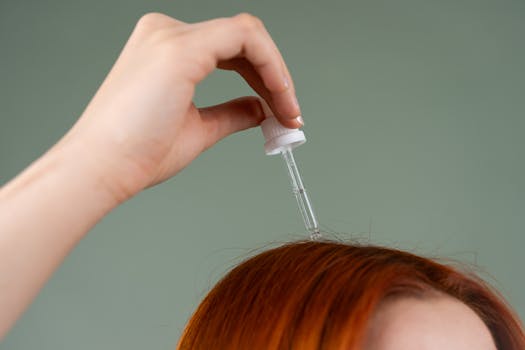
The best plan depends on which pattern fits your symptoms. In many real-world cases, people experience overlap—dryness can coexist with dandruff or seborrheic dermatitis. Still, starting with the most likely driver improves your odds of success.
If you suspect dry scalp: focus on barrier-friendly habits
- Adjust washing frequency: If you’re overwashing, try spacing washes out slightly.
- Use lukewarm water: Hot water can worsen dryness and irritation.
- Choose gentle cleansing: Look for shampoos designed for sensitive scalps or dryness (without needing to be “medicated”).
- Reduce irritants: Temporarily scale back strong styling products, heavy alcohol-based hair sprays, and aggressive exfoliating scalp tools.
- Consider conditioning where appropriate: Conditioning the hair lengths (not necessarily the scalp) can reduce dryness-related friction. If you apply any scalp products, keep them light and patch-test.
Dry scalp improvements often take time—typically a couple of weeks—because the skin barrier needs consistency to recover.
If you suspect dandruff: consider antifungal-active scalp cleansing
Dandruff frequently responds to shampoos that reduce yeast-related irritation. Many effective options include ingredients such as ketoconazole, selenium sulfide, zinc pyrithione, or ciclopirox. These are not “instant fixes”; they work best when used consistently for a defined period and then maintained as needed.
- Follow the label directions: Many medicated shampoos require a short contact time before rinsing.
- Use at the right frequency: For active flaking, medicated cleansing is often used more frequently at first, then reduced for maintenance.
- Don’t over-strip: If you’re using a medicated shampoo, avoid pairing it with harsh clarifying or very frequent hot-water washes.
If your scalp improves but symptoms return soon after stopping, that pattern is common with dandruff and seborrheic dermatitis—conditions that often require ongoing control rather than a one-time cure.
If you suspect seborrheic dermatitis: expect a more inflammatory pattern
Seborrheic dermatitis often needs treatment that addresses both yeast-related factors and inflammation. Antifungal-active shampoos may help, but some people require additional anti-inflammatory strategies under clinical guidance.
- Track the flare pattern: Note whether symptoms worsen with stress, seasonal changes, or after certain hair products.
- Check nearby areas: If you also have eyebrow scaling, redness behind the ears, or facial flaking, it supports a seborrheic dermatitis pattern.
- Be cautious with aggressive scalp “scrubs”: Physical exfoliation can worsen inflammation during active phases.
- Consider medical evaluation for persistent inflammation: If redness is significant or symptoms don’t improve with appropriate medicated cleansing, a clinician can recommend targeted anti-inflammatory options.
When overlap is likely
Overlap is common. For example, a person may have seborrheic dermatitis but also experience dryness from frequent shampooing or hair coloring. In that situation, improving barrier comfort can make medicated treatment easier to tolerate, while medicated cleansing can control the underlying inflammatory driver. The goal is not to “choose one” forever, but to use the right combination for the phase of the condition.
What to avoid: common mistakes that keep flakes coming back
- Scratching or picking: It can worsen irritation, increase redness, and prolong inflammation.
- Switching products too quickly: Many scalp conditions need consistent treatment for a few weeks to judge response.
- Using only heavy moisturizers on an inflamed scalp: If yeast-driven inflammation is present, simply adding moisture may not address the root cause.
- Overusing clarifying shampoos: Stripping oils can worsen dryness and barrier irritation.
- Ignoring non-scalp clues: Facial scaling, ear involvement, or upper chest flaking points away from simple dryness and toward seborrheic dermatitis.
When to seek medical care for scalp flakes
Self-care is appropriate for mild, typical flaking. Medical evaluation is important when symptoms are severe, persistent, or atypical. Consider professional assessment if you notice:
- Thick, painful, or crusted plaques that don’t respond to appropriate scalp care.
- Significant redness or swelling, especially if it spreads.
- Hair loss in patches or increased shedding beyond typical seasonal changes.
- Weeping, oozing, or infection signs (tenderness, warmth, honey-colored crusts).
- Symptoms that don’t improve after a consistent trial of appropriate medicated cleansing and gentler scalp care.
- Other body involvement suggesting psoriasis or another dermatologic condition.
There are other causes of scalp scaling, including psoriasis, contact dermatitis (from allergens or irritants), and less common inflammatory conditions. A clinician can differentiate these when the pattern isn’t clear.
Prevention and long-term scalp management
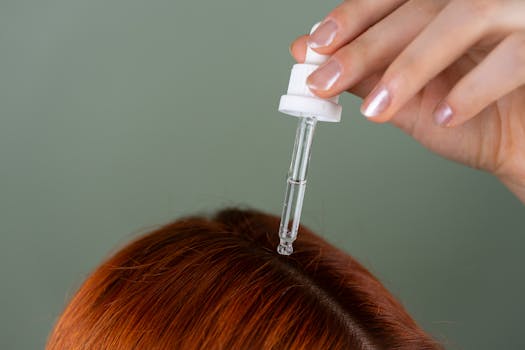
Even when you identify the most likely cause, prevention is what keeps symptoms from returning. The most effective strategy is usually a blend of gentle routine, trigger awareness, and consistent control during flares.
Build a routine that supports your scalp
- Use consistent cleansing: Sudden changes in routine can irritate the scalp.
- Mind water temperature and friction: Lukewarm water and gentle drying help reduce irritation.
- Limit harsh chemical stress: If you color or chemically treat your hair, consider spacing sessions and using barrier-supportive care for the scalp.
- Manage humidity and weather: In very dry climates, you may need to adjust how often you wash and how you hydrate the scalp barrier.
Maintenance for dandruff or seborrheic dermatitis
Many people benefit from a maintenance schedule rather than waiting for symptoms to become severe. The idea is to use medicated anti-yeast cleansing intermittently during stable periods and more consistently during flares. If you notice recurring symptoms, it’s often a signal that maintenance is needed.
Product guidance without guesswork
When selecting scalp care, focus on ingredients and scalp compatibility rather than trends. If your scalp is sensitive, prioritize gentler formulas and avoid frequent changes. If you have a seborrheic pattern, medicated anti-yeast cleansing ingredients are often more relevant than purely moisturizing approaches.
Summary: choosing the right direction when flakes appear
Understanding the differences between dandruff, seborrheic dermatitis, and dry scalp can reduce trial-and-error. Dandruff often features loose, flake-focused shedding with mild-to-moderate itch and may be yeast-related. Seborrheic dermatitis tends to show more inflammation—often redness and potentially greasy or adherent scale—and can involve areas beyond the scalp. Dry scalp typically presents fine, dry flakes with minimal redness, often worsened by climate, overwashing, and irritant exposure.
Start with the symptom pattern that fits best, adjust your routine to support your scalp barrier, and use targeted medicated cleansing when yeast-driven inflammation is likely. If symptoms are severe, persistent, or accompanied by hair loss or significant redness, professional evaluation helps clarify the diagnosis and guide more precise treatment.
02.04.2026. 12:14