

Ferritin, Iron, Vitamin D, Zinc Hair Loss Labs: FAQ Guide

Hair shedding can be influenced by nutrition, inflammation, hormones, and underlying scalp or systemic conditions. If you’re trying to understand whether lab abnormalities could be contributing, the most useful approach is targeted testing with clear interpretation. This FAQ hub focuses on common labs—ferritin, iron, vitamin D, and zinc—plus several closely related markers that clinicians often consider when evaluating hair loss.
What ferritin level is commonly checked for hair loss?

Ferritin is a storage form of iron and is often included in hair loss workups. Many clinicians look for a ferritin level that suggests adequate iron stores, especially in people with heavy menstrual bleeding, recent pregnancy, dietary restriction, or symptoms of iron deficiency. There isn’t one universal cutoff for every hair loss pattern, but low ferritin is frequently associated with increased shedding, and repletion is often considered when ferritin is below a clinically meaningful threshold.
If your ferritin is low, ask whether your clinician wants iron studies (to confirm iron deficiency), a plan to address the cause, and a timeline for rechecking labs after treatment.
How do iron studies differ from ferritin, and why do they matter?
Ferritin reflects iron storage, while iron studies can include serum iron, total iron-binding capacity (TIBC), transferrin saturation, and sometimes complete blood count (CBC). Together, these tests help determine whether low ferritin represents true iron deficiency, anemia, or a different pattern such as anemia of inflammation.
For hair loss evaluation, the key question is whether iron availability is impaired. Iron studies can clarify that, particularly when ferritin is borderline or when inflammatory conditions may affect ferritin interpretation.
Can low iron or anemia cause hair shedding?
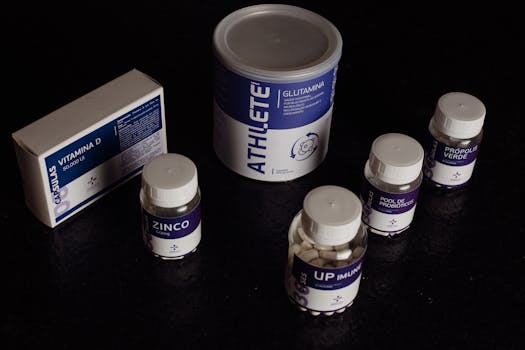
Yes. Iron deficiency can contribute to diffuse hair shedding, and iron deficiency anemia can worsen the pattern. Hair follicles are sensitive to changes in nutrient availability, and iron deficiency may shift follicles toward a shedding phase.
Important nuance: not everyone with hair loss has iron deficiency, and not everyone with low iron will have the same hair response. That’s why labs plus clinical context—like scalp symptoms, menstrual history, diet, and medication use—are essential.
What vitamin D labs are used when evaluating hair loss?
The most common test is 25-hydroxyvitamin D (25(OH)D). This reflects vitamin D status from sun exposure and diet. Low vitamin D has been associated with certain hair conditions, including some inflammatory scalp disorders and forms of alopecia, although vitamin D is not the only factor.
If your vitamin D is low, ask your clinician whether they suspect a deficiency due to limited sun exposure, malabsorption, skin conditions, or medication effects, and whether they want repeat testing after correction.
How can zinc deficiency affect hair growth?
Zinc supports cell division, immune function, and skin barrier health. Deficiency can be associated with hair changes, including increased shedding or slower regrowth in some people. Zinc deficiency is more likely with restricted diets, malabsorption conditions, chronic gastrointestinal issues, or certain medications.
A clinician may order a serum zinc test when the history suggests risk. Interpreting zinc results can be tricky because levels may fluctuate with illness and inflammation, so context matters.
Which zinc-related labs might a clinician order besides serum zinc?
Often, the core test is serum zinc, but additional labs may be considered depending on symptoms and risk factors. These can include markers of nutritional status (such as CBC indices), tests for related deficiencies, and evaluation for malabsorption if there are gastrointestinal symptoms or unexplained weight loss.
If you’re taking supplements already, tell your clinician, because recent zinc intake can affect measured levels.
Should I also ask for a CBC and thyroid labs with hair loss?
Many clinicians include a CBC to look for anemia and other blood count abnormalities that could align with nutritional deficiency or chronic illness. Thyroid testing is also commonly considered because hypothyroidism and hyperthyroidism can affect hair growth and shedding patterns.
Common thyroid labs include TSH and free T4 (and sometimes free T3). If you have symptoms like fatigue, temperature intolerance, weight change, constipation, palpitations, or menstrual changes, thyroid testing becomes more relevant.
What other labs are commonly relevant when ferritin, iron, vitamin D, and zinc are normal?
If the key nutrient labs are normal, clinicians may broaden the evaluation based on your hair loss pattern and risk factors. Depending on your history, this might include inflammatory markers (in select cases), hormone-related testing, screening for autoimmune conditions, or tests for other nutritional deficiencies.
Examples of additional labs sometimes considered include B12, folate, and sometimes magnesium or vitamin A/other markers if dietary restriction or malabsorption is suspected. The best set of tests depends on symptoms, scalp findings, and medical history.
How should I interpret “borderline” ferritin results for hair shedding?

Borderline ferritin can be challenging because ferritin is influenced by inflammation. Inflammatory states can raise ferritin even when iron availability is not ideal. For that reason, clinicians may interpret ferritin alongside transferrin saturation, TIBC, and CBC, and may consider inflammatory markers if clinically appropriate.
If your ferritin is borderline but iron studies and blood counts support deficiency, your clinician may recommend addressing iron intake and rechecking labs. If labs are mixed, they may consider other contributors such as scalp inflammation, androgen sensitivity, stress-related shedding, or medication effects.
Can inflammation or chronic illness change ferritin and iron test results?
Yes. Ferritin is an acute-phase reactant, meaning it can increase during infection or inflammation. In anemia of inflammation, ferritin may not be low even when iron utilization is impaired.
That’s why a clinician may look at the broader iron panel—especially transferrin saturation and TIBC—rather than ferritin alone. If you have chronic inflammatory conditions, recent infections, or autoimmune disease, interpretation should be more nuanced.
When is the best time to test labs for hair loss?
There’s no single perfect timing, but consistency helps. Testing during a stable period can reduce noise from acute illness. If you recently had a major infection, surgery, childbirth, or significant stressor, shedding may be part of a temporary cycle, and labs may be interpreted differently.
If you’re already supplementing iron, vitamin D, or zinc, ask whether you should pause before testing or whether your clinician can interpret results in light of supplementation. Also ask when re-testing would be appropriate after any treatment changes.
How long after correcting deficiencies do labs and hair typically improve?
Lab values can improve within weeks to a few months, depending on the deficiency and treatment approach. Hair changes usually take longer because follicles cycle over time and hair must grow out from the follicle.
Clinicians often reassess labs after a reasonable treatment interval and watch for gradual reduction in shedding over subsequent months. If shedding continues despite corrected labs, it may point to another driver such as androgenetic alopecia, telogen effluvium from a prior trigger, scalp inflammation, or medication effects.
What should I ask my clinician if my labs are abnormal?
If your ferritin, iron studies, vitamin D, or zinc are abnormal, ask targeted questions:
- What specific pattern do the results suggest (iron deficiency, inflammation-related changes, or another cause)?
- What is the most likely underlying reason for the deficiency (diet, menstrual blood loss, malabsorption, medication, or other factors)?
- What treatment plan is appropriate, and what lab recheck timeline should be used?
- Are there additional tests needed to rule out related conditions?
- How should we connect the lab results to my hair loss pattern and scalp exam findings?
If you’re already using supplements, ask whether your dosing and duration are appropriate and whether levels should be monitored to avoid excess.
Do I need to take supplements to get answers from hair loss labs?
No. Labs can clarify whether deficiencies are present and guide next steps. However, if you’re deficient, clinicians often recommend correcting the underlying issue rather than only masking symptoms.
Be cautious with self-directed high-dose supplementation. Excess zinc, for example, can interfere with copper status, and excessive iron can be harmful if iron deficiency isn’t confirmed. If you choose to supplement, coordinate with your clinician and consider lab monitoring.
Are there common lab pitfalls that can mislead hair loss evaluation?

Yes. Common pitfalls include relying on ferritin alone when inflammation is present, testing only one nutrient without checking related markers, ignoring medication and supplement intake before bloodwork, and interpreting results without connecting them to your hair loss pattern and scalp findings.
Another pitfall is assuming normal labs rule out hair loss causes like androgen-driven shedding, scalp dermatitis, traction, or genetic patterns. Labs are one piece of the evaluation, and scalp examination and history remain central.
Closing summary: what ferritin, iron, vitamin D, and zinc labs can—and can’t—tell you
Ferritin and iron studies can help identify iron deficiency or iron-utilization problems that may contribute to diffuse hair shedding. Vitamin D and zinc testing can uncover nutritional or inflammatory contributors in selected cases. Still, normal results don’t rule out other hair loss mechanisms, and abnormal results need context—especially when inflammation affects ferritin or when supplementation changes measured levels.
If you’re preparing for testing, consider asking for a structured lab set (often including CBC and thyroid tests alongside ferritin/iron, vitamin D, and zinc) and request a clear interpretation plan with a recheck timeline. This helps turn lab results into actionable next steps rather than isolated numbers.
21.01.2026. 18:01