

Scalp Itch and Hair Shedding Troubleshooting: Fix the Root Cause

What you’re likely noticing (and why it matters)
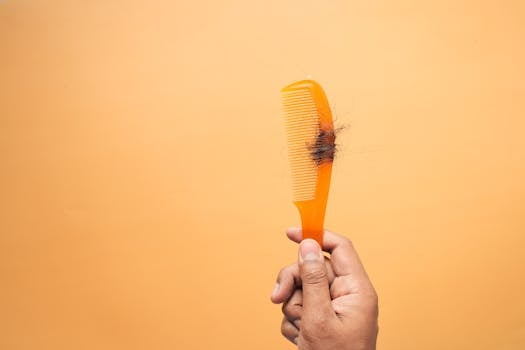
If you’re dealing with scalp itch and hair shedding, you’re probably seeing a mix of irritation and noticeable extra hair in the shower, on your pillow, or on your brush. The tricky part is that itching and shedding often share the same root cause—but not always the same timeline.
Some patterns are especially common:
- Itch first, shedding follows: irritation from inflammation can weaken follicles over weeks.
- Shedding first, itch later: stress, hormones, or nutritional issues can start shedding; itching may appear once your scalp becomes more sensitive.
- Patchy shedding: could point toward fungal issues, dermatitis, or less commonly hair-loss conditions that need evaluation.
- Flaking with burning or soreness: often suggests seborrheic dermatitis or psoriasis.
- Oily scalp with odor: can go with buildup, yeast overgrowth, or product-related irritation.
Before you change everything at once, take 10 minutes to observe. Your goal is to narrow down what’s happening so your fixes actually match the cause.
Most likely causes of scalp itch and hair shedding
Itch and shedding usually come from one (or a combination) of these buckets: inflammation/dermatitis, scalp microbiome imbalance, product or chemical irritation, hair-shaft damage, or true shedding conditions that start deeper in the follicle cycle.
1) Seborrheic dermatitis (dandruff that irritates)
This is one of the most common culprits. You may see greasy or dry flakes, redness, and itch that returns in cycles. Yeast (Malassezia) can drive inflammation, which may contribute to shedding—especially when you scratch or pick at the scalp.
2) Contact dermatitis from products or chemicals
If your itch started after a new shampoo, hair dye, bleach, keratin treatment, leave-in, or even a fragrance-heavy styling product, this is high on the list. Symptoms can include burning, tightness, redness, and increased shedding from inflammation or breakage at the hair surface.
3) Product buildup and poor scalp cleansing
Heavy oils, silicones, waxes, and dry shampoo can build up. That doesn’t always cause dandruff, but it can trap residue and irritate the scalp. If your scalp feels coated or you notice flakes that don’t “wash off” easily, buildup may be involved.
4) Psoriasis or eczema
Psoriasis often shows thicker plaques and may extend beyond the hairline. Eczema can be intensely itchy and dry. Both can inflame the scalp and trigger shedding indirectly.
5) Folliculitis (inflamed or infected follicles)
You might notice small bumps, tenderness, pimples, or crusting. Sometimes it follows sweating, tight hairstyles, or occlusive products. Chronic folliculitis may contribute to shedding.
6) Telogen effluvium (shedding from a trigger)
This is a common shedding pattern where more hairs shift into the shedding phase. Triggers can include illness (including COVID-19), major stress, surgery, rapid weight loss, iron deficiency, or new medications. It often starts 6–12 weeks after the trigger, and itching may be secondary.
7) Traction, breakage, and heat/chemical damage
Not all “shedding” is true follicle shedding. If you recently changed hairstyles (tight braids, extensions, slick buns) or increased heat/bleaching, you may see shorter hairs, frizz, and breakage. Itch can still happen from scalp stress or product irritation.
8) Less common causes that need evaluation
If you have pain, pus, rapidly expanding patches, or sudden severe hair loss, don’t assume it’s just dandruff. Conditions like alopecia areata, scarring alopecia, or fungal infections (tinea capitis) may require medical diagnosis.
Step-by-step scalp itch and hair shedding troubleshooting
Use this like a structured checklist. You’re not trying to “guess perfectly.” You’re trying to identify what’s most likely based on your signs, then test the simplest fix first.
Step 1: Track your symptoms for 7 days (quick but revealing)
Write down:
- When itch starts (same day you wash? worse 1–2 days after?)
- Flake type (greasy/yellow vs dry/white vs thick plaques)
- Redness or soreness
- Any bumps, pimples, or crust
- Shedding pattern (more in the shower vs constant throughout the day)
- Any recent triggers in the last 3 months: illness, stress, diet changes, new meds, dye/bleach, extensions, new shampoo
Real-world example: If your scalp gets itchier on day 2 after washing and you notice greasy flakes near the hairline, seborrheic dermatitis or buildup moves to the top of the list.
Step 2: Confirm whether you’re seeing shedding or breakage
Look at 10–20 hairs you find. If the hair has a white bulb at one end, that suggests shedding from the follicle. If hairs are short with frayed ends and no bulb, that points more toward breakage.
This matters because dandruff/irritation can contribute to both shedding and breakage, but the best fix differs.
Step 3: Do a “no new products” reset for 10–14 days
Stop introducing new products during your troubleshooting window. Keep your routine simple and consistent. During this time, avoid:
- Hair dye/bleach
- Heavy oils directly on the scalp
- Fragrance-heavy leave-ins
- Scratching (even if it’s hard—try to redirect)
If itch improves noticeably within 3–7 days, contact dermatitis or product irritation is likely.
Step 4: Switch to a targeted anti-itch cleansing routine (without over-washing)
For many people with scalp itch and shedding, the simplest effective move is a medicated anti-dandruff shampoo used correctly. Aim for 2–3 times per week for 2–4 weeks, then reassess.
How to use matters:
- Apply to scalp (not just hair strands).
- Massage gently with fingertips for 30–60 seconds.
- Leave it on for 3–5 minutes before rinsing.
- Rinse thoroughly.
Common options you can consider include shampoos with ketoconazole (often effective for dandruff/yeast-driven inflammation) or zinc pyrithione (helpful for itch and flaking). If your scalp is very dry, alternate medicated washes with a gentle, fragrance-free shampoo on non-medicated days.
Soft product note: If you already use an anti-dandruff shampoo but it doesn’t help after a month of correct use, don’t just “keep going.” You may need a different active ingredient or a different diagnosis.
Step 5: Reduce mechanical irritation immediately
Even if the cause is internal, scratching can worsen inflammation and shed more hair. For the next 2 weeks:
- Keep nails short.
- Use a soft scalp brush only if it doesn’t increase itch.
- Avoid tight hairstyles that pull the scalp.
- Consider washing after workouts to reduce sweat exposure if you’re prone to bumps.
Step 6: Check for follicle bumps or signs of infection
If you have tender bumps, pustules, or crust, a dandruff shampoo alone may not be enough. At-home troubleshooting can still help you decide what to do next:
- If bumps flare after sweating or occlusive products, pause heavy pomades and oils.
- Try a gentle routine for 7–10 days, keeping the scalp clean and dry.
- If you see worsening pain, spreading redness, or drainage, professional evaluation is the safest next step.
Solutions from simplest fixes to more advanced fixes
Work through these in order. You’ll learn more by changing one variable at a time than by doing everything at once.
Start with the simplest: correct cleansing and gentler handling (Week 1–2)
Do this if your itch is mild to moderate and you see flaking or scalp sensitivity.
- Use a medicated anti-dandruff shampoo 2–3x weekly and leave it on 3–5 minutes.
- On other days, use a gentle shampoo (ideally fragrance-free or designed for sensitive scalps).
- Avoid heavy oils on the scalp while you troubleshoot.
- Don’t scratch—redirect with gentle fingertip massage instead.
If your scalp is calmer within 7–10 days, you’re probably on the right track. Hair shedding can lag behind, because hair growth cycles take time.
Adjust timing: match washing frequency to your scalp’s behavior (Week 2–3)
Some people itch because they’re washing too rarely; others itch because they’re washing too often or using harsh products.
Try a practical experiment:
- If you wash every 3–4 days and itch spikes on day 2–3, try washing every 48 hours for 2 weeks.
- If you wash daily and itch is worse after washing, reduce to every 1–2 days and focus on gentler products.
Track changes in itch intensity on a 0–10 scale. A consistent reduction is meaningful.
Address product irritation: remove common triggers (Week 1–3)
If your itch began after a specific product, the fix is usually removal plus time.
- Pause new dyes, glosses, and chemical treatments for at least 4–6 weeks.
- Stop leave-in sprays or fragranced serums on your scalp.
- Avoid essential oils directly on the scalp during troubleshooting; they can trigger irritation for some people.
Real-world scenario: You dye your hair at home, then notice burning and itching within 24–72 hours. You stop everything new, switch to a gentle fragrance-free cleanser, and use a medicated anti-dandruff shampoo only 2x weekly. If itch settles within 1–2 weeks, contact dermatitis becomes likely.
Target buildup: clarify carefully, not aggressively (Week 2–4)
If you suspect buildup (scalp feels coated, flakes look like residue, hair feels heavy), consider a clarifying shampoo 1x weekly for 2–3 weeks. Don’t overdo it—too much stripping can worsen itch.
Then return to your medicated routine if flaking persists.
If flakes are thick or stubborn: consider a different anti-dandruff active (Week 3–6)
If you used ketoconazole (or another anti-dandruff shampoo) correctly for 3–4 weeks and itch and shedding haven’t improved, switch active ingredients rather than continuing the same product indefinitely.
Options that are commonly used include shampoos with:
- Ketoconazole for yeast-driven inflammation
- Ciclopirox in some regions for dandruff/yeast
- Zinc pyrithione for itch and flake control
- Salicylic acid to help lift scale (especially if you have thicker buildup)
Use the new active for 3–4 weeks, again leaving it on the scalp for 3–5 minutes.
If you have redness, soreness, or eczema-like dryness: focus on barrier support (Week 2–6)
When inflammation is dry and sensitive, harsh routines can backfire. Try:
- Short contact medicated shampoo (still 3–5 minutes, but don’t increase frequency beyond what you can tolerate).
- Gentle non-medicated washes on off days.
- Avoid hot water; lukewarm helps reduce itch.
In some cases, a dermatologist may recommend topical treatments that calm inflammation more directly, especially if it’s psoriasis or eczema.
If shedding is heavy but itch is mild: evaluate telogen effluvium timing (Week 4–12)
If your main issue is shedding and itch is not prominent, telogen effluvium may be the real driver. It typically starts 6–12 weeks after a trigger.
Common triggers include:
- High fever illness
- Major stress or sleep disruption
- Rapid weight loss
- Starting or stopping hormonal medications
- Low iron or low vitamin D (not always, but worth considering)
At-home troubleshooting here is more about supporting the basics: ensure you’re eating enough protein, and consider asking a clinician about labs if shedding remains intense beyond 3 months.
If it’s patchy, painful, or scaly in spots: escalate the diagnosis (Week 1–8)
If you notice distinct patches of thinning, broken hairs, or significant scaling in one area, don’t keep troubleshooting with only dandruff shampoos. Fungal causes like tinea capitis (more common than people think) can require prescription treatment.
Get evaluated promptly if you have:
- Round/scaly patches
- Lymph node tenderness in the neck
- Broken hairs in that area
- Pus, intense pain, or spreading redness
When to consider replacement, a professional evaluation, or medical treatment
Most cases improve with the right routine, but there are clear “don’t delay” situations.
Replace your current shampoo routine if there’s no improvement within set timeframes
Use these practical checkpoints:
- 0–2 weeks: You should see some itch reduction if the cause is inflammatory and responsive to anti-dandruff cleansing.
- 3–4 weeks: Flaking and itch should be meaningfully reduced if your chosen active ingredient matches the problem.
- 6–8 weeks: Shedding may still be ongoing, but you should see a trend toward stabilization.
If you’ve followed the method (proper contact time, consistent use) and nothing improves by week 4–6, it’s reasonable to change the active ingredient or get input from a professional.
Consider professional help if shedding is intense or persistent
Hair shedding can take time to slow down. Still, you should seek professional evaluation if:
- Shedding is severe for more than 3 months
- You see widening parts or noticeable thinning
- You have scalp pain, burning, or oozing
- You have patchy loss
- Your scalp itch is so strong you can’t sleep or you’re scratching repeatedly
A dermatologist can check for dermatitis types, fungal infections, and hair-loss patterns that need targeted treatment.
Know when it might be time for “more than shampoo”
Topical prescription treatments can be appropriate for conditions like severe seborrheic dermatitis, eczema/psoriasis flares, or folliculitis. If your scalp is inflamed despite consistent shampooing, ask about targeted anti-inflammatory or antifungal options rather than continuing to experiment for months.
Stop testing and get urgent care if you have infection signs
If you have fever, rapidly spreading redness, significant swelling, or draining sores, seek urgent medical care. That’s not a normal “scalp itch and hair shedding troubleshooting” situation.
Putting it all together: a simple troubleshooting plan you can follow
Here’s a straightforward way to apply everything above without getting overwhelmed.
- Days 1–7: Track symptoms, stop new products, and start a medicated anti-dandruff shampoo 2–3x weekly with 3–5 minutes contact time.
- Days 8–14: Confirm whether you’re seeing shedding vs breakage. Adjust washing frequency based on whether itch is worse day 2 or day 1.
- Weeks 3–4: If no meaningful improvement, switch anti-dandruff active ingredient or address buildup with gentle clarifying 1x weekly.
- Weeks 6–8: If itch is controlled but shedding continues heavily, consider telogen effluvium timing and ask about labs if it persists beyond 3 months.
- Anytime: If patchy loss, pain, or draining bumps show up, get evaluated sooner.
If you want a quick example, imagine this timeline: You notice itch and increased shedding after a stressful month and a new styling gel. You stop the gel, start ketoconazole shampoo 2–3x weekly with proper contact time, and keep hairstyles loose. By day 10, itch drops from 8/10 to 3/10. Shedding slows by week 7. That pattern supports irritation/inflammation plus a shedding trigger that takes longer to settle.
On the other hand, if you have thick plaques or patchy scaling that doesn’t respond after 4–6 weeks, shampoo alone is unlikely to be the solution, and professional diagnosis becomes the fastest path to relief.
Practical product guidance (soft recommendations, not hard rules)
You don’t need a complicated routine to troubleshoot. Still, choosing the right type of product can make your efforts more effective.
- Medicated anti-dandruff shampoo: pick one active and use it consistently for 3–4 weeks with correct contact time.
- Gentle non-medicated shampoo: use on off days to avoid over-stripping your scalp barrier.
- Conditioner: keep it on hair lengths, not the scalp, especially when you’re itchy.
- Scalp oils and heavy serums: pause while you troubleshoot itch and flaking.
If you’re currently using multiple scalp products at once, reduce to a minimal routine. It’s easier to identify what helps when you’re not layering variables.
When your hair shedding starts to improve (what to expect)
Once the scalp inflammation calms down, shedding often becomes less dramatic, but it doesn’t always stop immediately. Hair follicles cycle slowly. For many people, you’ll notice stabilization first, then gradual improvement over the next 8–12 weeks.
Use trends, not one bad day. If you see less shedding week over week and itch is lower, you’re likely moving in the right direction.
Remember: troubleshooting is about narrowing. Each step you take—tracking symptoms, simplifying products, using the right shampoo active for long enough—gives you evidence. That evidence tells you whether to continue, adjust, or escalate to professional care.
11.04.2026. 04:46