

Scalp-Safe Hair Care Routine: A Step-by-Step Guide

What you’re trying to achieve with a scalp-safe routine
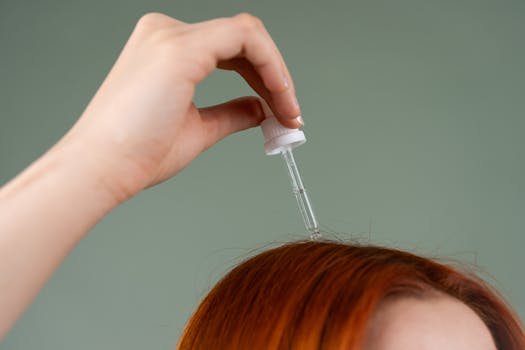
Your goal is simple: keep your scalp clean, calm, and healthy while still getting hair that looks and feels good. A scalp-safe hair care routine helps you reduce common problems like itchiness, flaking, tightness after washing, and redness from product buildup or harsh cleansing.
Instead of treating your scalp like an afterthought, you’ll follow a method that focuses on three things:
- Gentle cleansing that removes sweat and buildup without stripping.
- Targeted treatment when you have dandruff, oiliness, or dryness.
- Scalp-friendly styling so products don’t sit on your skin and clog pores.
If you’ve ever washed once and felt “squeaky clean” for a day—then itchy or dry later—you’re not alone. The routine below is designed to stop that cycle and make results more consistent over 2–6 weeks.
Preparation: set up your supplies and your “scalp baseline”
Before you change products or timing, do a quick baseline check. This helps you tell the difference between normal adjustment and actual irritation.
Tools and products you’ll need
- A gentle shampoo (look for sulfate-free or very mild surfactants if you’re sensitive).
- A conditioner that’s meant for hair length; keep it off the scalp.
- A scalp treatment you can use 1–3 times per week (examples: anti-dandruff active like ketoconazole, salicylic acid, or soothing ingredients like panthenol and aloe).
- A leave-in product or lightweight serum for ends only (optional, but helpful).
- A soft brush or scalp massager (optional). Choose something with flexible bristles.
- Clean towel or microfiber hair cloth.
- Warm water (not hot) for washing.
- Hair clips or sections clips for even application (optional but very useful).
Set your “scalp baseline” in 10 minutes
- On a clean day, check your scalp in bright light. Note what you see: flakes (dry vs greasy), redness, bumps, or just general itch.
- Rate itchiness from 0–10.
- Take a quick mental note of timing: does your scalp feel oily at 24 hours, 48 hours, or longer?
- Decide your starting schedule: if you wash daily now, you can still start, but you’ll adjust technique first before changing frequency.
This baseline matters because scalp-safe routines work best when you can measure improvements.
Step-by-step: your scalp-safe hair care routine
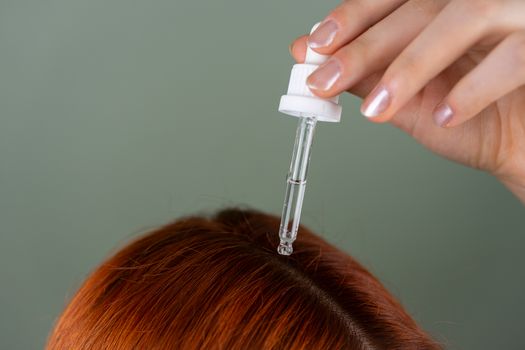
Use the steps below for each wash day and for the days in between. If you’re implementing this for the first time, start with a 2-week trial before you judge results.
1) Pre-wash: detangle and dry-brush lightly (if needed)
- Before you get in the shower, gently detangle your hair with your fingers or a wide-tooth comb.
- If you have lots of styling residue or dry flakes, you can lightly brush your scalp and hair with a soft brush for 30–60 seconds.
- Stop if you feel tenderness. Your scalp should never feel “scraped.”
Practical example: If you wear a ponytail daily and your scalp gets a little itchy by day 2, this light pre-brush helps remove loose flakes so your shampoo can do its job.
2) Wet thoroughly with warm water, not hot
- Use warm water to fully wet your scalp and hair for 60–90 seconds.
- Make sure water reaches through the layers. If your hair is thick or long, spend an extra 20–30 seconds sectioning it.
Warm water helps reduce product friction and makes cleansing more effective with less shampoo.
3) Use the right amount of shampoo and focus on the scalp
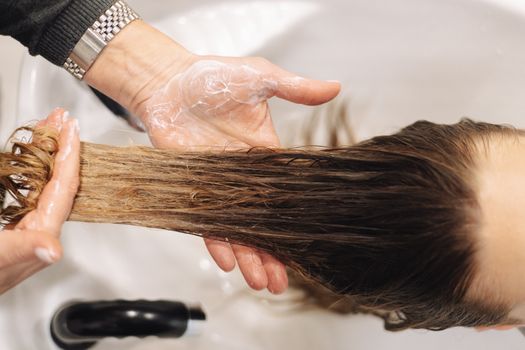
- Pour a small amount of shampoo into your palm—start with about one to two teaspoons for short hair, two to three teaspoons for medium, and three to four teaspoons for long/thick hair.
- Rinse your hands together to distribute, then apply directly to your scalp.
- Massage with fingertips in small circles for 60 seconds.
- Let the foam run through the hair lengths. You do not need to scrub the ends.
If your hair is very oily, you may benefit from a second shampoo pass. If you’re sensitive, keep it to one pass and adjust technique first.
4) Rinse longer than you think you need
- Rinse for 60–120 seconds until your scalp feels slippery-free and your hair feels lighter.
- Pay extra attention to your hairline and behind the ears—common buildup zones.
Many “scalp irritation” issues are actually leftover product. Rinsing well is a scalp-safe superpower.
5) Add conditioner only where it belongs
- Apply conditioner from mid-length to ends only.
- Leave it on for 2–5 minutes (follow your product instructions if they specify a different time).
- Do not let conditioner touch your scalp. If it tends to drip upward, use less product and section your hair.
Real-world scenario: You’ve got a dry scalp but oily roots. You may be tempted to condition near the scalp to add softness. Instead, keep conditioner lower and use a scalp treatment for the scalp itself.
6) If you need a scalp treatment, apply it after cleansing
Only add treatment when you actually need it. If you’re currently dealing with dandruff, itch, or buildup, this is where your routine becomes more personalized.
- After shampooing (and after rinsing), squeeze out excess water so the treatment spreads evenly.
- Apply treatment to the scalp—not the hair shafts.
- Use the recommended amount (often enough to lightly coat the scalp). Avoid piling it thickly.
- Leave it on for the product’s suggested time. If there’s no time listed, start with 3–5 minutes for sensitive scalps, then adjust in later washes.
- Rinse thoroughly unless your product is designed as a leave-on.
For many people, a treatment schedule of 1–3 times per week works well. If you’re new to it, start at the low end for two weeks.
7) Dry carefully: reduce friction and heat
- Pat your scalp and hair gently with a microfiber towel or soft towel.
- Avoid aggressive rubbing. Do it for 30–60 seconds, then let hair finish drying naturally or with a diffuser.
- If you blow-dry, keep heat on medium and hold the dryer about 15–20 cm away from your scalp.
If your scalp is reactive, consider air-drying most days. Heat can worsen itch for some people.
8) Style with scalp-safe placement (and lighter product amounts)
- Apply styling products to the lengths first. If you need volume at the roots, use minimal amounts and keep them off the scalp skin.
- For gels, creams, and leave-ins: use a pea-sized amount for the front and crown, then distribute.
- Wait until hair is mostly dry before adding product to reduce “wet residue” sitting on your scalp.
- Clean brushes, combs, and hair tools regularly—weekly if you use styling products often.
Practical example: You use a scalp-friendly shampoo but still get flakes. The real culprit might be a root gel applied too close to the skin. Try applying the gel only to the hair, not the scalp, and see if your flakes reduce over 2–3 weeks.
9) Refresh between washes without irritating your scalp
- If your scalp feels oily on day 2, use a dry shampoo carefully.
- Spray from a distance of about 15–20 cm and focus on roots.
- Limit to 1–2 light applications per refresh day.
- Brush gently after 1–2 minutes so it doesn’t sit like a film.
- If your scalp is sensitive, avoid using dry shampoo on irritated or flaky areas.
If you’re dealing with persistent itching, consider skipping dry shampoo for a couple of weeks and rely on gentle cleansing and scalp treatment instead.
Common mistakes that sabotage a scalp-safe routine
Even with the right products, small habits can keep your scalp from settling. Watch for these issues:
1) Scrubbing the scalp aggressively
Fingertips should feel like gentle massage, not exfoliation. If you use a massager, limit pressure and time. Start with 30–60 seconds and build only if your scalp tolerates it.
2) Using conditioner on the scalp
Conditioner buildup can trap oils and irritate the skin. Keep it off your scalp and focus on hair texture where you actually need it.
3) Not rinsing enough
Short rinse sessions often leave residue behind. If your scalp feels tight within a few hours, increase rinse time before switching products.
4) Overusing “strong” treatments
If you use an anti-dandruff or exfoliating scalp product too often, it can cause dryness and more itch. Start low: 1 time per week for 2 weeks, then adjust based on your baseline.
5) Washing too hot or too frequently without adjusting technique
Hot water and daily cleansing can strip your scalp. You can still wash frequently if you need to, but keep water warm and choose a gentle formula.
6) Applying styling products directly to the scalp
Roots get clogged fast. Use smaller amounts and keep products on hair shafts whenever possible.
Additional practical tips and optimisation advice
Once you’ve followed the steps above, fine-tune your routine based on what your scalp tells you. Make changes one at a time so you can identify what works.
Choose a wash frequency that matches your scalp, not your schedule
If your scalp gets oily quickly, you may need more frequent washes. If your scalp is dry or sensitive, you may do better with fewer washes. A good starting point for most people is:
- 2–4 washes per week as a baseline, then adjust after 2–6 weeks.
- On in-between days, refresh with gentle methods (like careful dry shampoo or simply styling changes) rather than adding more wet product.
Build a simple “rotation” for better scalp balance
If you’re dealing with dandruff or buildup, you can rotate your routine without overdoing it:
- Wash 1–2 times per week: gentle shampoo only.
- 1 time per week: scalp treatment shampoo or treatment applied after cleansing (depending on the product type).
- Other washes: keep it gentle and focus on rinsing well.
If you’re using a medicated product (like ketoconazole), follow the label and don’t increase frequency faster than recommended.
Watch for “timing irritation” after you switch products
When you change shampoo or treatment, your scalp might react for a short period. Give yourself 10–14 days before you decide it’s a bad fit, unless you see strong redness, burning, or swelling.
If you experience those symptoms, stop the product and switch back to your previous gentle option while you reassess.
Consider product compatibility and layering
Many scalp issues come from layering too many products. A practical approach is to keep your routine minimal:
- One gentle cleanser.
- One conditioner for lengths.
- One scalp treatment when needed.
- Optional: one lightweight leave-in or serum for ends.
For example, if you use a thick leave-in plus root styling cream, you may be creating buildup even with a good shampoo. Reduce one variable and see if your scalp calms down.
Soft product recommendations that fit a scalp-safe routine
You don’t need a complicated shopping list, but the right category of products can help. When shopping, look for:
- Gentle shampoo (often labeled sulfate-free or “for sensitive scalp”).
- Scalp treatment matched to your issue (dandruff, oiliness, or dryness).
- Conditioner designed to be used on hair lengths.
In many routines, a gentle everyday shampoo plus an occasional anti-dandruff or exfoliating scalp product works well. If you want a simple starting point, consider a fragrance-light gentle cleanser and a medicated or active scalp treatment only on the days you need it.
Note: If you have a diagnosed scalp condition (eczema, psoriasis, fungal issues), it’s best to follow your clinician’s guidance for product actives and frequency.
Clean your tools to prevent “recontamination”
If your scalp is reactive, hair tools matter. Oils and product residue build up on brushes, combs, and even hair ties. Do this:
- Rinse combs and brushes after use when possible.
- Deep clean brushes weekly if you use styling products.
- Replace or wash pillowcases regularly—at least every 3–4 days if you’re prone to breakouts or itch.
Use a real maintenance schedule you can stick to
Here’s a practical example you can copy. Imagine it’s a Tuesday wash day and you have mild dandruff and occasional itch:
- Tuesday (Wash): Gentle shampoo massage for 60 seconds, rinse well, conditioner on ends only, then apply your scalp treatment for 3–5 minutes if your product requires it. Rinse thoroughly.
- Thursday (Refresh): If roots look oily, use a light dry shampoo pass (15–20 cm away). Brush gently after 1–2 minutes.
- Saturday (Wash): Gentle shampoo only. Skip scalp treatment. Conditioner on lengths only.
- Following Tuesday: Repeat the scalp treatment day.
After 2–6 weeks, adjust based on itch level and flake frequency. If you’re improving, you can often reduce treatment frequency; if you’re not, you may need to refine the active type or technique.
Know when to pause and get help
If your scalp is severely painful, you have spreading redness, pus-like bumps, or you’re losing hair in patches, a scalp-safe routine may not be enough. In that case, pause experimenting and consider professional evaluation. You’ll save time and avoid further irritation.
05.02.2026. 20:02