

Sleep SpO2 ODI Measurement Accuracy: What to Trust

Why sleep SpO2 and ODI accuracy matters for symptom interpretation
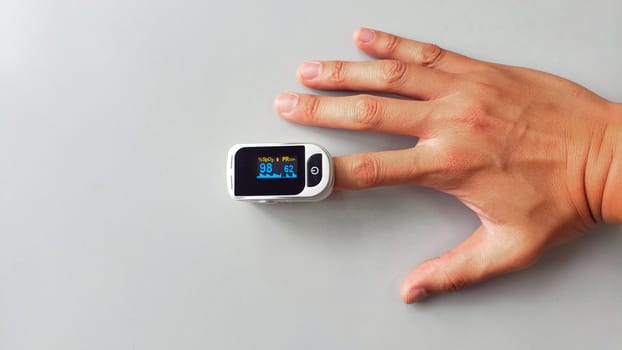
Sleep oximetry is often used to evaluate breathing-related sleep problems by tracking oxygen saturation (SpO2) during the night. From these data, clinicians and researchers frequently derive the oxygen desaturation index (ODI), which counts how often oxygen levels drop by a defined amount within a time window. When the goal is symptom understanding—such as persistent daytime sleepiness, morning headaches, or concerns about nocturnal breathing—measurement accuracy becomes central.
However, “accuracy” in sleep SpO2 ODI measurement is not a single number. It depends on the device hardware, the algorithm used to detect desaturation events, sensor placement and contact quality, patient physiology, and even how artifacts are handled. This article explains what influences sleep SpO2 ODI measurement accuracy, how to recognize when results may be unreliable, and what practical steps can improve the quality of data.
What SpO2 and ODI measure (and what they do not)
SpO2 is an estimate of arterial oxygen saturation (SaO2) produced by a pulse oximeter. It uses differential light absorption in red and infrared wavelengths to infer blood oxygenation, synchronized with the pulsatile component of blood flow. Importantly, SpO2 is a proxy; it estimates oxygen saturation rather than directly measuring it.
ODI is derived from the SpO2 time series. A typical definition counts the number of desaturation events where SpO2 drops by a specified threshold (for example, 3% or 4%) from a preceding baseline, occurring within a specified minimum separation time (commonly 10–120 seconds depending on the system and clinical convention). Because ODI is algorithm-driven, differences in settings can change the ODI value even if the underlying oxygen trace is similar.
ODI does not measure respiratory effort directly and cannot distinguish between all causes of desaturation (such as hypoventilation, airway obstruction, diffusion impairment, or cardiopulmonary disease). For symptom-guided evaluation, ODI is best interpreted as a marker of oxygen desaturation frequency, not as a complete diagnosis.
How pulse oximetry accuracy is affected during sleep
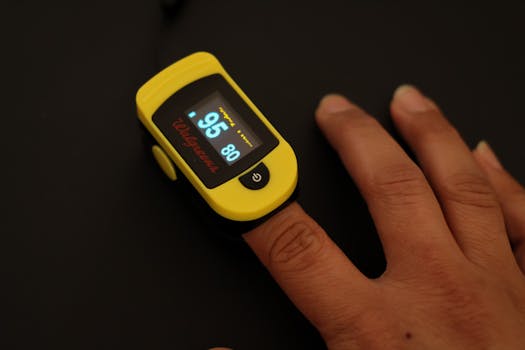
Sleep conditions create challenges for pulse oximetry. Motion, variable perfusion, and changes in sensor contact can increase error. Several factors are especially relevant:
- Motion artifact: Hand and finger movement, rolling over, or restless sleep can distort the pulse signal and lead to false desaturation events or missed drops.
- Low perfusion: Cold extremities, dehydration, or poor peripheral circulation can weaken the pulsatile signal. When the device struggles to detect a stable pulse waveform, SpO2 estimates become less reliable.
- Sensor fit and placement: Loose placement, incorrect orientation, or covering part of the sensor can reduce signal quality. Even small changes in finger position can matter.
- Skin pigmentation and nail characteristics: Some oximeters can be more sensitive to interference from skin tone, thick or artificial nails, or external light exposure depending on the device’s optical design.
- Ambient light and external interference: Bright light, direct sunlight through a window, or strong room lighting can introduce optical noise if the sensor is not effectively shielded.
- Physiologic factors: Conditions affecting hemoglobin (for example, carboxyhemoglobin or methemoglobin), severe arrhythmias, or very low oxygen saturation can introduce systematic bias in SpO2 estimation.
Because of these factors, two nights of measurement on the same person can yield different ODI values—not only because of true physiologic variation, but also due to varying signal quality.
What determines sleep SpO2 ODI measurement accuracy in practice
ODI accuracy depends on both the SpO2 measurement and the event-detection algorithm. Key contributors include:
1) Signal quality and artifact handling
Many sleep oximetry systems include a quality metric or internal signal validation. If motion or poor perfusion causes unreliable SpO2 readings, some systems may temporarily mark data as invalid, while others may attempt to interpolate or smooth. Event detection performed on noisy data can create false ODI counts.
When reviewing results, look for indications of low signal quality, time segments flagged as unreliable, or unusually frequent “events” that do not match symptom patterns.
2) Desaturation threshold and time window
ODI depends on the chosen threshold (e.g., 3% vs 4% drop) and the minimum time between events. A lower threshold can increase ODI by counting smaller, potentially transient drops. A different time separation rule can also change the number of events counted as distinct.
Therefore, “ODI” from one device or report may not be directly interchangeable with “ODI” from another system if definitions differ.
3) Baseline calculation and smoothing
Some algorithms estimate a baseline SpO2 level and then detect deviations. Others use smoothing filters to reduce noise. Baseline and smoothing choices affect whether brief dips are counted as desaturations, especially when the trace is unstable.
4) Heart rate and pulse waveform irregularity
Pulse oximeters rely on a pulsatile component. If heart rhythm is irregular, or if the pulse waveform is weak, the device may have difficulty separating signal from noise. The result can be either undercounting true desaturation events or overcounting artifact-related dips.
Common reasons ODI may look abnormal when it is not
In symptom-focused evaluation, it is tempting to treat a high ODI as definitive. Yet several non-breathing-related issues can inflate ODI:
- Sensor motion: Repeated finger movement can create rapid SpO2 fluctuations that cross the desaturation threshold.
- Loose or shifting sensor contact: A slowly changing contact can create step-like changes in the signal.
- Cold hands or poor perfusion: SpO2 may become unstable, producing apparent drops.
- External light interference: If the sensor is not properly seated, optical noise can mimic desaturation patterns.
- Baseline instability: When the device has difficulty establishing a stable baseline, normal variability can be misclassified as events.
If the ODI is high but symptoms are mild or inconsistent, or if the report shows substantial time with reduced signal quality, accuracy concerns should be considered before drawing strong conclusions.
Common reasons ODI may be falsely low
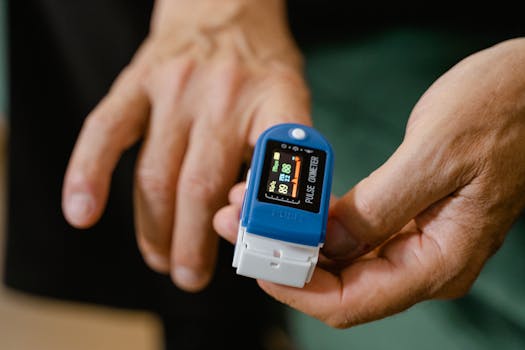
It is also possible for ODI to underestimate desaturation burden:
- Missed events due to smoothing: Some algorithms smooth the trace, potentially blending short desaturation events into the baseline.
- Dropouts from poor signal: When data are invalid or gaps occur during desaturation periods, events may not be detected.
- Threshold mismatch: If the device’s ODI definition uses a higher threshold than the patient’s typical desaturations, fewer events may be counted.
- Peripheral sensor limitations: Finger probes can be less reliable in people with low peripheral perfusion, particularly during sleep.
In these cases, a “normal” ODI does not always rule out clinically meaningful sleep-disordered breathing, especially if symptoms persist.
Practical steps to improve sleep SpO2 ODI measurement accuracy at home
Improving measurement quality can reduce artifact and improve confidence in ODI-derived interpretations. Consider these practical steps:
- Choose consistent placement: If you use a finger device, keep the sensor on the recommended finger and ensure it is fully seated. Avoid placing it over nail polish or artificial nails if the device guidance discourages it.
- Warm the hands: If cold can be an issue, warm the hands before starting the test. Cold extremities can reduce pulse strength.
- Minimize motion during setup: After placing the sensor, remain still briefly until the device registers a stable signal.
- Secure cables and avoid tension: Movement of the device or cable can tug on the probe and cause shifts in contact.
- Reduce external light exposure: Ensure the sensor area is not exposed to direct bright light. A dark room can help.
- Follow the device’s wearing schedule: Start at the planned time and avoid removing the sensor early. Incomplete recordings can bias ODI.
- Use the same conditions for repeat nights: If you are comparing measurements across nights, keep factors like sensor placement and timing consistent to reduce variability.
Some systems integrate a signal quality score or show whether the device detected stable perfusion. If your report includes a quality indicator, treat it as part of the diagnostic context rather than as an afterthought.
How to interpret ODI with an “accuracy lens”
ODI interpretation is most useful when you consider context:
- Look for internal consistency: Do desaturation events occur in clusters that align with sleep cycles, rather than scattered one-off dips that might be artifact?
- Consider the oxygen nadir and duration: A single brief dip may not carry the same meaning as repeated drops with sustained low oxygen saturation.
- Check whether the report flags poor signal time: If a large portion of the recording has low confidence, ODI may be less trustworthy.
- Match to symptoms and history: Symptoms such as witnessed apneas, choking/gasping, or morning headaches increase the clinical relevance of oxygen desaturation patterns.
- Account for comorbidities: Lung disease, heart disease, anemia, or altitude exposure can affect oxygen saturation independent of obstructive events.
When results are borderline or inconsistent, repeat testing or confirmatory evaluation may be appropriate, particularly if symptoms remain concerning. The key point is not to dismiss ODI outright, but to interpret it as a measurement with known limitations.
When to treat measurement accuracy as a clinical priority
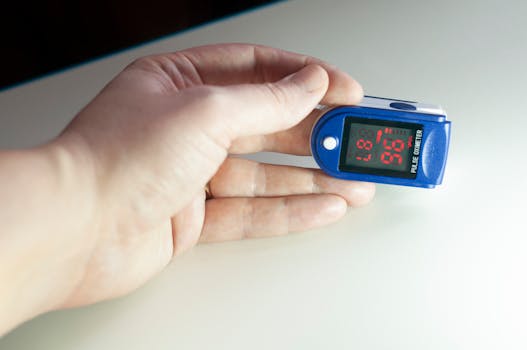
Accuracy concerns deserve heightened attention in specific situations:
- Persistent symptoms despite “normal” ODI: If daytime sleepiness, witnessed breathing pauses, or other red-flag symptoms persist, a low ODI may not fully exclude sleep-disordered breathing.
- Very high ODI with weak signal quality: If the device reports substantial artifact or poor perfusion, the ODI may be inflated.
- Known conditions affecting oxygen saturation: People with significant cardiopulmonary disease may have desaturations from multiple mechanisms, complicating interpretation.
- Frequent sensor dislodgement: If you repeatedly find the device shifted during the night, data accuracy may be compromised.
In these cases, clinicians often weigh oximetry findings alongside other information such as sleep history, physical exam, and—when needed—more comprehensive sleep testing.
Summary: improving confidence in sleep SpO2 ODI measurement accuracy
Sleep SpO2 ODI measurement accuracy is shaped by more than the device itself. Motion, perfusion, sensor fit, ambient light, and physiologic factors can degrade the SpO2 waveform. On top of that, ODI depends on algorithm choices such as desaturation threshold, event separation rules, baseline handling, and smoothing. Because of these layers, ODI should be interpreted with attention to signal quality and clinical context.
For practical symptom-guided use, focus on obtaining high-quality recordings: ensure proper sensor placement, keep hands warm, reduce light interference, and aim for complete nights. If ODI results conflict with symptoms or show evidence of poor signal quality, treat the measurement as uncertain rather than definitive.
Ultimately, accurate oximetry supports better clinical decisions, but it works best when its limitations are understood and when results are integrated with the broader picture of sleep and health.
20.03.2026. 01:03