

Telogen Effluvium Troubleshooting: Fix the Cause and Regain Control

What telogen effluvium looks like (and what to watch for)
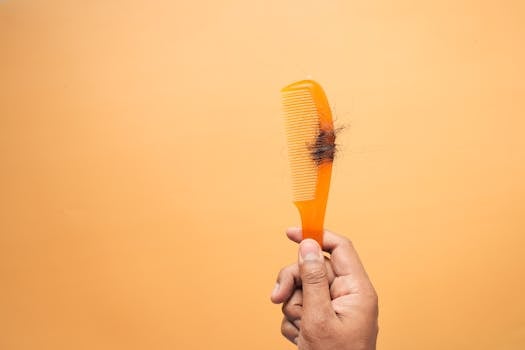
Telogen effluvium is a common, usually reversible shedding pattern where more hair than normal shifts into the resting (telogen) phase. The result is diffuse hair shedding rather than patchy loss. People often notice increased hair on the pillow, in the shower, or during brushing, sometimes several months after a trigger.
Typical signs include:
- Diffuse shedding across the scalp, often without clear bald patches
- Increased hair in drains and on clothing rather than isolated areas
- Timing that follows an event such as illness, major stress, surgery, childbirth, or medication changes—often 2–4 months later
- Hair density feels lower, while the scalp skin usually looks normal
- Regrowth over time if the trigger is corrected, though it can take months
Because telogen effluvium can overlap with other hair-loss conditions, troubleshooting starts with confirming the pattern and excluding red flags. If you have scalp pain, burning, thick scaling, pus, or rapidly progressing patchy hair loss, treat that as a different problem and seek medical evaluation promptly.
Most likely causes behind telogen effluvium
Telogen effluvium troubleshooting is most effective when you focus on the trigger. Shedding usually reflects what happened earlier, not what’s happening today.
Common triggers include:
- Recent illness or high fever (including COVID-19 and other viral infections)
- Major physical stress such as surgery, significant injury, or hospitalization
- Emotional stress that is intense or prolonged
- Childbirth and postpartum hormonal shifts
- Medication changes such as retinoids, some antidepressants, anticoagulants, thyroid-related drugs, and others
- Low iron stores (often reflected by ferritin), even when hemoglobin is normal
- Thyroid dysfunction (both hypothyroidism and hyperthyroidism)
- Rapid weight loss, restrictive dieting, or inadequate protein intake
- Nutrient deficiencies including zinc or vitamin D in some cases
- Chronic inflammation or systemic illness such as autoimmune disease or uncontrolled diabetes
Less commonly, telogen effluvium can be fueled by ongoing scalp inflammation (for example, seborrheic dermatitis) or by hair practices that increase breakage. In those situations, shedding may coexist with mechanical damage, which changes the troubleshooting route.
Step-by-step telogen effluvium troubleshooting and repair process

Use this sequence to narrow down the cause and choose the right fix. The key is to reduce the trigger load while supporting regrowth. Hair cycles move slowly, so consistency matters.
Step 1: Confirm the pattern and timing
Write down when shedding started and what changed 2–4 months before. Telogen effluvium often begins after a delayed lag. Note any of the following during that window:
- Fever, viral illness, or hospitalization
- New medications or dose changes
- Pregnancy/postpartum
- Major stress event or surgery
- Diet changes, rapid weight loss, or reduced protein intake
- Significant life changes that affected sleep and nutrition
Also observe whether hair loss is truly diffuse. If you see widening part lines with miniaturization (thinner hair shafts), you may be dealing with androgenetic alopecia alongside shedding. If you see patchy loss, scale, or scalp tenderness, prioritize evaluation for other diagnoses.
Step 2: Check for breakage versus shedding
Telogen effluvium is primarily shedding from the root, not breakage. Compare what you collect:
- Shedding: hairs often have a small bulb at one end.
- Breakage: shorter fragments without a bulb; often linked to heat styling, chemical processing, tight hairstyles, or rough detangling.
If breakage is prominent, switch troubleshooting from “cause of shedding” toward “damage reduction” while still addressing potential triggers. Gentle handling is not a substitute for correcting iron or thyroid issues, but it prevents additional loss.
Step 3: Do a quick scalp assessment
Look for signs of scalp inflammation that can worsen shedding:
- Itching or flaking
- Greasy scale (common with seborrheic dermatitis)
- Redness or irritation
- Thick scale or crusting
Scalp inflammation doesn’t automatically mean telogen effluvium, but controlling it can reduce ongoing shedding. If you have severe symptoms, painful lesions, or hair loss that looks patchy, seek professional assessment rather than self-treating indefinitely.
Step 4: Start the simplest stabilizing fixes (do these first)
These steps won’t address every root cause, but they remove common “amplifiers” of shedding while you investigate triggers.
- Be consistent with gentle washing and conditioning. Avoid aggressive scrubbing of the scalp. Use lukewarm water.
- Reduce mechanical stress. Limit tight hairstyles, minimize heat, and detangle with care.
- Improve protein intake. Aim for adequate daily protein; if you’re vegetarian or vegan, ensure you’re meeting protein needs with varied sources (legumes, tofu/tempeh, dairy/eggs if used).
- Correct sleep and stress where possible. Stress won’t be the only cause, but improving recovery supports overall hair cycling.
- Stop crash dieting. If you’re restricting calories, scale back to a sustainable plan.
If you have visible flaking or scalp oiliness, consider an anti-dandruff shampoo as part of troubleshooting. Products containing ketoconazole or zinc pyrithione can help control seborrheic dermatitis in many people. Use it according to label directions and allow 4–8 weeks to judge effect, since scalp inflammation can influence shedding cycles.
Step 5: Evaluate nutrition and medical drivers with targeted testing
Telogen effluvium troubleshooting often requires lab work. The goal is not to “guess,” but to identify correctable contributors.
Common tests to discuss with a clinician include:
- Ferritin (iron stores) and sometimes iron/TIBC
- Complete blood count (anemia check)
- TSH and sometimes free T4 (thyroid)
- Vitamin D (context dependent)
- Zinc if dietary intake is low or symptoms suggest deficiency
- B12 if diet is restricted or there are neurologic symptoms
Interpretation matters. For example, ferritin can be low-normal and still contribute to shedding in some individuals. A clinician can determine whether treatment is appropriate and safe based on your labs and history.
Step 6: Review medications and recent events
If shedding began after starting or changing a medication, don’t stop prescriptions on your own. Instead, document the timing and ask the prescribing clinician whether the medication is a plausible trigger and whether an alternative exists. Similarly, if you had a recent infection or surgery, note the date and follow up when the shedding should start to taper.
Step 7: Implement a structured timeline for hair cycle recovery
Hair doesn’t regrow on a weekly schedule. After you correct a trigger, shedding often continues for a while because the hair currently in telogen is already “committed.” A practical troubleshooting timeline:
- 0–2 months: shedding may persist; focus on correcting triggers and minimizing amplifiers
- 2–4 months: gradual improvement may begin if the trigger is resolved
- 4–6 months: more noticeable recovery in density for many people
- 6–12 months: full recovery is possible, especially for a single, resolved trigger
If shedding continues beyond 6–12 months without improvement, or if triggers are ongoing, troubleshooting needs to go deeper.
Solutions from simplest fixes to more advanced fixes
Use these in order. Move to the next step when the current one isn’t producing improvement within a reasonable timeframe.
1) Reduce shedding triggers you can control immediately
- Maintain adequate protein and calories (avoid restrictive diets).
- Minimize heat, chemical processing, and tight hairstyles.
- Be gentle during washing and detangling.
- Address scalp irritation with appropriate anti-dandruff strategies if you have flaking.
If you choose an anti-dandruff shampoo, give it time. If you notice worsening irritation, stop and reassess—contact dermatitis or over-drying can create additional shedding through breakage.
2) Correct iron and thyroid issues if tests confirm them
This is where telogen effluvium troubleshooting often becomes “repair” rather than “support.” If ferritin is low, clinicians may recommend iron supplementation and recheck labs after an interval. If thyroid levels are abnormal, treating the thyroid disorder can significantly improve shedding over time.
Do not start iron at high doses without guidance, because iron overload can be harmful. Use your results to guide treatment decisions.
3) Address postpartum or hormonal timing thoughtfully
Postpartum shedding can be dramatic but often follows a predictable course. Troubleshooting focuses on nutrition, sleep support where possible, and controlling scalp inflammation if present. If you have symptoms of thyroid dysfunction postpartum (fatigue beyond expected, temperature intolerance, palpitations), request thyroid testing.
Hormonal changes can also coexist with other hair-loss conditions. If you notice progressive thinning at the crown with miniaturization, ask about androgenetic alopecia alongside telogen effluvium.
4) Treat underlying scalp conditions that mimic or worsen shedding
Telogen effluvium can be accompanied by seborrheic dermatitis, psoriasis, or other inflammatory scalp disorders. If you have persistent itch, redness, or thick scale, troubleshooting should include targeted scalp care and, when needed, medical treatment. Ongoing inflammation can keep hairs in a stressed state and prolong shedding.
5) Consider medication-related telogen effluvium with clinician input
If a medication is a likely trigger, the best “fix” may be dose adjustment or substitution. Troubleshooting here is about balancing hair concerns with overall health needs. Keep a timeline of start/change dates and shedding onset to support decision-making.
6) Use hair-growth support only as part of a broader plan
For many people, hair regrowth happens naturally once the trigger is resolved. However, if shedding is prolonged or mixed with other patterns, clinicians sometimes consider therapies that support regrowth. The right approach depends on whether the loss is purely telogen shedding or includes patterned hair loss.
Topical minoxidil is sometimes used in hair-loss conditions, but it should be discussed in context. If you use it, expect a possible initial increase in shedding for some users and follow appropriate guidance for your situation.
When replacement, escalation, or professional help is necessary
Telogen effluvium is usually temporary, but troubleshooting should not ignore persistent or unusual features.
Seek professional help sooner if you have:
- Patchy or rapidly progressive hair loss
- Scalp pain, burning, or significant inflammation
- Thick scale, sores, or oozing
- Extensive hair loss in a short period without an obvious trigger
- Systemic symptoms such as weight change, heat/cold intolerance, severe fatigue, or abnormal bleeding
- Known autoimmune disease or recent significant illness with ongoing symptoms
Escalate troubleshooting if shedding doesn’t improve
If you’ve corrected likely triggers and you’re still shedding heavily after 6–12 months, professional evaluation is warranted. At that point, clinicians may recommend further labs, review for mixed diagnoses, and sometimes use diagnostic tools such as dermoscopy or, in select cases, scalp biopsy to clarify what’s happening.
Replacement considerations
“Replacement” in telogen effluvium usually means replacing what’s missing—nutrients, corrected hormone imbalance, or treated scalp inflammation. It does not mean permanent hair replacement is the first step. If hair density remains substantially reduced after appropriate medical troubleshooting and a sufficient recovery timeline, discuss realistic options with a healthcare professional or dermatologist. The priority remains confirming the cause so any long-term plan targets the correct mechanism.
For most people, the outcome is favorable when the trigger is identified and addressed. Your troubleshooting success improves when you combine accurate timing, careful scalp and breakage assessment, targeted lab work, and consistent supportive hair care over the full hair-cycle timeline.
18.02.2026. 07:11