

Hair Shedding vs Breakage: How to Tell and What to Do Next

Overview: what you’re seeing and why it matters
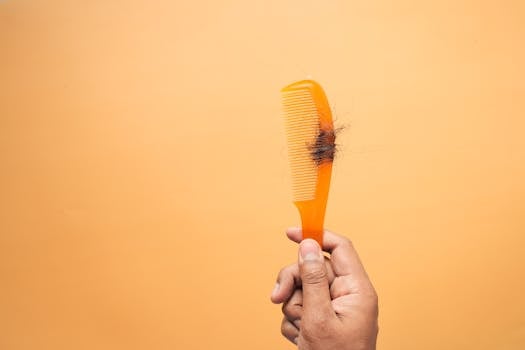
If you notice more hair on your brush, in the shower, or on your pillow, it can feel alarming. The key is that “more hair coming out” can mean two different problems: hair shedding (hair follicles releasing full strands) or hair breakage (short pieces snapping along the shaft). The difference changes the likely cause and the best fix.
Hair shedding often looks like full-length strands with a root or tapered end. Breakage typically looks like shorter fragments, uneven lengths, and increased flyaways or a rough texture. Because both can happen at the same time, the goal is to sort out which process is dominant and then troubleshoot the triggers—scalp, nutrition, hormones, styling habits, or chemical/heat damage.
Most likely causes of shedding vs breakage
Common causes of hair shedding
Shedding usually points to what’s happening at the scalp and follicle cycle. Common drivers include:
- Telogen effluvium: shedding that starts 2–4 months after stressors such as illness with fever, surgery, major life stress, rapid weight loss, or postpartum changes.
- Androgen-related thinning: gradual thinning often with a widening part or reduced density at the crown.
- Scalp inflammation: dandruff/seborrheic dermatitis, psoriasis, or chronic irritation can increase shedding.
- Medication or hormonal changes: some prescriptions, discontinuing hormonal contraception, and thyroid imbalance can contribute.
- Low iron or other nutrient deficiencies: especially low ferritin/iron, which can be associated with diffuse shedding.
Common causes of hair breakage
Breakage usually points to damage to the hair shaft. Typical triggers include:
- Heat styling without protection: repeated high-heat drying, flat ironing, or curling.
- Chemical services: bleaching, relaxing, permanent dye, or frequent lightening.
- Mechanical stress: tight hairstyles, rough towel drying, aggressive detangling, or sleeping on unprotected hair.
- Dryness and porosity: hair that’s rough, overly dry, or overly porous snaps more easily.
- Over-washing or harsh cleansing: stripping the scalp/hair can increase tangling and friction-related breakage.
Step-by-step troubleshooting: confirm whether it’s shedding or breakage

Step 1: Inspect the hair end after shedding
Collect a small sample from your brush, shower drain, or floor. Look closely at the ends:
- More full-length strands that look similar in length and have a small bulb/root at one end are more consistent with shedding.
- Short, uneven pieces (often different lengths) suggest breakage.
- Mixed results are common—scalp shedding can coexist with shaft damage.
Step 2: Check if your overall length is shrinking
Breakage often shows up as slower growth in practice. If your hair doesn’t seem to lengthen between trims—or you see a “see-through” look at the ends—breakage is likely contributing.
Shedding may reduce density without necessarily making hair appear shorter at the same rate.
Step 3: Look for texture changes and tangling
Run your fingers through your hair. Breakage tends to come with:
- Roughness or “snaggy” strands
- More tangles after washing
- More flyaways and short pieces near the hairline
- Split ends or fraying
Step 4: Assess scalp symptoms
Shedding is more likely when the scalp is inflamed or reactive. Note:
- Itching, burning, tenderness, or flaking
- Greasy or stubborn dandruff
- Visible redness
- Patchy loss
Step 5: Track timing over 8–12 weeks
Telogen effluvium and other shedding triggers follow a delay. If shedding began weeks after a clear event (illness, stress, childbirth, diet change), shedding becomes more likely. Breakage can happen immediately after a damaging styling routine or chemical service.
Start with the simplest fixes (do these first)
Fix 1: Reduce friction and mechanical stress for 2–3 weeks
- Detangle with conditioner in the shower using a wide-tooth comb.
- Pat hair dry with a microfiber towel or soft T-shirt (avoid vigorous rubbing).
- Use gentle handling when wet; hair stretches and snaps more easily.
- Avoid tight ponytails, braids, and slick styles that pull at the roots.
- Consider a satin/silk pillowcase to reduce overnight snagging.
Fix 2: Add shaft protection if breakage seems dominant
When the problem is breakage, the goal is to reduce friction, improve slip, and support the hair’s moisture and elasticity. After washing, use a conditioner consistently and consider a leave-in conditioner for detangling and softening.
If you use heat, apply a heat protectant every time you blow-dry or style. Heat protectants are designed to lower direct thermal impact, which can reduce snap-back and split ends over time.
For ends that feel dry or brittle, a small amount of lightweight oil or serum can help reduce friction. Use sparingly to avoid buildup at the scalp.
Fix 3: Adjust washing and scalp care if shedding seems dominant
Don’t stop washing abruptly, especially if you have scalp flaking or oil buildup. Instead, aim for a balanced routine that keeps the scalp calm.
- If you have dandruff or greasy flakes, a medicated anti-dandruff shampoo (such as those containing ketoconazole, selenium sulfide, or zinc pyrithione) used according to label directions can reduce inflammation that contributes to shedding.
- Massage gently with fingertips; avoid aggressive scrubbing.
- Condition mainly mid-lengths to ends, not the scalp.
Fix 4: Pause the most damaging practices
For troubleshooting, temporarily reduce variables that cause rapid breakage:
- Limit flat ironing/curling to fewer days per week
- Skip bleaching/relaxing or harsh color corrections until hair stabilizes
- Use lower heat settings and shorter exposure times
Next-level troubleshooting: targeted adjustments based on what you found
If it’s mostly shedding: stabilize the scalp and check internal triggers
If your sample points to shedding (full strands) and you also notice scalp irritation or increased diffuse thinning, focus on two tracks: scalp inflammation control and underlying causes.
- Give scalp care a real trial window: medicated dandruff shampoos and anti-inflammatory routines often need several weeks to show improvement.
- Review recent timeline: illness, fever, major stress, postpartum changes, new medications, and rapid dieting can all trigger telogen effluvium.
- Consider lab testing through a clinician: ask about ferritin/iron, thyroid markers, and vitamin deficiencies if shedding is persistent or severe.
For pattern thinning (for example, a widening part or crown thinning), a dermatologist can assess whether androgen-related hair loss is involved. Treatments differ from those used for breakage.
If it’s mostly breakage: rebuild elasticity and reduce snap
If your sample is mostly short fragments and your hair feels dry, rough, or tangly, your repair plan should prioritize shaft conditioning and less mechanical strain.
- Use conditioner every wash and detangle gently.
- Consider a targeted deep conditioner 1–2 times per week for a short trial period to improve softness and reduce friction.
- Limit protein overload: some hair “bond” or protein-heavy routines can help damaged hair, but too much can make hair feel stiff and increase snapping. If you’ve recently added multiple strengthening products, simplify for a few weeks.
- Trim split ends: split ends can travel upward and create ongoing breakage. Small trims can improve how the hair behaves even if they don’t “stop growth.”
Solutions from simplest to more advanced (what to escalate and when)
Level 1: Behavioral repair (first 2–4 weeks)
- Reduce tension styles and gentle detangling only when conditioned
- Use heat protectant and lower heat settings
- Switch to microfiber/towel patting and satin/silk sleep protection
- Condition consistently; protect ends from friction
Level 2: Routine repair (4–8 weeks)
- If scalp inflammation is present, use an anti-dandruff or anti-inflammatory shampoo consistently for the recommended timeframe.
- If breakage is dominant, add a leave-in conditioner and consider a deep conditioner schedule that doesn’t overwhelm the hair.
- Track shedding/breakage visually: do you see fewer short fragments, less roughness, or reduced tangling?
Level 3: Targeted medical evaluation (when to involve a clinician)
Escalate when the issue doesn’t improve or when the pattern suggests more than damage or routine triggers.
- Rapid, heavy shedding lasting beyond 3–4 months after a trigger
- Visible scalp changes (significant redness, scaling, pain, or patchy loss)
- Thinning at the crown or widening part that progresses
- Signs of deficiency (fatigue, dizziness, brittle nails) alongside shedding
A dermatologist can examine the scalp, rule out inflammatory conditions, and identify whether androgen-related hair loss, chronic telogen effluvium, or another cause is driving the shedding.
When replacement or professional help is necessary
“Replacement” doesn’t mean buying solutions—it means deciding whether your hair issue requires formal treatment rather than at-home adjustments.
Professional help is warranted sooner if you see these red flags
- Patchy bald spots or sudden uneven areas
- Scalp pain, pustules, or thick scale
- Severe itching/burning that doesn’t respond to gentle scalp care
- Hair loss with systemic symptoms (unexplained weight changes, heavy menstrual changes, persistent fatigue)
Consider a hair-loss evaluation if shedding continues despite scalp/shaft fixes
If you’ve reduced breakage behaviors and stabilized scalp care for 8–12 weeks but shedding remains heavy, it’s time to evaluate internal and follicle-cycle causes. Clinicians may recommend bloodwork and, when appropriate, therapies for hair shedding and thinning.
If breakage is the main issue, “repair” may be enough—but be realistic
Hair shafts can be strengthened, but damaged ends won’t fully reverse. If you’re seeing ongoing short fragments and split ends despite gentler handling and conditioning, you may need periodic trims and a longer repair window to let healthier hair replace the damaged portions.
How to tell what’s improving during your troubleshooting window
During the next 4–8 weeks, use practical checkpoints rather than guesses:
- For shedding: fewer full-length strands in the shower/brush and less diffuse thinning.
- For breakage: fewer short pieces, less roughness, improved detangling, and fewer tangles at the ends.
- For both: reduced density loss plus smoother, more manageable hair texture.
If the dominant issue doesn’t shift in the direction you expect, revisit your diagnosis steps: re-check the ends of shed hair, reassess scalp symptoms, and confirm whether recent styling/chemical/heat exposures correlate with the changes you’re seeing.
28.01.2026. 01:26