

Breathwork After Sex for Recovery: A Step-by-Step Guide

Explanation: What you’re trying to achieve with breathwork after sex

After sex, your body often shifts quickly—physically, hormonally, and emotionally. Even when you feel good, your nervous system may still be running at a higher intensity than you realize. The goal of breathwork after sex for recovery is to guide your system back toward balance: downshift from arousal to calm, support circulation and muscle recovery, and help you transition into rest without feeling “wired” or emotionally flat.
Done well, a short breathwork routine can help you:
- Reduce residual stress and adrenaline
- Bring your breathing pattern back to a comfortable rhythm
- Support pelvic floor relaxation and overall bodily ease
- Improve post-intimacy grounding so you feel steady, not scattered
- Create a smoother pathway into sleep or deeper relaxation
You don’t need a long practice. A focused 8–15 minute session is usually enough to notice a difference, especially on nights when you want to recover quickly or feel emotionally sensitive afterward.
Preparation: Set up your space and choose a simple routine
Before you start, make your environment easy. You’re aiming for comfort and consistency, not performance.
Required setup
- Time: 8–15 minutes total (choose one routine below)
- Posture: Lie down on your back or sit reclined with support
- Temperature: Keep the room comfortably warm (cool air can make breathing feel tight)
- Hydration: Have a glass of water nearby
- Optional: A blanket for warmth and a pillow under your knees
Tools that can help
- Timer: Use your phone timer for intervals (no need to watch the clock)
- Breath cues: A printed note or saved phone reminder with the steps
- Comfort aids: If you tend to get restless, a weighted blanket can support stillness
Choose your routine based on how you feel
- If you feel energized or “revved up”: Use the longer exhale and slow nasal breathing routine
- If you feel tense, anxious, or emotionally stirred: Use the downshift + body scan routine
- If you feel heavy or disconnected: Use the gentle breathing + grounding routine
Real-world scenario: Imagine it’s late, you’ve just finished, and you’re lying there scrolling because your body won’t fully settle. You start with 5 minutes of slow nasal breathing with longer exhales. Within a few cycles, your shoulders drop and your mind quiets. Then you move into a short body scan and finish with a 2-minute stillness. That’s the kind of “recovery” this is designed for.
Step-by-step: Breathwork after sex for recovery (8–15 minutes)
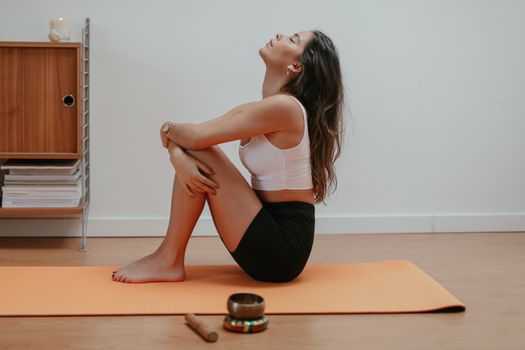
Follow these steps in order. If anything feels uncomfortable—lightheadedness, tight chest, or rising panic—stop and return to normal breathing.
Step 1: Give your body a 30–60 second transition pause
Before you begin any structured breathing, take a brief pause. You’re telling your system: “We’re done with intensity; we’re switching gears.”
- Lie down or sit reclined.
- Let your hands rest on your lower ribs or belly.
- Inhale naturally through your nose.
- Exhale naturally through your mouth, slightly slower than the inhale.
Do this for 1 minute. Don’t force it. Just notice what your breathing is doing right now.
Step 2: Settle into nasal breathing with a longer exhale (3–5 minutes)
This is the core recovery move. Longer exhales help your nervous system shift toward calm.
- Inhale through your nose for 3 seconds.
- Exhale slowly through your nose or mouth for 5–6 seconds.
- Keep your jaw loose and your shoulders down.
Repeat for 3–5 minutes. Aim for smoothness, not big breaths.
Practical cue: If your exhale feels strained, shorten the inhale to 2 seconds and keep the exhale comfortable at 4–5 seconds.
Step 3: Add a gentle “breath hold” only if it feels easy (optional, 1–2 minutes)
Some people benefit from a brief pause after the inhale, but it should never feel forced.
- Inhale through your nose for 3 seconds.
- Pause for 1 second (optional).
- Exhale for 6 seconds.
If you feel any dizziness, skip this step entirely and return to Step 2.
Step 4: Release your pelvic area with “soft belly” breathing (2–3 minutes)
After sex, many people carry tension in the pelvic floor and deep core. You’re not trying to “do” anything with your pelvic muscles—you’re inviting them to soften.
- Place one hand on your belly and one on your lower ribs.
- On the inhale, let your belly expand gently.
- On the exhale, imagine the belly melting downward and inward—like warm water.
- Keep the exhale slightly longer than the inhale.
Do 10–15 slow breaths. If you feel uncomfortable, reduce the range of motion and return to your natural breathing.
Step 5: Do a 60-second body scan from head to pelvis
Breathwork helps, but recovery also depends on awareness. A short scan helps you notice where tension lingers.
- With each exhale, relax your forehead, jaw, and tongue.
- Move attention to your neck and shoulders.
- Then your chest and upper back.
- Finish by dropping attention into your abdomen and pelvis.
Use the exhale as your “release signal.” You’re not chasing relaxation—you’re allowing it.
Step 6: Choose a calming finish: 2–3 minutes of “physiological sigh” breathing
The physiological sigh is a quick way to downshift. It’s simple and effective for many people.
- Inhale through your nose
- Take a second small inhale on top of the first (a “double inhale”)
- Exhale slowly through your mouth
Repeat for 6–10 cycles. Keep it gentle. If your throat feels tight, reduce the second inhale or return to Step 2.
Step 7: Close with 1–2 minutes of stillness
After you finish the breathing pattern, don’t immediately move or start thinking. Let your body integrate.
- Lie still.
- Allow breathing to return to normal.
- Relax your hands and fingers.
- Notice the sensation of warmth, heaviness, or quiet.
If you fall asleep, that’s a win. If you’re not sleepy, just stay calm and grounded for the remaining minute.
Common mistakes: What to avoid during breathwork after sex
Breathwork is powerful, but a few missteps can make it feel unpleasant or even counterproductive.
- Over-breathing (trying to force big breaths): If you’re taking oversized inhales, you may feel lightheaded. Keep breaths smaller and slower.
- Exhaling too aggressively: A hard, forceful exhale can create tension in the chest. Aim for smooth, unforced control.
- Breath holding beyond comfort: If you add a pause, keep it at 1 second max. Skip it if you feel any strain.
- Doing it right when you’re still emotionally activated: If you’re arguing, crying, or highly stimulated, start with a 1-minute pause (Step 1) and then do gentle nasal breathing only.
- Ignoring hydration and bathroom needs: A full bladder or dehydration can make you feel restless. Keep water nearby and use the bathroom beforehand when possible.
- Practicing lying flat if you get reflux: If you’re prone to heartburn, elevate your upper body slightly with a pillow.
- Turning it into a “performance”: Recovery should feel easy. Your job is to guide, not conquer.
Additional practical tips and optimisation advice
Once you have the basic routine, you can refine it for your body and your nights. Small tweaks often make the biggest difference.
Time your breathwork to match your goal
- For sleep: Do the 8–12 minute routine right after sex, before you shower or scroll for too long.
- For emotional settling: Spend an extra minute on the body scan (Step 5).
- For physical recovery: Add 1–2 minutes of soft belly breathing (Step 4) and focus on relaxing your lower abdomen.
Use a “post-intimacy cue” to make it automatic
Consistency helps. Pick one cue that tells you it’s time to start. Examples:
- When you switch off the lights
- When you put on a sleep shirt
- When you pour water
Then you start the routine. Your nervous system learns faster when the sequence is predictable.
Try a simple variation for different experiences
Not every sexual experience leaves you the same way. Your breathwork can adapt.
- If you feel calmer already: shorten the routine to 6–8 minutes and skip Step 6.
- If you feel wired or restless: repeat Step 2 for 6–7 minutes instead of 3–5.
- If you feel emotionally sensitive: emphasize Step 5 (body scan) and keep the breathing gentle.
Mind the environment: reduce stimulation
Breathwork works better when your surroundings don’t keep pushing your system upward.
- Lower the lights or dim them.
- Keep screens off or at minimum brightness.
- Use a fan or warm room to avoid shivering (which can interrupt breathing).
Consider supportive products softly (optional)
You don’t need special equipment, but a few items can make the practice easier and more consistent:
- Weighted blanket: Many people find it helps them stay still during the integration phase. Look for a weight that feels comfortable for you (often in the range of 10% of body weight, but choose what feels right).
- A calming aromatherapy option: If you already like scents, a mild, non-irritating option can help you “switch modes.” Keep it subtle—too much fragrance can bother sensitive users.
- Breathwork audio timer: If you use guided tracks, choose ones that emphasize slow nasal breathing and longer exhales, and keep the session short.
If you try any product, treat it as a comfort tool—not a requirement. The breath pattern is the main driver.
Keep safety in mind
Breathwork is generally safe when you keep it gentle. Still, use caution if you have:
- Asthma or breathing disorders
- Heart conditions
- Frequent panic attacks
- Pregnancy (you may need a modified approach)
If any of these apply, stick to comfortable nasal breathing without breath holds and consider checking with a qualified clinician or a trained breathwork facilitator.
Build a short weekly routine
Recovery isn’t only about the moment. If you want the benefits to compound, create a simple practice rhythm.
- After sex: Use the 8–15 minute routine
- Other nights (optional): Do 5 minutes of longer-exhale nasal breathing
That way, your nervous system learns the pattern and you’ll feel the recovery effect even when the day is stressful.
Example: A complete 12-minute recovery routine you can repeat
Here’s a practical template you can run most nights:
- 0:00–1:00 Transition pause (natural inhale, slightly slower exhale)
- 1:00–6:00 Nasal breathing: inhale 3 seconds, exhale 5–6 seconds
- 6:00–8:30 Soft belly breathing: inhale expands gently, exhale melts downward
- 8:30–9:30 Body scan head to pelvis with relaxed jaw and shoulders
- 9:30–11:30 Physiological sigh: 8 cycles
- 11:30–12:00 Stillness and normal breathing
After this, you’ll likely notice a calmer mind, softer body sensations, and an easier time settling down.
Make it yours: refine the routine based on your feedback
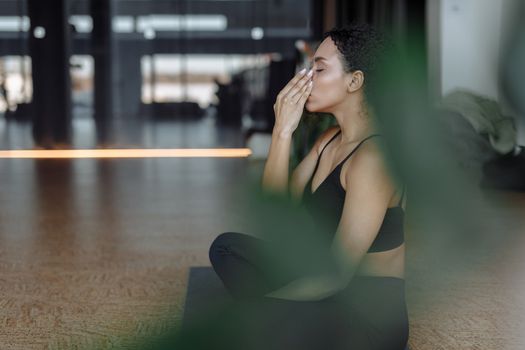
The best breathwork after sex for recovery is the one that leaves you feeling better—not drained, not tense, and not spaced out. After your first few tries, check in with yourself:
- Do you feel calmer within 3–5 minutes?
- Does your breathing feel easier afterward?
- Do you sleep more smoothly or feel more grounded the next day?
If the answer is yes, keep the structure. If not, adjust one variable at a time—usually the inhale length, exhale length, or total time. For example, if you feel too energized, lengthen the exhale by 1–2 seconds. If you feel too heavy or foggy, shorten the exhale or remove the physiological sigh.
Over time, your routine becomes a reliable recovery ritual—one that supports both your body and your sense of safety after intimacy.
04.05.2026. 09:44