

Niacinamide vs Vitamin C vs Retinoids for Dark Spots & Texture

Three actives, one goal: targeting dark spots without wrecking your barrier
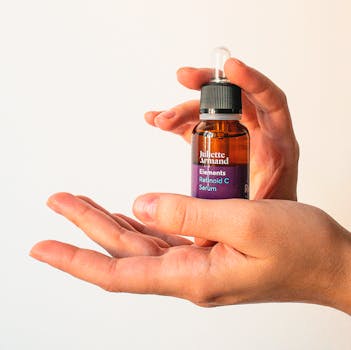
Dark spots and uneven texture can come from multiple sources: sun exposure, post-inflammatory hyperpigmentation (PIH) after acne or irritation, and gradual pigment changes over time. The tricky part is that the “best” ingredient isn’t only about pigment. It’s also about how your skin barrier responds—because damaged or irritated skin often looks darker and rougher, even if the pigment treatment is working.
This article compares three widely used options—niacinamide, vitamin C, and retinoids—specifically for dark spots, hyperpigmentation, and texture. You’ll see where each one tends to shine, what timelines are realistic, and how they can affect (or support) your skin barrier.
Quick summary of the strongest overall option: If you want the most reliable long-term improvement in dark spots, fine texture, and overall skin turnover, retinoids are usually the strongest single category. For gentler, barrier-supporting pigment control—especially if you’re sensitive or prone to irritation—niacinamide is often the most forgiving. For brightening and antioxidant protection with a faster “glow” effect, vitamin C can be excellent, but it may be less comprehensive than retinoids for deeper texture changes.
Side-by-side: niacinamide vs vitamin C vs retinoids
Below is a practical comparison focused on what you care about: dark spots/hyperpigmentation, texture, and barrier tolerance.
| Ingredient | Primary benefits for dark spots & hyperpigmentation | Texture & tone effects | Barrier impact | Typical timeframe to see change* | Common limitations |
|---|---|---|---|---|---|
| Niacinamide | Helps reduce pigment transfer (supports reduced melanosome transfer), supports even tone; often helpful for PIH | Improves surface roughness over time; can reduce the look of pores and unevenness | Often barrier-supportive; can reduce transepidermal water loss and calm irritation | ~4–8 weeks for noticeable tone; ~8–12 weeks for more even-looking pigment | May be slower for stubborn, deeper discoloration; results vary by concentration and formula |
| Vitamin C | Antioxidant protection; can inhibit steps in pigment formation and help brighten existing spots | Supports brighter, more even-looking skin; may improve dullness more than deep texture | Can be tolerable, but some forms/formulations sting; effectiveness depends on stability (oxidation) | ~2–6 weeks for brightness; ~8–12 weeks for spot improvement | May not match retinoids for texture remodeling; can irritate sensitive skin |
| Retinoids (retinol, retinal, tretinoin) | Increases cell turnover; helps fade PIH and improves uneven pigmentation over time | Best category for fine lines, roughness, and overall “skin clarity” through remodeling | Can disrupt barrier early if overused; long-term use often improves resilience when introduced gradually | ~6–12 weeks for smoother texture; ~12–24 weeks for more meaningful dark spot fading | Requires patience and correct usage; irritation risk if you start too fast or combine harshly |
*Timelines are typical ranges for consistent use and daily sun protection. Individual results vary with spot depth, skin type, and adherence.
Real-world performance: what changes first and what takes longer
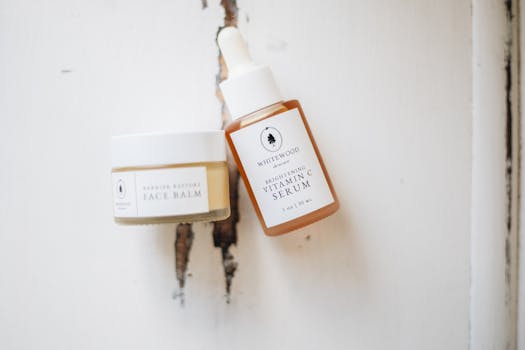
In real routines, these actives often “feel” different. That’s not just marketing—it’s biology.
Niacinamide often shows steady, low-drama improvement. Many people notice less redness-related discoloration and a gradual smoothing of the look of uneven tone. It tends to work well when your skin barrier is easily upset, because it can support hydration and reduce irritation signals that worsen PIH.
Vitamin C often shows earlier brightness. If your discoloration is partly due to dullness and oxidative stress, vitamin C can make skin appear more luminous within a few weeks. However, if your dark spots are deeper PIH or you’re also dealing with texture changes from years of sun exposure, vitamin C alone may not deliver the same level of remodeling.
Retinoids usually take longer to show full results, but they’re the most transformative for texture. You may not see a dramatic “spot fade” immediately. Instead, you often get gradual smoothing, reduced roughness, and more even tone as turnover normalizes. For stubborn hyperpigmentation, that longer window is where retinoids tend to outperform.
Practical scenario (typical PIH after acne): Imagine you’re breaking out intermittently, then getting dark marks that linger for months. If you start with niacinamide, you may notice that new marks look less intense and existing tone looks more even over 2–3 months. If you start with vitamin C, you may see brighter overall skin, but the dark marks might still cling. If you start with a retinoid (slowly), you may see the biggest shift in both the fading of marks and the texture changes—often by months 3–6—provided your barrier stays intact and you’re consistent with sunscreen.
How each option behaves on hyperpigmentation and texture
Niacinamide: the barrier-friendly pigment helper
Niacinamide (commonly 2%–10% in topical products) is often used when your skin needs both tone support and calmer tolerance. For hyperpigmentation, it’s frequently positioned as a way to reduce the “signal” that contributes to pigment staying visible. In practice, it can help with PIH because irritated skin tends to produce more inflammatory pigment transfer.
For texture, niacinamide can improve the look of unevenness by supporting the skin’s surface environment. It’s not a resurfacing agent in the way retinoids are, but it can make skin look smoother as overall irritation decreases.
Barrier note: Niacinamide is one of the more forgiving actives. If you’re currently using strong acids or you’re prone to redness, it may be easier to integrate without triggering a cycle of irritation.
Vitamin C: antioxidant brightening with faster “glow”
Vitamin C is best understood as an antioxidant and pigment-support ingredient. It can help reduce the oxidative stress that contributes to uneven tone and can support a brighter appearance.
For texture, vitamin C typically improves dullness and radiance more than it remodels deep texture. If your “texture” is actually dryness, uneven lighting, or a rough surface from inflammation, vitamin C can still help indirectly—but it’s usually not the primary tool for smoothing.
Barrier note: Vitamin C tolerance depends on the form and formula stability. Some people experience stinging, especially with higher strengths or less stable formulations. If your skin is reactive, you may need to start slowly or choose a gentler approach.
Retinoids: turnover and remodeling for long-term spot fading
Retinoids are a broad category—retinol, retinal, and prescription tretinoin are different strengths and intensities. Their main power is increasing cell turnover and supporting long-term remodeling. That matters for hyperpigmentation because pigment often sits in the upper layers of skin; improving turnover helps move pigment out and normalize how skin regenerates.
For texture, retinoids are usually the most noticeable. Fine lines, roughness, and uneven surface often improve as your skin cycle stabilizes.
Barrier note: Early retinoid use can cause dryness, flaking, or sensitivity. The key is pacing. If you push too hard, you can worsen PIH by inflaming skin. When introduced gradually and paired with good moisturization and sunscreen, retinoids often become easier to tolerate.
Pros and cons breakdown (what you gain and what to watch)
Niacinamide
Pros
- Often supports the skin barrier and reduces irritation—useful for PIH-prone skin.
- Can be used consistently with a lower risk of early “purge” effects.
- Helps with uneven tone and can improve the look of texture over time.
Cons
- May be less dramatic for stubborn, long-standing hyperpigmentation compared with retinoids.
- Results depend on concentration, formulation, and how well your sunscreen routine prevents new pigment.
Vitamin C
Pros
- Often brightens earlier than retinoids—many people see glow in 2–6 weeks.
- Strong antioxidant support for sun-related and pollution-related uneven tone.
- Can pair well with other gentle pigment strategies.
Cons
- Stability varies; oxidized vitamin C may be less effective.
- Some formulas can irritate sensitive skin, which can worsen PIH in the short term.
- Typically not the most effective for deep texture remodeling by itself.
Retinoids
Pros
- Strongest long-term option for texture improvement and overall skin clarity.
- Often improves PIH by normalizing turnover and reducing pigment persistence.
- Works across multiple concerns: fine lines, roughness, clogged-feel texture, and uneven tone.
Cons
- Requires patience (months) and careful introduction to avoid barrier damage.
- Can trigger dryness and irritation if you start too frequently or apply too much.
- Expect the “best results” window to be later than vitamin C or niacinamide.
Best use-case recommendations for different buyers
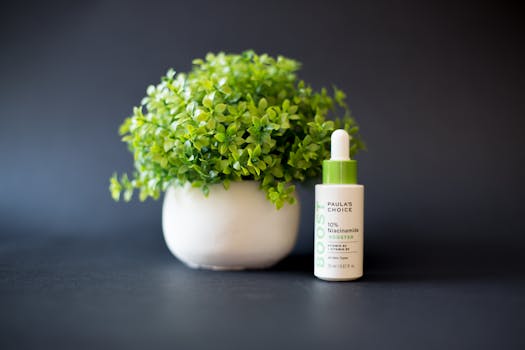
“Best” depends on your skin behavior and what you’re trying to fix first. Here are clear scenarios where each option tends to fit.
If your skin barrier is easily irritated (redness, stinging, frequent dryness)
Niacinamide is often the safer starting point. It can help reduce the inflammatory component that keeps PIH visible. In this scenario, you’re not only treating pigment—you’re trying to stop the cycle where irritation creates more discoloration.
Vitamin C can still work, but you may need a gentler formulation and slower introduction if you’re sensitive.
Retinoids can be very effective, but they require the most careful pacing. If you’ve already got a compromised barrier, retinoids may feel rough at first.
If you want earlier brightness and a “more even” look for dullness
Vitamin C often delivers the fastest visible glow. This can be especially noticeable if your discoloration is mixed with general dullness—think uneven tone from sun exposure and lifestyle stress.
If your main issue is deep PIH plus texture, vitamin C may still be supportive, but it may not be the only ingredient you need.
If your priority is texture remodeling and long-term hyperpigmentation fading
Retinoids are the clearest winner. If your skin shows roughness, visible pores, or persistent marks that haven’t faded after months, retinoids are typically the most comprehensive option.
You’ll get better outcomes when you view it as a long game: consistent use, gradual buildup, and barrier-friendly moisturizing.
If you’re dealing with mixed concerns (PIH + uneven texture + barrier sensitivity)
A combined strategy is often more realistic than choosing a single active. Many people use niacinamide for barrier support and pigment consistency, vitamin C for daytime antioxidant brightness, and retinoids at night for remodeling. The difference is not just “adding more products”—it’s scheduling and pacing so you don’t overwhelm your barrier.
For example, you might use niacinamide daily, vitamin C in the morning, and retinoids at night with a moisturizer to reduce irritation. The goal is to keep your skin comfortable so you can stay consistent long enough for pigment to fade.
Final verdict: which ingredient suits your needs best?
Choose retinoids if your main goal is the strongest overall improvement in texture and long-term dark spot/hyperpigmentation reduction. They’re the most likely to deliver visible skin-surface remodeling, with results typically becoming clearer after 3–6 months.
Choose niacinamide if you want pigment support that’s usually gentle on the texture barrier. It’s often a strong starting point when your skin is reactive, because it supports comfort and consistency—two things that matter for PIH.
Choose vitamin C if you want earlier brightness and antioxidant protection, especially for dullness-related uneven tone. It can be a good daytime option, but by itself it may not match retinoids for deeper texture remodeling.
If you’re trying to decide quickly: retinoids are your long-term remodeling engine; niacinamide is your barrier-friendly pigment stabilizer; vitamin C is your faster brightening and protection layer.
03.02.2026. 06:45