

Oral Microbiome: How Biofilm Forms and Works

Oral microbiome and biofilm: the living layer on your teeth
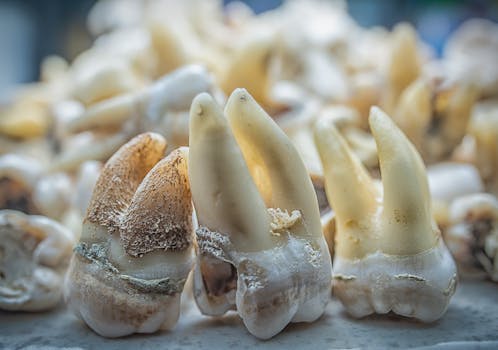
Your mouth is not sterile. It’s a dynamic ecosystem where hundreds of microbial species live, interact, and adapt to the conditions around them. The most important structure that makes this possible is biofilm—a coordinated community of microbes embedded in a protective matrix they build themselves. Understanding oral microbiome how it works biofilm is essential because many common oral health problems, including cavities and gum inflammation, are strongly linked to what happens when the biofilm community shifts out of balance.
Biofilm isn’t inherently “bad.” In a healthy mouth, biofilms can be stable and relatively harmless, helping maintain a balanced microbial community. Problems arise when environmental pressures—like frequent sugar exposure, dry mouth, smoking, poor plaque disruption, or certain medications—favor microbes associated with disease. This article explains how biofilm forms, how it functions, and what practical steps support a healthier oral microbiome.
What the oral microbiome is (and why it’s more than bacteria)
The oral microbiome refers to the community of microorganisms in the mouth, including bacteria, fungi, viruses, and other microbes. It also includes their interactions with saliva, food components, immune cells, and the surfaces they colonize, such as enamel, tooth roots, tongue, cheeks, and gum pockets.
Several factors shape this ecosystem:
- Saliva supplies water, minerals, antimicrobial proteins, and buffering capacity.
- Host immunity influences which microbes can persist.
- Surface type matters: smooth enamel differs from rough root surfaces and gingival crevices.
- Diet changes nutrient availability, especially fermentable carbohydrates.
- Oral hygiene and plaque disruption affect how long biofilm can mature.
Because these influences change daily, the oral microbiome is best viewed as a shifting community rather than a fixed cast of organisms.
Biofilm basics: how microbes organize into a protective community
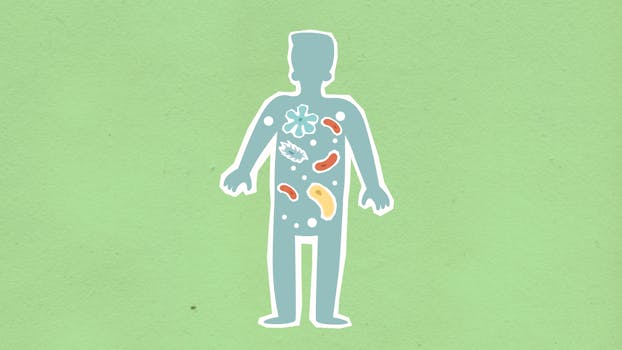
A biofilm is a structured microbial community attached to a surface and surrounded by a self-produced matrix. In the mouth, this matrix helps microbes adhere, resist removal, and withstand environmental stress. Biofilm can form within hours, which is why plaque control needs to be consistent—not occasional.
Biofilm formation typically follows a sequence:
- Pellicle formation: Saliva coats tooth surfaces with a thin film of proteins and glycoproteins. This pellicle provides attachment sites.
- Initial attachment: Early colonizers adhere to the pellicle and begin multiplying.
- Coaggregation and maturation: Later microbes join by binding to earlier species or to the developing matrix. The biofilm becomes thicker and more complex.
- Microenvironment creation: Within the biofilm, oxygen levels, pH, and nutrient gradients vary, allowing different microbes to thrive in different niches.
- Dispersion: Some microbes detach and spread, seeding new locations in the mouth.
This organization is why “plaque” is more than a sticky layer. It’s a coordinated system with internal conditions that can protect organisms from salivary clearance and from some antimicrobial effects.
How the oral microbiome works biofilm on teeth and gums
Biofilm behavior differs depending on where it forms. The mouth contains multiple ecological zones, each with unique conditions.
Biofilm on enamel: a focus for caries risk
On tooth enamel, biofilm is exposed to dietary carbohydrates and to saliva’s buffering action. When fermentable sugars are frequently available, acid-producing microbes can increase in proportion. Over time, repeated acid episodes can lower pH at the tooth surface long enough to contribute to enamel demineralization. If mineral loss outpaces remineralization, cavities can develop.
Key mechanisms include:
- Acid production from carbohydrate fermentation.
- Retention of acids within the biofilm matrix, prolonging low pH conditions.
- Selection pressure that favors acid-tolerant species over time.
Biofilm near the gums: a driver of gingival inflammation
At the gumline and in gingival crevices, the environment differs. Oxygen can be lower, and nutrients can come from gingival crevicular fluid and tissue breakdown products. Biofilm in these areas can shift toward communities associated with inflammation.
When the biofilm becomes more dysbiotic, the immune response may become excessive. Instead of a controlled response to normal microbial presence, inflammation can persist, contributing to bleeding, pocket formation, and tissue changes. Notably, gum disease risk is influenced not only by the presence of specific organisms but also by how the host responds to the biofilm’s composition and activity.
Biofilm on the tongue and other oral surfaces
The tongue and other surfaces also host biofilm. These communities can influence breath, taste, and overall microbial balance. The tongue’s surface structure can support retention of microorganisms and debris, making regular mechanical cleaning part of oral ecosystem management.
Biofilm maturation and “dysbiosis”: when balance shifts
Healthy biofilm communities are often dominated by organisms that are better adapted to the prevailing conditions. Dysbiosis refers to a shift in the community structure and function—often toward microbes that promote disease processes.
Several common pressures can drive dysbiosis:
- Frequent sugar intake increases acid exposure and selects for aciduric microbes.
- Low saliva flow reduces buffering, antimicrobial proteins, and mechanical clearance.
- Smoking alters immune responses and microbial ecology.
- Inadequate plaque disruption allows biofilm to mature beyond early stages.
- Orthodontic appliances and restorations can create niches with harder-to-clean surfaces.
Biofilm maturation matters because early biofilm is often more readily disrupted and may be less harmful than mature, thick biofilm. Once established, mature biofilms can be more resilient due to the protective matrix, reduced penetration of antimicrobial agents, and internal nutrient gradients.
Why biofilm is hard to remove: matrix, adhesion, and gradients
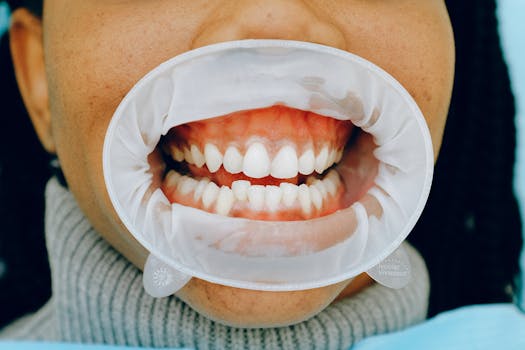
Biofilm resilience comes from multiple features that work together:
- Adhesion to surfaces: Microbes attach strongly to the pellicle and to each other through specific binding interactions.
- Extracellular matrix: The matrix can trap nutrients and water while slowing the diffusion of some antimicrobials.
- Physiological diversity: Different microbes in the biofilm can exist in distinct metabolic states, including slower-growing cells that are less affected by treatments targeting active growth.
- Microenvironment gradients: Oxygen and pH can vary across the biofilm thickness, enabling both aerobic and anaerobic species to coexist.
This is why brushing and flossing are most effective when they physically disrupt plaque regularly, rather than relying solely on chemical control.
Saliva’s role: buffering, antimicrobial action, and biofilm control
Saliva shapes the oral microbiome by influencing both microbial survival and biofilm development. It contributes:
- Buffering capacity that helps neutralize acids after sugar intake.
- Minerals like calcium and phosphate that support enamel remineralization.
- Antimicrobial proteins and peptides that limit microbial growth.
- Mechanical clearance that reduces retention of food particles and loosely attached microbes.
When saliva is reduced—due to dehydration, certain medications, or medical conditions—biofilms can become more persistent and the risk of caries and gum inflammation can rise. In these cases, oral hygiene strategies may need to be more consistent, and addressing dry mouth with appropriate clinical guidance can be important.
Practical guidance: supporting a healthier oral microbiome by disrupting biofilm
Because biofilm forms quickly, the goal is not to eliminate all microbes. The goal is to control biofilm—keeping it from maturing into more harmful communities and supporting conditions that favor oral health.
Brush to disrupt plaque, not just to “clean”
Effective brushing disrupts biofilm and removes plaque from accessible surfaces. Helpful habits include:
- Brush twice daily with fluoride toothpaste to support enamel resistance to acid.
- Use proper technique to reach the gumline and along the tooth surfaces.
- Give time for thorough coverage rather than rushing.
If you use an electric toothbrush, the key benefit is consistent plaque disruption when used correctly. The best approach is the one you can perform effectively and regularly.
Clean between teeth where biofilm often persists
Toothbrushing doesn’t fully reach between teeth or under the gumline. Interdental cleaning helps prevent plaque accumulation in these high-retention areas. Options include floss and interdental brushes, depending on spacing and comfort. Consistency matters because biofilm can re-form rapidly.
Fluoride and other chemical supports: what they can do
Fluoride supports tooth mineral integrity and can help counteract early demineralization. Some mouthrinses or gels may provide additional antimicrobial effects or targeted fluoride delivery, but they work best as part of a routine that includes mechanical plaque disruption.
In addition, antimicrobial ingredients in certain products may help reduce plaque-related inflammation. The most appropriate choice depends on individual risk factors and oral conditions, so clinical guidance can help tailor the approach.
Diet timing: reduce repeated acid challenges
Biofilm responds to nutrient availability. A practical strategy is to limit frequent snacking and sipping on fermentable carbohydrates. When sugars are consumed, pairing them with meal patterns and allowing time before the next exposure supports saliva’s buffering and reduces repeated low-pH periods.
Manage dry mouth and risk factors
If you experience dry mouth, it can be harder for saliva to protect teeth and regulate microbial balance. Practical steps include staying hydrated, discussing medication side effects with a clinician, and using saliva-support strategies recommended in clinical settings. Addressing smoking and other risk factors can also reduce the likelihood of dysbiotic shifts.
Monitoring biofilm-related risks: signs that the ecosystem is shifting
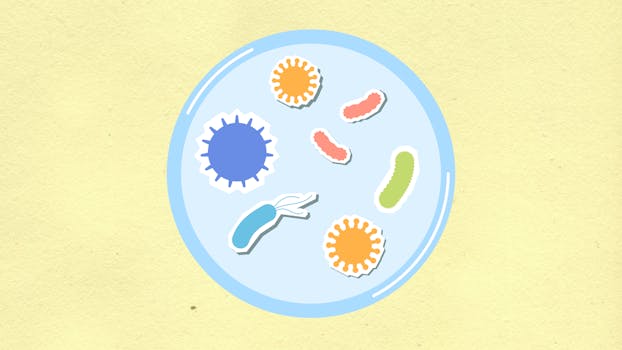
Biofilm changes can show up as symptoms and clinical signs. While self-assessment can’t replace dental evaluation, it can guide awareness.
Common indicators include:
- Bleeding when brushing or flossing, which can suggest gingival inflammation.
- Persistent bad breath that doesn’t resolve with routine cleaning.
- Sensitivity or chalky areas that may reflect early enamel changes.
- Visible plaque buildup or roughness near the gumline.
Risk can be higher for people with orthodontic appliances, existing periodontal disease, frequent sugar intake, or conditions that reduce saliva.
Prevention strategy: building a routine that keeps biofilm stable
Prevention is about maintaining a resilient oral environment where biofilm stays closer to a health-associated state. A strong routine typically includes:
- Twice-daily fluoride brushing to disrupt plaque and support enamel.
- Daily interdental cleaning to reduce biofilm in hard-to-reach areas.
- Diet timing awareness to reduce frequent acid challenges.
- Dry mouth management when applicable, with clinician guidance.
- Regular dental checkups for professional assessment and cleaning, especially if gum health or cavity risk is elevated.
Biofilm will always return because microbes are part of normal life in the mouth. The prevention goal is to control its maturation and activity so that the oral microbiome remains balanced, and disease-promoting shifts are less likely to take hold.
Summary: oral microbiome how it works biofilm is a balance of formation, environment, and control
The oral microbiome works through biofilm—a structured microbial community that forms on tooth and gum surfaces after saliva creates a protein-coated pellicle. Biofilm matures into a protective, resilient layer with internal microenvironments that can change microbial behavior. When environmental conditions favor acid production or inflammation, the biofilm community can shift toward dysbiosis, increasing risks for cavities and gum disease.
Effective prevention focuses on consistent plaque disruption, fluoride support, interdental cleaning, diet timing, and addressing factors like dry mouth and smoking. With these measures, you don’t eliminate the oral microbiome—you help keep it stable and health-supporting.
01.01.2026. 04:16