

Dark Spots Uneven Skin Tone Troubleshooting: Fix the Root Causes

Overview: what dark spots and uneven skin tone usually look like
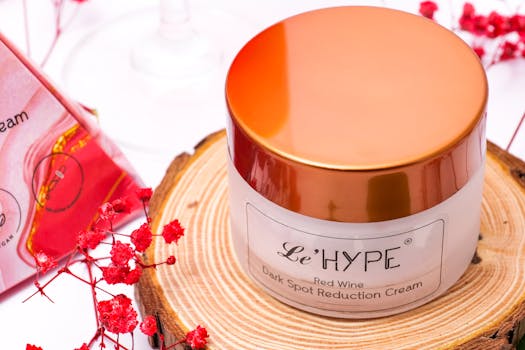
Dark spots and uneven skin tone often show up as patches or scattered marks that look darker than your surrounding skin. They may be flat or slightly raised, and they can appear after sun exposure, irritation, acne, or hair removal. Some people notice a mix of light and dark areas across the face, neck, or hands; others see concentrated spots where the skin was previously inflamed.
In troubleshooting, the key is not just “how to lighten,” but how to stop new discoloration from forming while safely improving what’s already there. The most effective path depends on what’s driving the pigment—sun, inflammation, hormones, friction, or a skincare routine that’s irritating your skin barrier.
Most likely causes behind uneven tone and dark spots
Dark spots can come from multiple mechanisms. Many cases involve more than one cause.
- Post-inflammatory hyperpigmentation (PIH): After acne, ingrown hairs, eczema flares, or friction, the skin can produce extra pigment as it heals.
- Sun-induced hyperpigmentation: UV exposure triggers melanocytes and deepens existing spots. Even “minor” sun exposure can worsen marks over time.
- Irritation or barrier damage: Over-exfoliation, harsh cleansers, frequent scrubs, or layering too many active ingredients can inflame skin and lead to more pigment.
- Hormonal influences: Melasma often presents as blotchy, symmetric discoloration, commonly on the cheeks/upper lip/forehead. It may be worsened by pregnancy, hormonal contraception, or hormone fluctuations.
- Friction and pressure: Repeated rubbing from masks, collars, straps, or shaving patterns can cause chronic irritation and uneven tone.
- Uneven texture from active acne or clogged pores: If spots are coupled with ongoing breakouts, persistent inflammation can keep pigment cycling.
- Less common causes: Certain medications, skin conditions, or pigment disorders may contribute. If discoloration is rapidly spreading, changing shape, or accompanied by symptoms like burning or scaling that won’t settle, it’s important to reassess early.
Step-by-step troubleshooting and repair process
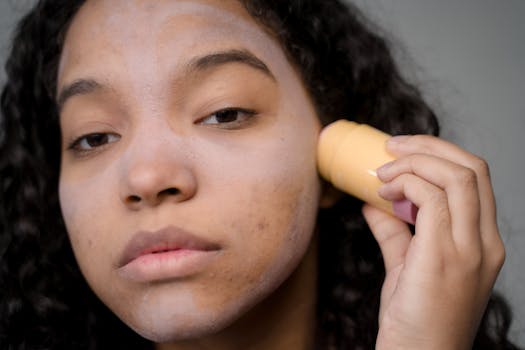
Use this sequence to narrow down the cause and stabilize your skin before targeting pigment. Think of it as a controlled “reset” followed by targeted treatment.
Step 1: Confirm the pattern and timing
Ask yourself:
- Did the spots appear after acne, waxing, shaving, or a rash?
- Do they darken after sun exposure?
- Are they patchy and symmetrical (more consistent with melasma) or scattered where irritation occurred (more consistent with PIH)?
- Have you recently changed products, increased exfoliation, or started using stronger actives?
Write down when the discoloration started and what happened to your skin around that time. This helps you choose the right direction for repair.
Step 2: Stabilize your skin barrier for 10–14 days
If you suspect irritation (stinging, redness, tightness, flaking, or frequent sensitivity), pause aggressive steps. The goal is to stop inflammation from fueling pigment.
- Use a gentle cleanser (avoid scrubs or cleansing brushes).
- Moisturize consistently with a barrier-supporting formula containing ingredients like ceramides, glycerin, or panthenol.
- Temporarily reduce or stop strong exfoliants (AHA/BHA), retinoids, and high-strength vitamin C if your skin is reacting.
- Keep your routine simple: cleanser, moisturizer, and daily sunscreen.
Even if your main issue is pigment, a calmer barrier often improves how your skin tolerates treatments afterward.
Step 3: Enforce daily sun protection as the “treatment” baseline
If you’re not already doing this, it’s the most common missing step in dark spot improvement. Pigment treatments fail when UV exposure continues.
- Apply a broad-spectrum sunscreen every morning.
- Use enough product to cover the face and any exposed areas.
- Reapply if you’re outdoors, near windows with strong light, or sweating.
If you’re sensitive to sunscreen textures, look for gentle, non-stinging options and give yourself time to find one that you’ll actually wear daily.
Step 4: Identify which active ingredients are currently in your routine
Make a short list of everything you apply to the affected area. The most common troubleshooting error is layering multiple strong actives at once. That can worsen inflammation and deepen marks.
Common actives that can be helpful for discoloration—but also irritating if misused—include:
- Retinoids (tretinoin, adapalene, retinal)
- Vitamin C (ascorbic acid or stable derivatives)
- Azelaic acid
- Hydroquinone (typically short-term under guidance)
- Exfoliating acids (glycolic, lactic, salicylic)
During troubleshooting, you’ll reintroduce these in a controlled way, starting with the gentlest effective options.
Solutions from simplest fixes to more advanced fixes
Choose the lowest-effort option that matches your likely cause, then escalate only if needed. Progress should be measured in weeks, not days.
Start with the simplest fixes (often enough for early PIH)
- Improve sun protection consistency: If your sunscreen is inconsistent or you don’t reapply, fix that first.
- Stop the trigger: If marks follow shaving, adjust technique (see below) and reduce friction.
- Reduce irritation: Avoid scrubs, harsh toners, and over-exfoliation. If you’re using multiple actives, pause and simplify.
- Gentle hair removal changes: For ingrown hairs and follicular irritation, consider switching from dry shaving to a gentler method, using a clean sharp blade, shaving with the grain, and moisturizing after.
Many people see early lightening once inflammation stops and UV exposure is controlled.
Add a pigment-focused routine that’s usually well-tolerated
After your 10–14 day stabilization, you can add one targeted ingredient at a time.
- Azelaic acid (commonly 10% over-the-counter): Often helpful for PIH and uneven tone, and typically less irritating than many alternatives when introduced slowly. Apply once daily or every other night depending on tolerance.
- Vitamin C (gentle derivatives if sensitive): Can support brightening and antioxidant protection. Use in the morning if tolerated.
- Retinoid introduction: If your skin tolerates it, retinoids can help with uneven tone and texture by increasing cell turnover. Start with a low frequency (for example, 2–3 nights per week) and increase gradually.
When you add a new active, keep everything else steady for 2–3 weeks so you can tell whether it’s helping or irritating.
Address ongoing acne or follicular inflammation
If dark spots track active breakouts, your pigment won’t fully improve until you control inflammation.
- Use a targeted acne approach (for example, a product containing benzoyl peroxide for breakouts, or salicylic acid if your skin tolerates it and you’re not already over-exfoliating).
- Avoid picking or aggressive spot treatments that cause additional irritation.
- Let inflamed lesions heal fully before increasing pigment actives.
This step is especially important for people whose uneven tone is driven by repeated cycles of acne and healing.
Use exfoliation carefully when the barrier is stable
Chemical exfoliation can help with uneven tone and texture, but it’s also a common cause of worsening pigmentation when overused.
- Choose one exfoliating acid at a time (AHA for surface dullness, BHA for oily/clogged areas).
- Start with low frequency (such as once weekly) and increase only if there’s no stinging, redness, or dryness.
- Avoid exfoliating on the same nights as retinoids or other strong actives if your skin is sensitive.
If your skin becomes tight, flaky, or noticeably red, reduce frequency immediately and return to barrier stabilization.
Consider targeted short-term options for persistent dark spots
If you’ve been consistent with sunscreen and a basic pigment routine but marks remain stubborn, discuss more advanced options with a dermatologist. Depending on skin type and medical history, a clinician may recommend:
- Prescription-strength topical agents: such as stronger retinoids or pigment inhibitors.
- Hydroquinone: sometimes used in defined cycles because long-term use can carry risks. This is generally not a DIY decision.
- Procedural options: for example, chemical peels or laser treatments, selected based on pigment depth and skin type.
These approaches can be effective, but they require careful selection to reduce the risk of rebound or worsening pigmentation.
When replacement or professional help is necessary
“Replacement” here usually means replacing a routine that’s irritating your skin or not protecting it from UV, not swapping your entire skincare identity.
Replace your routine if you see these red flags
- Worsening discoloration after starting a new active: Especially if you also notice stinging, redness, or dryness.
- Persistent irritation: Burning, peeling, or tightness that doesn’t settle after you simplify for 10–14 days.
- Frequent flares from shaving or friction: If marks are clearly tied to a physical trigger, adjust the mechanical cause rather than only treating pigment.
In practice, this often means pausing exfoliants and retinoids temporarily, using a gentle cleanser and moisturizer, and maintaining strict sunscreen while you rebuild tolerance.
Seek professional guidance if pigment doesn’t improve or looks like melasma
- No meaningful improvement after 8–12 weeks of consistent sun protection and a carefully introduced pigment routine.
- Patchy, symmetric blotches that worsen with sun and hormones (possible melasma).
- Dark spots that change shape, bleed, ulcerate, or grow rapidly. These require medical evaluation to rule out non-pigment causes.
- Signs of an underlying skin condition such as persistent scaling, itching, or inflammation that keeps returning.
A dermatologist can also help you choose appropriate treatments for your skin tone and history, which matters because higher-risk pigmentation patterns can respond differently to certain procedures.
Know when to stop experimenting at home
If you keep cycling through new brightening products, increasing strength, and the skin never stabilizes, you’re likely fueling the pigment process. The safest “reset” is consistent sunscreen, a calm barrier routine, and one carefully chosen pigment active—then reassess after several weeks.
Successful dark spot uneven skin tone troubleshooting is usually less about finding the strongest ingredient and more about matching the cause: stopping inflammation, preventing UV-driven pigment, and reintroducing targeted treatment without damaging the barrier.
30.11.2025. 00:20