

How to Apply Sunscreen Amount and Reapply for Better Protection

Get the right goal: even coverage that lasts

Applying sunscreen correctly isn’t only about choosing a formula—it’s about using the right amount and reapplying at the right times. When sunscreen is under-applied or applied unevenly, you leave gaps where UV can reach your skin. This guide shows you exactly how to apply sunscreen amount and how to reapply so your protection matches what the product label intends.
Use these steps for daily sun exposure, beach days, outdoor workouts, and long errands. The process is the same: prepare skin, apply enough to cover, let it set, and reapply based on time and activity.
Prepare your skin and your routine before you step into the sun
Before applying sunscreen, set yourself up for consistent coverage. The goal is to apply it while your skin is clean and dry (unless your product instructions say otherwise), and to give it a moment to settle so it’s less likely to rub off.
- Check the label: Confirm whether the sunscreen is “broad spectrum” and what it says about water resistance and reapplication frequency.
- Start with clean skin: Wash off sweat, dirt, or heavy skincare residue that could affect even spreading.
- Dry your skin: Apply sunscreen to dry skin when possible. If you just showered or swam, pat dry first.
- Use your usual moisturizer (if needed): Apply moisturizer first, then sunscreen. Let moisturizer absorb so sunscreen doesn’t pill.
- Gather a mirror: A handheld mirror helps with hard-to-see areas like the back of the neck and ears.
- Choose the right format: Cream and lotion are often easier for full-body coverage; gel or spray may be faster but require careful application to avoid missed spots.
If you use makeup, consider applying sunscreen as your base layer. Many people find it easiest to apply sunscreen first, then follow with makeup after it has set.
Step 1: Use the correct sunscreen amount for full-body coverage
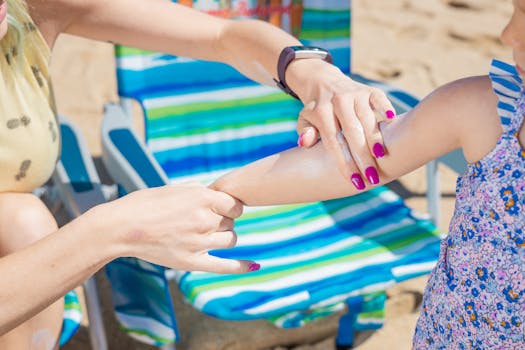
To achieve the level of protection listed on the SPF number, you need enough product. Under-application is one of the most common reasons sunscreen doesn’t perform as expected.
Use this practical measuring approach:
- Adults (average build): Plan for about 1 ounce (30 mL) for full-body coverage. This is roughly the amount that fills a standard shot glass.
- For face and neck only: Use about two finger lengths of product (a line of sunscreen from the base of the index finger to the tip of the finger, doubled). This helps cover the face, ears, and neck.
- For each additional area: Apply enough to create a uniform, visible layer—especially over shoulders, tops of arms, and the backs of legs where gaps happen.
If you’re using a spray, apply it with care. Spray-only coverage can lead to missed spots if the product doesn’t land evenly. If your sunscreen is a lotion/cream, you can spread more consistently by massaging it in until it looks evenly distributed.
Step 2: Apply sunscreen in the right order and coverage pattern
Even coverage is the difference between “I put sunscreen on” and “I protected my skin.” Work systematically so you don’t skip areas.
- Start with your face and neck: Apply to the front of the face, cheeks, nose, chin, and along the jawline. Blend into the neck and up to the hairline.
- Don’t forget the ears: Apply sunscreen over the tops of the ears and around the ear edges.
- Move to arms and shoulders: Apply to the tops of shoulders, upper arms, and forearms. Use extra care on the “cap” area where straps and clothing don’t cover.
- Cover the torso: Apply to chest, stomach, and any exposed areas of the back if you’re wearing minimal clothing. If you have a partner or mirror, use it to check the back of shoulders and upper back.
- Apply to legs: Cover fronts of thighs and shins, then the backs of legs if exposed. Gaps behind the knees and on calves are common.
- Finish with hands: Apply to the backs of hands, between fingers, and the fingertips.
- Use a final check: Do a quick visual scan in a mirror. If you can see dry patches or uneven streaks, add more and blend.
When you apply, aim for a uniform film. If your skin feels dry or tight after application, you may be using too little or not blending well. Reapply to missed spots rather than layering randomly.
Step 3: Give it time to set before sun exposure
After applying, wait before heading outside. This reduces rubbing and helps the sunscreen adhere.
- Apply at least 15 minutes before going out: Many sunscreens perform best when they have time to bond with the skin.
- Avoid immediate rubbing: Put on clothing after the sunscreen settles, especially for areas like shoulders and upper arms.
- If you sweat easily: Consider applying slightly earlier and using a sunscreen that’s designed for active use.
Step 4: Know when to reapply based on time and activity

Reapplication is where most people lose track. The safe default is time-based, and it becomes more frequent with water, sweat, or friction.
General reapplication timing:
- Reapply every two hours when you’re outdoors, even if you don’t feel like you’re getting sunburned.
- Reapply sooner after swimming or heavy sweating: Follow the water-resistance guidance on your label (commonly 40 or 80 minutes). If you can’t confirm, treat it as less than you think and reapply right after drying.
- Reapply after towel-drying: Even “water resistant” formulas can be reduced by friction and wiping.
- Reapply after friction: Reapply after rubbing with hands, adjusting clothing, or wiping your face with a towel.
Think of reapplication as resetting coverage. Sun exposure continues, and sunscreen can be worn away by sweat, water, and movement.
Step 5: Reapply the right amount—don’t just “top up”
Reapplying isn’t the same as adding a thin layer in one quick sweep. To maintain the protection level, you need enough sunscreen on the skin again.
- Reapply to the same exposed areas: Face, neck, ears, shoulders, arms, hands, and any exposed legs.
- Use a full coverage approach: Spread until the layer looks even again. If your sunscreen has rubbed off, you’ll need more than a quick dab.
- For face and neck: Use the same “two finger lengths” guideline as a starting point, then adjust based on your skin coverage and product texture.
- For body: Reapply enough to restore the coverage you had initially. If you’ve been sweating heavily, plan for a more thorough reapplication.
If you’re wearing makeup, you can still reapply sunscreen, but you’ll need to do it without disturbing your face too much. Many people reapply with a sunscreen that’s easier to blend or a product designed for face use. If your sunscreen is difficult to reapply over makeup, consider reapplying earlier in the day before makeup needs to be refreshed.
Step 6: Reapply correctly for common situations
Different outdoor scenarios change how quickly sunscreen wears away. Use these practical patterns to stay consistent.
- Hot day with sweating: Apply your initial dose, let it set, then reapply every two hours. If you sweat a lot, reapply sooner, especially to forehead, nose, and areas that rub against clothing.
- Beach or pool day: Use sunscreen with a water-resistance claim. Reapply according to the label guidance after swimming. Always reapply after towel-drying.
- Outdoor sports and friction: Reapply after intense activity, and pay attention to areas that contact equipment (forearms, shoulders) or get rubbed (hands and face).
- Driving or sitting near windows: If UV exposure is mainly through glass, the intensity can vary. Still, sunscreen can wear over time with movement and heat. Reapply based on time outdoors and any visible signs of rubbing or wiping.
- Short errands: Even for brief exposure, apply enough at the start. If you’re outside for longer than a couple of hours, reapply.
Common mistakes that reduce sunscreen effectiveness
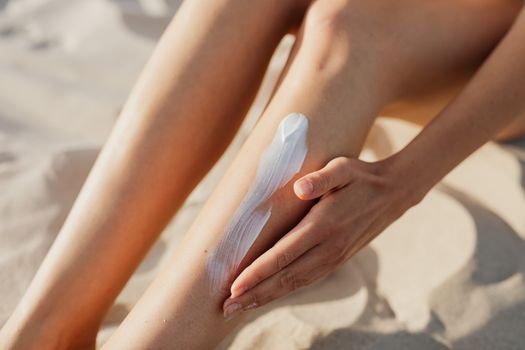
Even good sunscreen won’t perform if application habits undermine it. Watch for these frequent issues:
- Using too little: Many people apply far less than the recommended amount, especially on the back of the neck, shoulders, and tops of feet.
- Skipping ears, hairline, and neck: These areas burn easily and are often forgotten during initial application and reapplication.
- Applying too late: Rushing out immediately can increase rubbing and uneven coverage.
- Reapplying only once in the morning: Sun exposure adds up even when clouds appear. Two-hour reapplication is the most reliable baseline.
- Assuming water-resistant means “no need to reapply”: Water resistance is time-limited. Reapply after swimming and towel-drying.
- Forgetting hands: Hands are exposed constantly and often overlooked after eating, using your phone, or washing.
- Not accounting for clothing and sweating: Clothing doesn’t always cover fully (straps, collars, and gaps). Sweat can move sunscreen and thin the layer.
- Over-applying too close to irritation: If sunscreen stings, you may be applying to a compromised skin barrier or using an unsuitable formula. Reassess your routine and consider patch testing new products rather than layering repeatedly.
Additional practical tips to optimize coverage and comfort
Once you have the basics down, these adjustments make sunscreen easier to apply consistently—especially when your schedule changes.
- Use a repeatable routine: Keep your sunscreen where you’ll see it, and use the same sequence each time (face/neck → ears → shoulders/arms → torso → legs → hands).
- Consider your skin type: If you have oily skin, choose a finish that you can tolerate for reapplication without constant blotting. If you have dry skin, a hydrating formula can reduce the temptation to skip reapplication due to discomfort.
- Plan for reapplication access: If you’ll be outdoors for hours, bring sunscreen in your bag or car. For face reapplication, consider a convenient format that spreads well without leaving a patchy look.
- Apply to exposed areas first, then fill in: If you’re busy, starting with the most exposed zones reduces the chance you’ll forget them later.
- Be strategic with timing: If you’re going to be outside during peak UV hours, apply earlier, then reapply on schedule rather than waiting until you “feel” sun exposure.
- Use accessories to reduce the burden: Hats, sunglasses, and shade don’t replace sunscreen, but they reduce how much you need to rely on frequent reapplication.
- Don’t forget the scalp and hairline: If you have thinning hair or a visible part, apply sunscreen to the hair part and exposed scalp. Use a product appropriate for the scalp area if needed.
- Track your water and towel moments: If you swim or sweat heavily, treat towel-drying as an automatic reapplication trigger.
For product types, many people find that mineral and chemical sunscreens can both work well when applied correctly. What matters most is broad-spectrum coverage, adequate amount, and consistent reapplication. If you wear sunscreen daily, a reliable face sunscreen that sits well under your routine can make reapplication more realistic.
A quick example you can follow
On a summer morning, you apply sunscreen to face, neck, ears, shoulders, arms, and hands. You use a full face amount (about two finger lengths) and a full-body amount if you’re wearing minimal clothing. You let it set for about 15 minutes, then go outside. At the two-hour mark, you reapply to face, neck, ears, shoulders, arms, and hands—using enough to restore even coverage. If you go swimming, you reapply after swimming and after towel-drying, following the water-resistance timing on the label.
How to adjust if you’re reapplying over existing sunscreen
Sometimes you’ll reapply while sunscreen is still on the skin. In that case, focus on restoring even coverage rather than scrubbing it off. If your skin looks patchy or dry, add more and blend. If your skin is irritated, pause and focus on barrier-friendly care, but don’t skip protection—reapply carefully and choose a formula that causes less stinging.
Reapply with confidence: coverage you can maintain
When you apply sunscreen with the correct amount and reapply consistently, you’re not just following a label—you’re actively reducing UV damage risk. Use enough product for full coverage, apply in a systematic pattern, allow it to set, and reapply every two hours outdoors. After swimming, sweating, or towel-drying, reapply based on the water-resistance guidance and restore coverage where friction removes sunscreen.
With this approach, sunscreen becomes a repeatable routine rather than a guessing game, and your skin stays better protected throughout the day.
08.12.2025. 03:08