

How to Support Collagen Production for Healthier Skin

Why collagen matters and what actually controls its production

Collagen is the most abundant structural protein in the body. In skin, it helps maintain firmness, elasticity, and the scaffold that supports hydration and smooth texture. Collagen production is not fixed—you can support it, but you can also accelerate its breakdown. As you age, collagen synthesis tends to slow, and existing collagen becomes more vulnerable to damage from environmental stressors.
Understanding the drivers of collagen production makes guidance more practical. Collagen synthesis is influenced by your body’s ability to build proteins (amino acids), the availability of cofactors (especially vitamin C), and the balance between collagen-building signals and collagen-damaging factors such as UV exposure, oxidative stress, chronic inflammation, and smoking. The goal of “how to support collagen production” is therefore not one single trick—it’s a set of daily inputs that encourage synthesis and reduce breakdown.
Build the raw materials: protein, amino acids, and vitamin C
Collagen is made from amino acids arranged into specific patterns. While your body can synthesize amino acids from dietary protein, collagen formation relies heavily on adequate protein intake and sufficient micronutrients.
Prioritize protein quality and total intake
Because collagen is a protein, adequate dietary protein supports the overall capacity to produce connective tissue. Aim to include protein at meals rather than relying on occasional intake. Many people do well with a steady distribution of protein across breakfast, lunch, and dinner, using a mix of sources such as fish, poultry, eggs, dairy, legumes, tofu, tempeh, and whole grains combined with legumes.
If you consistently under-eat protein, your body may divert amino acids away from skin and connective tissue priorities. If you have a medical condition that affects nutrition or digestion, it’s worth discussing protein needs with a clinician.
Don’t overlook vitamin C
Vitamin C is essential for collagen synthesis because it supports enzymatic steps involved in stabilizing collagen fibers. Low vitamin C intake can impair the quality of newly formed collagen. Vitamin C is found in citrus fruits, berries, kiwi, mango, tomatoes, bell peppers, broccoli, and leafy greens.
For many people, simply including vitamin C–rich produce most days is enough to support collagen-related pathways. If you smoke or have limited fruit and vegetable intake, vitamin C needs may be higher due to increased oxidative stress.
Consider collagen-supportive nutrients as part of a balanced diet
Other nutrients contribute indirectly by supporting skin health and reducing oxidative damage. These include zinc, copper, and polyphenols from colorful plants. Rather than focusing on a single nutrient, a varied diet that emphasizes fruits, vegetables, legumes, nuts, seeds, and adequate protein tends to provide the broader “collagen ecosystem.”
Reduce collagen breakdown: UV protection, oxidative stress, and inflammation
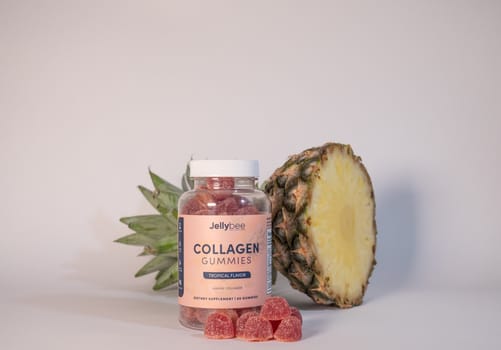
Even with good nutrition, collagen can be damaged faster than it’s rebuilt. UV radiation is a primary driver of collagen degradation in skin, contributing to photoaging. Oxidative stress and chronic inflammation further disrupt collagen structure and signaling.
Use daily sun protection to prevent photoaging
To support collagen production over time, sun protection is one of the most effective habits. UV exposure accelerates collagen breakdown and reduces the skin’s ability to maintain elasticity. Daily broad-spectrum sunscreen, applied generously and reapplied when outdoors, helps reduce cumulative UV damage.
Physical measures also matter: hats, shade, and protective clothing can reduce direct exposure. If you work outdoors or spend extended time in the sun, consistency becomes even more important.
Support antioxidant defenses
Oxidative stress is associated with environmental exposure, poor sleep, high stress, and diets low in micronutrients. Antioxidants help neutralize reactive molecules that can damage collagen fibers and cells responsible for skin maintenance.
Dietary antioxidants come from fruits, vegetables, herbs, tea, and other plant foods. While antioxidant supplements exist, the most reliable approach is to maintain a nutrient-dense diet and protect skin from UV and smoking-related oxidative stress.
Manage chronic inflammation triggers
Inflammation can affect collagen remodeling. Factors such as smoking, persistent high stress, and conditions like uncontrolled diabetes can contribute to inflammatory signaling. Supporting overall metabolic health—through balanced eating, regular movement, and adequate sleep—helps create a calmer internal environment for tissue maintenance.
Choose skin care ingredients that support collagen remodeling
Skin care can’t replace sun protection and nutrition, but certain active ingredients can support collagen remodeling by improving cell turnover, reducing inflammation, and signaling for healthier extracellular matrix behavior.
Retinoids: evidence-backed support for collagen-related changes
Topical retinoids (including retinol and prescription-strength retinoids) are widely used for photoaging and texture concerns. They can increase collagen expression and improve the organization of collagen fibers over time. Retinoids also support epidermal turnover, which can improve the look of fine lines.
Consistency matters: results typically take months rather than days. If you’re new to retinoids, start slowly to reduce irritation, and consider pairing with a moisturizer to support the skin barrier.
Vitamin C serums: support for collagen synthesis and antioxidant protection
Topical vitamin C can complement dietary vitamin C by providing antioxidant support and contributing to collagen-related pathways. Many people tolerate well-formulated vitamin C products, but sensitivity varies. If irritation occurs, adjust frequency and ensure you’re using a gentle routine.
Hydration and barrier support reduce stress on collagen
A compromised skin barrier can increase irritation and worsen inflammation, indirectly affecting collagen maintenance. Ingredients that support barrier function—such as glycerin, ceramides, squalane, and hyaluronic acid—help skin stay comfortable and resilient. While these do not “build collagen” directly, they support the conditions under which skin can function effectively.
Consider gentle exfoliation when appropriate
Exfoliation can improve skin texture and help remove buildup that interferes with other skincare. However, over-exfoliation can cause inflammation and barrier disruption. If you use chemical exfoliants like alpha hydroxy acids or beta hydroxy acids, keep frequency moderate and avoid stacking multiple irritating actives at once.
Lifestyle factors that influence collagen production
Collagen production is influenced by the body’s overall repair cycles. Lifestyle choices can either support consistent repair or increase the burden on skin and connective tissue.
Sleep: the body’s nightly repair window
Sleep supports the processes involved in cellular repair and inflammation regulation. Poor sleep can increase stress hormones and oxidative stress, which may affect collagen remodeling. Aim for consistent sleep timing and adequate total sleep for your age and needs.
Exercise supports circulation and metabolic health
Regular physical activity improves blood flow, supports metabolic function, and can reduce chronic inflammation. While exercise is not a direct collagen “booster,” it helps create favorable conditions for tissue maintenance.
Stop smoking to protect collagen structure
Smoking is strongly linked to accelerated skin aging. It increases oxidative stress, damages blood vessels, and disrupts collagen formation. If you smoke, quitting is one of the most impactful steps you can take to preserve collagen over time.
Limit excessive alcohol and manage stress
Heavy alcohol use can impair nutrient status and contribute to dehydration and oxidative stress. Chronic stress can also influence inflammatory pathways and sleep quality. Stress management doesn’t need to be complicated—consistent routines that support relaxation and recovery can help.
Does collagen supplementation help? What to consider
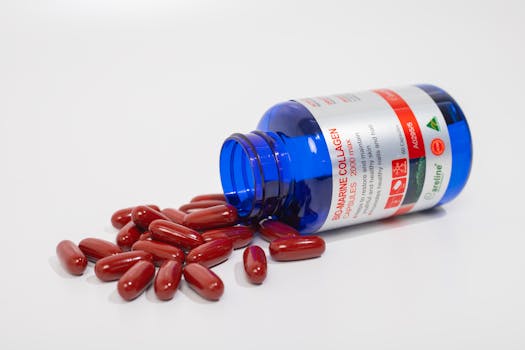
Collagen peptides and related supplements are popular, and some studies suggest they may improve skin hydration and elasticity markers in certain groups. The evidence varies by formulation, dose, and study design, but the general idea is that supplemental collagen peptides may provide amino acids and bioactive fragments that support skin collagen metabolism.
Supplementation can be considered as an additional strategy, not a replacement for sun protection, nutrition, and barrier care. If you choose to use one, pay attention to the type (often hydrolyzed collagen peptides), the dosing instructions on the label, and the overall protein intake from food.
It’s also reasonable to be cautious if you have allergies, dietary restrictions, or medical conditions. If you’re pregnant, managing chronic illness, or taking medications, discuss supplementation with a healthcare professional.
Practical routine for supporting collagen production
You don’t need an elaborate regimen. A supportive routine focuses on the biggest levers first: UV protection, nutrition, and consistent skin care that targets remodeling.
Daily foundation
- Protect from UV: use broad-spectrum sunscreen every day, and reapply when outdoors.
- Eat collagen-supportive meals: include adequate protein and vitamin C–rich produce regularly.
- Support the skin barrier: use a moisturizer suited to your skin type, especially if you use active ingredients.
Skin care add-ons that can help
- Retinoid at night: introduce gradually and use consistently for several months.
- Vitamin C in the morning: consider a well-formulated serum if your skin tolerates it.
- Be careful with layering: avoid stacking multiple potentially irritating actives at once.
Track what matters
Because collagen-related improvements take time, it helps to track changes in skin texture, dryness, and the appearance of fine lines over weeks and months. If irritation occurs, reduce frequency or simplify the routine rather than pushing through inflammation.
Common mistakes that undermine collagen support
Even well-intentioned routines can fail when key factors are missed or when irritation is created.
Skipping sunscreen or applying too little
Inconsistent sun protection is one of the fastest ways to offset other efforts. If sunscreen isn’t applied generously or reapplied outdoors, UV damage continues.
Overusing exfoliants or mixing too many actives
Inflammation from irritation can worsen the look of skin and interfere with barrier function. Give your skin time to adapt and use fewer products when sensitivity increases.
Relying on supplements while neglecting protein and vitamin C
If dietary protein and vitamin C are low, the “inputs” for collagen synthesis may still be limited. Supplements cannot fully compensate for a consistently nutrient-poor diet.
Smoking or chronic sun exposure
Smoking and frequent unprotected sun exposure can overwhelm slower improvements from skincare and nutrition. Reducing these drivers produces the most noticeable long-term benefit.
Summary: the most effective ways to support collagen production

Supporting collagen production is best approached as a long-term strategy that balances synthesis and protection. Focus on adequate protein intake and vitamin C from food, because collagen depends on amino acids and vitamin C–dependent steps. Reduce breakdown by using daily broad-spectrum sun protection and minimizing oxidative stress and chronic inflammation through sleep, exercise, and avoiding smoking. In skin care, retinoids and well-tolerated vitamin C can support collagen remodeling, while hydration and barrier care reduce irritation that can disrupt the skin environment.
If you want to add collagen supplements, consider them optional and supportive rather than primary. The strongest results typically come from a consistent routine that protects the skin from UV, supports nutrition, and allows time for remodeling.
28.01.2026. 06:06