

Niacinamide vs Vitamin C vs Retinoids: Which Works Best for Your Skin?

How these three act on skin (and why the differences matter)
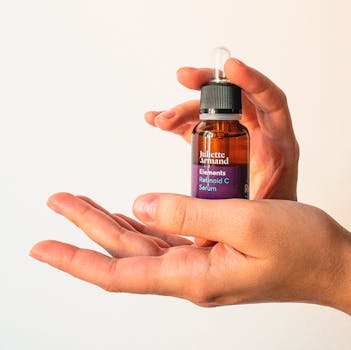
Niacinamide, vitamin C, and retinoids are among the most researched topical ingredients for skin health. They don’t work the same way: niacinamide supports the skin barrier and helps regulate oil and inflammation; vitamin C primarily targets pigmentation and oxidative stress; retinoids drive visible changes in texture and fine lines by influencing skin cell turnover.
Because their mechanisms differ, “best” depends on what you want to improve, how sensitive your skin is, and how consistently you can use the product. Some people get better results by choosing one ingredient to lead for a few months; others benefit from combining them carefully—especially when balancing effectiveness with irritation risk.
Quick summary: For most people seeking a lower-irritation, broadly useful option for barrier support and uneven tone, niacinamide is often the strongest overall starting point. For targeted brightening and dark-spot reduction, vitamin C can be more direct. For texture, wrinkles, and long-term anti-aging changes, retinoids typically lead—though they usually require a more gradual introduction.
Side-by-side: niacinamide vs vitamin C vs retinoids
| Ingredient | Main skin goals | How it works (simplified) | Typical strengths | Common limitations | Tolerance/irritation risk |
|---|---|---|---|---|---|
| Niacinamide | Barrier support, redness/inflammation, oil balance, uneven tone | Supports ceramide formation, reduces transepidermal water loss, helps regulate sebum and inflammatory signaling | Gentle improvement in texture and tone; helpful for acne-prone and sensitive skin | Less dramatic wrinkle change than retinoids; pigmentation impact may be gradual | Generally low to moderate; irritation is usually mild at standard concentrations |
| Vitamin C | Brightening, dark spots, dullness, antioxidant protection | Antioxidant activity and pigment signaling support; helps reduce the look of hyperpigmentation | More noticeable radiance effect; can help fade post-acne marks over time | Stability and formulation matter; some forms/people can experience dryness or stinging | Moderate; depends heavily on product type and skin sensitivity |
| Retinoids | Fine lines, uneven texture, acne, long-term anti-aging | Influences gene expression and cell turnover; improves collagen-related processes over time | Most consistent improvements in texture and wrinkles; effective for acne and clogged pores | Purging/irritation possible early; requires patience and consistent use | Moderate to higher initially; improves with adaptation |
Real-world performance: what you’ll likely notice first
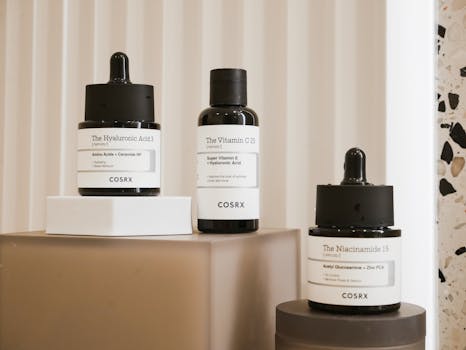
Niacinamide: Many users notice improved comfort and less “tight” or reactive-feeling skin within a few weeks, especially if they’re dealing with barrier stress from cleansing, weather, or other actives. Tone changes can follow, but they’re often subtle and gradual. Niacinamide is also commonly used alongside acne treatments because it can reduce irritation and support the barrier.
Vitamin C: Brightness effects can appear relatively early—often as improved radiance and a more even look. Dark spots typically take longer. In practice, vitamin C performance varies widely based on the form (and whether the product stays stable), and whether you’re using consistent sunscreen. Without sun protection, pigmentation results are harder to maintain.
Retinoids: Expect the biggest changes in texture, pores, and fine lines over months, not days. Some people experience dryness, peeling, or a temporary “purge” when starting, particularly if they have active comedonal acne. Over time, retinoids often deliver the most noticeable long-term restructuring of skin surface quality.
In real routines, these ingredients also differ in how they “fit” with other products. Niacinamide is typically compatible with many formulas, vitamin C can be more sensitive to pH and formulation, and retinoids require careful introduction to reduce irritation—especially if you also use exfoliating acids.
Pros and cons breakdown
Niacinamide
- Pros: Strong barrier support; can help reduce redness and uneven tone; generally easier to tolerate; works well for acne-prone or combination skin; often layers smoothly with other skincare.
- Cons: Usually less dramatic for deep wrinkles than retinoids; pigmentation results may be modest compared with targeted brighteners; very high concentrations aren’t always better—some people still experience flushing or irritation.
Vitamin C
- Pros: Targets dullness and visible dark spots; antioxidant support can help protect against environmental damage; can create a noticeable “glow” effect when used consistently.
- Cons: Results depend on product stability and the specific derivative/form; can sting on sensitive skin; without sunscreen, dark spot improvement may stall; some people need a slower ramp-up.
Retinoids
- Pros: Best-supported option for improving texture, fine lines, and acne/comedones; long-term anti-aging benefits are among the most reliable in skincare; can help with post-acne marks by improving overall skin turnover.
- Cons: Higher initial irritation risk; may cause temporary purging; requires consistency and patience; not ideal to start during periods of significant skin barrier disruption without adapting carefully.
Best use-case recommendations for different skin goals
If your main issue is sensitivity, redness, or barrier weakness
Niacinamide usually makes the most sense as a first-line ingredient. It’s designed to support skin’s hydration and barrier function, which can make other actives more tolerable later. If you’re using multiple products and your skin feels reactive, niacinamide can help stabilize your routine.
In a typical skincare approach, niacinamide also pairs well with gentle cleansers and moisturizers that emphasize barrier repair. Many people find that adding niacinamide before introducing a stronger active reduces the odds of irritation.
If your main issue is dark spots, uneven tone, or dullness
Vitamin C is often the most direct choice. It’s particularly relevant when hyperpigmentation is your priority—such as post-acne marks or sun-related discoloration. The key practical factor is consistency: vitamin C tends to perform best when used daily (or near daily) and paired with diligent sunscreen.
For sensitive skin, you may need to select a well-formulated product and introduce it gradually. If your current routine already includes strong exfoliants, vitamin C may require spacing to avoid cumulative irritation.
If your main issue is wrinkles, rough texture, or clogged pores
Retinoids are typically the strongest option for long-term texture and anti-aging outcomes. They address the look of fine lines and improve the feel of skin by increasing turnover and supporting smoother surface structure. For acne-prone skin, retinoids can also reduce comedones, which can indirectly improve the appearance of lingering marks.
Because retinoids can be drying at first, the “best” way to use them is usually a gradual ramp-up with moisturizer support. Many people do better when they start slowly and avoid stacking too many exfoliating acids at the same time.
If you want to combine ingredients without overwhelming your skin
Combining can work, but the order and pacing matter. A common educational approach is to use niacinamide as a supportive base while you add either vitamin C or a retinoid. Niacinamide’s barrier support can make your skin more resilient during the adjustment period of a retinoid.
Vitamin C + retinoids: Some routines combine them, but irritation risk can increase—especially if vitamin C is used at a high strength or if your retinoid is also potent. Many people prefer to alternate by time (for example, vitamin C in the morning and retinoid at night) to reduce overlap and irritation.
Niacinamide + vitamin C: Often a comfortable pairing for tone and barrier support. Still, formulation and individual sensitivity matter.
In general, if your skin is already calm and stable, you can explore layering more confidently. If your skin is currently irritated, it’s usually better to prioritize barrier comfort first.
Which ingredient is the strongest overall—and when
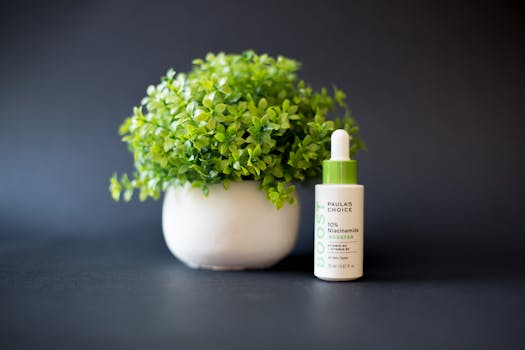
Most people starting out: Niacinamide is frequently the strongest overall option because it offers broad benefits with comparatively lower irritation risk. It can help with redness, oil regulation, and uneven tone while supporting the barrier that many other treatments rely on.
For targeted brightening: Vitamin C tends to be the clearer winner when the goal is radiance and dark-spot reduction. Its effectiveness is strongly tied to product quality and daily sun protection.
For long-term texture and anti-aging: Retinoids are typically the top performer. They’re more demanding at the start, but their impact on texture and fine lines is usually more substantial than niacinamide or vitamin C alone.
Final verdict: match the ingredient to your skin’s priorities
If you’re choosing among niacinamide vs vitamin c vs retinoids based on typical outcomes:
- Choose niacinamide if you want barrier support, calmer-looking skin, and gradual tone improvement with minimal disruption.
- Choose vitamin C if your primary concern is dullness and dark spots and you can commit to consistent daily use with sunscreen.
- Choose retinoids if you want the most reliable improvement in texture, fine lines, and clogged pores—accepting that an adjustment period is common.
For many routines, a practical path is to start with niacinamide to build comfort, add vitamin C when brightening is a priority, and introduce a retinoid when you’re ready for longer-term restructuring of skin texture. The “best” result usually comes from aligning the ingredient’s strengths with your specific goals and your skin’s tolerance.
27.04.2026. 09:34