

Telogen Effluvium vs Androgenetic Hair Loss vs Breakage

What you’re likely seeing (and why it feels confusing)
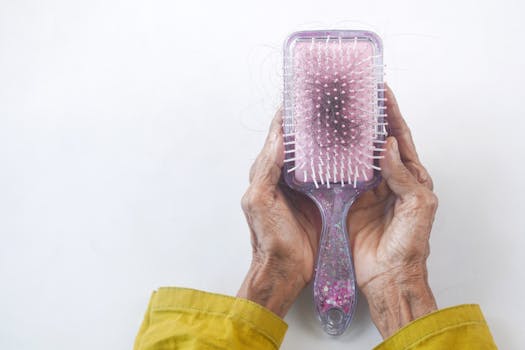
If your hair suddenly looks thinner, sheds more than usual, or feels rough and snaps easily, you’re not alone. The tricky part is that multiple conditions can produce “hair loss” in different ways—yet they can look similar at first glance. Your job is to sort out the pattern: Are you losing hair from the root (shedding)? Are you gradually miniaturizing follicles (pattern thinning)? Or is the hair breaking along the shaft (short, frizzy ends)?
Users often describe one of three experiences:
- Telogen effluvium: noticeable shedding after a trigger (stress, illness, surgery, diet/weight loss, childbirth). You may see more hair on your pillow, in the shower, or during brushing.
- Androgenetic hair loss: progressive thinning that follows a pattern (widening part, thinning at the crown, or a receding hairline). Shedding may occur, but the hallmark is gradual density loss over months.
- Breakage: hair that looks shorter, uneven, frizzy, or “see-through” at the ends. The hair you find may be shorter than usual and you may notice split ends or snapping.
In this troubleshooting guide, you’ll learn how to tell these causes apart using what you can observe at home, then you’ll follow a step-by-step repair process—from the simplest checks to more advanced actions—so you can respond in a way that matches the actual problem.
Most likely causes behind the three common scenarios
Before you change anything, anchor yourself to the biology. The “type” of hair loss changes what you should do next.
Telogen effluvium: shedding after a disruption
Telogen effluvium happens when more hairs than usual enter the shedding phase (telogen). The trigger is often not immediate. Many people notice shedding 6–12 weeks after an event. Common triggers include:
- High fever or significant viral illness
- Major stress (emotional stress, sleep disruption, intense life events)
- Surgery or hospitalization
- Rapid weight loss, restrictive dieting, or low iron intake
- Childbirth (postpartum shedding often peaks around 3–4 months)
- Stopping hormonal contraception or starting new hormones (sometimes)
Telogen effluvium often looks diffuse (all-over thinning). The scalp may feel tender for some people, but the key is that the shedding is usually more sudden than pattern hair loss.
Androgenetic hair loss: gradual miniaturization
Androgenetic hair loss (pattern thinning) is driven by genetics and androgen sensitivity. It’s not “sudden shedding” in most cases. Instead, follicles gradually produce thinner, shorter, less pigmented hairs. You might notice:
- Widening part line
- Thinning at the crown
- Receding hairline (more common in men)
- Reduced density around the temples
Shedding can be present, but the dominant feature is progressive density reduction over time—often noticeable over 3–6 months and continuing thereafter.
Breakage: damage along the hair shaft
Breakage is not the same as follicle loss. The root remains, but the hair length you see is reduced because the hair snaps. Breakage is common when hair is repeatedly exposed to mechanical stress and chemical/thermal damage, such as:
- Frequent heat styling without adequate heat protection
- Bleaching or frequent color processing
- Traction styles (tight ponytails, braids, extensions)
- Rough detangling, especially when wet
- High-porosity hair or significant dryness
Clues include many short pieces of hair, frayed ends, or “new growth” that doesn’t seem to grow longer because it keeps snapping. If you find hairs of different lengths—especially very short ones—breakage becomes more likely.
Step-by-step troubleshooting: identify which mechanism is happening
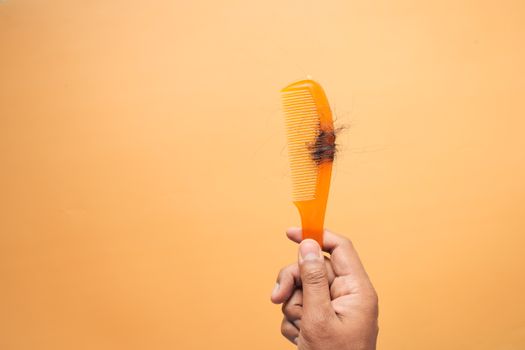
You don’t need a lab test to start. You can narrow the cause with a structured home assessment. Do the steps in order. Each step reduces uncertainty.
Step 1: Do a 2-minute shedding check (root vs shaft)
Collect 20–30 loose hairs from your brush or shower (not just one hair). Look closely at one end:
- If the hair has a small bulb or “club” at the end (a white/clear structure), that points more toward shedding from the root—consistent with telogen effluvium or androgenetic shedding.
- If the ends look frayed or the hair looks snapped in the middle and you see many short fragments, that points toward breakage.
If you can’t see clearly, use a bright light and a phone camera. You’re not diagnosing perfectly—you’re estimating which pathway is dominant.
Step 2: Map the pattern on your scalp
Take photos in consistent lighting of three views: hairline/temples, part line/crown, and overall density. Use the same angle each time. Then compare to older photos if you have them.
- Diffuse thinning across the scalp suggests telogen effluvium.
- Localized thinning at the crown/part line or temples suggests androgenetic hair loss.
- Overall length loss with rough ends suggests breakage, especially if scalp density looks relatively preserved.
Real-world scenario: You notice extra hair in the shower starting about 2 months after a high fever. Your part looks wider, but the thinning feels fairly even across the scalp. Your ends look normal and you find hairs with bulbs. This pattern strongly supports telogen effluvium rather than breakage.
Step 3: Time it against triggers
Write down any major events from the last 3–4 months. Include:
- Illness with fever (even if it lasted only 3–5 days)
- Significant stress or sleep collapse
- New medications
- Rapid weight loss (for example, losing 5–10% of body weight quickly)
- Childbirth or hormonal changes
Telogen effluvium commonly appears 6–12 weeks after the trigger. If your timeline matches, you’ve found a strong clue.
Step 4: Check your hair length distribution
In a mirror, look for an “uneven hair length” effect. Then run your fingers through the hair:
- Lots of short, flyaway pieces that never seem to extend suggest breakage.
- Uniform shedding with less hair overall suggests telogen effluvium or androgenetic hair loss.
Breakage can coexist with shedding. But if breakage is dominant, your repair plan should prioritize damage control immediately.
Step 5: Do a gentle traction test (without pulling hard)
Lightly tug a small section of hair. If hairs snap easily and you see many short fragments, damage/breakage is likely. If hair loss occurs but the hair mostly remains intact, shedding from the root becomes more likely.
Solutions from simplest fixes to more advanced actions
Now that you’ve narrowed the mechanism, you can troubleshoot with targeted steps. Start with the simplest, highest-yield actions first. Then escalate based on what you observe.
Start with the basics that help all three pathways
Even when the cause differs, the scalp and hair shaft still benefit from consistent care.
- Gentle washing: avoid aggressive scrubbing of the scalp. Use lukewarm water.
- Reduce mechanical stress: detangle with conditioner, use a wide-tooth comb, and avoid pulling wet hair.
- Heat and chemical pause: if you suspect breakage, reduce heat styling for 4–8 weeks and pause bleaching/color when possible.
- Scalp comfort: avoid tight hairstyles and harsh traction.
If you suspect telogen effluvium, these won’t stop shedding instantly, but they reduce additional hair loss from breakage while your follicles recover.
Damage control if breakage is likely
Breakage improves when you reduce stress faster than the hair breaks. Do this for 6–12 weeks:
- Trim split ends: even a small trim can prevent splits from traveling up the shaft.
- Lower heat exposure: if you use heat, keep it moderate and always use heat protection. Reduce frequency.
- Use a conditioner routine: apply conditioner to mid-lengths and ends. Consider leave-in conditioner for dry hair.
- Switch detangling habits: detangle in sections, start from ends, and avoid brushing dry hair aggressively.
- Protect at night: satin/silk pillowcase or loose braiding reduces friction.
Realistic expectation: breakage repair is visible when you stop seeing new short fragments and ends look less frayed. That often takes a few hair growth cycles—usually weeks to a couple of months—because the damage you already have can’t “un-split.”
Stabilize telogen effluvium with trigger-focused repair
Telogen effluvium often resolves when the trigger is corrected and time passes. Your goal is to remove the ongoing stressor and ensure your body has the building blocks.
- Correct iron deficiency if present: if you’ve had heavy periods, low red meat intake, or fatigue, iron deficiency is common. Don’t guess blindly—test when possible.
- Review protein intake: hair is protein-based. If you’ve been dieting or skipping meals, increase protein consistently.
- Check vitamin D and zinc if risk exists: deficiency can contribute to shedding in some people.
- Sleep and stress reduction: not as a slogan—your shedding timeline is sensitive to systemic stress. Aim for consistent sleep for 4–6 weeks.
Important timing detail: if shedding started after an event, it may continue for weeks even after you improve the trigger. Hair cycles don’t reset overnight.
Address androgenetic hair loss with evidence-based steps
Pattern thinning responds best to treatments that target the follicle environment. At-home steps won’t reverse miniaturization instantly, but they can slow progression and improve density over time.
- Track changes with photos every 2–4 weeks: androgenetic hair loss is slow. Short-term “hope” can waste time.
- Consider topical minoxidil if appropriate: it’s one of the more established options for androgenetic hair loss. It typically requires consistent use for at least 3–6 months to judge response.
- Use scalp-friendly routines: avoid harsh exfoliation that irritates the scalp—irritation can worsen shedding for some people.
Be cautious with expectations: initial shedding can occur early with minoxidil for some users. That doesn’t necessarily mean it’s failing, but it’s a reason to troubleshoot adherence, scalp irritation, and timing.
When you suspect both shedding and breakage, separate priorities
It’s common to have more than one process at once. For example, telogen effluvium can make your hair thinner, and the stress of that thinning can lead you to over-manipulate hair—causing breakage.
If you suspect both, do this:
- For 6–8 weeks: prioritize breakage reduction (heat pause, gentler detangling, trim split ends).
- At the same time: address telogen triggers (sleep, protein, correct deficiencies if confirmed).
- For pattern thinning: start follicle-focused measures and track with consistent photos.
This “parallel approach” prevents additional hair loss while you wait for shedding cycles to settle.
Use targeted tests when results matter (especially for telogen effluvium)
If shedding is significant, persistent, or you can’t identify a clear trigger, lab testing can speed up the troubleshooting. Common bloodwork clinicians consider for diffuse shedding includes:
- Ferritin/iron studies (iron deficiency can drive shedding)
- Complete blood count (CBC) (anemia clues)
- TSH (thyroid dysfunction can affect hair)
- Vitamin D
- B12/folate if diet risk exists
If you’re already on supplements, share doses with your clinician. Over-supplementation can also complicate interpretation.
When replacement or professional help is necessary
Most hair shedding conditions improve when the underlying cause is corrected and time passes. But replacement decisions and professional evaluation become necessary when the pattern is persistent, progressive, or accompanied by warning signs.
Get professional evaluation sooner if you notice red flags
Seek dermatology or a qualified clinician if you have:
- Sudden patchy hair loss (bald spots)
- Scalp pain, burning, or heavy scaling
- Thick crusting, pus, or intense itching
- Hair loss with systemic symptoms (fever, weight loss, new weakness)
- Rapid progression over weeks rather than months
These can indicate inflammatory or autoimmune processes that require specific treatment.
Consider ongoing specialist support if shedding lasts beyond the expected window
For telogen effluvium, shedding often improves within 3–6 months after the trigger is addressed, with continued gradual improvement up to a year. If you’re still seeing heavy shedding beyond that timeframe or you can’t find a trigger, professional assessment helps.
For androgenetic hair loss, it typically progresses over years without treatment. If you’re seeing clear pattern thinning over 3–6 months, earlier intervention can be more effective than waiting.
When “replacement” becomes a practical conversation
Replacement doesn’t mean “giving up.” It means matching realistic options to the mechanism.
- If it’s primarily breakage: replacement is usually not the solution. The focus should be on damage control and trimming.
- If it’s primarily telogen effluvium: replacement is rarely the first step. Time and trigger correction are usually central, though medical evaluation can help if deficiencies or thyroid issues are present.
- If it’s primarily androgenetic hair loss: replacement options (including surgical hair restoration) are typically considered after you’ve confirmed the pattern and discussed long-term management. Many people still use medications/topicals even if they pursue procedures, because the underlying miniaturization process persists.
If you’re contemplating replacement, you’ll get better outcomes when your diagnosis is clear and stable—meaning you’ve tracked shedding/pattern changes for enough time to know it’s not a temporary telogen event.
How to decide what to do next based on your troubleshooting results
Use your home checks to guide your next step:
- If you found bulb-ended hairs, your timeline matches a trigger 6–12 weeks earlier, and thinning is diffuse: prioritize telogen trigger repair and consider labs if it’s severe or prolonged.
- If thinning is patterned, part line/crown is clearly affected over months, and hair density declines slowly: prioritize follicle-focused management and track photos for 3–6 months.
- If you see short fragments, frayed ends, and uneven lengths: prioritize breakage reduction immediately (heat/chemical pause, gentler detangling, trim) for 6–12 weeks.
One last practical point: don’t let the first week of hair shedding fool you. Hair cycles lag behind your efforts. Your best leverage is consistent troubleshooting—then matching your repair plan to the dominant mechanism.
06.06.2026. 00:29