

Collagen Production, Connective Tissue, and the Extracellular Matrix

How collagen production supports connective tissue integrity

Your body’s tissues don’t just “hold together.” They are built on a living scaffold—an extracellular matrix (ECM)—that provides structure, transmits force, and coordinates how cells behave. The most abundant structural protein in that scaffold is collagen. When collagen production is efficient and well-regulated, connective tissue tends to be stronger, more resilient, and better able to recover after stress.
However, collagen production is not a simple on/off process. It depends on cellular activity (especially fibroblasts), the availability of specific nutrients and cofactors, oxygen levels, and the quality of the signaling environment. It also changes with age, chronic inflammation, and repeated mechanical loading.
In this guide, you’ll connect the dots between collagen production, connective tissue, and the extracellular matrix—then translate that biology into practical, tissue-integrity focused actions you can apply.
Connective tissue and the extracellular matrix: what they do
Connective tissue includes structures such as tendons, ligaments, cartilage, fascia, and the supportive layers beneath skin. These tissues are rich in ECM, which is the non-cellular component that surrounds cells. The ECM is not inert. It influences cell migration, gene expression, and how quickly tissues repair.
The ECM as a biomechanical and biochemical platform
The ECM provides:
- Mechanical support: resistance to stretch, compression, and shear.
- Elastic recoil: helping tissues return toward their original shape.
- Biochemical signaling: binding sites for growth factors and cell receptors.
- Guidance for repair: a “pathway” that cells use during remodeling.
Collagen is a major contributor to the ECM’s tensile strength. Other ECM components—such as elastin, proteoglycans, and glycoproteins—help define hydration, elasticity, and cell signaling.
Fibroblasts and matrix turnover
In most connective tissues, fibroblasts are central to ECM maintenance. They synthesize collagen and other matrix proteins, then remodel the matrix by regulating enzymes that break down old components. This balance is called matrix turnover. When turnover is healthy, you maintain tissue properties over time. When it becomes imbalanced—such as increased breakdown, reduced synthesis, or abnormal cross-linking—tissue integrity can decline.
Collagen production: the step-by-step biology
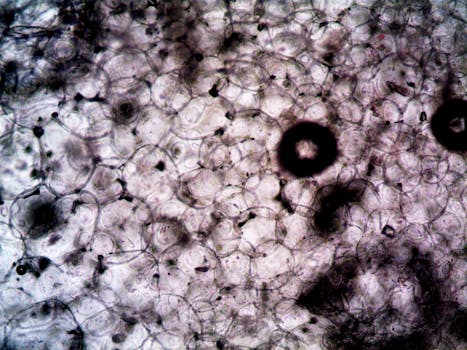
Collagen production is a multi-stage process. It starts inside cells and continues after collagen is secreted into the ECM. If any part of this pathway is impaired, the resulting collagen can be lower quality, less organized, or slower to form.
1) Gene expression and pro-collagen synthesis
First, cells transcribe collagen genes and translate them into protein chains called pro-collagen (which include additional segments needed for proper folding). Collagen is typically a triple-helix structure built from repeating amino acid patterns.
The key point: collagen production is highly dependent on the cell’s ability to build correctly folded chains. That requires energy, intact cellular machinery, and adequate nutrient availability.
2) Folding and post-translational modifications
Next, pro-collagen undergoes modifications that are essential for stability. Two cofactors commonly discussed in connective tissue health are:
- Vitamin C (ascorbate): required for hydroxylation reactions that help stabilize the collagen triple helix.
- Iron (as part of enzymatic systems): supports oxygen-handling processes involved in hydroxylation.
Without sufficient support, collagen folding can be less efficient. The result may be weaker collagen or altered remodeling dynamics.
3) Secretion and extracellular processing
After synthesis, collagen is secreted into the ECM. There it is processed to remove pro-peptide segments, enabling collagen fibrils to assemble properly.
4) Fibril assembly and cross-linking
Collagen fibrils are then stabilized by cross-links. Cross-linking is not automatically “good” or “bad.” Proper cross-linking helps collagen resist mechanical forces. But abnormal cross-linking—especially when driven by chronic hyperglycemia or prolonged oxidative stress—can make collagen stiffer and less functional.
In aging and some metabolic conditions, cross-link patterns may shift, contributing to changes in tissue stiffness, reduced elasticity, and slower recovery.
Collagen types and where they matter in your tissues
Not all collagen is the same. Different tissues use different collagen types to match their mechanical needs. Even within one tissue, collagen composition can vary by depth and location.
Common collagen types in connective tissue
- Type I collagen: abundant in tendons, ligaments, and much of the dermis. It supports tensile strength.
- Type II collagen: prominent in cartilage, supporting resistance to compression.
- Type III collagen: often associated with early wound repair and more flexible matrix formation.
In a real-world scenario, consider tendon healing after an injury. Early repair often relies on a different collagen pattern than the mature tendon. Over weeks to months, remodeling shifts the matrix toward more stable, mature collagen organization. That timeline is why return to full load is typically staged rather than abrupt.
Why collagen production changes with age and injury
Collagen production connective tissue extracellular matrix relationships are shaped by both time and stress. You can think of it as a continuous maintenance cycle that becomes less efficient in certain conditions.
Age-related remodeling and matrix stiffness
With aging, several trends can occur:
- Slower fibroblast activity: reduced capacity to synthesize and remodel ECM.
- Altered cross-linking: increased stiffness and reduced elasticity.
- Changes in inflammatory signaling: chronic low-grade inflammation can shift turnover balance.
These changes don’t mean your tissues “stop working.” They mean the maintenance and adaptation cycle may become less responsive, so recovery after strain can take longer.
Injury and the repair timeline
After tissue damage, collagen production ramps up, but the early matrix is often less organized. Remodeling then continues for weeks or months as collagen fibrils align and cross-link patterns mature.
For example, after a ligament sprain, you may feel improvement within a few weeks, but the tissue’s internal ECM remodeling can continue longer. That’s one reason structured rehabilitation emphasizes gradual loading: it provides mechanical cues that support better collagen organization.
Mechanical loading: the signal that guides ECM remodeling

Collagen production isn’t controlled by nutrients alone. Mechanical signals—tension, compression, shear, and movement patterns—help determine whether cells build matrix that matches the demands placed on the tissue.
How loading influences collagen organization
When you apply controlled mechanical stress, fibroblasts and related cells respond by:
- Adjusting collagen synthesis rates
- Modifying alignment of collagen fibers
- Regulating enzymes involved in matrix breakdown
- Coordinating ECM hydration and viscoelastic properties
But loading has to match the tissue’s current capacity. Too much too soon can increase breakdown and prolong inflammation. Too little can lead to under-stimulation, leaving the matrix less adapted to functional demands.
A practical example: tendon rehabilitation
Imagine you’ve developed Achilles tendon pain and your clinician recommends a staged loading program. Early on, your goal is often to reduce excessive irritation while maintaining some tendon loading. As symptoms settle, loading intensity and volume increase. Over time—commonly spanning 8 to 16 weeks for meaningful functional changes—your tendon’s ECM remodels toward a stronger, better-aligned collagen structure.
This approach works because it respects the biology of collagen production connective tissue extracellular matrix remodeling: you’re giving cells the mechanical cues they need, without overwhelming the repair process.
Nutrition and cofactors that support collagen production
Because collagen is a protein, your ECM maintenance depends on building blocks and biochemical cofactors. Nutrition can’t replace rehabilitation or recovery, but it can remove bottlenecks.
Amino acids: the raw materials for collagen synthesis
Collagen is rich in specific amino acids, including glycine, proline, and hydroxyproline. Your body can synthesize some components, but adequate total dietary protein supports tissue repair broadly.
In practice, if you’re under-eating protein or recovering from injury, you may notice slower healing or persistent soreness. Ensuring sufficient protein intake supports the general capacity for collagen production and matrix remodeling.
Vitamin C: critical for triple-helix stability
Vitamin C is essential for hydroxylation reactions that stabilize collagen’s structure. If your intake is consistently low, collagen production can be impaired.
Real-world scenario: someone with a limited diet and frequent fatigue might also experience slower wound healing. Even if they’re not aware of collagen biology, correcting vitamin C intake can support normal connective tissue maintenance.
Copper and zinc: enzyme support for remodeling
Copper and zinc are involved in enzymatic systems related to connective tissue metabolism. While deficiency is uncommon, inadequate intake can affect tissue integrity, especially during periods of high demand or malabsorption.
Hydration and ECM function
ECM hydration affects how tissues handle load. Proteoglycans and other matrix components influence water retention and tissue viscoelasticity. While hydration is not “collagen production” in the strict sense, it supports the environment where collagen fibrils function.
Inflammation, oxidative stress, and ECM quality
Chronic inflammation can shift ECM remodeling in ways that reduce tissue quality. Oxidative stress can also influence cross-link patterns and enzyme activity, which may lead to stiffer, less functional matrix.
Why “healthy remodeling” matters more than just making more collagen
You can increase collagen production signals, but if the ECM environment is hostile—high inflammatory signaling, poor oxygenation, or persistent oxidative stress—collagen may be produced in a less organized way.
That’s why tissue integrity is best approached as a system: load management, recovery, metabolic health, and nutrient sufficiency all interact.
Support strategies for tissue integrity you can apply
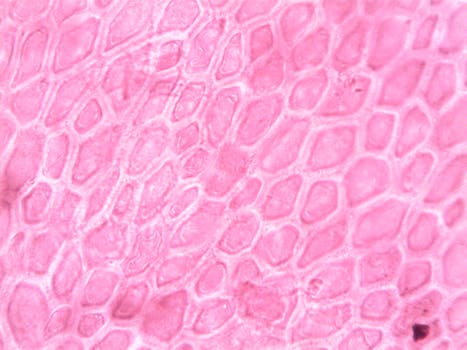
Collagen production connective tissue extracellular matrix health is influenced by both biology and behavior. Below are practical, non-medical steps that support the conditions under which your cells build and remodel ECM.
Use progressive loading, not sudden intensity
If you’re training or rehabilitating, progress gradually. A common mistake is returning to high intensity before the ECM has completed a remodeling phase. For many connective tissues, meaningful remodeling takes weeks to months, not days.
Prioritize sleep for recovery signaling
Sleep supports hormonal balance, immune function, and tissue repair processes. If you consistently get too little sleep, you may see slower recovery and a longer inflammatory phase.
Manage blood sugar and metabolic stress
Since abnormal cross-linking can be influenced by chronic hyperglycemia, stable metabolic health supports healthier ECM properties over time. If you have diabetes or prediabetes, working with a clinician to manage glucose can be an important tissue-integrity factor.
Ensure adequate protein and micronutrients
Rather than focusing on one “magic” ingredient, aim for overall dietary adequacy: sufficient protein, vitamin C from fruits and vegetables, and a balanced micronutrient intake from whole foods.
If you’re frequently injured, older, or have dietary restrictions, you may benefit from discussing nutrition targets with a qualified professional to align intake with your recovery needs.
Consider collagen-focused supplements carefully (when appropriate)
Some people use collagen peptides or gelatin as a practical way to increase collagen-derived amino acids. Evidence suggests that collagen peptides may support markers related to connective tissue metabolism in some contexts, but they don’t replace rehabilitation, load management, or overall protein adequacy.
If you choose to use collagen peptides or a gelatin-containing product, treat it as a supplement to your broader tissue-integrity habits. Look for products with clear labeling and consistent dosing, and consider tolerance and dietary fit.
For most people, the most important “supplement” is still the basics: adequate protein, vitamin C, and a recovery plan that matches the tissue’s remodeling timeline.
When to seek medical guidance
Some connective tissue problems need evaluation beyond self-management. Consider professional assessment if you have:
- Severe pain that doesn’t improve with time and load modification
- Marked swelling, bruising, or instability after injury
- Symptoms that worsen despite reducing irritant activity
- Unexplained functional loss (e.g., weakness, reduced range of motion)
In these cases, the ECM is often responding to a specific structural issue, and the right plan depends on diagnosis.
Summary: keeping collagen production and ECM remodeling on track
Collagen production connective tissue extracellular matrix health is a dynamic process. Collagen provides tensile strength and structural order, while the ECM coordinates cell behavior and tissue mechanics. Fibroblasts and related cells synthesize collagen, process it outside the cell, and remodel it through ongoing turnover.
Age, injury, inflammation, oxidative stress, and metabolic factors can shift remodeling toward stiffer or less organized matrix. Mechanical loading and recovery practices help guide the repair process, often over 8 to 16 weeks for noticeable functional change, and longer for full maturation in many scenarios.
To support tissue integrity, you’ll generally get the best results by combining:
- Progressive, tissue-appropriate loading
- Recovery-focused habits (especially sleep)
- Nutrition adequacy (protein and vitamin C)
- Metabolic stability to reduce adverse cross-linking conditions
When those pieces align, your body’s collagen production and ECM remodeling are more likely to produce connective tissue that can handle real-world demands—strongly, efficiently, and with fewer setbacks.
15.12.2025. 23:56