

Glycation, Inflammation & Extracellular Matrix Breakdown

Glycation and inflammation: the myth that they’re just “normal aging”
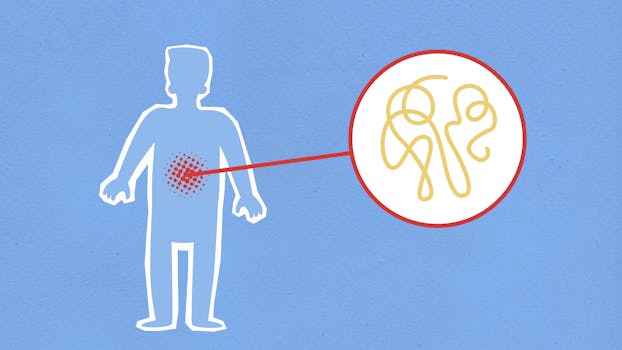
If you’ve heard that tissue damage is simply the price of getting older, you’ve been nudged toward a comforting—but incomplete—story. Aging does involve slower repair and gradual structural change. However, a specific biological pathway helps explain why some people experience earlier or more severe loss of tissue integrity: glycation-driven inflammation that progressively weakens the extracellular matrix.
The key phrase you’ll see in research is glycation inflammation extracellular matrix breakdown. It describes how sugar-related chemical changes (glycation) can promote inflammatory signaling, and how that inflammation can degrade the extracellular matrix (ECM)—the scaffold that keeps tissues strong, organized, and functional.
In this myth-busting guide, you’ll learn what’s real, what’s exaggerated, and what you can do to reduce risk. The goal isn’t to “optimize” your body with gadgets. It’s to understand mechanisms so your lifestyle and medical decisions align with tissue biology.
What glycation actually does to tissues
Glycation is a process where sugars react non-enzymatically with proteins, lipids, or nucleic acids. It’s different from normal metabolism. Instead of being tightly regulated, glycation reactions can create complex compounds collectively associated with advanced glycation end products (AGEs).
AGE formation tends to accelerate when glucose and oxidative stress are chronically elevated. In real tissues, that matters because the ECM is rich in long-lived structural proteins such as collagen and elastin. When these proteins become glycated, their mechanical properties can change—often making them stiffer and less resilient.
Here’s the practical implication: if collagen becomes more rigid and less well-organized, tissues can lose their normal ability to absorb load, recover from stress, and maintain cell–matrix communication. That sets the stage for a cascade involving inflammation and matrix breakdown.
Why “glycation” isn’t only about diabetes
A common myth is that glycation is only a diabetes issue. It’s true that sustained high blood glucose increases glycation. But glycation-related damage can also occur with:
- Intermittent spikes in glucose after meals, even if fasting glucose looks normal.
- Oxidative stress and reduced antioxidant defenses, which can speed AGE formation.
- Smoking and certain environmental exposures that elevate oxidative and inflammatory signaling.
- High total carbohydrate load in some dietary patterns, especially when fiber intake is low.
In other words, glycation risk is not a binary switch. It’s a dose-and-duration story: how often your metabolic environment favors these reactions and how well your body can counteract them.
Timeframes: how quickly can glycation matter?
Glycation is not purely a “decades from now” phenomenon. Some glycation changes can begin within weeks to months depending on glucose exposure, oxidative stress, and tissue turnover rates. Collagen is slow-turnover in many tissues, which is why cumulative exposure often becomes important over years. But inflammatory signaling linked to AGEs can be more immediate—minutes to hours—because cells respond to receptor activation, not just to structural changes.
That’s why you can see early functional changes (stiffness, reduced mobility, delayed recovery) before you can measure obvious structural failure.
How inflammation turns glycation into a breakdown signal

Inflammation is not automatically bad. Acute inflammation helps you handle injury and infection. The problem is chronic, low-grade inflammation that persists without resolution. Glycation can contribute by producing ligands that activate inflammatory pathways.
One of the most studied connections involves the receptor for AGEs (often discussed as RAGE). When AGEs bind to RAGE on cells, it can amplify inflammatory signaling through pathways that increase cytokines and promote oxidative stress. The result is a feedback loop: inflammation can increase oxidative conditions, which can further promote glycation and worsen matrix damage.
This is why the phrase glycation inflammation extracellular matrix breakdown is more than a list. It’s a coupled system. Glycation can prime inflammatory responses, and inflammation can degrade the ECM—creating a cycle that undermines tissue integrity.
What “ECM breakdown” looks like at the tissue level
The extracellular matrix is more than a passive scaffold. It organizes cell behavior, influences signaling, and provides mechanical strength. ECM breakdown typically involves:
- Increased activity of matrix-degrading enzymes, particularly matrix metalloproteinases (MMPs).
- Disruption of normal collagen architecture (alignment, cross-link quality, and turnover).
- Altered hydration and viscoelastic properties, which can affect how tissues absorb stress.
- Impaired cell–matrix communication, reducing the ability of resident cells to repair and remodel.
Inflammatory mediators can push these processes forward. Meanwhile, glycated proteins can resist normal remodeling and increase stiffness, which can further stress tissues mechanically.
A practical example: tendon pain that doesn’t “just heal”
Consider a common real-world scenario. You’ve had shoulder or elbow tendon pain that improves for a bit with rest and then returns. You may have tried typical strategies—reduced activity, physical therapy, anti-inflammatory approaches—yet recovery feels slow or incomplete.
In some cases, the underlying issue isn’t only mechanical overload. Chronic glycation and inflammation can shift tendon biology. Tendons have relatively low blood supply compared to muscle, and their ECM is collagen-rich. If collagen becomes more glycated and the inflammatory environment stays elevated, you can get a pattern of:
- Stiffer, less adaptable tendon ECM
- Persistent inflammatory signaling
- Disrupted remodeling and slower structural recovery
This doesn’t mean glycation is the only cause. It means that when you understand the glycation–inflammation–ECM pathway, you can see why some people experience prolonged healing timelines—especially if glucose regulation, oxidative stress, or chronic inflammation are not addressed.
Myth: “Matrix breakdown is unavoidable once you’re older”
It’s true that ECM remodeling changes with age. Collagen turnover can slow in many tissues, and repair mechanisms often become less efficient. But the myth is that breakdown is strictly inevitable and unstoppable.
In reality, the rate and severity of ECM degradation depend on modifiable drivers. Glycation and inflammation are two of the most actionable ones because they respond to measurable lifestyle and clinical factors.
Even if you cannot reverse every age-related change, you can often reduce the inflammatory tone and the metabolic conditions that fuel glycation. That can shift your body toward a more favorable remodeling environment.
What drives faster-than-expected ECM breakdown
If you’re experiencing early stiffness, reduced mobility, or persistent tissue discomfort, consider whether one or more of the following are present:
- Chronic hyperglycemia or frequent glucose spikes
- Smoking or exposure to tobacco smoke
- High oxidative stress (poor sleep, intense chronic stress, low recovery)
- Low dietary fiber and limited micronutrient intake supporting antioxidant systems
- Chronic inflammatory conditions (autoimmune disease, recurrent infections)
- Insufficient mechanical loading (too little movement can impair tissue maintenance) or excessive overload without recovery
When these factors stack up, ECM breakdown can accelerate beyond what you’d expect from chronological age alone.
Myth: “Lowering blood sugar automatically prevents ECM damage”
Reducing blood glucose is important, but it’s not the whole story. Glycation depends not only on glucose but also on oxidative stress and the inflammatory environment. Two people can have similar glucose numbers while experiencing different levels of tissue stress due to:
- Different antioxidant and inflammatory baseline
- Different smoking or environmental exposure
- Different sleep duration and circadian alignment
- Different body composition, muscle mass, and insulin sensitivity
Also, ECM breakdown is influenced by mechanical cues. If tissues are repeatedly overloaded without adequate conditioning or recovery, the ECM experiences microtrauma. Inflammation and remodeling then become part of the response. If glycation is also elevated, the environment can tilt toward slower or less efficient repair.
Why “post-meal” matters more than many people think
Fasting labs can look fine while post-meal glucose excursions remain high. These excursions can repeatedly expose tissues to reactive sugars and oxidative stress. Over time, that can contribute to glycation load.
Practically, this is why strategies that reduce post-meal spikes—like pairing carbohydrates with fiber and protein, and adding short movement after meals—can matter even if your fasting glucose is normal.
Myth: “Anti-inflammatories fix the problem at the root”

Anti-inflammatory medications can reduce symptoms for some conditions. But the myth is that inflammation is the only driver and that suppressing it automatically stops ECM breakdown.
Inflammation is a downstream response. If the upstream signals—like glycation pressure, metabolic stress, oxidative load, and persistent mechanical microtrauma—continue, inflammation often returns or persists in a different form.
Additionally, some anti-inflammatory strategies can affect healing dynamics depending on dose, duration, and tissue context. The point isn’t to discourage medical treatment. It’s to recognize that symptom reduction is not the same as addressing the glycation–inflammation–ECM loop.
What you can do to reduce glycation-driven inflammation and protect the ECM
You can’t “turn off” glycation completely. But you can lower the conditions that promote it and support healthier remodeling. Think in three layers: metabolic control, inflammatory tone, and tissue maintenance.
1) Improve glucose patterns, not just fasting numbers
Focus on reducing both average glucose exposure and the spikes after meals. Practical approaches include:
- Build meals with fiber: aim for a steady intake of vegetables, legumes, whole grains, and other high-fiber foods.
- Pair carbohydrates with protein and healthy fats to slow absorption.
- Use portion awareness: large carbohydrate loads in a single sitting can drive larger excursions.
- Consider timing: if you eat late at night, glucose control and recovery may worsen for some people.
- Movement after meals: even 10–20 minutes of gentle walking can reduce post-meal glucose in many individuals.
If you have known diabetes or prediabetes, clinical guidance matters. Targeted medical care can reduce glycation pressure by improving glucose regulation consistently over time.
2) Reduce oxidative stress that accelerates AGE formation
Oxidative stress and inflammation are tightly linked. You don’t need to chase extreme interventions. You need consistent support for antioxidant capacity and recovery:
- Sleep: aim for 7–9 hours for most adults. Short sleep is associated with worse glucose regulation and increased inflammatory signaling.
- Stress management: chronic stress elevates cortisol and can disrupt glucose control and recovery.
- Diet quality: prioritize micronutrient-rich foods (berries, leafy greens, legumes, nuts, olive oil, herbs/spices). These support antioxidant systems.
- Avoid smoking: tobacco smoke is a strong contributor to oxidative/inflammatory burden.
Real-world example: if you’re working long shifts and sleeping 5–6 hours most nights, you may see persistent tissue stiffness and slow recovery even if your diet is “okay.” Addressing sleep can change glucose patterns and inflammatory tone, which can indirectly reduce glycation pressure.
3) Support ECM remodeling with appropriate mechanical loading
The ECM responds to mechanical cues. Both underloading and overloading can harm tissue integrity.
Practical guidance depends on the tissue involved, but the general principles are consistent:
- Use progressive loading when tissues are deconditioned.
- Respect recovery: persistent microtrauma without adequate rest can sustain inflammation.
- Incorporate mobility and strength: these improve tissue capacity and reduce repeated stress on vulnerable structures.
- If pain persists, get assessment rather than assuming it will resolve on its own.
For tendon or joint issues, a structured physical therapy plan that gradually builds tolerance can reduce the mechanical drivers that amplify inflammation.
4) Consider evidence-based supplements or nutrients cautiously
Supplements can play a role for some people, but they are not a substitute for metabolic and lifestyle drivers. Still, certain nutrients are frequently discussed in the context of oxidative stress, inflammation, and tissue repair.
For example, omega-3 fatty acids (such as EPA and DHA) are studied for anti-inflammatory effects in some contexts. Vitamin C supports collagen-related pathways and antioxidant function, though it won’t “cancel” glycation if glucose exposure remains high. Magnesium may support metabolic health for some individuals.
If you choose to use these, treat them as supportive—not foundational—and ensure they fit your health status and medications. A clinician can help you avoid risks such as bleeding risk with high-dose omega-3s or interactions with certain medications.
Also, you may see products described as “anti-glycation.” The myth is that any single supplement blocks glycation completely. In practice, the most meaningful reductions come from consistent improvements in glucose patterns, oxidative stress, and inflammation drivers.
Relevant biomarkers and what they can (and can’t) tell you
Because this pathway involves multiple processes, single measurements rarely capture the whole story. Still, certain markers can help you understand whether glycation and inflammation are likely relevant to your tissue integrity.
Glycation-related markers
HbA1c reflects average blood glucose over roughly 2–3 months. If it’s elevated, glycation pressure is often higher. Fasting glucose and fasting insulin can provide additional context, especially for insulin resistance.
Some people also discuss AGEs directly, but tests vary in availability and interpretation. If you’re considering specialized testing, ask how it would change your decisions.
Inflammation-related markers
hs-CRP (high-sensitivity C-reactive protein) is commonly used as a general inflammation signal. It doesn’t identify the exact source, but it can indicate whether systemic inflammation is elevated.
Again, the myth is that a single number explains everything. The value is in trend and context—how the marker changes with improved metabolic control, sleep, weight, and activity, and how symptoms evolve.
How the pathway shows up in different tissues

ECM breakdown can affect many tissues, but the ECM composition and turnover differ. That means the “feel” and timeline of damage can vary.
Skin and connective tissue
When glycation increases and collagen remodeling becomes impaired, skin may lose elasticity and become stiffer. This can show up as slower recovery from stretching or reduced skin resilience. Inflammatory signaling can also influence local tissue behavior.
Blood vessels
Vascular ECM changes can contribute to reduced compliance and increased stiffness. Elevated glycation pressure and inflammation can influence endothelial function and the balance between repair and degradation.
Joints and cartilage-adjacent structures
Joint tissues rely on ECM integrity for smooth movement and load distribution. Chronic inflammation can increase matrix-degrading enzyme activity, while glycation can change the mechanical properties of collagen-rich components.
Tendons and ligaments
Tendons and ligaments are collagen-dominant. When collagen becomes more glycated and inflammatory signaling persists, healing can slow. Mechanical overload without adequate conditioning can compound the problem.
Prevention guidance: a tissue-integrity approach you can sustain
Prevention is not a single action. It’s a pattern that reduces glycation pressure, dampens chronic inflammatory signaling, and supports ECM remodeling.
Build a practical weekly plan
You don’t need perfection. You need consistency. Consider a plan that includes:
- Most meals include fiber-rich plant foods plus protein (beans, lentils, yogurt, eggs, fish, tofu, chicken, etc.).
- Daily movement: at least one short walk after meals when feasible.
- Strength or mobility work 2–4 times per week depending on your condition and tolerance.
- Sleep protection: keep a consistent schedule and aim for 7–9 hours.
- Smoking avoidance and minimizing exposure to secondhand smoke.
This approach targets upstream drivers rather than only treating downstream symptoms.
When to seek medical input
If you have symptoms that suggest persistent inflammation or metabolic dysregulation—such as frequent infections, unexplained fatigue, numbness, delayed wound healing, or ongoing joint/tendon pain—medical evaluation is appropriate. Tissue integrity issues often improve when metabolic risk factors and inflammatory conditions are addressed.
Also, if you’re already diagnosed with prediabetes or diabetes, it’s worth discussing glycemic targets and whether your current plan addresses post-meal patterns, not just fasting values.
Summary: glycation inflammation extracellular matrix breakdown is a modifiable pathway
The myth is that extracellular matrix breakdown is simply inevitable with age. The better truth is that ECM integrity is influenced by ongoing metabolic and inflammatory conditions. Glycation can increase stiffness and alter protein behavior. Inflammation can activate matrix-degrading processes. Together, they can push tissues toward slower repair and more persistent dysfunction.
You don’t have to chase a single “anti-glycation” trick. You can meaningfully reduce glycation-linked inflammation by improving glucose patterns, lowering oxidative stress, and supporting healthy mechanical loading. Over time—weeks for functional shifts and months to years for structural remodeling—your tissue environment can become more favorable.
If you treat this pathway as a tissue-integrity system rather than a vague aging process, you’ll have a clearer framework for why your body heals the way it does—and what changes are most likely to help.
10.02.2026. 12:33