

Breathwork for Emotional Regulation: A Step-by-Step Guide

Goal: use breathwork for emotional regulation in the moment

When emotions spike—stress, anger, anxiety, overwhelm—your body often responds faster than your thoughts. Breathwork helps you interrupt that loop by changing how air moves through your body and how your nervous system interprets safety. The goal of breathwork for emotional regulation is not to “stop feeling” but to regain choice: you create a brief window where you can think more clearly, respond instead of react, and settle your physiological arousal.
This guide focuses on practical, repeatable techniques you can use at home, at work, or before a difficult conversation. You’ll learn how to prepare, run a session step-by-step, and troubleshoot when your practice feels ineffective or uncomfortable.
Preparation: set up your environment and choose a safe starting point
Breathwork is simple, but preparation improves results and reduces the chance of feeling lightheaded or distracted.
- Pick a quiet location: Choose a place where you can sit or stand without interruption for 5–15 minutes.
- Wear comfortable clothing: Avoid tight waistbands or anything that restricts chest or belly movement.
- Use a stable posture: Sit with feet flat on the floor, or lie down if you’re practicing longer sessions.
- Set a timer: Emotional regulation often requires consistency; a timer prevents you from rushing.
- Start with gentle patterns: If you’re new, avoid intense breath holds or very fast breathing. Begin with slow, comfortable breathing.
- Consider your health context: If you have asthma that’s sensitive to breathing changes, a history of panic attacks, or any medical condition that affects breathing, practice conservatively and discontinue if symptoms worsen.
If you like structure, you can use a simple breath timer app or a metronome-style audio cue to keep your pacing steady. Many people also find a soft eye mask helpful for reducing visual distractions during longer practices.
Step-by-step: a practical breathwork sequence for emotional regulation

Use this sequence when you notice emotional intensity building. It’s designed to be effective even if you only have a few minutes.
- Notice and label what’s happening
Before you breathe, take 10 seconds to identify the emotion and body signals. For example: “Anxious—tight chest, fast thoughts.” This helps your brain associate the practice with regulation rather than avoidance. - Set your posture
Sit tall but relaxed. Let your shoulders drop. Place one hand on your belly and the other on your chest if it helps you feel the movement of breathing. - Do a baseline breath check (30–60 seconds)
Breathe naturally. Don’t force. Just observe: Are your breaths shallow or deep? Are you breathing through your mouth or nose? Are you holding tension in your jaw? - Switch to nasal breathing
Inhale through your nose and exhale through your nose if possible. If nasal breathing is uncomfortable, you can use the mouth for exhale only—aim for smoothness rather than perfection. - Run the “long exhale” cycle (2–4 minutes)
Make your exhale longer than your inhale. A simple ratio is 4 seconds in, 6–8 seconds out. Keep it comfortable; the goal is to slow your physiological arousal, not to strain. - Add gentle abdominal breathing (1–2 minutes)
As you inhale, allow the belly to expand slightly. As you exhale, let the belly soften back toward neutral. If you feel your chest taking over, reduce effort and return to a relaxed belly motion. - Use a regulating pause (3 rounds)
After each exhale, pause for 1 second without forcing breath-holding. Then inhale naturally. Repeat for three cycles. This brief pause can help your nervous system “catch up” and reduce impulsive reactions. - Finish with a calm reset (60–90 seconds)
Return to natural breathing for a minute. Then take one slightly deeper inhale and a slow exhale, as if you’re “closing the loop” on the moment. - Re-check your state (30 seconds)
Ask: What changed? Rate intensity from 0–10. Notice the body first (jaw, shoulders, breath depth), then the mind (clarity, urge to react). Regulation is often subtle at first.
Practical example: You’re about to respond to a critical email and feel heat rising. Sit down, do the long exhale cycle for 3 minutes, then re-check your intensity. You may not feel “happy,” but you’ll likely feel more able to choose your response.
Step-by-step: a quick 60–90 second protocol for sudden emotional spikes
For moments when you can’t step away for long, use a micro-practice. Keep it simple and repeatable.
- Stop and soften your body
Drop your shoulders and relax your jaw. Even a small physical release lowers the intensity of the emotion. - Exhale first
Take one comfortable inhale, then do a longer exhale than usual. Let the exhale be smooth, not forced. - Repeat 5 cycles
Inhale through the nose for about 3–4 seconds, exhale for 5–7 seconds. Keep the pace steady. - Do one “reset breath”
Inhale normally, then exhale slowly while letting your attention widen (feel your body contact the chair/ground). - Return to the task
Choose the next action deliberately. If you’re responding to someone, pause before speaking.
Practical example: During a disagreement, you feel your pulse quicken. Perform the 5-cycle protocol while maintaining eye contact or looking down briefly. Your voice may slow, and your words can become more measured.
Step-by-step: build emotional regulation with a 10–15 minute daily practice
Short in-the-moment sessions help you in real time; daily practice builds your baseline so you recover faster. This routine emphasizes gentle control, not intensity.
- Choose a consistent time
Morning or early evening works well. Consistency matters more than duration. - Start with 2 minutes of natural breathing
Notice the breath without changing it. This trains awareness. - Use a paced inhale/exhale rhythm (5–8 minutes)
Try 4 seconds in and 6 seconds out. If that feels too slow, use 3 in and 4–5 out. The rhythm should feel sustainable. - Incorporate “breath attention”
Follow the exhale from the nose/throat to the belly/abdomen. If your mind wanders, return to the exhale sensation without judgment. - Finish with 2–3 minutes of slower breathing
Let the inhale become slightly shorter than the exhale. Keep it comfortable. - Close with a brief body scan
Scan from forehead to shoulders to chest to belly to hips. Notice what softens over time. - Log one observation
Write one sentence: “I recovered faster today,” or “I felt calmer before bed.” Tracking builds motivation and clarifies what works.
Practical example: After two weeks of daily long-exhale practice, you may notice that stressful news doesn’t send you spiraling as quickly. You’re training your system to downshift sooner.
Common mistakes: what to avoid when breathwork doesn’t feel effective

Breathwork can work quickly, but certain errors can reduce effectiveness or increase discomfort.
- Forcing the exhale: If you push air out forcefully, you may trigger tension and worsen anxiety. Aim for smooth, effortless lengthening.
- Breath holding too soon: Holding breath can be destabilizing for some people, especially during panic-prone moments. Use pauses only briefly and gently, or skip them entirely.
- Breathing too fast: Fast breathing is sometimes used in other modalities, but it often increases arousal. For emotional regulation, start with slower patterns.
- Trying to “think away” emotions: Regulation is physiological first. If you chase thoughts, you may fight your experience. Return attention to the breath sensations.
- Practicing through dizziness: Lightheadedness can happen if you change breathing dramatically. If you feel faint, stop, return to natural breathing, and resume with a gentler pace.
- Consistency without adjustment: If you practice the same ratio every time and it never feels good, adjust. A comfortable breath is more effective than an “ideal” one.
- Skipping posture and tension checks: Tight shoulders and jaw clenching can overpower the breath. Soften the body first, then breathe.
Additional practical tips and optimisation advice
Small refinements can meaningfully improve emotional regulation outcomes. Use the guidance below to tailor breathwork to your body and your daily life.
Match the technique to the emotion intensity
Different emotions may require different pacing. When you feel activated (wired, agitated), prioritize longer exhales and slower breathing. When you feel flat or numb, you may benefit from slightly deeper inhalations while still keeping exhale longer than inhale. Keep the overall pace comfortable.
Use breath cues you can remember under stress
Stress makes recall difficult. Choose a simple cue you can follow:
- “Longer out”: exhale lasts about 1.5–2 times the inhale.
- “Exhale first”: start your micro-practice with a longer exhale.
- “Soft belly”: let the belly expand on inhale and soften on exhale.
These cues reduce decision fatigue during emotional moments.
Coordinate breath with attention
Breath regulation improves faster when attention is anchored. Try counting exhales from 1 to 10, then restarting. If you lose count, simply begin again—this is part of training.
Pair breathwork with a physical “landing” action
For many people, emotional regulation improves when breathing is paired with a grounding signal. Examples:
- Press feet firmly into the floor during the long-exhale cycle.
- Place both hands on the belly and feel expansion/softening.
- Relax the tongue and slightly separate lips during exhale.
This gives your nervous system consistent feedback: you are here, and you are safe.
Track what changes rather than how you “feel”
Instead of chasing a specific mood outcome, track measurable shifts: breath depth, jaw tension, heart rate perception, or urge to respond. Emotional regulation often shows up as “I paused before reacting,” which is a functional win.
Integrate breathwork into daily triggers
Choose predictable moments to practice:
- Before meetings or calls
- Before opening stressful messages
- After conflict to downshift
- Before sleep to reduce rumination
Over time, your brain learns that these cues predict safety, making regulation easier.
Consider supportive tools without making it complicated
You don’t need special equipment, but a few tools can support consistency:
- Breath pacing audio: A simple timer or metronome can help you keep inhale/exhale ratios steady.
- Comfort aids: A supportive cushion can help you sit without tensing.
- Eye mask: Reduces visual stimulation during longer practices, which can help attention settle.
If you use any device or app, keep your practice gentle and prioritize comfort over intensity.
Know when to pause or seek guidance
If breathwork regularly triggers panic symptoms, worsening dizziness, or significant breathing discomfort, stop and adjust. Emotional regulation should feel stabilizing, not destabilizing. In those cases, consider working with a qualified clinician or a breathwork instructor trained in safety and trauma-informed approaches.
Step-by-step: troubleshoot your session when you feel stuck
If you complete a breathwork session and your emotion doesn’t shift, don’t assume it “failed.” Use the troubleshooting steps below.
- Slow down the exhale pacing
If you were using a very long exhale, shorten it slightly. Over-lengthening can create tension in some bodies. - Return to natural breathing for 30 seconds
Then restart with 3–4 cycles of gentle long exhales rather than continuing immediately. - Check for hidden tension
Relax jaw, drop shoulders, soften the tongue. Emotional intensity often remains high when the body stays braced. - Change the breathing location
If you feel only the chest moving, shift awareness to belly expansion. If the belly feels strained, reduce effort and allow smaller movement. - Shorten the session
Try 3 minutes instead of 10. Many nervous systems respond better to smaller doses repeated more often. - Practice after the peak
If you’re at maximum emotional activation, do the micro-protocol first. Then, later, do a longer session when you’re calmer.
Practical example: You’re still irritated after 10 minutes of long-exhale breathing. You pause, soften your posture, and do 5 micro cycles. The irritation may not vanish, but your reaction becomes less automatic.
Step-by-step: use breathwork to respond, not react
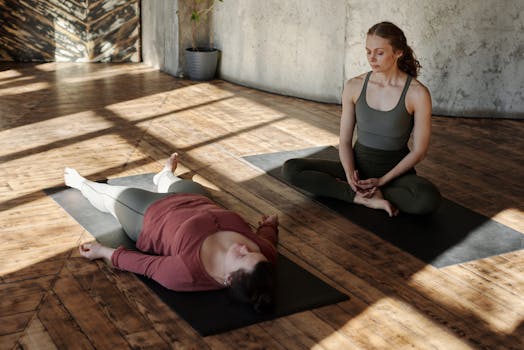
The final goal of breathwork for emotional regulation is behavioral. You want the moment after breathing to support a better choice.
- Run a regulation cycle
Use either the 2–4 minute long-exhale sequence or the 60–90 second micro protocol. - Wait for the urge to pass
Notice the impulse to speak, text, or defend. Give it 10–20 seconds while you keep breathing gently. - Choose a next action
Examples: ask one clarifying question, delay your reply, take notes, or step away briefly. - Verify your state
Rate intensity again. If it’s still high, repeat one shorter cycle rather than extending indefinitely. - Close the loop
After you respond, do one slow exhale to return to baseline. This reduces carryover into the next interaction.
With repetition, breathwork becomes a reliable tool: you’re not waiting for emotions to disappear—you’re creating the conditions for wise action.
30.12.2025. 22:16