

Tissue Stiffness vs Connective Tissue Health

Why tissue stiffness and connective tissue health are linked
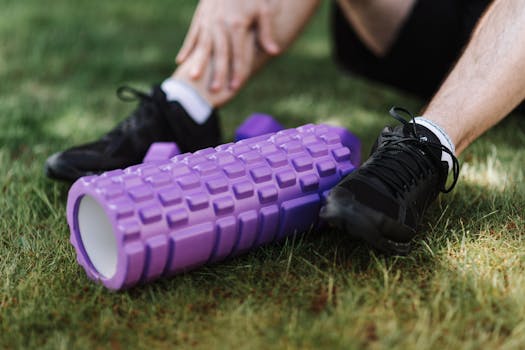
Tissue stiffness is often described as “tightness,” limited range of motion, or a sense that tissues do not glide well. Connective tissue health, on the other hand, refers to how effectively ligaments, tendons, fascia, and the extracellular matrix support load, repair micro-damage, and maintain appropriate hydration and mechanical properties. In practice, these two concepts overlap: when connective tissue health declines, stiffness frequently increases, and when stiffness becomes chronic, it can further stress connective tissues and impair their ability to recover.
Understanding the relationship between tissue stiffness vs connective tissue health helps explain why mobility changes can occur without obvious injury, why some tissues feel “stuck” even when muscle strength seems adequate, and why long-term improvement usually depends on both mechanical and biological factors—load management, circulation, tissue hydration, and progressive remodeling.
What “tissue stiffness” means in real biological terms
Stiffness is not simply a sensation; it is a measurable mechanical property. In connective tissues, stiffness reflects how much force is required to produce a certain amount of deformation. Several mechanisms can raise stiffness:
- Altered extracellular matrix composition (for example, changes in collagen organization or cross-linking patterns that make tissues less compliant).
- Reduced hydration within the extracellular matrix, which can limit the tissue’s ability to distribute load and move smoothly.
- Impaired remodeling where micro-damage is not repaired efficiently, leading to a progressively less adaptable tissue.
- Neural and protective guarding that increases muscle tone and reduces joint motion, indirectly increasing perceived stiffness.
- Inflammatory signaling that can change tissue behavior and sensitivity, sometimes making tissues feel “tight” or painful.
Importantly, stiffness can be transient or chronic. Short-term stiffness may come from reduced movement, minor tissue irritation, or temporary changes in fluid dynamics. Chronic stiffness often involves longer-term structural and biochemical changes in connective tissues and their signaling environment.
Connective tissue health: the systems that keep tissues resilient
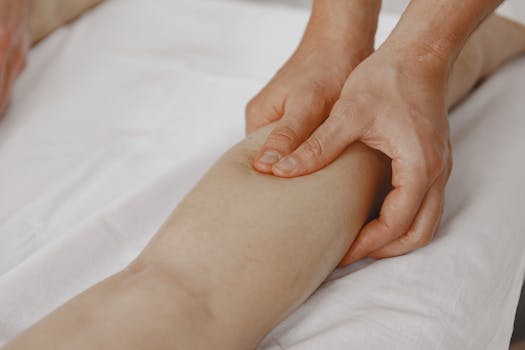
Connective tissue health is best understood as a balance between structure and function. Healthy connective tissue supports:
- Mechanical capacity: the ability to tolerate load without excessive deformation or breakdown.
- Controlled remodeling: ongoing turnover of matrix components and repair of micro-injury.
- Appropriate viscoelastic behavior: tissues should respond smoothly to slow stretching and return toward baseline without excessive resistance.
- Efficient cell signaling: fibroblasts and other resident cells respond to mechanical cues and biochemical signals to maintain matrix quality.
- Fluid balance: hydration and transport processes influence friction, gliding, and shock absorption.
When these systems are disrupted—by prolonged inactivity, repetitive overload without adequate recovery, nutritional insufficiency, poor sleep, persistent stress, or age-related matrix changes—connective tissues may become less compliant and more sensitive. This is where “tissue stiffness vs connective tissue health” becomes clinically relevant: stiffness is often a symptom of broader connective tissue and recovery dysfunction.
How stiffness develops when connective tissue health declines
Connective tissues adapt to the forces placed on them. The matrix is dynamic, not static. Several pathways can contribute to stiffness when health declines:
Collagen cross-linking and matrix organization
Collagen provides tensile strength, but its mechanical behavior depends on how collagen fibers are arranged and cross-linked. Certain cross-link patterns can increase tissue stiffness and reduce elasticity. This can occur with aging, prolonged low-load periods, or chronic inflammatory conditions. Even when total collagen content is not dramatically altered, changes in fiber alignment and cross-linking can reduce the tissue’s ability to deform and recover smoothly.
Reduced proteoglycan hydration and altered ground substance
The extracellular matrix contains not only collagen but also proteoglycans and other components that help attract and retain water. When hydration decreases or the ground substance becomes less effective at distributing load, tissues may feel “dry,” less gliding, and more resistant to movement. While hydration is influenced by many factors (including circulation and overall health), the matrix’s ability to retain water is a key contributor to healthy viscoelasticity.
Chronic low-grade inflammation and altered signaling
Persistent inflammation can change how connective tissue cells behave. Fibroblasts may shift their production patterns, and signaling molecules can increase sensitivity and slow down effective remodeling. The result is often a tissue that does not “bounce back” as well, with greater mechanical resistance and sometimes lingering discomfort.
Inadequate load variety and recovery
Connective tissue health depends on varied, progressive loading. When tissues are exposed to repetitive stress without adequate recovery—or when movement is overly restricted for long stretches—remodeling can become imbalanced. Under-loading can reduce matrix turnover and adaptability, while overloading can increase micro-damage without sufficient repair time. Both situations can increase stiffness.
Stiffness isn’t always “bad”: the difference between protective and pathological stiffness
Not all stiffness indicates tissue harm. After injury, stiffness can be protective as the body limits motion while repair occurs. In these cases, stiffness may gradually decrease as tissues remodel and tolerance improves. The challenge is distinguishing normal protective adaptation from maladaptive stiffness that persists and worsens.
Patterns that suggest maladaptive stiffness include:
- Stiffness that progressively limits function rather than improving over weeks.
- Persistent pain or sensitivity that escalates with gentle movement.
- Stiffness that returns quickly after temporary relief.
- Reduced ability to tolerate progressively loaded movement over time.
In contrast, stiffness that gradually improves with appropriate mobility and strengthening is often part of normal remodeling. The goal is not to eliminate stiffness at all costs, but to restore healthy tissue behavior—adequate support with appropriate compliance and recovery.
How to assess connective tissue health through function
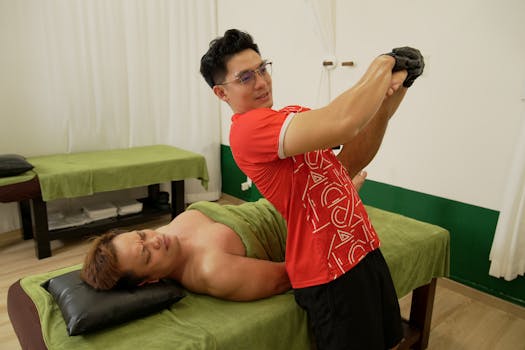
Connective tissue health is best evaluated indirectly through function and response to loading. While lab testing exists, most practical assessment relies on observation of movement, symptoms, and progression. Consider:
Range of motion quality
Look for whether motion is limited at end range due to mechanical resistance or due to fear/guarding. If range improves with gentle repeated exposure, it may reflect transient protective stiffness. If range remains rigid despite appropriate warm-up and graded load, matrix stiffness may be a larger factor.
Response to progressive loading
Healthy connective tissues typically tolerate a gradual increase in load. If a tissue becomes rapidly more painful or more restricted after light activity, connective tissue irritability may be elevated. This doesn’t automatically mean damage, but it indicates that remodeling capacity may be compromised.
Tissue “glide” and friction sensations
Some people describe restricted sliding or “stuck” sensations between layers. While subjective, these experiences can reflect changes in ground substance hydration, local inflammation, or altered fascial mechanics. Improving glide often requires more than stretching alone; it usually involves circulation, graded movement, and sustained loading.
Recovery time after activity
Connective tissue health includes the ability to recover and return to baseline. If symptoms persist for days after relatively modest exertion, recovery processes may be struggling. That can contribute to ongoing stiffness.
Practical strategies to support tissue compliance and connective tissue health
Improving stiffness and connective tissue function usually requires a combined approach: mechanical loading, movement quality, recovery, and—when relevant—addressing underlying drivers such as nutrition, sleep, and chronic stress. The most effective plan is typically individualized, but the principles below are widely applicable.
Use graded mobility rather than only end-range stretching
Stretching can help, but connective tissues respond best to repeated, graded exposure. Gentle mobility done multiple times per day can reduce protective stiffness and encourage fluid movement through tissues. End-range stretching may still be useful, but it tends to work better when it is introduced progressively and paired with strengthening so the tissue learns safe compliance.
Progressive loading builds remodeling capacity
Connective tissue health improves when tissues are trained to handle load. Strength training is not just for muscle; it also influences tendons, ligaments, and fascia through mechanical signaling. Progressive overload—slowly increasing resistance, time under tension, or range—helps drive beneficial remodeling. The key is pacing: increases should be small enough that symptoms do not escalate.
Vary loading patterns to avoid stiffness “lock-in”
Stiffness often becomes entrenched when movement patterns are repetitive and limited. Incorporating different movement planes, different speeds, and different intensities can improve tissue adaptability. For example, adding controlled eccentric work (slow lowering), isometric holds (static tension), and dynamic movement (controlled motion) can provide a broader stimulus than a single mode alone.
Support circulation and hydration through low-to-moderate movement
Because hydration and transport in the extracellular matrix are influenced by overall circulation and activity patterns, regular low-to-moderate movement can complement targeted training. This might include walking, cycling, or gentle mobility sessions. The aim is not intense training every day, but consistent movement that supports tissue environment.
Prioritize recovery: sleep, stress management, and symptom pacing
Connective tissue remodeling is energy- and signaling-dependent. Poor sleep and high stress can impair recovery and increase pain sensitivity. Symptom pacing—adjusting activity so tissues can recover—helps prevent repeated flare cycles that can sustain stiffness.
When hydration and matrix support matter most
Some stiffness patterns are strongly influenced by hydration and matrix environment. People often notice that tissues feel better after being warm or after periods of consistent movement. This suggests that fluid dynamics and tissue viscosity play a role. While no single supplement “fixes” connective tissue health, matrix-supportive nutrients can be relevant when intake is insufficient or when dietary patterns are limited.
For example, collagen peptides are commonly used in research and practice as a way to provide amino acids for collagen synthesis; however, the most important drivers remain adequate protein intake, total calories, progressive training, and recovery. Vitamin C supports collagen formation as part of normal biochemical pathways, so insufficient intake can be a limiting factor. Omega-3 fatty acids may support a healthier inflammatory balance for some individuals. These nutrients are best viewed as supporting the body’s remodeling capacity rather than replacing mechanical stimulus.
It’s also worth noting that hydration is not only about drinking water. It includes overall energy balance, electrolyte status, and the body’s ability to regulate fluid distribution. If stiffness is accompanied by swelling, significant redness, or persistent heat, evaluation is important because the cause may be inflammatory rather than purely mechanical.
Common mistakes that keep stiffness high
Even when people understand that connective tissue health matters, a few common patterns can sustain stiffness:
- Stretching without strengthening: mobility work may temporarily reduce stiffness, but without loading tolerance, tissues may revert quickly.
- Overdoing aggressive stretching: frequent end-range forcing can increase irritability in tendons, ligaments, or surrounding tissue layers.
- Ignoring recovery: repeating workouts that flare symptoms can prevent remodeling and keep stiffness elevated.
- Relying on short-term fixes: temporary heat, brief massage, or short sessions can help, but connective tissue health requires repeated adaptation over time.
- Under-loading for too long: prolonged immobility can reduce matrix adaptability and increase mechanical resistance.
How long it takes to change stiffness and connective tissue behavior
Timeframes vary based on the cause, tissue involved, and how long stiffness has been present. In general:
- Short-term stiffness from reduced movement often improves within days to a couple of weeks with consistent mobility and gentle loading.
- Chronic stiffness related to matrix remodeling and altered mechanical properties may take several weeks to months. Changes in collagen organization and cross-link patterns are not instantaneous.
- Persistent pain with high irritability may require a more cautious approach that reduces flare cycles before progressive loading can be effective.
The most reliable indicator is not just symptom reduction, but improved function and improved ability to tolerate progressively more challenging movement.
Prevention: maintaining connective tissue health to reduce future stiffness
Preventing stiffness is largely about maintaining a supportive environment for connective tissue remodeling. Practical prevention guidance includes:
- Move regularly: consistent activity helps maintain tissue compliance and fluid dynamics.
- Train progressively: include strength work and controlled range exposure so tissues adapt to real-world loads.
- Use variety: different movement patterns reduce the risk of stiffness lock-in.
- Manage workload: increase intensity gradually and allow recovery to match tissue demands.
- Protect sleep and recovery: recovery quality supports repair and reduces pain sensitivity.
- Maintain adequate nutrition: sufficient protein, vitamin C, and overall micronutrient adequacy support collagen-related processes.
When stiffness does appear, early action matters. Addressing movement limitation with graded mobility and appropriate loading can prevent the problem from becoming entrenched.
Summary: using the stiffness–health lens to guide better tissue care
Tissue stiffness vs connective tissue health is best understood as a relationship between mechanical behavior and biological remodeling. Stiffness can be influenced by collagen organization, ground substance hydration, inflammation and signaling, and the balance of load versus recovery. While symptoms may feel like “tightness,” the underlying drivers often involve the extracellular matrix and the tissue’s capacity to adapt.
Improvement usually comes from consistent, graded movement and progressive loading paired with recovery and symptom pacing. Nutrients such as protein adequacy, vitamin C, and supportive dietary patterns can help provide building blocks for remodeling, but they work alongside—rather than instead of—mechanical adaptation. By viewing stiffness as a signal of connective tissue environment, you can choose strategies that restore function rather than chase temporary relief.
26.03.2026. 11:22