

Blood Pressure Variability Measurement Interpretation: Troubleshooting Guide

Overview: what goes wrong when blood pressure variability looks “off”

Blood pressure variability measurement interpretation becomes difficult when the numbers suggest instability that doesn’t match how you feel, your usual readings, or what your clinician expects. People often notice one or more of these patterns:
- Large swings from one reading to the next, even when you follow the same routine.
- High variability across days despite similar sleep, diet, and activity.
- Variability that changes abruptly after a device upgrade, new cuff, or a change in technique.
- Inconsistent results between home readings and clinic measurements.
- Unusually high variability indices (such as standard deviation or coefficient of variation) when reviewing home monitoring logs.
These issues don’t always mean a true physiologic problem. Blood pressure variability is sensitive to measurement conditions, device behavior, and how readings are captured and processed. The goal of troubleshooting is to determine whether the variability reflects real changes in blood pressure regulation or whether the measurement system is introducing noise.
Most likely causes of confusing blood pressure variability
When variability appears excessive or erratic, the most common causes fall into a few categories: technique, hardware fit, physiologic confounders, timing and protocol problems, and data handling.
1) Cuff size, placement, and fit problems
A cuff that is too small can overestimate blood pressure and inflate variability. A cuff that is too large can underestimate readings and also increase scatter. Placement matters: the cuff needs to be positioned correctly relative to the artery and at the right height on the arm.
Common red flags include readings that differ markedly after minor repositioning, inconsistent pulse detection, or frequent “error” messages that lead people to keep repeating measurements.
2) Inconsistent posture, arm height, and talking
Blood pressure is highly posture-dependent. If the arm isn’t supported at heart level, readings can drift. Talking, moving legs, crossing arms, or fidgeting can create transient changes that look like true variability.
Even small changes—like sitting more upright one day and slouching the next—can shift variability.
3) Timing issues and incomplete rest before measurement
Variability often rises when you measure immediately after walking, climbing stairs, or returning from outdoor activity. Many monitoring protocols require a quiet rest period before the first measurement of a session. If rest time is inconsistent, the variability index will reflect that inconsistency.
4) Device settings and measurement mode differences
Different devices use different algorithms for oscillometric measurement. Some devices support “averaging” modes or multiple readings per session. If you switch devices or change from single readings to averaged readings, your variability interpretation changes.
Also consider whether you’re using the correct measurement mode for the intended protocol (for example, morning/evening schedule, single vs. multiple readings, and whether the device stores data as separate readings or only averages).
5) Arrhythmias, pulse irregularity, and measurement failure to detect stable oscillations
Irregular heart rhythms can disrupt oscillometric detection and increase reading scatter. Many devices flag irregular heartbeat, but not all do so clearly. If variability is high alongside symptoms such as palpitations or dizziness, measurement interpretation must consider rhythm-related artifacts.
6) Physiologic and lifestyle confounders
True blood pressure variability can be influenced by caffeine, nicotine, alcohol, stress, pain, dehydration, sleep disruption, and recent exercise. If these factors change across days, variability can rise even with perfect technique.
Medication timing matters too. Blood pressure variability may increase around dosing times if drug effects wear off or if timing differs from day to day.
7) Data handling: selecting the wrong readings for analysis
Variability indices depend on which data points are included. If you accidentally include “first reading” outliers, readings taken during movement, or days with fewer measurements, the variability may look worse than it truly is. Some people also compute variability on raw data that includes obvious artifacts (like a reading taken while standing).
Step-by-step troubleshooting and repair process
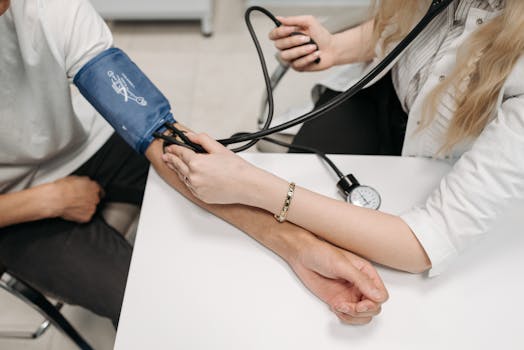
Use a structured approach. Start with the most common, easiest-to-fix measurement problems, then move toward physiologic and device-related causes. The purpose is to isolate the source of variability rather than to guess.
Step 1: Confirm you’re using the correct cuff size and placement
Check the cuff label for the arm circumference range. If you’re between sizes or your arm size has changed (weight change, muscle gain, or loss), reassess cuff fit. Place the cuff so the artery marker aligns with the brachial artery, and ensure the cuff is snug but not overly tight.
Practical check: take two readings without changing anything except cuff position—if readings vary substantially, the cuff may be mispositioned or the fit may be inconsistent.
Step 2: Standardize posture and arm support
- Sit in a chair with back support.
- Keep feet flat on the floor (no crossing legs).
- Rest your arm on a table so the cuff is at heart level.
- Keep the cuff on the bare upper arm (not over thick clothing).
- Remain still and silent during measurement.
If you use a home setup where your arm floats (for example, holding it up in the air), variability often increases. Support the arm consistently.
Step 3: Create a consistent pre-measurement rest protocol
Before the first reading in a session, allow quiet rest for a set period (commonly 5 minutes, or follow your clinician’s or device’s guidance). Avoid caffeine, nicotine, and exercise in the immediate window before your session.
Then measure a short sequence within the same session (for example, two to three readings separated by about 1 minute) and record all values. If your variability is driven by “settling time,” the within-session pattern will improve once rest is standardized.
Step 4: Verify device behavior and storage format
Check whether the device stores each reading or only an average. Some devices display a single value but store multiple raw readings; others do the opposite. If you’re analyzing variability in a spreadsheet or app, ensure the dataset matches what the device actually recorded.
Also confirm the correct user profile is selected if your device supports multiple users. Switching profiles can cause confusion in logs and analysis.
Step 5: Look for irregular heartbeat flags and consider rhythm effects
If your device indicates an irregular heartbeat, or if you have known arrhythmia, measurement interpretation should account for the possibility of oscillometric instability. In these cases, variability may reflect rhythm irregularity rather than blood pressure instability.
Try repeating measurements after a short rest while remaining still. If irregularity flags persist, treat high variability as a signal to discuss rhythm evaluation with a clinician rather than as a simple technique issue.
Step 6: Audit your included readings for data-quality problems
Review your log and remove obvious artifacts:
- Readings taken while standing, walking, or talking.
- Readings immediately after movement (stairs, rushing to the device).
- Days with missing schedule adherence or unusually few readings.
Then recompute variability using a consistent protocol across days. If variability drops substantially after cleaning the dataset, the original “high variability” was likely measurement noise or inconsistent protocol rather than true physiologic variability.
Solutions from simplest fixes to more advanced fixes
After completing the initial troubleshooting steps, apply fixes in order of likelihood and effort. The aim is to reduce measurement noise first, then address physiologic contributors.
Start with technique and environment corrections
- Use a correctly sized cuff and re-check placement each session.
- Support the arm at heart level and keep posture consistent.
- Eliminate movement and talking during measurement.
- Standardize the rest period before readings.
If these steps alone improve the stability of readings within a session (and across days), the “variability” problem is likely measurement-related.
Stabilize your measurement protocol for several days
Blood pressure variability interpretation requires consistency. Use the same schedule (e.g., morning and evening), the same pre-measurement rest routine, and the same number of readings per session. Avoid switching between different measurement habits (like sometimes measuring standing, other times sitting) because that introduces avoidable variability.
Some people benefit from using the device’s built-in multi-reading mode (if available) so that the sequence is captured and stored consistently. If you do, ensure your analysis method aligns with the device’s storage behavior (individual readings vs. averages).
Replace or repair the monitoring hardware when technique is already controlled
If you’ve standardized technique and protocol but variability remains unusually high, the next step is to evaluate hardware reliability.
- Replace the cuff if it’s older, stretched, has visible wear, or doesn’t fit consistently. Cuffs can degrade even when the device still functions.
- Check batteries and power stability. Weak batteries can lead to inconsistent inflation/deflation behavior.
- Inspect tubing (if applicable) for cracks or loose connections.
Where relevant, a validated upper-arm monitor with a cuff size appropriate for your arm is typically more reliable than wrist devices for variability interpretation. If you currently use a wrist monitor, consider whether your arm height is truly at heart level every time; wrist positioning errors commonly create variability.
Use a parallel verification approach if results conflict with clinical expectations
If home variability is high but clinic readings are stable (or vice versa), verify measurement validity rather than assuming one dataset is wrong. A practical approach is:
- Bring your cuff to a clinical visit and compare readings using the same arm position rules.
- Alternatively, have a clinician or trained professional observe your technique during a measurement session.
This helps determine whether the problem is measurement noise at home or a broader physiologic pattern.
Address physiologic contributors that increase true variability
Once measurement noise is reduced, consider physiologic factors:
- Caffeine and nicotine timing: keep intake consistent before sessions.
- Sleep disruption: variability may increase after poor sleep.
- Stress and pain: use the same rest routine and avoid measuring during acute stress.
- Medication timing: keep dosing times stable and record the time relative to readings.
If variability is tightly linked to medication “wear-off” periods, that may reflect the pharmacologic schedule rather than device malfunction. Document timing so your clinician can interpret it in context.
When arrhythmia is suspected, prioritize rhythm-aware interpretation
If irregular heartbeat flags occur frequently or you have symptoms consistent with rhythm issues, advanced troubleshooting should shift away from chasing variability and toward confirming rhythm status. Oscillometric devices may struggle during irregular rhythms, producing scatter that looks like high variability.
In this situation, the “repair” is not a different measuring posture; it’s appropriate medical evaluation for rhythm and measurement method selection.
When replacement or professional help is necessary
Replacement or professional input is appropriate when troubleshooting shows persistent issues or when variability may reflect a clinically meaningful condition.
Seek professional help promptly if you have concerning symptoms
Contact a clinician urgently if blood pressure readings are accompanied by symptoms such as chest pain, shortness of breath, severe headache, neurologic symptoms (weakness, speech difficulty), fainting, or severe dizziness. High variability itself is not a symptom, but it can coexist with conditions that require immediate evaluation.
Consider device replacement when hardware reliability is the limiting factor
Replacement (or manufacturer service) is reasonable when:
- You’ve standardized technique and protocol for several days, yet readings remain erratic and inconsistent with clinical measurements.
- The device repeatedly shows errors, fails to detect pulses, or frequently reports irregular heartbeat without improvement on repeat.
- Batteries are new, cuff fit is correct, and you still see large scatter that doesn’t settle within a session.
In many cases, replacing the cuff first is the most cost-effective and targeted step, because cuff degradation is common. If the issue persists after a cuff replacement, the device may need service or replacement.
Professional interpretation is needed when variability persists despite data-quality control
If you’ve removed obvious artifact readings, standardized rest and posture, used a correctly sized cuff, and confirmed consistent device storage behavior, but variability remains high, professional assessment is warranted. Clinicians can interpret variability alongside medication regimen, comorbidities, and—when appropriate—ambulatory blood pressure monitoring (ABPM) or rhythm evaluation.
ABPM can also help confirm whether the variability seen at home reflects true day-night patterns rather than home-session artifacts.
Ask for guidance on measurement protocol alignment
Sometimes the “fix” is not hardware but protocol alignment. If a clinician wants a specific number of readings, a specific schedule, or a particular method for computing variability, follow that plan exactly. Variability measurement interpretation depends on protocol fidelity; inconsistent session structure can create misleading indices even when readings themselves are accurate.
Putting it all together: a practical interpretation mindset
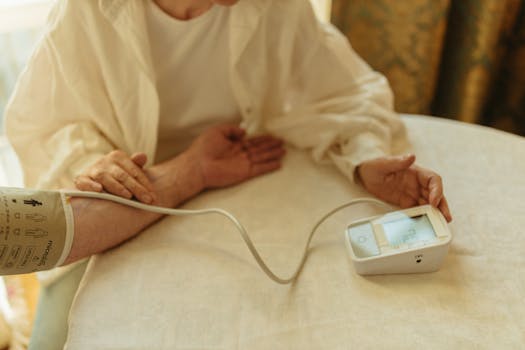
Blood pressure variability measurement interpretation should be approached like a measurement system problem first, especially when the variability is unexpectedly high. Start by eliminating sources of noise: cuff fit, placement, posture, rest time, device mode, and data inclusion rules. Then evaluate physiologic contributors such as medication timing, caffeine, sleep, stress, and rhythm irregularity.
When you’ve controlled technique and protocol and variability still appears excessive, the next step is not to keep repeating measurements indefinitely. Instead, align your home protocol with clinical expectations and seek professional interpretation—particularly if there are rhythm concerns or symptoms that raise safety issues.
With a disciplined troubleshooting process, variability becomes interpretable rather than confusing, and your readings can support accurate clinical decision-making.
12.03.2026. 20:19