

Measurement Hierarchy, Sensors, Biomarkers in Biohacking

Why measurement quality matters in biohacking
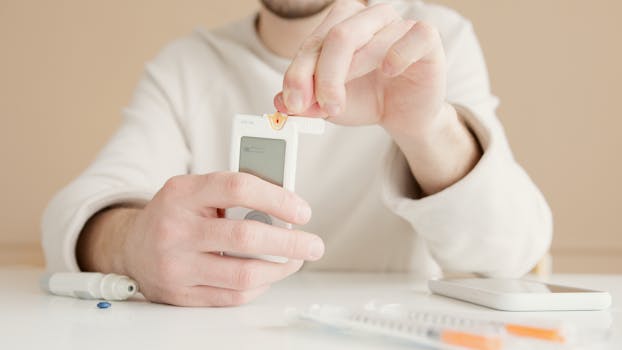
Biohacking often starts with a simple promise: measure something, get feedback, and improve. The reality is more nuanced. Human biology is noisy, sensors vary in accuracy, and many “biomarkers” are indirect measures that can be influenced by context, timing, and behavior. If you treat all measurements as equal, you may optimize the wrong signal or misinterpret normal fluctuations as meaningful change.
A practical way to reduce that risk is to use a measurement hierarchy mindset: understand what level of evidence your data represents, how it was collected, and how confidently it reflects the underlying biology. When paired with a clear approach to sensors and biomarkers, this framework helps you build tracking routines that are more reliable, interpretable, and actionable.
The measurement hierarchy: from raw signals to clinical meaning
A measurement hierarchy is a way of organizing measurement evidence by how directly it reflects the biological construct you care about. In biohacking, the goal is not to chase “more data,” but to improve the chain of inference from sensor output to biological interpretation.
While exact models differ across fields, a useful hierarchy can be described in layers:
- Layer 1: Raw sensor signal (e.g., photodiode counts, accelerometer readings, electrical impedance traces). This is the most immediate output, but it is not yet biological meaning.
- Layer 2: Processed metrics (e.g., heart rate derived from PPG, steps from motion classification, HRV computed from an algorithm). Here, signal processing and model assumptions enter the picture.
- Layer 3: Physiological proxies (e.g., “stress score,” “recovery score,” sleep stages). These are interpretations of physiology and depend heavily on the model and the conditions under which it was trained.
- Layer 4: Biomarkers (e.g., blood glucose, HbA1c, ferritin, C-reactive protein). Biomarkers are measurable indicators with established biological relevance. Some are direct, others are indirect but still grounded in physiology.
- Layer 5: Clinical endpoints (e.g., diagnosis, treatment response, risk reduction). This is where measurement meaning is strongest, but it is also the most costly and least practical for daily biohacking.
When you understand where your measurement sits in this hierarchy, you can choose appropriate expectations. A Layer 1 or Layer 2 metric can still be useful for trend tracking, but it should not be treated as equivalent to a Layer 4 biomarker without validation.
Sensors in biohacking: what they measure and what they infer
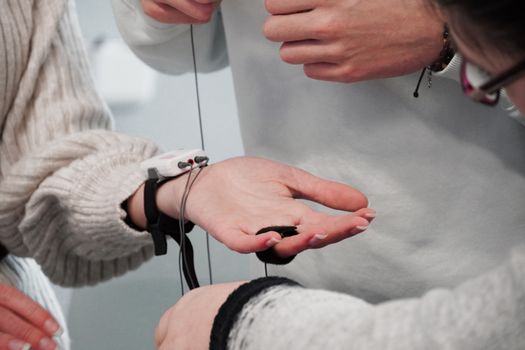
Sensors translate physical phenomena into data. The key challenge is that many sensors do not measure the target biology directly. Instead, they measure a correlate—then algorithms infer the variable of interest.
Common sensor categories in biohacking include:
- Optical sensors (e.g., PPG in wearables for heart rate and HRV). These are sensitive to skin contact, motion, temperature, and lighting conditions.
- Electrodermal and bioimpedance sensors (e.g., skin conductance, impedance-based estimates). These can shift with hydration, sweating, and electrode placement.
- Accelerometers and gyroscopes (e.g., steps, activity intensity, sleep movement). These classify motion patterns, which may not map perfectly to metabolic demand.
- Environmental and contextual sensors (e.g., temperature, humidity, light exposure). These affect physiology but are not the physiology itself.
To interpret sensor data well, you need to ask three questions:
- Is the sensor measuring directly or via inference? Inference increases uncertainty.
- How stable is the measurement setup? Consistent device placement, calibration, and routine reduce noise.
- What are the known failure modes? Motion artifacts for PPG, electrode drift for impedance, or misclassification for accelerometer-based sleep are common examples.
Even high-quality devices can produce misleading trends if the measurement conditions change. For example, a wearable can show HRV changes due to cold exposure, sensor contact differences, or recovery behavior—not necessarily because autonomic function shifted in a clinically meaningful way.
From sensors to biomarkers: building a reliable inference chain
Biomarkers are measurements that reflect biological processes. Some biomarkers are frequently used in biohacking because they can be measured repeatedly and interpreted with reasonable confidence. However, the path from sensor output to biomarker-level meaning is rarely automatic.
A reliable inference chain typically includes:
- Clear target biology: Decide what you’re trying to learn (e.g., inflammation, glucose regulation, iron status, thyroid function).
- Appropriate measurement level: Identify whether you’re working with a biomarker (blood test) or a proxy (wearable metric).
- Timing alignment: Biological states change over hours to weeks. A wearable night metric may not align with a morning fasting blood draw.
- Control for confounders: Sleep duration, training load, alcohol, illness, and medication can shift biomarkers and sensor-derived metrics differently.
- Repeatability: Look for patterns over time rather than single data points.
For example, C-reactive protein (CRP) is a biomarker commonly associated with inflammation. Wearables may provide indirect stress or recovery signals, but those are not interchangeable with CRP. If you are using both, treat the wearable as a contextual indicator and the blood test as the higher-confidence marker.
In practice, many biohackers use blood biomarkers as anchors and wearables as continuous context. This approach respects the measurement hierarchy: the wearable helps you understand day-to-day variation, while the biomarker provides stronger biological grounding.
Choosing biomarkers for biohacking goals
Biomarkers are not “good” or “bad” by themselves; they depend on your question. A smart selection process begins with the underlying physiological domain.
Common domains and examples of biomarkers include:
- Metabolic health: fasting glucose, fasting insulin, lipid panel components, HbA1c. These help evaluate glucose regulation and cardiometabolic risk.
- Inflammation and immune activation: CRP, sometimes additional markers depending on clinical context.
- Iron status and oxygen transport: ferritin, transferrin saturation, hemoglobin. These are relevant for fatigue and endurance adaptation.
- Thyroid function: TSH, free T4, free T3 (interpretation should consider clinical context).
- Nutrient adequacy: vitamin D, B12, folate, magnesium (not all are equally straightforward to interpret).
- Hormonal signaling: depends on target hormones and timing; circadian rhythm matters.
Two guidance principles help prevent common mistakes:
- Match the biomarker to the timescale. Some biomarkers shift quickly; others reflect longer-term status.
- Interpret with reference ranges and trends. A “normal” value can still change meaningfully for an individual, but interpretation must consider lab variability and biological context.
If you’re using a lab like a standard clinical blood draw, the measurement hierarchy is clearer: biomarkers generally sit higher in the hierarchy than wearable-derived proxies. That doesn’t eliminate uncertainty, but it makes the chain of inference stronger.
Quality control: calibration, timing, and data cleaning
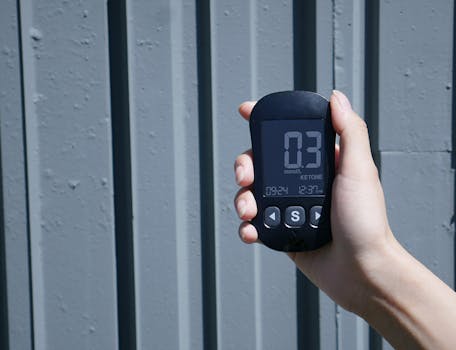
Measurement hierarchy sensors biomarkers biohacking all rely on one reality: data quality determines whether insights are real. You can improve quality without becoming overly technical.
Practical quality control steps include:
- Standardize sensor conditions: consistent placement (especially for wearables), similar time of day, and stable routines.
- Use consistent sampling schedules: if you track HRV nightly, do it under comparable conditions (sleep length, caffeine timing, alcohol use).
- Account for transient events: illness, travel, unusual training, and major stress can cause shifts that won’t represent baseline physiology.
- Prefer repeated measures: single measurements are more vulnerable to noise; averages and medians over time are often more stable.
- Document interventions: changes in diet, training, supplements, sleep schedule, and medications can affect both sensors and biomarkers.
For lab biomarkers, timing and preparation matter. Fasting status, time since last meal, hydration, and even recent exercise can influence some results. If you aim to compare results over time, keep the protocol consistent as much as possible.
Data cleaning also matters for sensor-derived metrics. Motion artifacts, missing data, and algorithm updates can all distort longitudinal comparisons. A simple approach is to track data completeness and ignore days with clear measurement issues rather than forcing them into analysis.
Interpreting trends without overclaiming
Biohacking thrives on iteration, but iteration requires humility about what the data can truly say. A key risk is “overclaiming”—treating a proxy metric as proof of a biological mechanism.
A practical interpretation framework:
- Use the hierarchy level to set confidence. Higher layers (biomarkers) support stronger claims than lower layers (sensor proxies).
- Look for convergence. If a wearable trend aligns with a biomarker trend in the expected direction, your confidence increases.
- Check plausibility. If your intervention wouldn’t reasonably change the biology on that timescale, pause and reassess.
- Separate signal from noise. Many metrics fluctuate naturally. Focus on stable changes, not day-to-day spikes.
As a concrete example, HRV changes can reflect autonomic balance, but HRV is influenced by sleep quality, breathing patterns, skin contact, and measurement settings. If you see HRV drop after a stressful week and CRP also rises later, that convergence can be more informative than either alone.
Where possible, treat sensors as continuous context and biomarkers as periodic anchors. That structure reduces the temptation to “diagnose” based on noisy proxies.
Practical guidance: designing a measurement routine
A measurement routine should be sustainable and aligned with your goal. Start small, then refine based on what you learn about variability and confounding.
One effective approach:
- Define a question (e.g., “Is my inflammation trending up?” or “Is my glucose regulation improving?”).
- Choose one biomarker anchor that best matches the question.
- Add one or two sensor proxies that provide context (sleep, activity, recovery, or stress-related patterns).
- Set a repeat schedule (e.g., weekly/biweekly for sensor trends; periodic lab testing for biomarkers).
- Control timing so sensor and lab results are comparable (e.g., keep fasting and draw timing consistent).
- Review trends, not single points and log confounders (training load, illness, travel).
Relevant “products” can support this routine when they help maintain consistency—such as a reliable wearable for continuous context, or a standardized lab testing workflow for biomarkers. The important point is that the tool is secondary to the measurement hierarchy and quality control choices.
Common pitfalls and how to avoid them
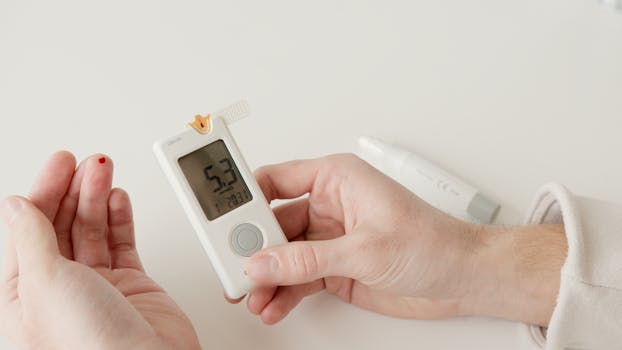
Biohacking data often fails not because sensors are useless, but because measurement design is weak. Common pitfalls include:
- Mixing hierarchy levels: treating a proxy as if it were a biomarker.
- Changing measurement conditions: new device placement, different sleep schedule, or inconsistent fasting.
- Ignoring algorithm updates: wearable companies sometimes adjust how metrics are computed.
- Overreacting to noise: responding to a single bad night or a one-off lab result.
- Skipping context: failing to log illness, travel, or major training changes.
Prevention guidance is straightforward: document your protocol, standardize conditions, and interpret results within the measurement hierarchy. If you’re unsure whether a metric is reliable enough for a claim, treat it as a hypothesis generator and look for biomarker confirmation.
Summary: use the hierarchy to make biohacking measurements more trustworthy
Measurement hierarchy sensors biomarkers biohacking works best when you understand what each layer can and cannot tell you. Raw sensor signals and processed metrics can provide valuable context, but biomarkers carry stronger biological meaning. By standardizing measurement conditions, aligning timing, and interpreting trends within the hierarchy, you can reduce false conclusions and build a tracking system that supports better decisions.
When your sensor-derived trends and biomarker anchors converge, you gain confidence in the underlying biological story. When they don’t, the hierarchy helps you avoid overclaiming and instead refine your measurement strategy.
21.03.2026. 19:54