

Autonomic Nervous System and Immune Signals: CRP, IL-6, TNF-Alpha

How the autonomic nervous system shapes immune signals

The immune system does not operate in isolation. It continually receives information from the brain and the body’s stress and metabolic state. A key communication route is the autonomic nervous system (ANS), which controls heart rate, vascular tone, digestion, and many other automatic processes. Increasing evidence shows that the ANS can also influence immune signaling—affecting inflammatory mediators such as C-reactive protein (CRP), interleukin-6 (IL-6), and tumor necrosis factor-alpha (TNF-α).
Understanding this neuroimmune coupling is important for systems biology because it links two traditionally separate domains: neural regulation and inflammatory biology. It also provides a mechanistic framework for why stress, sleep disruption, and autonomic imbalance can correlate with inflammatory markers—and why some interventions that improve autonomic function may indirectly affect immune signals.
This article explains how the ANS regulates immune signaling, what CRP, IL-6, and TNF-α represent, and how pathways such as the cholinergic anti-inflammatory reflex can shift inflammatory outcomes. You will also find practical guidance for supporting autonomic balance and reducing inflammatory load through evidence-aligned lifestyle and clinical considerations.
CRP, IL-6, and TNF-alpha: what these immune signals mean
CRP: a downstream inflammation marker
C-reactive protein (CRP) is produced primarily by the liver in response to inflammatory cytokines, especially IL-6. Clinically, CRP is often used as an indicator of systemic inflammation. It is not a cytokine itself; rather, it is a measurable protein that reflects upstream immune activation. Because CRP integrates signals over time, it can be useful for tracking inflammatory trends, though it is not specific to any single disease process.
From a systems biology perspective, CRP is a “reporter” node in the inflammatory network. It helps translate cytokine activity into a systemic readout that can be detected in blood tests. When IL-6 rises, CRP commonly follows.
IL-6: a cytokine at the center of immune signaling
Interleukin-6 (IL-6) is a cytokine with broad roles in immune regulation, acute-phase responses, and metabolic effects. IL-6 can be produced by immune cells (such as macrophages) as well as non-immune cells including endothelial cells and adipose tissue. IL-6 signaling influences both local immune activity and systemic responses, including CRP production.
IL-6 is also notable because it can act in both protective and potentially harmful ways depending on context, timing, and chronicity. Acute IL-6 responses often support host defense, while persistent IL-6 elevation is associated with chronic inflammation and related metabolic changes.
TNF-alpha: a potent pro-inflammatory driver
Tumor necrosis factor-alpha (TNF-α) is a pro-inflammatory cytokine central to inflammatory cascades. It promotes leukocyte recruitment, enhances inflammatory gene expression, and can amplify the production of other cytokines. TNF-α is produced by multiple immune cell types, including activated macrophages and T cells.
In inflammatory network terms, TNF-α is often an upstream “amplifier” that can increase the likelihood of sustained inflammatory signaling. Elevated TNF-α is seen in various inflammatory conditions, and it is a major target in therapies that block TNF signaling.
What the autonomic nervous system does in the body
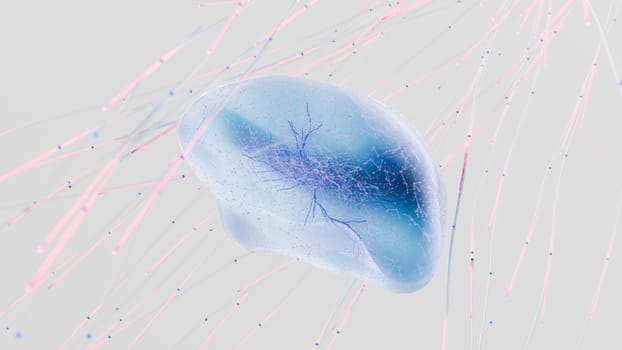
The autonomic nervous system consists of two major arms that often act in opposition but also coordinate together:
- Sympathetic nervous system (SNS): mobilizes resources during stress and supports “fight-or-flight” physiology.
- Parasympathetic nervous system (PNS): supports “rest-and-digest” functions and helps maintain recovery processes.
Both systems influence organ function through neurotransmitters and receptor signaling. Sympathetic signaling typically involves catecholamines such as norepinephrine, while parasympathetic signaling largely involves acetylcholine.
Crucially for immune regulation, immune cells are not merely passive targets. Many immune cells express receptors for neurotransmitters, allowing neural signals to directly modulate immune cell activation. In addition, nerves can influence immune activity indirectly by changing blood flow, tissue oxygenation, and local microenvironment conditions.
Neuroimmune pathways: how neural signals reach immune cells
Direct receptor-mediated effects on immune cells
Immune cells express receptors for neurotransmitters. For example, adrenergic receptors can respond to sympathetic neurotransmitters, while cholinergic receptors can respond to acetylcholine. When these receptors are engaged, they can shift immune cell behavior—altering cytokine production, antigen presentation, and inflammatory signaling intensity.
This is one mechanism by which the ANS can “tune” inflammation. Even when systemic stress hormones change, a neuroimmune feedback loop can occur at the tissue level, affecting whether inflammatory responses escalate or resolve.
Indirect effects through vascular and metabolic regulation
Inflammation is strongly influenced by tissue perfusion and metabolic state. The ANS alters heart rate, vascular tone, and organ-specific blood flow, which can change how immune cells traffic to tissues and how inflammatory mediators are cleared.
Additionally, autonomic regulation affects glucose availability, lipid metabolism, and oxygen delivery. Because immune activation is energetically demanding, shifts in metabolic supply can influence immune cell function and cytokine profiles.
Neural reflex arcs that sense inflammation
Beyond one-way signaling, neuroimmune communication can behave like a reflex system. Inflammatory signals can be detected by the nervous system through sensory pathways, leading to autonomic responses that either amplify or dampen inflammation. This reflex-like behavior is central to the concept of the cholinergic anti-inflammatory reflex.
The cholinergic anti-inflammatory reflex and cytokine suppression
Core idea: parasympathetic signaling dampens pro-inflammatory pathways
The cholinergic anti-inflammatory reflex describes a pathway in which parasympathetic activity—particularly mediated through the vagus nerve—can reduce inflammatory cytokine production. The mechanism involves acetylcholine signaling that ultimately reduces pro-inflammatory signaling in immune cells, especially macrophages.
In simplified terms, inflammatory activity triggers signals that engage neural circuits. Those circuits then activate cholinergic output that constrains inflammatory mediator release. This can shift the balance of cytokines away from high TNF-α and IL-6 production and toward resolution.
Receptor-level links to TNF-alpha and IL-6
Acetylcholine can act on immune cells through nicotinic acetylcholine receptors, which modulate intracellular signaling cascades. The downstream effect is often reduced transcription and secretion of pro-inflammatory cytokines. When TNF-α and IL-6 production decreases, CRP production can also decline because IL-6 is a major driver of hepatic acute-phase responses.
In systems terms, the cholinergic anti-inflammatory reflex can be viewed as a control node that reduces the gain of the inflammatory network. Instead of allowing inflammatory signals to reinforce themselves, the reflex introduces negative feedback that limits escalation.
Sympathetic nervous system and immune signaling: context matters

Sympathetic neurotransmitters can modulate inflammation
The sympathetic nervous system influences immune activity largely through adrenergic signaling. Depending on receptor subtype distribution and timing, adrenergic effects can either suppress or promote inflammatory responses. For instance, in some contexts, norepinephrine signaling can reduce certain cytokine outputs; in others, it can enhance immune activation or alter leukocyte trafficking.
This context dependence is important. The ANS does not simply “turn inflammation off” or “turn inflammation on.” Rather, it shifts immune network dynamics based on physiological state, receptor expression, and local tissue conditions.
Stress physiology and chronic sympathetic dominance
Acute stress can produce transient changes in immune signaling. However, persistent stress exposure and chronic autonomic imbalance can contribute to prolonged inflammatory activation. When sympathetic activity remains elevated and recovery pathways are insufficient, inflammatory mediators may remain higher than expected.
In practical terms, this can show up as higher inflammatory markers over time. IL-6 can remain elevated, and CRP may follow, reflecting sustained acute-phase signaling. TNF-α may also be increased in certain inflammatory states, though its directionality and magnitude vary across conditions.
Integrating immune markers with autonomic function in systems biology
Network view: feedback loops and signal amplification
Inflammatory markers do not exist in isolation. IL-6 and TNF-α can reinforce each other through shared downstream transcriptional programs and recruitment of additional immune cells. CRP integrates upstream cytokine signals, providing a systemic readout of an active inflammatory network.
When the ANS engages reflex pathways or modulates immune cell receptor activity, it can change the effective “gain” of this network. Reduced TNF-α and IL-6 production would predict lower CRP levels over time, while increased cytokine production would predict higher CRP.
Why timing and chronicity affect interpretation
CRP, IL-6, and TNF-α reflect different timescales and biological roles. IL-6 can rise relatively quickly during inflammatory activation. TNF-α can also rise early and drive downstream effects. CRP often increases after IL-6–mediated hepatic signaling and can persist longer, depending on the inflammatory stimulus.
Therefore, two individuals can have the same CRP level but different cytokine patterns, depending on timing, tissue source, and resolution dynamics. This is a key systems biology lesson: biomarkers are not interchangeable; they represent different nodes in a dynamic network.
Practical guidance: supporting autonomic regulation to influence inflammatory tone
While biomarkers like CRP, IL-6, and TNF-α are clinically valuable, they are also influenced by many variables. The goal of autonomic support is not to “chase” a specific lab value, but to improve the physiological conditions that allow inflammation to resolve efficiently.
Prioritize sleep regularity and quality
Sleep disruption affects autonomic balance and can alter inflammatory signaling. Consistent sleep timing, adequate duration, and minimizing late-night light exposure support recovery pathways. If insomnia is present, addressing it through structured behavioral approaches often has better long-term effects than relying solely on short-term measures.
Use stress reduction strategies that engage parasympathetic recovery
Interventions that promote parasympathetic activation—such as paced breathing, mindfulness-based practices, and relaxation training—can support autonomic regulation. Mechanistically, these approaches can reduce sympathetic dominance and enhance vagal tone, which is relevant to the cholinergic anti-inflammatory reflex concept.
Important nuance: the ANS is influenced by many factors including physical conditioning, mental load, and environmental stability. Stress reduction works best when it becomes a consistent part of daily physiology, not a sporadic response.
Consider physical activity as a regulator of inflammation and autonomic tone
Regular exercise can improve autonomic function and reduce chronic inflammatory signaling in many populations. Aerobic training and resistance training both influence immune regulation, metabolic health, and stress physiology. However, excessive training without recovery can increase inflammatory load and disturb autonomic balance.
From a practical standpoint, progressive activity with adequate rest tends to support the resolution side of inflammatory dynamics.
Address metabolic drivers that amplify IL-6 and CRP
Adipose tissue and insulin resistance are linked to IL-6 and CRP elevations. Because the ANS influences metabolic state and energy balance, improving metabolic health indirectly supports inflammatory resolution. Dietary patterns that reduce excessive caloric load, improve fiber intake, and limit highly processed foods can help reduce chronic inflammatory signaling in many contexts.
These effects are not purely “autonomic,” but they interact with autonomic regulation through shared pathways involving stress hormones, vascular function, and immune cell metabolism.
Be cautious with over-interpreting single measurements
CRP, IL-6, and TNF-α can fluctuate with infections, injuries, exercise bouts, sleep changes, and even minor inflammatory events. If you are tracking inflammatory markers for research or clinical reasons, consider that changes may reflect timing and context as much as baseline autonomic status.
Clinicians often interpret CRP trends rather than single values, and they consider the clinical story alongside lab results. Similarly, IL-6 and TNF-α measurements should be interpreted with attention to the inflammatory timescale and potential confounders.
Clinical and research considerations: what evidence supports and what remains complex
Vagus nerve signaling and immune modulation
Research on vagus nerve pathways supports the idea that cholinergic signaling can constrain inflammation. In experimental settings, stimulation of vagal pathways can reduce cytokine production and improve inflammatory outcomes. Translating these findings into everyday physiology is ongoing, but the conceptual link between parasympathetic activity and immune regulation is well supported.
Why effects differ across individuals and diseases
The impact of autonomic regulation on immune signals depends on disease type, baseline inflammation, receptor expression patterns, and the relative dominance of sympathetic versus parasympathetic signaling. For example, the same autonomic shift could have different outcomes in autoimmune conditions versus metabolic inflammation versus acute infection.
Moreover, medications can influence both autonomic function and immune signaling. Beta-blockers, corticosteroids, immunomodulators, and cytokine inhibitors can alter inflammatory markers and neural signaling dynamics. This means that biomarker interpretation in the context of autonomic regulation must be individualized.
Biomarkers as system-level readouts
CRP, IL-6, and TNF-α are useful but incomplete. They represent only certain nodes of a much larger network that includes interferons, chemokines, growth factors, and anti-inflammatory mediators. Future systems biology work aims to integrate multiple biomarkers with measures of autonomic function (such as heart rate variability) to build more accurate models of neuroimmune regulation.
In the meantime, a practical systems approach is to treat these markers as indicators of network state rather than direct measures of “brain-to-immune communication strength.”
Prevention and long-term support: reducing inflammatory escalation
Preventing chronic inflammatory escalation involves supporting the physiological conditions that favor resolution: stable sleep, manageable stress load, consistent physical activity with recovery, and metabolic health. These factors influence autonomic balance and immune network dynamics, including pathways tied to IL-6 and TNF-α and ultimately CRP.
- Maintain sleep consistency: aim for stable bed and wake times and address insomnia early.
- Practice regular recovery: incorporate breathing exercises or relaxation routines that promote parasympathetic activity.
- Exercise with balance: choose a sustainable routine and avoid chronic under-recovery.
- Support metabolic health: prioritize dietary patterns that reduce insulin resistance and excess adiposity.
- Monitor inflammation responsibly: interpret CRP and cytokine tests in context and avoid overreacting to short-term fluctuations.
In some cases, clinicians may also evaluate underlying contributors to inflammation—such as chronic infections, autoimmune activity, or medication effects. When persistent inflammation exists, the most important “prevention” step is addressing the upstream cause, because autonomic regulation can only modulate an ongoing inflammatory stimulus so much.
Summary: linking autonomic control to CRP, IL-6, and TNF-alpha
The target relationship between the autonomic nervous system and immune signals is best understood as a neuroimmune regulatory network. CRP reflects systemic acute-phase activity, IL-6 is a central cytokine that drives hepatic CRP production, and TNF-α is a potent pro-inflammatory amplifier. Through mechanisms such as the cholinergic anti-inflammatory reflex and receptor-mediated effects on immune cells, autonomic signaling—especially parasympathetic pathways—can dampen inflammatory cytokine production and support resolution.
Sympathetic signaling also modulates immune function, but its effects depend on context, timing, and receptor dynamics. Chronic stress and persistent autonomic imbalance can tilt the inflammatory network toward sustained activation, raising IL-6 and often CRP. Practical strategies that improve autonomic recovery—sleep regularity, stress reduction, balanced physical activity, and metabolic support—can therefore influence inflammatory tone over time.
Systems biology emphasizes the “state” of regulatory networks rather than single-factor explanations. The most accurate interpretation of CRP, IL-6, and TNF-α changes comes from considering timing, clinical context, and the broader physiological system that includes neural regulation.
16.12.2025. 01:42