

Causal Loops: Sleep, HRV, Glucose Control, and Inflammation

Why sleep affects glucose and inflammation through feedback loops

Sleep is often discussed as a single behavior—get more, sleep better, improve health. Systems biology adds a different lens: sleep is part of a network with feedback. Changes in sleep can alter autonomic balance, which can influence heart rate variability (HRV). HRV reflects aspects of nervous system regulation that also affect glucose control. Glucose regulation, in turn, shapes inflammatory signaling. Inflammation can then feed back to worsen sleep quality and autonomic balance. This circular structure is what systems scientists call a causal loop: one change propagates through multiple pathways and returns to influence the original driver.
In this article, we connect the dots between causal loops sleep HRV glucose control inflammation in a practical, educational way. You will learn the key physiological links, how to interpret HRV in context, and how to reduce the risk that these loops reinforce themselves in the wrong direction.
The core components of the sleep–HRV–glucose–inflammation loop
To understand causal loops, it helps to name the variables and the directions of influence. The loop described here is not one single pathway. It is an interaction of at least four interacting control systems: the sleep–wake timing system, the autonomic nervous system, metabolic regulation (including insulin sensitivity and hepatic glucose output), and immune signaling (including inflammatory cytokines).
1) Sleep quality and circadian timing
Sleep involves both architecture (how sleep stages cycle) and timing (when sleep occurs relative to circadian cues). Poor sleep can reduce restorative processes, disturb hypothalamic signaling, and shift circadian rhythms. Even short-term sleep restriction can increase sympathetic drive and alter stress hormone patterns.
Importantly, “sleep quality” is not only about duration. Fragmentation and irregular timing can be as consequential as total sleep time. When sleep becomes inconsistent, the body’s anticipatory regulation—preparing the liver, pancreas, and immune system for expected demands—becomes less reliable.
2) HRV as a window into autonomic regulation
HRV refers to the variability in time intervals between heartbeats. In simplified terms, it often reflects the balance between sympathetic and parasympathetic influences on the heart and the flexibility of cardiovascular regulation. When regulation is adaptive, the system can respond smoothly to changing demands; when regulation is strained, HRV frequently trends downward.
HRV is not a diagnosis. It is a physiological signal that can change due to stress, illness, caffeine, alcohol, dehydration, exercise load, and even measurement method. In a causal loop, HRV acts like a mediator: sleep affects autonomic balance, which then influences metabolic and inflammatory pathways.
3) Glucose control and insulin sensitivity
Glucose control is governed by insulin sensitivity in peripheral tissues, the liver’s glucose output, and the timing of insulin secretion relative to meals and circadian cues. Sleep influences these systems through multiple channels, including stress hormones (like cortisol), autonomic output to the pancreas and liver, and inflammatory signaling that can interfere with insulin receptor function.
When sleep is disrupted, the body may become less responsive to insulin. Even if fasting glucose appears normal, post-meal glucose excursions and insulin dynamics may worsen—creating conditions that can promote inflammatory activation.
4) Inflammation as both consequence and driver
Inflammation is not inherently bad; it is part of immune defense. The problem is chronic low-grade inflammation and dysregulated immune signaling. Inflammatory cytokines can affect sleep by altering thermoregulation, neurotransmitter function, and the propensity to awaken. They can also influence autonomic regulation and metabolic function.
Thus, inflammation is both a downstream outcome of sleep and glucose dysregulation and an upstream contributor that can further destabilize sleep and HRV.
Mapping the causal loop: how changes propagate and return
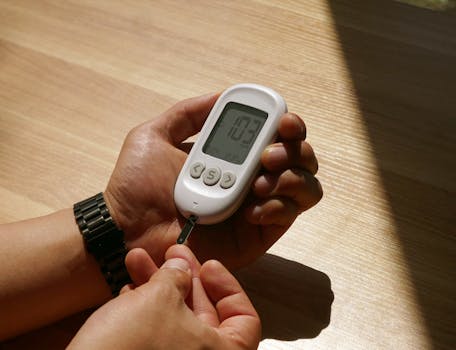
A causal loop can be understood as a chain of cause-and-effect links with a feedback return path. Below is an educational map of common directions of influence. The goal is not to claim a single deterministic pathway; rather, it is to show how multiple physiological systems can reinforce each other.
Step A: Sleep disruption shifts autonomic balance
When sleep is short, fragmented, or mistimed, the body often increases sympathetic activity and reduces parasympathetic influence during recovery windows. This shift can lower HRV, reflecting reduced regulatory flexibility. If the sleep disruption persists, the autonomic system may become less able to “reset” between days.
Step B: Lower HRV can accompany poorer metabolic regulation
Autonomic signaling influences metabolic organs and tissues. Sympathetic activity can increase hepatic glucose production and alter insulin dynamics. Meanwhile, reduced parasympathetic tone can affect digestive and endocrine signaling that support glucose handling.
In this loop, HRV functions as a measurable proxy for the state of autonomic regulation. Lower HRV often travels alongside changes in glucose control, especially under additional stressors like irregular meals, sedentary periods, or high-energy diets.
Step C: Glucose dysregulation promotes inflammatory signaling
When glucose regulation worsens—particularly after meals—cells experience greater metabolic stress. This can promote oxidative stress and activate inflammatory pathways. Inflammation then becomes more likely to persist at a low-grade level, even without overt infection.
Mechanistically, insulin resistance and inflammatory signaling are bidirectionally linked. Inflammation can impair insulin signaling, which then further worsens glucose control.
Step D: Inflammation disrupts sleep and sustains the loop
Inflammatory cytokines can alter sleep architecture and increase sleep fragmentation. They may also heighten perceived stress and change temperature regulation, both of which can affect sleep onset and maintenance.
Once sleep becomes worse again, autonomic balance shifts, HRV may decline, and glucose control can deteriorate further—closing the loop.
What HRV measures—and what it cannot tell
Because HRV is central to this causal loop, it is worth being precise. HRV is not a direct measurement of inflammation or glucose. It is a signal related to autonomic and cardiovascular regulatory control. In systems biology terms, HRV is a state variable that can mediate effects across systems.
Common HRV metrics and why context matters
Wearables and clinical devices often report HRV using different metrics (for example, time-domain measures like RMSSD, or frequency-domain measures). The same person can show different HRV values depending on the metric, the device, the sampling method, and whether the measurement is taken at rest.
To interpret HRV in a causal loop framework, focus on patterns rather than single values. Look for consistent changes across days that align with sleep timing, stress, and meal patterns.
Confounders that can break the causal interpretation
Several factors can change HRV without being directly caused by sleep or inflammation:
- Acute illness: HRV often drops with viral infections or inflammatory flares.
- Exercise load: Hard training can reduce HRV temporarily; recovery tends to restore it.
- Caffeine and alcohol: These can alter autonomic tone and sleep quality.
- Dehydration and electrolyte balance: These can affect cardiovascular dynamics.
- Measurement conditions: Movement, breathing patterns, and sensor placement can alter readings.
In a causal loop model, confounders are not “noise”; they are additional variables that can create competing pathways. If you want to use HRV for feedback, you need a consistent measurement routine.
Using systems biology principles to interpret your own loop
Systems thinking emphasizes feedback, delays, and interactions. A change in sleep may not affect glucose and inflammation immediately. There may be short delays (hours to a day) and longer delays (several days to weeks). Your goal is to identify whether you are in a reinforcing loop (worsening) or a balancing loop (improving).
Step 1: Establish a stable measurement window
If you use a wearable that tracks HRV, keep the routine consistent:
- Measure HRV at the same time relative to waking (many people use morning resting HRV).
- Use similar sleep conditions (same general bedtime window).
- Record key contextual factors such as late caffeine, alcohol, and unusually intense exercise.
Some devices and platforms allow trend views and export of metrics. For example, Apple Watch and Garmin ecosystems provide HRV-related metrics and sleep tracking, while Oura offers recovery and readiness indicators based on HRV and other signals. The exact interpretation varies by device, but the systems principle stays the same: consistent measurement makes feedback meaningful.
Step 2: Link HRV changes to sleep timing, not only duration
In many people, HRV responds more strongly to sleep fragmentation and irregular timing than to small changes in total duration. If your bedtime shifts later on weekends or you experience frequent awakenings, HRV may show a pattern even when you “feel like you slept enough.”
Step 3: Look for metabolic correlates that appear after poor sleep
Because glucose regulation reflects both circadian timing and autonomic/metabolic state, changes may show up as:
- Higher post-meal glucose excursions (if you use a continuous glucose monitor).
- Greater hunger or cravings later in the day.
- More fatigue after meals.
Even without glucose monitoring, you can track timing of energy dips and appetite changes. Systems biology uses available signals to infer the state of the underlying control system.
Step 4: Consider inflammation as a “delayed amplifier”
Inflammation often lags behind upstream changes. A few nights of poor sleep may precede a period where you feel more sore, notice slower recovery, or experience higher resting heart rate. These are indirect indicators that inflammatory processes may be shifting.
If you have symptoms or a diagnosed condition, clinical testing is more appropriate than self-experimentation. Systems models help you interpret patterns, but they do not replace medical evaluation.
Practical ways to reduce reinforcing loops
Feedback loops can be balancing (restoring stability) or reinforcing (driving instability). The prevention strategy is to strengthen the balancing loop: improve sleep regularity, support autonomic flexibility, and reduce metabolic stress that fuels inflammatory signaling.
Prioritize sleep regularity over perfect sleep
From a causal loop perspective, regular timing helps the circadian system anticipate metabolic and immune demands. Practical guidance:
- Choose a consistent wake time and anchor bedtime to it.
- Minimize large weekend shifts (even 60–90 minutes can matter for some people).
- Use a wind-down routine that reduces sympathetic arousal (dim lights, reduce stimulating activity).
This approach targets the upstream node of the loop: sleep quality and timing.
Use evening inputs that support autonomic recovery
Autonomic tone is sensitive to evening exposures. Consider:
- Caffeine timing: Avoid late-day caffeine; a common rule is no caffeine within 8–10 hours of bedtime, but individual sensitivity varies.
- Alcohol moderation: Alcohol can fragment sleep and alter HRV patterns the next day.
- Light exposure: Bright light at night can shift circadian timing and worsen sleep onset.
These factors often show up in HRV trends within days, making them actionable levers.
Stabilize glucose load with meal timing and composition
Because glucose dysregulation can amplify inflammatory signaling, reducing metabolic stress helps break the loop. Practical steps:
- Keep meal timing consistent across weekdays.
- Avoid very large late-night meals that can disturb sleep and post-meal glucose control.
- Include fiber and adequate protein to reduce rapid glucose spikes for many people.
- Consider limiting highly refined carbohydrates late in the evening if you notice a pattern of poor sleep after them.
In systems terms, you are reducing the “metabolic perturbation” that feeds inflammation.
Support anti-inflammatory pathways through recovery and movement
Exercise can be beneficial, but the timing and load matter. Overtraining or late intense workouts can worsen sleep and reduce HRV temporarily. A balancing approach includes:
- Regular moderate activity for overall metabolic health.
- Allowing adequate recovery days when HRV trends suggest strain.
- Using light movement (for example, walking after meals) to improve glucose handling without overloading the sleep system.
When exercise and sleep align well, HRV often improves, which supports the upstream regulation of the loop.
Consider stress regulation as a loop control knob
Stress is a common upstream trigger. It can reduce HRV, impair sleep, worsen glucose control, and promote inflammatory signaling. Stress regulation is therefore not “psychological only”; it is physiological. Practical methods include breathing practices, mindfulness, and structured downshifting before bed.
Breath-based interventions can influence autonomic balance in the short term, which may show up as HRV changes. Over time, reduced stress reactivity supports improved sleep regularity and metabolic stability.
When the loop may indicate a medical issue
While causal loops are educational frameworks, persistent abnormalities may reflect underlying pathology. Consider seeking medical evaluation if you have:
- Symptoms of sleep disorders (for example, loud snoring with breathing pauses, severe insomnia, or excessive daytime sleepiness).
- Signs of glucose dysregulation (for example, frequent urination, unusual thirst, or unexplained weight changes).
- Inflammation-related symptoms that persist (unexplained fevers, chronic pain with swelling, or recurrent infections).
- Consistently very low HRV or large unexplained changes that coincide with fatigue, dizziness, or palpitations.
In these cases, HRV and sleep tracking can be supportive data, but clinical assessment is needed to identify causes beyond lifestyle feedback loops.
Summary: turning reinforcing loops into balancing loops
The causal loop linking sleep, HRV, glucose control, and inflammation is a systems biology story about feedback. Sleep disruption shifts autonomic regulation, often reflected in HRV. HRV-associated autonomic changes and stress physiology can impair glucose handling. Glucose dysregulation can promote inflammatory signaling. Inflammation then feeds back to worsen sleep quality and autonomic balance, reinforcing the cycle.
Prevention and improvement come from targeting multiple nodes of the loop: regularize sleep timing, reduce evening inputs that destabilize autonomic recovery, support glucose control with consistent meal timing and fiber-forward nutrition, and manage exercise load to preserve recovery. When you treat the body as a network with feedback rather than a set of isolated behaviors, your interventions become more coherent—and more likely to create a balancing loop.
FAQ: causal loops sleep HRV glucose control inflammation
Can HRV tell me whether inflammation is happening?
HRV is not a direct measure of inflammation. However, lower HRV can accompany inflammatory states because inflammation affects autonomic regulation and sleep. Use HRV as a context signal, and rely on clinical tests for inflammatory markers when needed.
Is it better to focus on sleep duration or sleep regularity?
Both matter, but sleep regularity often has a strong impact on circadian alignment and the downstream metabolic and immune effects that contribute to inflammatory signaling.
Why might my HRV drop after a hard workout?
Acute training stress can temporarily reduce HRV as the body adapts and recovers. Over time, consistent training with adequate recovery often supports healthier HRV patterns. If HRV keeps declining, consider reducing load and improving sleep.
How quickly can sleep changes affect glucose control?
Some effects can appear within days, especially if sleep disruption is consistent. Glucose regulation is influenced by circadian timing, stress hormones, and autonomic output, so even short-term changes may show up in post-meal glucose dynamics.
What is a practical way to use HRV without overinterpreting it?
Track HRV trends under consistent measurement conditions, and relate changes to sleep timing, caffeine/alcohol, and training load. Look for patterns rather than reacting to single-day variability.
04.05.2026. 07:48