

Ankle Dorsiflexion, Knee Tracking, and Squat Depth: The Mobility Chain

Why squat depth is a “mobility chain” problem, not a willpower problem
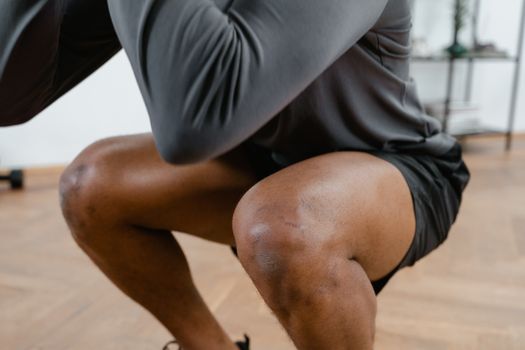
Squat depth and joint comfort often fail for predictable biomechanical reasons. When people struggle to reach the bottom of a squat, the cause is frequently not “weak legs,” but a breakdown in the mobility chain—especially at the ankle. Ankle dorsiflexion affects how the tibia can move forward over the foot. Knee tracking determines whether the body can stay aligned as you descend. When these elements don’t work together, the movement compensates: heels lift, the torso tips forward, or the knees collapse inward.
This article explains how ankle dorsiflexion, knee tracking, and squat depth mobility are linked, how to assess what’s limiting you, and how to train the pattern so depth improves without sacrificing joint alignment.
Understanding ankle dorsiflexion and why it governs squat mechanics
Ankle dorsiflexion is the ability to bring the shin forward while the heel stays down. In a squat, your ankle must dorsiflex to allow the knee to travel forward over the foot. If dorsiflexion is limited, the system searches for alternatives: the heel lifts, the knee can’t move forward far enough, or the pelvis shifts to preserve balance.
Two key ideas guide most squat mobility:
- Range is specific to position. Dorsiflexion is not just “how far you can lunge once.” It must be available in the squat stance under load and with controlled knee travel.
- Mobility must be usable. You may feel “tightness” in the calves or front of the ankle, but what matters is whether you can translate that range into stable mechanics—knees tracking and torso angle staying consistent.
Common contributors to reduced dorsiflexion include calf stiffness (gastrocnemius and soleus), limited joint play at the ankle, tissue restrictions around the Achilles, and sometimes foot structure or shoe-related constraints.
Knee tracking: what “good” looks like during descent
Knee tracking refers to how the knees move relative to the direction of the toes as you squat. In many people, the knees must move forward as the ankle dorsiflexes so that the tibia can stay stacked over the foot. If the knees track poorly—such as collapsing inward (valgus) or moving excessively outward—squat depth and comfort can suffer.
It’s helpful to think of knee tracking as a stability requirement, not a cosmetic rule. The knee should follow a path that allows the hips, knees, and ankles to share the load without forcing compensation.
When ankle dorsiflexion is restricted, knee tracking often changes. Instead of moving forward, the knee may be forced to move less forward, and the body responds by shifting the torso or lifting the heel. That can make the bottom position unreachable or uncomfortable.
How ankle dorsiflexion, knee tracking, and squat depth interact
Squat depth depends on the combined ability to:
- Move the knee forward enough during descent (supported by ankle dorsiflexion)
- Keep the heel down long enough to maintain a stable base
- Preserve alignment so the knee can handle load while the hip flexes
- Maintain balance without collapsing the arch or shifting weight excessively to the toes or heels
When the mobility chain is intact, the body can stay more upright while reaching depth. When it breaks, the movement often “solves” the problem by changing segment positions. For example, limited dorsiflexion may lead to heel lift; heel lift may shift weight forward; that can increase strain at the knee and reduce the ability to sit back and down.
In practice, you’re rarely correcting a single joint in isolation. Most improvements come from restoring the ankle’s ability to dorsiflex while also training the knee’s capacity to track and the hips’ ability to reach depth without dumping into a compensatory pattern.
Quick self-checks to identify your limiting link
Before training, it helps to identify what’s actually limiting depth. Use these checks as a movement audit—not as a pass/fail test.
1) Heel-down lunge or wall test
Assume a split stance facing a wall. Keep your heel down and drive the front knee forward toward the wall. If you can’t reach a comfortable distance without the heel lifting, ankle dorsiflexion is likely a limiting factor.
Repeat with a slightly different knee angle to ensure you’re not only testing one muscle length. If the heel lifts immediately, prioritize ankle mobility and control.
2) Squat descent: watch the first half
Film yourself from the side and front. In the first half of the squat, note:
- Does the heel lift early?
- Do the knees track forward or collapse inward?
- Does the torso angle change rapidly to “buy” range?
Early heel lift and altered knee travel often point to ankle dorsiflexion limitations and/or poor knee control.
3) Deep position: where does discomfort show up?
Some people can reach depth but feel pinching at the ankle, knee, or hip. Others feel unstable. Discomfort patterns can guide whether the issue is mobility range, tissue tolerance, or alignment control.
Training ankle dorsiflexion without losing squat control

Mobility training works best when it’s specific and progressive. The goal is not just to stretch the calves, but to improve dorsiflexion while maintaining a stable base.
Calf-focused mobility that respects joint mechanics
Choose drills that allow the shin to move forward while the heel stays down. Examples include:
- Kneeling ankle rocks with slow forward knee travel and a stable heel
- Supported dorsiflexion holds where you reach your maximum shin-forward position and pause for control
- Wall lunges that emphasize heel-down mechanics and gradual increases in knee travel
Quality cues matter: keep the foot grounded, avoid collapsing the arch, and move slowly enough to feel the shin progressing rather than bouncing.
Use squat-pattern drills to “bridge” mobility into depth
After mobility work, you want to practice the squat position with the new range. That can look like:
- Box squats to a controlled target height, focusing on heel-down and knee tracking
- Paused bodyweight squats where you stop briefly at the point you typically miss depth and reset alignment
- Tempo squats to build control through the range that currently feels most challenging
This approach helps the mobility chain become functional—your joints learn the pattern under control, not just in a stretch.
Improving knee tracking by training hip control and foot stability
Knee tracking isn’t solely an ankle issue. Even with good dorsiflexion, knee alignment can break if the hips and trunk can’t stabilize or if the foot collapses under load.
Foot and ankle stability cues
During squats and lunges, aim for a stable midfoot and consistent pressure through the foot. If your arch collapses and your knee moves inward, the movement is often reflecting a stability deficit.
Hip control: prevent inward knee drift
Exercises that strengthen hip stability can support better knee tracking. Look for training that improves control of the pelvis and femur as the squat deepens. Common options include:
- Glute-focused bridges or hip thrust variations with controlled tempo
- Side-lying hip abduction or standing hip abduction with alignment cues
- Split-stance squats with attention to knee path and heel stability
When knee tracking improves, squat depth often becomes easier because the body can descend without guarding or collapsing at the bottom.
Programming a mobility chain approach for durable squat depth
To make progress, treat mobility and mechanics as a combined system. A simple training structure can work well:
- Mobility first for a short, targeted session (ankle dorsiflexion work and controlled pauses)
- Then movement practice (box squats, paused squats, or tempo squats to reinforce knee tracking and heel-down mechanics)
- Then strength support (hip stability and squat-relevant strength so the new range is maintained under fatigue)
Progress gradually. If you force depth beyond your current control, compensations tend to reappear. Aim for small increases in range and consistent alignment across sets.
Common mistakes that stall ankle dorsiflexion and knee tracking progress

- Stretching without transferring range. If you gain dorsiflexion in a test position but your squat still breaks down, your training may not be specific enough.
- Ignoring heel position. If the heel lifts during squats, knee tracking and depth will often deteriorate.
- Overcorrecting knee position. Forcing the knees too far out or changing stance abruptly can create new compensations.
- Training only one side of the chain. Calf mobility alone may not address knee collapse if hip stability is lacking.
When to consider footwear and training environment
Footwear can influence squat mechanics by changing foot-to-floor contact and ankle effective range. If your shoes are very flexible or worn down, your foot may not behave consistently under load. Conversely, more stable footwear can help you maintain foot pressure and knee tracking while you build mobility.
Similarly, training surface and stance width matter. If your stance is too narrow for your anatomy, you may struggle to reach depth even with good dorsiflexion. If your stance is too wide, some people lose hip mechanics and depth becomes limited by hip range rather than ankle mobility.
Natural variation is normal. The goal is to find a stance and setup that lets you practice the mobility chain with good control, then progress from there.
Summary: building a squat depth mobility chain
Squat depth improves when ankle dorsiflexion knee tracking squat depth mobility chain elements work together. Limited dorsiflexion often forces heel lift and changes knee travel; poor knee tracking can reflect stability deficits at the hips and foot. The most reliable approach restores ankle range in a controlled, heel-down position, then transfers that range into squat-pattern practice. With consistent mechanics and progressive strength support, depth becomes more accessible and joint comfort improves.
If progress is slow, revisit the self-checks: identify whether the limiting link is ankle range, knee path control, or stability through the hips and foot. Adjust training to match the actual constraint, and prioritize quality movement over aggressive range chasing.
07.12.2025. 10:55