

Sleep Debt Systems Biology: How HRV Shapes Glucose Control

Sleep debt as a systems biology problem

Sleep debt is often described as feeling tired. In systems biology, it is better understood as a coordinated disruption of multiple regulatory networks—autonomic nervous system balance, stress hormone signaling, circadian timing, inflammation, and metabolic control. When sleep becomes insufficient or fragmented, the body does not simply “lack energy.” Instead, it reconfigures control loops that normally keep physiology stable.
A useful way to see this reconfiguration is through the lens of heart rate variability (HRV). HRV reflects aspects of autonomic regulation, particularly the dynamic interplay between sympathetic and parasympathetic activity. In parallel, blood glucose regulation depends on insulin secretion, insulin sensitivity, hepatic glucose output, and counter-regulatory hormones. When sleep debt perturbs autonomic and neuroendocrine systems, a cascade emerges that can shift glucose control toward dysregulation.
This article explains the sleep debt systems biology HRV glucose control cascade—how sleep loss can measurably influence HRV patterns and, through linked physiological pathways, alter glucose regulation. The goal is not to reduce complexity to one biomarker, but to clarify the mechanisms so you can interpret changes in a more biologically grounded way.
What HRV measures in a physiology that controls glucose
Heart rate variability is derived from beat-to-beat fluctuations in heart timing. While the exact meaning of HRV depends on the measurement method (time domain, frequency domain, wearable-derived estimates, and whether respiration is controlled), the core concept is consistent: HRV is a window into autonomic flexibility.
In simplified terms:
- Higher HRV often corresponds to greater parasympathetic (vagal) influence and adaptable autonomic control.
- Lower HRV often corresponds to reduced parasympathetic dominance and/or increased sympathetic drive, especially under stressors.
In a systems biology framework, HRV is not the controller of glucose. It is a readout of upstream control signals that also influence metabolic organs and hormone systems. Autonomic outputs reach the pancreas, liver, and adipose tissue through neural pathways and indirectly through hormone secretion patterns. When sleep debt shifts autonomic balance, glucose regulation can be affected even before any overt behavioral changes occur.
Sleep debt can shift autonomic balance rapidly
Sleep loss changes sympathetic-parasympathetic dynamics. Even short-term restriction can alter HRV measures, reflecting reduced regulatory capacity. This autonomic shift is one of the earliest links between sleep debt and metabolic outcomes because it can modulate organ-level processes on short timescales.
For example, increased sympathetic activity is associated with higher catecholamine signaling (epinephrine and norepinephrine). Catecholamines can promote hepatic glucose output and influence insulin secretion dynamics. Meanwhile, reduced parasympathetic tone can affect pancreatic islet signaling and the normal “rest-and-digest” modulation that supports metabolic stability.
The cascade begins with circadian misalignment and stress signaling
Sleep debt rarely occurs in isolation. It often includes circadian disruption: delayed bedtime, irregular schedules, or sleep timing that conflicts with internal clocks. Circadian systems coordinate glucose metabolism through transcriptional control and timing of hormone release. When sleep timing is misaligned, the body may experience a mismatch between “when glucose regulation is expected to occur” and “when it actually needs to occur.”
From a systems biology standpoint, circadian misalignment acts as an upstream perturbation that can:
- Alter insulin sensitivity rhythms
- Change hepatic glucose production timing
- Modify counter-regulatory hormone patterns
- Influence inflammatory signaling that affects insulin action
Stress hormones connect the brain, autonomic system, and glucose
Sleep debt also increases physiological stress signaling. Cortisol is a central example. Normally, cortisol follows a diurnal pattern and supports glucose availability in a timed manner. With insufficient sleep or disrupted schedules, cortisol dynamics can shift, potentially increasing glucose output and promoting insulin resistance in peripheral tissues.
At the same time, catecholamines rise with sympathetic activation. Together, cortisol and catecholamines create a metabolic environment that favors glucose availability for immediate energy demands. That can be adaptive in the short term, but with repeated sleep debt it becomes maladaptive, pushing the system toward higher glucose levels and reduced insulin effectiveness.
HRV is relevant here because autonomic balance influences hormone release. When HRV declines in the context of sleep debt, it often indicates a shift toward a stress-dominant regulatory state—one that aligns with increased counter-regulatory signaling.
From autonomic shifts to insulin dynamics: the HRV–glucose link
To understand the sleep debt systems biology HRV glucose control cascade, it helps to map how autonomic regulation affects insulin-related processes. Glucose control is not only about insulin levels; it is also about how quickly tissues respond to insulin and how the liver handles glucose.
Pancreatic signaling and insulin secretion
Insulin secretion depends on glucose sensing by pancreatic beta cells and on neural and hormonal inputs. The autonomic nervous system influences pancreatic activity. Sleep debt can alter parasympathetic and sympathetic tone, changing the signal pattern that beta cells receive.
When parasympathetic signaling is reduced and sympathetic influence increases, insulin secretion may become less coordinated with glucose influx. Even if insulin is produced, the timing and effective concentration at target tissues can be suboptimal.
Insulin sensitivity in liver and muscle
Insulin sensitivity determines how effectively insulin suppresses hepatic glucose output and supports glucose uptake in muscle and other tissues. Sympathetic activation and stress hormone changes can reduce insulin sensitivity. In addition, sleep debt can promote inflammatory signaling and oxidative stress, which interfere with insulin signaling pathways.
HRV can be thought of as a proxy for the autonomic component of this system. When HRV indicates reduced autonomic flexibility, it often parallels metabolic inflexibility—meaning the body has a harder time adjusting glucose handling in response to meals, activity, and circadian cues.
Inflammation and immune signaling amplify the glucose cascade
Sleep debt also affects immune and inflammatory pathways. Cytokines such as interleukin-6 and tumor necrosis factor-related pathways can impair insulin signaling. This is a systems-level amplification: the body’s metabolic control depends on more than hormones—it depends on the inflammatory state of tissues.
HRV is linked to inflammation through neuroimmune pathways. The vagus nerve and autonomic circuits influence cytokine release. When sleep debt leads to autonomic dysregulation, it can reduce the normal anti-inflammatory control mechanisms, increasing inflammatory burden and worsening insulin resistance.
In practical terms, the HRV–glucose relationship may become stronger as sleep debt accumulates and inflammatory effects increase. Early sleep restriction may show more immediate autonomic changes; longer or repeated restriction can add immune and inflammatory contributions that further impair glucose control.
Why sleep debt can change glucose even without overeating

A common misconception is that sleep debt affects glucose mainly by increasing appetite or caloric intake. While behavior matters, the cascade described here can operate in parallel. Autonomic and stress signaling can change glucose regulation independently of dietary changes.
Mechanistically, sleep debt can:
- Increase hepatic glucose output via stress hormones and sympathetic signaling
- Reduce insulin sensitivity in peripheral tissues
- Alter insulin secretion timing through neural modulation
- Increase inflammatory signaling that disrupts insulin pathways
Therefore, someone can experience higher post-meal glucose responses during periods of sleep restriction even if their diet remains unchanged. The body’s internal “control software” is recalibrating under stress.
Practical guidance: how to reduce the cascade in real life
Because the cascade is multi-system, the most effective prevention strategies are also multi-level. The goal is to restore sleep timing consistency, reduce stress signaling, and support autonomic flexibility.
Stabilize sleep timing to support circadian glucose rhythms
Irregular sleep schedules can create chronic circadian mismatch. Practical steps include:
- Keep wake time consistent across weekdays and weekends as much as possible
- Use a predictable bedtime window rather than shifting bedtime dramatically night to night
- Get outdoor light soon after waking to anchor circadian timing
This supports rhythmic control of glucose metabolism and reduces the mismatch that can drive the cascade.
Prioritize sleep duration before optimizing “metabolic tweaks”
If sleep is short, metabolic interventions may be fighting uphill physiology. In systems terms, you want to reduce the upstream perturbation. If you’re consistently under-sleeping, improving total sleep opportunity often restores part of the autonomic and hormonal regulation.
For many people, a first goal is to avoid repeated nights of severe restriction. If you can’t increase duration immediately, reducing fragmentation (consistent bedtime, minimizing awakenings) can still help.
Use HRV thoughtfully as a trend, not a diagnosis
Wearables and HRV apps can provide useful trend data, but HRV is sensitive to respiration, motion, stress, hydration status, and measurement conditions. Consider HRV as one signal among many.
Practical approach:
- Track HRV trends across weeks rather than interpreting one night
- Compare similar conditions (resting, same time of day)
- Pair HRV changes with sleep duration and timing, not only with diet
If HRV consistently drops during periods of short or irregular sleep, that pattern aligns with reduced autonomic flexibility—an internal state that often co-travels with glucose dysregulation.
Reduce acute sympathetic activation around bedtime
Sleep debt doesn’t only come from short sleep. It can also come from high arousal that fragments sleep. Strategies that can reduce sympathetic drive include:
- Limit intense exercise late in the evening if it delays sleep onset for you
- Dim lights and reduce stimulating screen content in the last hour before bed
- Use calming routines that cue the nervous system (breathing exercises, reading, warm shower)
These changes can improve sleep continuity, which helps stabilize autonomic regulation and reduce downstream metabolic stress.
Relevant measurement context: glucose monitoring and HRV
If you want to connect the cascade to measurable physiology, it’s important to understand what the metrics do and do not show.
Glucose response reflects both insulin action and timing
Post-meal glucose is influenced by insulin sensitivity, insulin secretion timing, hepatic glucose output, and how quickly tissues clear glucose. Sleep debt can change all of these. Even without fasting glucose changes, post-meal glucose excursions may worsen.
HRV reflects autonomic regulation, not glucose directly
HRV does not “measure glucose.” Instead, it reflects regulatory flexibility in the autonomic nervous system. When HRV trends worsen during sleep restriction, it may indicate a regulatory state that is less favorable for insulin action and more favorable for counter-regulatory signaling.
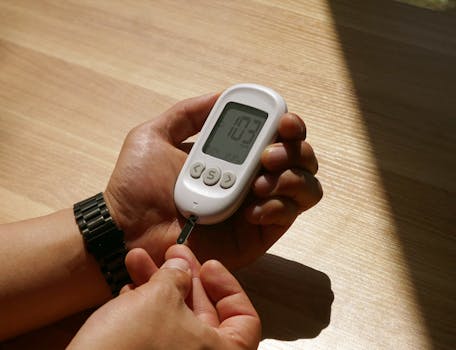
Some people use continuous glucose monitors (CGMs) to observe glucose patterns. While CGMs are not required for understanding the physiology, they can reveal whether sleep timing changes correspond to changes in glycemic control. The key is to interpret results as a system: sleep timing, stress, activity, and meal timing all interact.
Summary: preventing the sleep debt HRV–glucose cascade

The sleep debt systems biology HRV glucose control cascade is a chain of interacting control loops. Sleep debt perturbs circadian timing and stress signaling, shifts autonomic balance as reflected in HRV patterns, and alters insulin secretion coordination and insulin sensitivity in liver and peripheral tissues. Inflammatory and immune pathways can amplify these effects over time.
Prevention guidance follows directly from the system view:
- Stabilize sleep timing to reduce circadian mismatch in glucose regulation.
- Restore sufficient sleep duration to lower stress hormone and sympathetic drive.
- Use HRV as a trend to monitor autonomic flexibility, not as a standalone diagnostic.
- Reduce bedtime arousal to improve sleep continuity and protect autonomic stability.
When sleep debt is addressed upstream, downstream metabolic control often improves—not because of a single mechanism, but because multiple physiological networks return toward coordinated regulation.
14.05.2026. 01:39