

Stress Physiology in Attention: Sympathetic vs Parasympathetic Fixes

Stress physiology and attention: why your focus changes under pressure

When attention falters during exams, deadlines, conflict, or chronic workload, the cause is rarely “lack of willpower.” At the physiological level, stress changes how your brain allocates resources—what it treats as important, what it filters out, and how quickly it can shift between tasks. This shift is strongly tied to the autonomic nervous system (ANS), which regulates body states largely outside conscious control.
The ANS has two major branches: the sympathetic system, which prepares the body for action, and the parasympathetic system, which supports rest, recovery, and digestion. Under acute stress, sympathetic activity rises to help you mobilize. Under prolonged stress, the same mobilization pattern can become sticky, leaving the body in a “ready” state that competes with the calm stability attention needs.
This article explains the stress physiology in attention sympathetic parasympathetic practical fixes—how sympathetic and parasympathetic signals influence cognitive performance, and what you can do to shift the body toward a more attention-friendly state.
Key idea: Attention is not just a mental skill. It is partly a physiological state. When the body is primed for threat, the brain prioritizes monitoring and rapid response over sustained processing.
Autonomic basics: sympathetic activation and the attention cost
The sympathetic nervous system is often described as “fight or flight.” In physiological terms, it increases arousal: heart rate and blood pressure rise, breathing may become faster or shallower, muscle tone increases, and stress hormones prepare the body for effort. These changes are useful when you must respond quickly.
However, sustained sympathetic activation can impair attention in several ways:
- Threat monitoring dominates. The brain allocates more resources to scanning for danger—internal sensations (tight chest, racing thoughts) and external cues (uncertainty, criticism). This reduces capacity for deep, goal-directed focus.
- Working memory becomes less stable. Stress can narrow mental bandwidth, making it harder to hold and manipulate information while ignoring distractions.
- Task switching becomes harder. Under threat, shifting attention can feel effortful or “sticky,” increasing the tendency to loop on worry or on the last mistake.
- Time perception changes. Under high arousal, time can feel either accelerated or distorted, which affects pacing and planning.
At a cellular level, stress physiology also influences neurotransmitter systems involved in attention and learning. Noradrenergic signaling (associated with arousal and vigilance) increases with sympathetic activation. While moderate levels can improve alertness, excessive or prolonged levels can reduce flexibility and increase distractibility.
Parasympathetic recovery: how “rest-and-digest” supports sustained focus
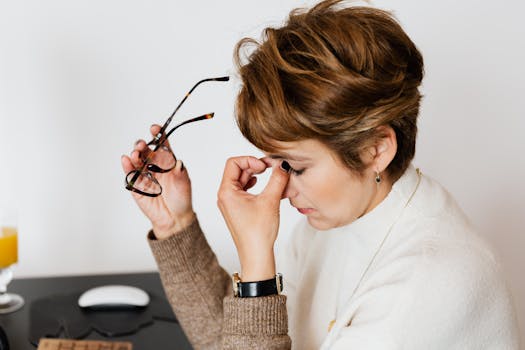
The parasympathetic nervous system supports recovery and regulation. Its activity is often linked with improved digestion, slower heart rate, and a calmer internal rhythm. In attention terms, parasympathetic dominance helps the brain stabilize processing so it can sustain effort without constant threat scanning.
When parasympathetic tone is higher, people often notice:
- Better ability to stay on task. Distractions still occur, but they are less sticky and easier to let go of.
- Improved cognitive flexibility. Switching from one step to the next feels more natural.
- More efficient emotional regulation. Thoughts remain present without immediately triggering physiological escalation.
Importantly, parasympathetic activity is not the same as “sleepiness.” A regulated parasympathetic state can feel focused, steady, and calm—often described as “quiet concentration.”
One practical way to think about it: attention needs a balance between readiness and safety. Sympathetic activation provides readiness; parasympathetic regulation provides the safety signal that allows the brain to commit to sustained processing.
Why chronic stress disrupts attention: the sympathetic system gets stuck
Acute stress can be short-lived and beneficial. Chronic stress is different. When demands do not resolve—ongoing worry, unpredictable schedules, repeated interruptions, caregiving strain—the body may fail to return fully to baseline. This creates a pattern where sympathetic activation remains elevated or repeatedly rebounds.
Several mechanisms can contribute:
- Repeated activation cycles. If stressors occur frequently, the nervous system may not complete recovery between them.
- Anticipatory anxiety. The brain predicts threat and activates sympathetic physiology even before the stressor arrives.
- Interoceptive amplification. People under stress pay more attention to bodily sensations, which can further increase arousal.
- Sleep disruption. Poor sleep reduces parasympathetic regulation capacity, making it harder to downshift.
In attention terms, this can look like scanning, rumination, and reduced tolerance for uncertainty. Even when the task is clear, the physiological system may still behave as if danger is present.
Physiology-to-behavior mapping: what to notice in your body and mind
Practical fixes work best when you can identify which state you are in. While everyone differs, common sympathetic-dominant signs include increased muscle tension (jaw, shoulders), faster breathing, restlessness, irritability, and the sensation that thoughts are “loud.” Parasympathetic-friendly signs include slower breathing, softer facial muscles, steadier posture, and a subjective sense of “space” in thinking.
Try a brief self-check before you start a demanding focus block:
- Breathing pattern: Is it shallow or rushed?
- Muscle tone: Are you bracing (jaw, shoulders, hands)?
- Heart rate sensation: Do you feel pounding or heightened urgency?
- Thought style: Is it scanning for problems, rehearsing arguments, or jumping to worst-case scenarios?
- Task engagement: Can you start, or do you stall and feel compelled to “prepare” endlessly?
These cues help you choose the right physiological lever. If you are in a sympathetic state, you need downshift tools. If you are flat or disengaged, you may need mild activation plus structure.
Practical fixes: shifting toward parasympathetic regulation during focus
The goal is not to eliminate stress entirely; it is to restore a functional balance so attention can operate effectively. Below are practical, physiology-informed techniques that can be used in real time.
1) Breathing that signals safety: slow exhale and longer out-breath
Breathing is one of the most accessible ways to influence autonomic balance. Many people intuitively breathe faster under stress. Slowing the breath—especially lengthening the exhale—often supports parasympathetic signaling.
Try this during a pause (30 to 90 seconds):
- Inhale gently through the nose for a comfortable count (for example, 4).
- Exhale slowly for a longer count (for example, 6 to 8).
- Keep the effort low; the purpose is to reduce arousal, not to force air hunger.
If you have a history of panic or breathing sensitivity, start with smaller changes (e.g., slightly longer exhale rather than dramatic slowing).
2) Downshift through muscle release: “unclench” as a nervous system cue
Sympathetic activation often shows up as muscle bracing. Releasing muscle tension can provide sensory feedback that reduces threat signaling. This is especially useful when stress is experienced as physical tightness.
Use a quick sequence:
- Jaw: let the tongue rest gently, unclench teeth.
- Shoulders: lower them on an exhale.
- Hands: soften the grip; relax fingers and palms.
- Abdomen: allow the belly to expand and relax rather than hold rigidly.
Then return to the task for 5 to 10 minutes. You are training the nervous system to associate “release” with “safe engagement.”
3) Attention reset with orienting: look for safety cues in the environment
Under sympathetic dominance, attention narrows to internal threat cues. Orienting helps broaden attention and reduces the sense of immediate danger. It is not about distraction; it is about recalibrating salience.
Do a brief orienting routine:
- Look around slowly and identify 3 neutral objects.
- Notice 2 sounds without judging them.
- Feel contact points (feet on the floor, chair support) for 10 seconds.
This can reduce rumination loops by shifting processing from internal alarms to external context.
4) Cold exposure or temperature shifts (optional): brief, controlled arousal modulation
Some people use brief temperature changes to alter arousal and reset attention. A short cool rinse or brief cool contact can change sensory input and sometimes reduce perceived stress intensity.
Practical guidance: keep it short and controlled, and avoid extreme measures. If you have cardiovascular conditions or experience discomfort, skip this approach.
5) Reduce cognitive load: simplify the next action to exit sympathetic “stalling”
When you are physiologically aroused, complex planning can become a threat trigger. The nervous system may interpret “many steps” as risk. Reducing the next step helps the brain commit to action.
Use a “one move” rule:
- Write the smallest next action you can do in under 2 minutes.
- Start immediately—no additional organizing.
- After 2 minutes, reassess and pick the next smallest action.
This technique supports attention by converting uncertainty into a solvable sequence, reducing sympathetic escalation.
Using sympathetic activation strategically: when arousal helps rather than harms
Not all sympathetic activity is bad. Low-to-moderate arousal can improve alertness, reaction time, and motivation. The challenge is calibrating arousal to task demands.
For tasks that require quick responsiveness or initial activation (starting a workout, beginning a difficult problem), a small, time-limited sympathetic boost may help—followed by parasympathetic stabilization for sustained work.
Examples of “activation then focus” routines:
- Light movement: 2 to 5 minutes of easy walking, stair climbing, or gentle stretching before a focused block.
- Structured start: begin with a short warm-up task (e.g., reviewing the first paragraph, solving a simple subproblem).
- Then downshift: after starting, apply slow exhale breathing or muscle release to keep arousal within a functional range.
This prevents the common pattern of staying in high arousal for too long, which can lead to fatigue and distractibility.
Timing matters: micro-breaks that actually restore autonomic balance
Attention often fails not only because of stress, but because recovery time is missing. Micro-breaks can help if they change physiology, not just provide time away from the screen.
Try a 60-second break between focus segments:
- Stand or change posture.
- Do 3 to 5 slow exhale breaths.
- Unclench jaw and shoulders.
- Look away from the task and orient to the room.
These actions support a parasympathetic shift and reduce the rebound of sympathetic activation. If you only scroll or stare, the nervous system may remain in an arousal loop.
Environmental and behavioral supports: reducing threat signals around attention
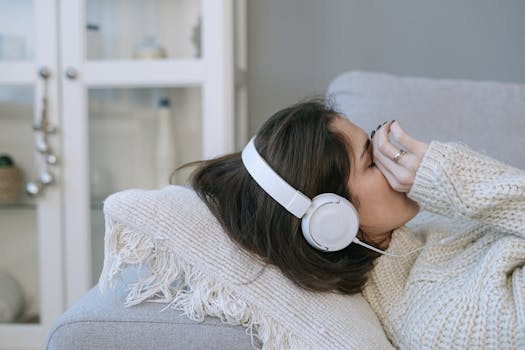
Physiology is influenced by context. If your environment repeatedly triggers threat processing—constant notifications, chaotic workspace, frequent interruptions—your nervous system receives repeated “activation” cues.
Practical changes that support autonomic regulation:
- Notification boundaries: batch checks rather than constant interruptions.
- Predictable transitions: use a consistent start ritual (same breathing cue, same timer, same first step).
- Light and temperature: overly dim or overly hot/cold rooms can increase discomfort and stress signaling.
- Noise management: if background noise is unpredictable, consider consistent masking (e.g., steady ambient sound) to reduce vigilance.
These are not “productivity hacks.” They reduce the number of autonomic threat triggers that compete with attention.
Breath and biofeedback tools: when measurement helps you practice regulation
Some people benefit from tracking indicators of stress physiology. While wearable data is not a diagnosis, it can make patterns visible—such as elevated heart rate during certain tasks or improved recovery after breathing practices.
Common tools include heart-rate monitors and wearable devices that estimate stress metrics. Examples include chest-strap heart rate monitors used for training and wrist-worn devices that provide heart-rate variability (HRV) estimates. HRV is often used as a proxy for autonomic flexibility, though interpretations vary and individual baselines matter.
Practical approach if you use tracking:
- Track for patterns, not for perfection.
- Look for improvements after a specific downshift routine.
- Use the data to refine timing (when to take breaks, when to downshift), not to judge performance.
If tracking increases anxiety, reduce reliance on it and return to simple body cues.
Long-term prevention: building autonomic resilience for attention
Short-term fixes help you regain focus quickly, but long-term improvements come from strengthening parasympathetic recovery and reducing chronic sympathetic load.
Evidence-aligned prevention strategies include:
- Consistent sleep timing: stable sleep supports autonomic regulation and emotional control.
- Regular moderate exercise: improves stress tolerance and helps the body recover more effectively.
- Stress inoculation through gradual exposure: practice staying with manageable discomfort (e.g., short focused sessions) to reduce threat interpretation.
- Mind-body practices: breath training, mindfulness, and gentle yoga can support downshifting and interoceptive regulation.
- Social and emotional processing: unresolved conflict and chronic worry keep sympathetic activation elevated; structured support helps reduce the baseline threat load.
Nutrition and caffeine also matter for arousal. Excess caffeine can amplify sympathetic tone in sensitive individuals, making it harder to downshift. Hydration and regular meals support stable physiology, especially during long attention demands.
When to seek professional help: stress physiology can signal deeper issues

Most attention problems under stress are manageable with behavioral and physiological tools. However, persistent symptoms—panic-like episodes, severe insomnia, debilitating anxiety, fainting, chest pain, or significant functional decline—warrant professional evaluation.
Autonomic dysregulation can occur in various conditions, and it is important to rule out medical causes. A clinician can assess whether symptoms reflect a nervous system issue, medication effects, or another health concern.
Summary: practical sympathetic-parasympathetic fixes for steadier attention
Attention is sensitive to stress physiology. Sympathetic activation increases vigilance and narrows processing, which can undermine sustained focus. Parasympathetic regulation supports steadiness, flexibility, and the ability to commit to a task.
Practical fixes you can use immediately include:
- Breathing with longer exhales to signal safety and reduce arousal.
- Muscle release (jaw, shoulders, hands) to reduce bracing feedback.
- Orienting to neutral environmental cues to interrupt threat scanning.
- Simplifying the next action to exit sympathetic stalling and restore momentum.
- Micro-breaks that include physiological downshifts, not just time away.
For prevention, prioritize sleep regularity, moderate exercise, and consistent recovery routines. Over time, your nervous system becomes more flexible—less likely to get stuck in high arousal and more capable of returning to a focus-ready state.
24.04.2026. 22:00