

Cellular Senescence Explained: What It Is and Why It Matters

Cellular senescence explained: the basics
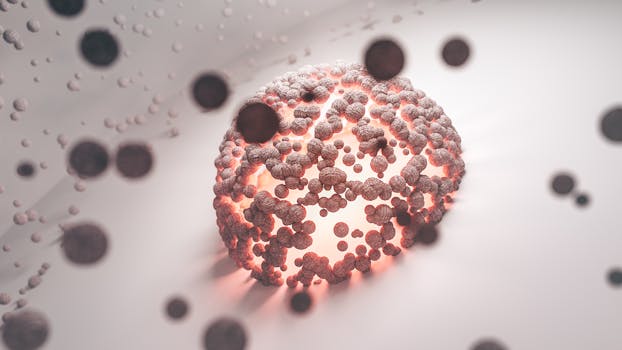
Cells are not immortal. Many divide many times, but eventually they reach a point where continued division becomes harmful or ineffective. Cellular senescence explained starts with a simple idea: senescent cells are living cells that have stopped dividing, but they do not die immediately. Instead, they enter a durable growth arrest and often change how they behave in surrounding tissues.
Senescence is not just a “failure mode.” In the body, it can act as a protective mechanism—helping prevent damaged cells from multiplying and potentially turning cancerous. But when senescent cells accumulate over time, their secreted signals can disrupt tissue function and contribute to chronic inflammation and age-related decline.
Understanding senescence helps connect many observations in biology: why aging tissues become inflamed, why wound healing can change with age, and why some age-related diseases involve persistent cellular stress.
What qualifies as senescence?
Senescence is typically defined by a combination of features rather than a single marker. While researchers use different criteria depending on the context, several hallmarks are commonly discussed.
1) Permanent cell-cycle arrest
Senescent cells stop proliferating. This growth arrest is maintained by internal checkpoint pathways that respond to stress. In practical terms, the cell remains metabolically active while refusing to divide.
2) Stress-response activation
Senescence often follows cellular stress such as DNA damage, telomere shortening, oxidative stress, or oncogenic signaling. Cells sense these threats and shift into a state that prioritizes containment over division.
3) Senescence-associated secretory changes
Many senescent cells adopt a distinct secretory profile, often referred to as the senescence-associated secretory phenotype (SASP). SASP factors can include inflammatory cytokines, chemokines, growth factors, and matrix-remodeling enzymes. These signals can recruit immune cells, influence neighboring cell behavior, and alter tissue structure.
4) Resistance to apoptosis (in many cases)
Senescent cells may persist longer than you might expect. Their survival can be supported by altered stress signaling, making them more difficult to clear without immune assistance or therapeutic interventions.
How does a cell become senescent?

Cells generally enter senescence through stress pathways that converge on the cell-cycle machinery. The triggers differ, but the outcome can be similar: a stable growth arrest plus characteristic secretory activity.
DNA damage and checkpoint signaling
When DNA is damaged—by radiation, reactive oxygen species, or replication errors—cells activate repair and checkpoint responses. If damage is extensive or persistent, the cell may switch from attempting division to entering senescence. This can reduce the risk of propagating mutations.
Telomere shortening
Telomeres protect chromosome ends. With repeated divisions, telomeres shorten. Critically short telomeres can be recognized as DNA damage, activating pathways that drive senescence. This is one reason senescence is often discussed in the context of replicative aging.
Oxidative stress
Reactive oxygen species can damage DNA, proteins, and lipids. When oxidative stress overwhelms protective systems, cells can become senescent. Importantly, oxidative stress is not only a cause—it can also be amplified by SASP-related inflammatory signaling.
Oncogene activation and aberrant growth signals
Paradoxically, too much “growth drive” can also trigger senescence. Hyperactive oncogenic signaling can cause uncontrolled replication stress, leading the cell to stop dividing. This is one way senescence can act as a tumor-suppressive mechanism.
Inflammation and tissue microenvironment
Senescence is also influenced by external signals. Chronic inflammation, changes in nutrient availability, altered extracellular matrix, and immune dysregulation can promote senescence in tissues and affect how efficiently senescent cells are removed.
Why senescence can be both protective and harmful
One of the most important concepts in cellular aging biology is that senescence is context-dependent. It can help the body in the short term, then contribute to dysfunction later.
Beneficial roles: tumor suppression and repair coordination
In early stages, senescence can prevent damaged or potentially cancerous cells from proliferating. In wound healing, senescent cells can help orchestrate remodeling by signaling to immune cells and neighboring tissue cells. This can be useful when the process is temporary and clearance is efficient.
Harmful roles: chronic inflammation and tissue disruption
When senescent cells persist, the SASP can become problematic. Continuous inflammatory signaling can impair normal tissue regeneration, alter stem cell function, and promote fibrosis (the excessive buildup of scar-like extracellular matrix). Over time, these changes can contribute to reduced organ performance.
Researchers also discuss how senescent cells may influence metabolic dysfunction, vascular changes, and immune aging—factors that often appear together in aging populations.
Senescence vs. apoptosis: what’s the difference?
Senescent cells are not the same as dead cells. Apoptosis is an organized form of cell death that removes damaged cells. Senescence, in contrast, is a state of survival with inhibited division.
Both processes can follow cellular stress, and the balance between them matters. If damaged cells die quickly, senescence may be limited. If clearance is delayed, senescent cells can accumulate and exert long-term effects through SASP and altered tissue signaling.
In healthy physiology, the body aims for a timely resolution: senescence occurs when needed, then immune mechanisms help clear senescent cells once their role is complete.
Where senescence shows up in the body

Senescence is not confined to one tissue type. It can appear across organs, influenced by local stressors such as inflammation, metabolic strain, and mechanical damage.
Skin and wound healing
Skin experiences repeated stress from environmental exposure and mechanical wear. Senescent cells can affect the inflammatory phase of healing and the quality of tissue remodeling, contributing to changes in elasticity and repair capacity with age.
Vascular system and atherosclerosis
Vascular tissues are exposed to oxidative stress and inflammatory signals. Senescence in vessel walls can contribute to impaired endothelial function and may support processes that favor plaque development.
Liver and metabolic stress
The liver is sensitive to metabolic and inflammatory stress. Senescence-related pathways have been studied in the context of chronic liver injury, where repeated insults can create a persistent environment that favors senescent cell accumulation.
Brain and neuroinflammation
Neuroinflammation and altered immune signaling can interact with senescence biology. While the brain is complex and direct measurement is challenging, senescence-associated pathways have been investigated in age-related cognitive decline and neurodegenerative conditions.
How senescent cells are cleared
Senescent cells can be removed through immune surveillance and other clearance mechanisms. This is a major reason why senescence can be more manageable early in life and more problematic later.
Immune recognition: the role of “eat-me” and signaling cues
Senescent cells often display altered surface signals and secrete factors that attract immune cells. Cytotoxic T cells and natural killer cells can recognize and eliminate certain senescent cells, while macrophages can help clear them.
Why clearance can weaken with age
With aging, immune function changes—a phenomenon often called immunosenescence. Reduced immune efficiency can mean senescent cells persist longer, allowing SASP-driven inflammation to continue.
Therapeutic research directions
Scientists are investigating ways to enhance clearance or reduce harmful SASP signaling. These approaches are active areas of research and are not yet universally available as standard care. Still, the underlying biology—improving how the body detects and resolves senescence—is a central theme.
Measuring senescence in research and medicine
Because senescence is a state rather than a single condition, measurement is nuanced. Researchers typically combine multiple indicators.
Common laboratory markers
One widely used technique involves detecting senescence-associated beta-galactosidase activity at a specific pH condition. Other approaches assess cell-cycle inhibitors and DNA damage markers, along with SASP-related gene expression.
Why markers can differ by context
Senescence is triggered by different stressors and can behave differently across cell types. A marker panel used in one tissue may not fully capture senescence in another. This is one reason the field emphasizes careful interpretation and multiple lines of evidence.
Can lifestyle influence cellular senescence?

While there is no single lifestyle action that “turns off” senescence, modifiable factors can influence the upstream stressors that promote senescence—especially oxidative stress, chronic inflammation, and metabolic strain.
Exercise and inflammation regulation
Regular physical activity is associated with improved metabolic health and reduced chronic inflammation in many populations. Mechanistically, exercise can influence oxidative stress balance, insulin sensitivity, and immune function—factors that can affect senescence burden.
Dietary patterns that support metabolic and oxidative balance
Diet affects energy balance, lipid profiles, and systemic inflammation. Approaches such as Mediterranean-style eating patterns—rich in vegetables, fruits, legumes, whole grains, and healthy fats—are commonly discussed in relation to inflammatory markers and cardiovascular risk, which overlap with senescence-relevant pathways.
Sleep quality and stress physiology
Chronic poor sleep can worsen metabolic regulation and inflammatory signaling. Since senescence is influenced by inflammatory and stress pathways, improving sleep duration and quality may help reduce ongoing stress load.
Avoiding excessive exposure to senescence-driving stressors
Smoking is a clear example of a major source of oxidative and inflammatory stress. Minimizing exposure to known harmful agents can reduce the cumulative burden that pushes tissues toward stress responses.
Relevant products and supplements: what to know
Interest in senescence biology has led to increased attention on supplements and “anti-aging” products. It’s important to separate promising hypotheses from established clinical outcomes.
Some commonly discussed categories include antioxidants (such as vitamin C or E), compounds associated with mitochondrial health, and agents studied for inflammation modulation. However, the relationship between antioxidants and senescence is complex: reactive oxygen species can damage cells but also play signaling roles. High-dose supplementation is not automatically beneficial, and in some contexts may interfere with adaptive responses to exercise or normal cellular signaling.
If you choose to use any supplement, it’s best to consider evidence quality, dosage, safety, and interactions with medications. For people with chronic conditions or who take anticoagulants, immunosuppressants, or other long-term therapies, discussing supplements with a qualified clinician is prudent.
As of now, there is no widely accepted supplement that can reliably and safely reduce senescent cell burden in humans in a way that is clearly linked to meaningful clinical outcomes. The strongest practical guidance still centers on reducing upstream stressors and supporting overall health.
Practical guidance for healthy aging with senescence in mind
Because senescence is driven by stressors and persists when clearance weakens, practical strategies focus on both sides: lowering the triggers and supporting the body’s ability to resolve inflammation.
- Prioritize consistent movement: aim for regular aerobic and resistance activity suited to your health status. This supports metabolic health and immune function.
- Use a nutrient-dense dietary pattern: emphasize whole foods, fiber, and healthy fats; limit highly processed foods that can worsen metabolic and inflammatory profiles.
- Protect sleep: treat persistent insomnia or sleep apnea seriously, since sleep disruption can amplify inflammatory and metabolic stress.
- Avoid smoking and limit harmful exposures: these are major sources of oxidative stress and chronic inflammation.
- Manage chronic conditions: conditions like diabetes, cardiovascular disease, and chronic inflammatory disorders can increase biological stress load.
- Stay current with medical care: screening and treatment reduce ongoing tissue damage, which can indirectly influence senescence burden.
These steps do not “guarantee” reduced senescence in every tissue, but they align with the known drivers of stress responses that contribute to senescence and its harmful accumulation.
Summary: the key takeaways of cellular senescence explained
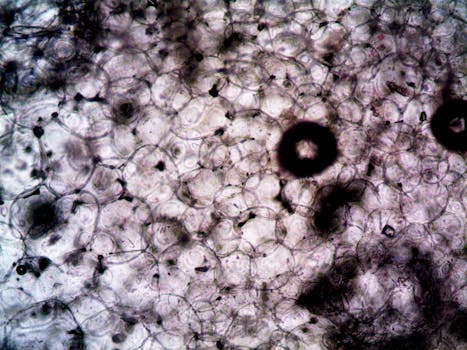
Cellular senescence explained is ultimately about a stable growth-arrest state that cells enter after stress. Senescence can protect the body by stopping damaged cells from dividing and by helping coordinate repair. Yet when senescent cells persist, their secretory signals can sustain inflammation, impair regeneration, and contribute to age-related decline.
The most actionable understanding is upstream: senescence is influenced by oxidative stress, DNA damage, metabolic strain, chronic inflammation, and the efficiency of immune clearance. Healthy aging strategies—regular physical activity, nutrient-dense eating, good sleep, avoidance of smoking, and appropriate management of chronic disease—support the biological environment that reduces stress signals and promotes resolution.
Research continues to refine how senescence is measured, how it varies across tissues, and how therapies might safely reduce harmful senescent cell effects. For now, the practical approach remains grounded in evidence-based lifestyle and medical care that lowers the stressors tied to senescence biology.
28.11.2025. 01:56