

HRV vs Resting Heart Rate: Cortisol Stress Troubleshooting

When your HRV drops but resting heart rate rises, what’s really happening?
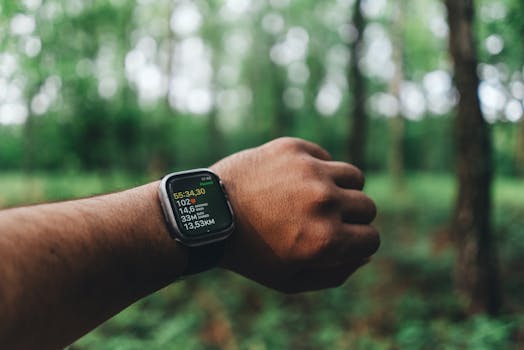
You’re tracking HRV and resting heart rate (RHR) for stress and recovery. Then you notice a pattern: HRV trends down while RHR trends up. Sometimes you also feel “wired but tired,” sleep feels lighter, or you wake earlier than usual.
This is the common crossroads where people suspect cortisol and stress physiology. The problem is that HRV, RHR, and cortisol don’t move in a simple, one-to-one way. HRV is influenced by your autonomic nervous system (balance of sympathetic vs parasympathetic activity), while RHR reflects baseline cardiovascular load and sleep quality. Cortisol is a hormone that can rise with stress, but it’s not the only driver of these metrics.
In this troubleshooting guide, you’ll use a practical, step-by-step approach to figure out the most likely causes and what to fix first—starting with the simplest things that can distort your readings.
Why HRV vs resting heart rate cortisol stress signals can look contradictory
Before you change anything, it helps to understand what each metric is “trying” to tell you.
- HRV (often RMSSD or similar) is typically higher when your nervous system is more flexible and parasympathetic (recovery/rest-and-digest) activity is stronger. Acute stress can reduce HRV quickly.
- Resting heart rate rises when your body is working harder at baseline—often due to poor sleep, illness, caffeine effects, dehydration, or ongoing sympathetic tone.
- Cortisol stress can increase with psychological stress, poor sleep, overtraining, under-eating, or inflammation. But cortisol’s timing matters. It’s not unusual for cortisol patterns to shift across the day and for HRV/RHR to lag or respond differently.
So if you see “HRV down + RHR up,” it often indicates higher physiological strain—sometimes cortisol-related, sometimes not. Your job is to sort out whether the driver is measurement noise, lifestyle inputs, training load, sleep disruption, or something medical.
Most likely causes when HRV drops and resting heart rate climbs
Start with the most common explanations. In real life, these account for the majority of confusing HRV vs resting heart rate cortisol stress patterns.
1) Measurement artifacts (the #1 hidden cause)
Wrist sensors are sensitive to motion, skin contact, fit, and signal quality. Even subtle changes—like looser wear, colder skin, or sleeping with your arm under your head—can reduce HRV accuracy and make RHR look higher.
Example: You switch bands, wear the device 1–2 cm higher, or sleep later after a late workout. HRV can drop for reasons unrelated to stress physiology.
2) Sleep disruption and “stress sleep”
Short sleep, frequent awakenings, alcohol, late meals, and uncomfortable room temperature can increase sympathetic activity at night. That can lower HRV and raise RHR the next day.
You don’t need to feel “anxiety.” Sleep fragmentation alone can mimic stress physiology.
3) Cortisol-related inputs: under-recovery, overtraining, or under-eating
If you’re training hard without enough recovery, or you’re consistently in a calorie deficit, your body may elevate stress hormones to maintain energy availability. That can show up as lower HRV and higher RHR—often within 24–72 hours.
4) Stimulants and timing (caffeine, nicotine, pre-workout)
Caffeine can raise heart rate and reduce HRV, especially if you take it later in the day. A practical rule: if your last caffeine is within 8–10 hours of bedtime, it can still affect sleep quality and autonomic balance.
5) Illness, inflammation, or “you feel fine but you’re not”
HRV often decreases early during viral infections or inflammatory flares, sometimes before you feel obviously sick. RHR can rise as your body ramps up immune activity.
If the pattern persists for multiple days and you notice fatigue, sore throat, GI changes, or unusual body aches, treat it as possible illness.
6) Dehydration, low electrolytes, or heat
Low fluid intake, heavy sweating, and electrolyte imbalance can increase heart rate and reduce HRV. This is especially common if you train outdoors or use sauna/steam frequently.
7) Medication and supplements
Some meds and supplements affect heart rate variability and resting heart rate—think beta-agonists, thyroid medication changes, certain antidepressants, antihistamines, and even some fat burners. If you recently changed anything, that’s a prime suspect.
Step-by-step troubleshooting and repair process (use this order)
Use a structured approach. Don’t guess. Verify measurement first, then lifestyle inputs, then training and recovery, and finally medical red flags.
Step 1: Confirm your data quality for 3 nights
- Wear the device snug (not tight enough to leave marks), same location on your wrist each night.
- Avoid sleeping with your wrist in a position that forces constant bending.
- Check the app for signal quality or “bad data” flags. If your app shows poor signal, treat HRV values as unreliable.
- Look for consistency: if HRV plunges only on days when the sensor likely struggled, it’s probably not a cortisol/stress issue.
Timeframe: Complete this check for 3 consecutive nights before concluding anything physiological.
Step 2: Standardize the “resting” measurement window
Many wearables estimate RHR during sleep or a resting window. If your sleep schedule shifts, RHR can change even without real baseline differences.
- Keep bedtime within ±60 minutes for a week.
- Wake at a similar time if possible.
- Avoid intense late-night activity right before sleep.
Target observation: After 5–7 days of consistent timing, your baseline RHR should stabilize if the issue is behavioral.
Step 3: Run a 48–72 hour “input reset”
Now remove the biggest common confounders. This is where you test whether the cortisol stress signal is being driven by day-to-day inputs.
- Caffeine: Stop caffeine after 12:00 pm for 3 days (or at least 8–10 hours before bed).
- Alcohol: Avoid it for 3 nights. Even small amounts can fragment sleep.
- Late meals: Finish your last meal at least 3 hours before bed.
- Hydration: Aim for steady fluids through the day; if you sweat heavily, include electrolytes.
- Training: Keep intensity moderate. No hard intervals in the last 24 hours before sleep during the reset.
What you’re looking for: If HRV rebounds and RHR drops within 2–3 days, your issue was likely lifestyle-driven (sleep strain, stimulants, dehydration) rather than a persistent cortisol problem.
Step 4: Compare “trend vs spike” behavior
HRV and RHR behave differently when the cause is acute vs chronic.
- Acute spike pattern: HRV drops and RHR rises within 24 hours of a stressful event, late workout, travel, bad sleep, or caffeine.
- Chronic drift pattern: Gradual decline over 2–4 weeks suggests training load, ongoing sleep restriction, under-eating, or a medical contributor.
This is where you decide how aggressive your changes need to be.
Step 5: Check for “silent illness” clues
If HRV is suppressed and RHR elevated for more than 3–5 days despite the 48–72 hour input reset, consider illness or inflammation.
- Monitor temperature if you can.
- Look for new symptoms: fatigue, sore throat, congestion, GI changes, unusual muscle aches.
- Reduce training volume immediately and prioritize sleep.
If symptoms appear or you feel worse, don’t treat this as just cortisol—treat it as a health signal.
Solutions from simplest fixes to more advanced fixes
Pick the lowest-effort option first. You’re troubleshooting, not launching a complicated protocol.
Simple fix: lock in consistent sleep timing for 7 nights
Do this even if you “feel” like sleep is fine. A wearable can detect subtle fragmentation.
- Keep bedtime/wake time within ±60 minutes.
- Get morning light within 30–60 minutes of waking (10–20 minutes outdoors if possible).
- Cool, dark room. If you can’t control temperature, use a fan or adjust bedding.
Expected change: Many people see HRV improve and RHR settle within 5–10 days once sleep regularity improves.
Simple fix: remove late stimulants and tighten meal timing
This targets cortisol stress indirectly by reducing sympathetic activation and improving sleep quality.
- Stop caffeine after 12:00 pm for a week.
- Finish dinner 3 hours before bed.
If your HRV improves after this, you’ve likely found a driver that looks like cortisol stress but is actually timing-related autonomic strain.
Simple fix: hydration and electrolytes—especially if HRV changes after training
If your HRV drops after workouts or hot days, dehydration may be the hidden lever.
- During the day, drink water consistently rather than “catch-up” at night.
- On heavy sweat days, consider an electrolyte source (sodium + potassium + magnesium). Don’t overdo sodium if you have blood pressure concerns—use common sense and follow label guidance.
Practical example: You notice HRV is lowest on days you do outdoor runs in the afternoon. After switching to electrolytes on those days and finishing training earlier, your HRV rebounds the following night and RHR drops by a few beats.
Moderate fix: manage training load with a 3–5 day deload
If you’ve been increasing volume, intensity, or frequency, HRV vs resting heart rate cortisol stress patterns often reflect insufficient recovery.
- Reduce total training volume by 30–50% for 3–5 days.
- Keep intensity mostly aerobic or easy strength work.
- Prioritize sleep duration and consistency during the deload.
Expected change: HRV often improves within 2–7 days if overreaching is the main issue.
Moderate fix: improve your “pre-sleep downshift” routine
Hard stress doesn’t always come from work. It comes from your nervous system staying activated late into the night.
- Dim lights 60–90 minutes before bed.
- Stop intense screen scrolling if it spikes mental arousal.
- Try 10 minutes of slow breathing (for example, inhale 4 seconds, exhale 6 seconds) or a short wind-down walk.
This isn’t magic. It’s about giving parasympathetic activity a chance to rise, which can show up as improved HRV.
Advanced fix: address nutrition stress (calorie deficit and protein/fiber adequacy)
If you’re cutting calories hard or skipping carbs around training, your body may raise stress signals to maintain function.
- Avoid aggressive deficits during weeks when HRV is already trending down.
- Ensure adequate protein and fiber to support recovery and gut function.
- If you train in the evening, consider a carb-containing snack within a few hours pre-bed (choose what sits well for you).
Timeframe: Nutrition changes typically show clearer effects over 1–3 weeks, not 1–2 days.
Advanced fix: supplement timing and “cortisol-support” inputs (use cautiously)
Supplements can be helpful for sleep quality and recovery, but they’re not a substitute for fixing the basics. If you want to experiment, do it one change at a time so you can interpret results.
Some people use magnesium glycinate in the evening to support relaxation and sleep depth. Others focus on L-theanine or glycine. If you already take magnesium, check timing: taking it too late or too early can change tolerance.
Soft recommendation: If you’re using a product like magnesium glycinate, follow label dosing and consider trialing it for 7–14 nights while keeping sleep timing stable. If HRV improves and RHR drops without side effects, you have a signal worth keeping.
If you have kidney issues or take medications that affect minerals, confirm safety with a clinician first.
Advanced fix: verify wearable accuracy or consider device consistency
If you’ve already standardized sleep timing and inputs, but HRV remains erratic, measurement inconsistency may be the issue.
- Keep the device on the same wrist.
- Don’t alternate between different wear locations nightly.
- If your band is worn out or the sensor area is dirty, clean it and replace the band if needed.
- If you suspect persistent poor readings, consider using the same model consistently for a month to evaluate trends.
This is especially relevant if your HRV values look “impossible” (sudden huge jumps or constant zeros/low-confidence data).
When replacement or professional help is necessary

Wearables are helpful, but they’re not diagnostic tools. There are times you should escalate beyond self-troubleshooting.
Consider professional help if any of these apply
- HRV remains suppressed and RHR elevated for more than 1–2 weeks despite consistent sleep timing and removing obvious inputs (late caffeine, alcohol, dehydration).
- You develop symptoms: chest pain, shortness of breath, fainting, persistent palpitations, fever, or unexplained weight change.
- You’re dealing with known endocrine conditions (thyroid disease, adrenal issues) or you recently changed thyroid medication.
- You suspect medication side effects and can’t identify the trigger.
If you’re seeing persistent cardiovascular irregularities, don’t rely on HRV to guide you. A clinician can evaluate heart rhythm, blood pressure, sleep disorders, and inflammatory or endocrine causes.
Consider device replacement if the problem is clearly sensor-related
- HRV is consistently missing or low-confidence for multiple weeks.
- Your sensor quality is poor despite correct fit and cleaning.
- RHR doesn’t match how you feel even when you’re at rest (for example, device shows high RHR while you have normal energy and confirmed good sleep).
Before replacing, do a final check: compare your wearable’s RHR to a manual pulse count while fully resting. If the device is consistently far off, that’s a good reason to troubleshoot further or switch.
A practical scenario: the “weekend rebound” that reveals the real driver
Here’s a common pattern you might recognize. You notice HRV is lower on weekdays and RHR is higher. You feel more stressed and sleep slightly worse after work. But on weekends, HRV improves and RHR drops.
After following the 48–72 hour input reset, you discover your weekday RHR spikes correlate with two things: caffeine after noon and dinner close to bedtime. You also realize you’re doing harder workouts after work, then sleeping only 6–6.5 hours most nights.
You keep caffeine before noon, finish dinner 3 hours before bed, and run a 3–5 day deload. By day 5, HRV rises noticeably and RHR settles. Cortisol may have been part of the story, but the primary lever was sleep quality and late-day stimulation—both of which drive sympathetic tone.
This is exactly why troubleshooting matters. The goal isn’t to “prove cortisol.” The goal is to identify the most actionable cause behind the HRV vs resting heart rate cortisol stress pattern you’re seeing.
Your next action plan (small, measurable, and time-bound)
To move forward, choose one track and run it for long enough to interpret results.
- If you suspect measurement noise: standardize device fit and sleep timing for 3 nights, then reassess.
- If you suspect lifestyle inputs: do the 48–72 hour input reset (caffeine cutoff, no alcohol, meal timing, hydration) and watch trends.
- If you suspect training stress: take a 3–5 day deload and prioritize sleep consistency.
- If the pattern persists 1–2 weeks or you develop symptoms: shift to professional evaluation.
When HRV and RHR move in the same “stress direction,” your body is giving you information. With a structured troubleshooting approach, you can usually pinpoint whether it’s sensor-related, sleep-related, training-related, nutrient-related, or something that deserves medical attention.
20.04.2026. 03:42