

Salivary vs Blood vs Urine Hormone Testing Accuracy & Timing

Why sample type and timing change “accuracy” in hormone testing
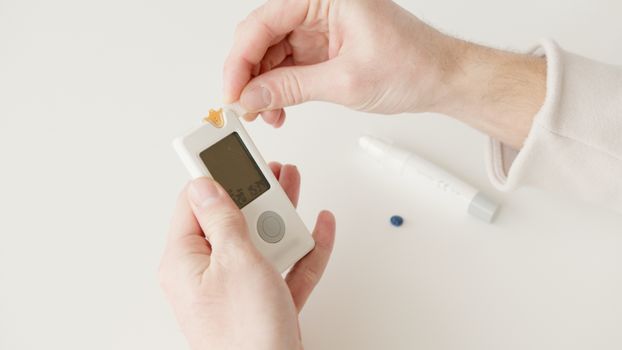
When you compare salivary vs blood vs urine hormone testing accuracy timing, you’re really comparing two things at once: what the test measures and when your body is likely to produce the most informative signal. The same hormone can look “accurate” in one specimen type and “off” in another because of how the hormone is transported, metabolized, and released throughout the day.
Even the best lab can’t fix mismatched timing. Cortisol, for example, follows a strong daily rhythm—high soon after waking, then steadily declining. If you collect a saliva sample at the wrong time, the result may look like underproduction even if your physiology is normal.
So the practical question becomes: Which specimen best captures the specific hormone (or metabolite) you’re targeting, and what collection window best matches its biology?
Quick summary: strongest overall option for most hormone optimization goals
If you’re optimizing hormones with a focus on real-life patterns (especially cortisol awakening response and sex hormone day-to-day variation), salivary testing is often the most actionable overall. It’s minimally invasive, supports multiple timepoints, and reflects the free (bioavailable) fraction more directly than blood total measurements.
That said, blood testing wins when you need absolute clinical reference ranges, strong assay standardization, and comprehensive protein-bound vs free assessments for certain hormones. Urine testing wins when you want metabolite-based insight (for example, steroid metabolites) and when your protocol benefits from longer collection windows.
Side-by-side: salivary vs blood vs urine hormone testing accuracy and timing
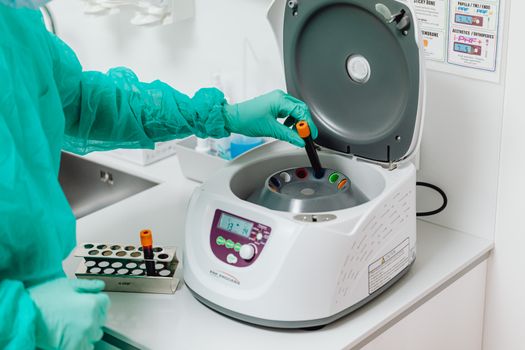
Below is a practical comparison. “Accuracy” here means how well the specimen type captures the hormone state you care about at the right time.
| Sample type | What it measures best | Timing sensitivity | Best hormones / markers | Typical collection approach | Common accuracy pitfalls |
|---|---|---|---|---|---|
| Saliva | Often reflects free hormone fraction (bioavailable) | High for circadian hormones (e.g., cortisol) | Cortisol patterns, free sex hormones, sometimes DHEA-S (lab-dependent) | Multiple samples across the day (e.g., waking + 30–60 min + afternoon/evening) | Late collection, contamination (food/coffee), inconsistent wake time, low saliva yield |
| Blood | Total hormone with protein-binding context; free can be calculated or directly measured (lab-dependent) | Moderate to high depending on hormone | Estradiol, testosterone (total/free), progesterone, thyroid hormones (T3/T4/TSH), sometimes cortisol at a single time | Single draw (or a scheduled series if ordered) | Single timepoint misses peaks/troughs; stress on draw day; fasting and medication timing not aligned |
| Urine | Hormone metabolites and longer-window output | Lower for day-average needs; still important for collection window | Steroid metabolite panels, 24-hour cortisol metabolites (lab-dependent), catecholamine metabolites (if ordered) | Often 12–24 hour or overnight collection, sometimes first-morning for specific assays | Incomplete collection, hydration differences, timing drift across days |
Real-world performance differences: where each method shines (and where it misleads)
Imagine you’re targeting fatigue and brain fog, and you suspect cortisol dysregulation. You have two options: a single blood cortisol draw at 2 p.m., or a salivary cortisol curve collected at waking, +30 minutes, late afternoon, and bedtime.
A single blood cortisol value at 2 p.m. often tells you less than you think because cortisol typically declines across the day. A salivary curve can show whether your cortisol awakening response is blunted or exaggerated—and that pattern is usually more relevant to symptoms.
Now flip the scenario: you’re evaluating persistent low libido and irregular cycles, and you need a clear snapshot of estradiol and progesterone at defined points in your cycle. Blood can be highly useful because clinicians rely on standardized reference ranges and can pair results with other labs (like SHBG, CBC, metabolic markers) in one visit.
Finally, consider a case where your goal is to understand how your body is processing hormones rather than just what’s circulating at a moment. Urine metabolite panels can be helpful because they capture downstream products—often giving you a broader view of pathway activity over hours.
Pros and cons breakdown for each: accuracy, timing, and lab reality
Salivary hormone testing: best timing match for circadian hormones
Pros
- Timing-friendly: supports multiple samples across a day. This is crucial for hormones with strong rhythms (especially cortisol).
- Less disruptive: you collect at home, avoiding draw-day stress that can skew blood results.
- Often reflects free/bioavailable fraction: helpful when you suspect symptoms driven by active hormone availability rather than total hormone levels.
- Practical for optimization: you can re-test after protocol changes (sleep schedule, stress interventions, supplements) without needing a clinic visit every time.
Cons
- Collection discipline matters: saliva testing is sensitive to when you collect. For cortisol, delays of even 30–60 minutes can shift results meaningfully.
- Contamination risk: food, coffee, nicotine, gum, or brushing teeth can affect saliva. Many protocols require a short pre-collection window (often around 30 minutes, but follow your lab’s instructions).
- Not always comprehensive: some hormones are less commonly ordered or interpreted in saliva depending on the lab’s validated assays.
- Variable saliva volume: if you can’t produce enough saliva, you may miss a timepoint.
Where it tends to be most accurate: when you follow the timing schedule closely and when the target hormone is known to vary throughout the day.
Blood hormone testing: strongest for clinical reference ranges and protein-binding context
Pros
- Clinically standardized: blood draws are widely validated with robust reference ranges across many hormones.
- Protein-binding insight: you can pair total hormone with SHBG, albumin, or calculated/free measures (lab-dependent).
- Broad testing in one visit: you can often add thyroid labs (TSH, free T4, free T3), metabolic markers, or inflammation markers alongside sex hormones.
- Great for cycle-timed decisions: progesterone and estradiol timing in relation to ovulation can be evaluated with targeted draw scheduling.
Cons
- Single timepoint limitations: a single cortisol draw can miss the peak and decline curve. If you test at the wrong time, you can misinterpret normal physiology as abnormal.
- Draw-day stress: even mild anxiety can influence cortisol and catecholamine-adjacent physiology.
- Medication and fasting variables: timing of thyroid meds, hormone replacement, supplements, and fasting status can affect results.
- More invasive: you may be less likely to repeat frequently, which slows iterative optimization.
Where it tends to be most accurate: when your draw timing matches the hormone’s expected pattern and when you need clinical interpretability or paired labs.
Urine hormone testing: metabolite-based, longer-window perspective
Pros
- Captures longer-window output: 12–24 hour collection can reflect overall production and metabolism rather than a single moment.
- Metabolite insight: steroid metabolite panels can show pathway shifts that aren’t obvious from circulating hormone alone.
- Useful for people who can’t do timed saliva: if your schedule makes strict saliva timepoints unrealistic, urine may be easier to execute consistently.
Cons
- Collection integrity is everything: incomplete 24-hour collections are a common source of error. Even small timing drift can skew results.
- Hydration affects concentration: labs often normalize, but hydration changes can still influence interpretation.
- Less “real-time”: if you need to understand immediate circadian patterns (like bedtime vs midnight), urine metabolite output is usually too averaged.
- Not all hormones are equally represented: what you get depends on the specific assay menu and validated markers.
Where it tends to be most accurate: when you want metabolite pathway information and you can follow the collection window strictly.
Best use-case recommendations: which specimen fits your goal?
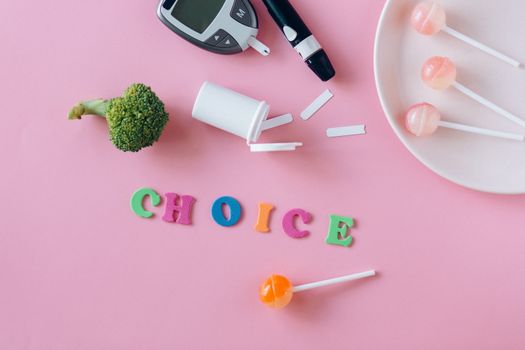
Different buyers have different decision points. Here are clear recommendations based on what you’re trying to optimize.
If you’re optimizing cortisol patterns (fatigue, sleep disruption, stress response)
Winner for most people: saliva. For cortisol, the “shape” of your day matters. A common practical approach is a multi-sample salivary schedule such as:
- On waking (baseline)
- ~30–60 minutes after waking (cortisol awakening response)
- Late afternoon
- Bedtime
That timing helps you distinguish “low overall cortisol” from “flattened rhythm” or “delayed rise,” which respond differently to interventions like light exposure, caffeine timing, sleep timing, and stress management.
When blood is still useful: if your clinician wants a single clinical snapshot or to rule out adrenal disorders with standard labs. Blood can be valuable, but you’ll usually want to match the draw time to the suspected abnormality (and often pair it with other markers).
When urine helps: if you want metabolite-based adrenal output over a longer window, especially when you’re tracking changes over days rather than minute-to-minute rhythm.
If you’re evaluating sex hormones for cycle-specific symptoms
Often best: blood plus cycle timing, with saliva as a strong supplement. Blood is frequently the go-to for estradiol and progesterone timing because clinicians are accustomed to interpreting cycle-based reference ranges.
Saliva can be especially helpful if you’re tracking symptoms that fluctuate within the day or if you’re trying to understand free hormone availability. However, saliva interpretation can be more sensitive to collection timing around meals and bedtime routines.
Practical example: You’re tracking irregular cycles and mood shifts. You schedule blood draws around the expected luteal phase to confirm progesterone status, and you add a salivary panel to capture day-to-day variability. That combination reduces the chance you’ll overreact to one timepoint.
If your goal is hormone metabolism and pathway insight (not just current levels)
Winner: urine metabolite panels. If you’re working with a practitioner on pathway-level optimization—such as how your body converts and clears steroid hormones—urine metabolites can offer a broader lens.
For buyers who want to avoid strict minute-based saliva timing, urine can be easier to implement while still providing meaningful signal—assuming you follow the collection window precisely.
If you want the simplest, most repeatable monitoring
Winner for many home optimizers: saliva. You can often repeat salivary testing after 2–6 weeks of protocol changes (depending on the hormone and what your lab/practitioner recommends). Blood is excellent but can be logistically heavier and more expensive per iteration.
Urine can be repeatable too, but collection management matters—especially if you’re doing multiple rounds.
Where “accuracy” can break down: timing errors you should avoid
To get the most out of any test type, watch for these common timing mismatches:
- Cortisol: collecting saliva too late after waking or collecting blood at an arbitrary time can make normal physiology look abnormal.
- Sex hormones: testing outside the intended cycle phase can create confusion—especially for progesterone.
- Urine: starting late or forgetting to include part of the collection window can dilute or concentrate results.
- Diet and stimulants: coffee, nicotine, and food timing can change saliva composition and therefore the measured free hormone signal.
- Medication schedules: thyroid meds, hormone replacement, and some supplements can shift results. Align collection with your protocol rather than guessing.
Commercially practical recommendations: how to choose a lab-friendly approach
If you’re shopping for a hormone optimization testing strategy, your “best option” often depends on how quickly you want feedback and how much timing precision you can realistically maintain.
For most people optimizing cortisol: look for a saliva panel designed for circadian profiling (multi-timepoint). Many hormone optimization providers sell saliva kits that include clear schedules for waking, midday, and evening collections. This is one reason saliva is frequently preferred in optimization programs—your results are easier to connect to behavioral changes like sleep timing and light exposure.
For buyers who want clinician-grade interpretability: blood testing remains the most straightforward route. It’s also useful if you want to combine hormone testing with other labs in one draw—especially if you’re working with a physician or using insurance-friendly pathways.
For buyers focused on metabolism: urine metabolite testing can be a strong add-on or primary strategy if you’re working on conversion pathways and longer-window trends. Choose a lab that provides explicit collection instructions and normalization methods.
Final verdict: which option suits different needs?
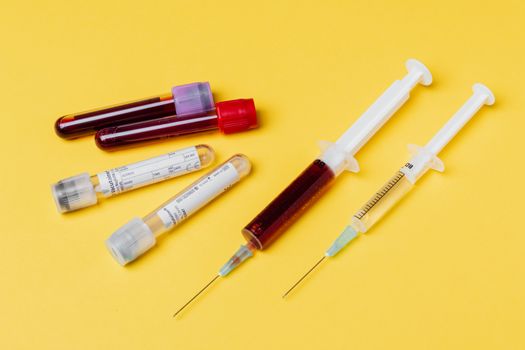
Choose salivary testing if you want the most actionable timing-sensitive picture—especially for cortisol rhythms and free/bioavailable hormone availability. It’s usually the best fit for hormone optimization where you’ll iterate and compare results after lifestyle or supplement changes.
Choose blood testing if you need clinical reference-range interpretability, comprehensive context (including protein binding via SHBG and related measures), and cycle-timed confirmation for specific sex hormone decisions. It’s also the better option when you’re ruling out medical conditions with standard diagnostic pathways.
Choose urine testing if your goal is metabolite and pathway insight over a longer window, or if strict saliva timing is hard to maintain. It’s often excellent for trend tracking, provided your collection window is accurate and complete.
If you want one clear winner for most hormone optimization buyers: saliva for circadian and free-hormone optimization; blood for clinical confirmation and protein-binding context; urine for metabolite pathway clarity. The “most accurate” test is the one that matches your hormone target and your collection timing—so align the specimen type to the biology, not the other way around.
04.05.2026. 14:36