

Testosterone Support vs Thyroid Support Supplements: Choose by Labs

Two supplement “lanes” for hormone optimization—picked by labs, not guesswork
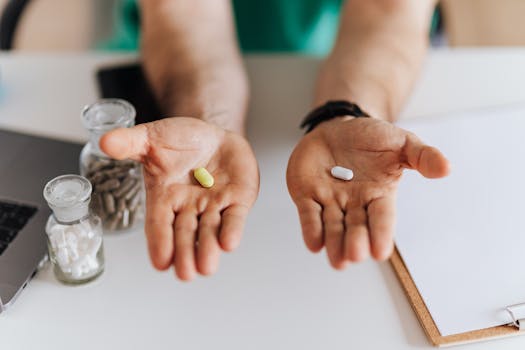
When people feel off—low energy, sluggish workouts, mood changes, weight shifts—they often reach for the closest-sounding supplement. But testosterone support and thyroid support supplements target different systems, with different timelines, different side effects, and different lab patterns.
This article compares testosterone support vs thyroid support supplements choose based on labs in a practical way: you’ll learn what each category is trying to do, which blood markers usually confirm you need it, and when you should avoid it. The goal isn’t to “stack everything.” It’s to match the supplement lane to the physiology that your labs actually show.
Strongest overall option (for most people): If your labs show low testosterone (or high SHBG driving low free testosterone), a targeted testosterone-support approach is usually the better first move. If your labs show thyroid underactivity (especially low free T4 and/or high TSH), thyroid support products are more relevant—though you should treat true hypothyroidism as a medical priority rather than a supplement experiment.
Side-by-side: testosterone support vs thyroid support supplements
Below is a direct comparison of what these supplement categories typically contain, what they tend to improve, and what lab results they’re meant to align with.
| Category | Primary target | Common ingredients (examples) | Lab signals that usually match | What you may notice (timeline) | Key risks/downsides | Best first step |
|---|---|---|---|---|---|---|
| Testosterone support supplements | Androgen signaling, free testosterone availability, and/or upstream drivers (sleep, stress hormones, nutrient status) | Vitamin D, zinc (dose-dependent), magnesium, boron, D-aspartic acid (varies), tongkat ali (commonly standardized extracts), fenugreek (varies), tongkat/fenugreek blends, ashwagandha (can affect cortisol), lifestyle-mimicking “foundational” micros | Total T: low or low-normal; Free T: low; SHBG: high (often suppresses free T); LH/FSH: can help differentiate primary vs secondary issues; Estradiol: sometimes elevated; Prolactin: if elevated, can suppress libido/testosterone | Energy/libido changes can appear in 2–6 weeks; visible training/recomp changes often 6–12 weeks | May not fix primary endocrine causes; can raise estradiol in some; can worsen acne; can interact with hormone-sensitive conditions; tongkat/fenugreek may not suit everyone; excessive zinc can cause copper issues | Confirm low androgen status with labs; address sleep, calorie balance, and training load; then add a targeted product |
| Thyroid support supplements | Thyroid hormone production/conversion, thyroid receptor activity, or support nutrients needed for thyroid function | Selenium (often 100–200 mcg), iodine (dose-dependent), L-tyrosine, zinc, vitamin D, myo-inositol, ashwagandha (some evidence for TSH modulation), “thyroid blends” that may include standardized extracts | TSH: high (often early hypothyroid); Free T4: low; Free T3: low/low-normal; Thyroid antibodies (TPOAb/TgAb) can indicate autoimmune thyroiditis; reverse T3 sometimes used clinically (less standardized) | For true hypothyroid patterns, symptoms don’t usually normalize fast—supplement-only approaches may take 6–12+ weeks and still may fall short | Risk of worsening thyroid status with excess iodine; can interfere with thyroid medication dosing; autoimmune thyroid issues may not respond; some blends can push TSH or hormones in the wrong direction | Confirm thyroid status with TSH + Free T4 (and often Free T3 + antibodies); if labs suggest hypothyroidism, prioritize clinician-guided care |
How they differ in real-world performance (what changes, when, and why)
In practice, the biggest difference is signal clarity. Testosterone support tends to “read” as an androgen issue: libido, morning erections, training drive, muscle protein synthesis support, and sometimes body composition. Thyroid support tends to “read” as metabolic rate and thermoregulation: cold intolerance, constipation, dry skin, fatigue that feels heavy, and sometimes elevated cholesterol markers.
But the timing and expectations matter.
Scenario 1: You feel tired, but your labs point to thyroid
Let’s say you’re a 34-year-old who’s gained 10–15 lb over 6–9 months. You feel cold more often than you used to, your workouts feel slower, and you’re constipated. You test and find: TSH 6.8 mIU/L (high), Free T4 0.78 ng/dL (low), and Free T3 low-normal. That pattern is more consistent with thyroid underactivity than low testosterone.
If you start a testosterone-support supplement first, you might feel a bit better from stress reduction ingredients (like ashwagandha) or from correcting vitamin D/zinc insufficiency. Still, your basal metabolic rate may remain suppressed. In that scenario, thyroid-focused support (and likely medical evaluation) is usually the more relevant lever.
Practical takeaway: thyroid labs can explain “tired + weight + cold” better than androgen labs—and chasing testosterone won’t fully compensate.
Scenario 2: Libido and strength drop, and testosterone labs are the mismatch
Now imagine a 41-year-old who reports lower libido, fewer morning erections, and declining strength despite consistent training. You test and find: Total testosterone 310 ng/dL (low-normal), SHBG 62 nmol/L (high), and Free testosterone below your lab’s reference range. Thyroid markers come back normal.
In this case, testosterone support is often more likely to help—because SHBG is limiting free testosterone availability. A good testosterone-support approach targets upstream factors (sleep, stress, vitamin D/zinc if low) and may include ingredients designed to improve free T or reduce SHBG-related suppression (ingredient choices vary by product). You may see libido and training recovery improve within 2–6 weeks, with body comp changes taking 6–12 weeks.
Practical takeaway: when free T is low because SHBG is high, testosterone support has a clearer job than thyroid support.
Testosterone support supplements: who they help and what to watch
Testosterone support products are best viewed as adjuncts. If you have primary hypogonadism, pituitary issues, or medication-induced suppression, supplements may not be enough. But if your labs suggest low androgen availability and you’re missing nutritional or lifestyle inputs, these supplements can be a meaningful step.
Pros
- Lab-aligned improvements: If your labs show low total testosterone, low free testosterone, or high SHBG, testosterone-support formulas are more likely to match the problem.
- Often faster symptom feedback: Libido, training motivation, and recovery can shift in 2–6 weeks.
- Supports common limiting factors: many formulas include vitamin D, magnesium, and zinc—nutrients that can be low in real life.
- Useful for “secondary drivers”: stress and sleep disruption can affect gonadal function; ingredients like ashwagandha may help indirectly.
Cons
- Not a substitute for diagnosis: if LH/FSH patterns suggest a medical cause, you’ll stall.
- Estradiol effects vary: some people see increased water retention, breast tenderness, or mood changes if aromatization shifts.
- Acne and hair sensitivity: androgenic shifts can aggravate skin or scalp issues.
- Ingredient dose and quality matter: “test booster” blends can be underdosed; standardized extracts matter.
- Micronutrient overload risk: zinc at high doses over time can contribute to copper imbalance.
Where testosterone support products tend to fit best
They’re most appropriate when your labs show:
- Low or borderline total testosterone plus symptoms
- Low free testosterone (even if total is “okay”)
- High SHBG that’s suppressing free testosterone
- Normal thyroid labs (so thyroid isn’t the main driver)
In affiliate-style terms, you’ll typically see testosterone-support brands emphasize standardized tongkat ali, fenugreek, or stress/sleep support. If you go this route, you’ll generally want a product that clearly lists ingredient amounts and uses clinically relevant dosing rather than a vague “proprietary blend.”
Thyroid support supplements: who they help and what to watch
Thyroid support is a different category because thyroid hormones sit at the center of metabolism. Supplements can help with nutrient insufficiency (like selenium) or support conversion pathways. But if your labs suggest hypothyroidism, supplements may not fully restore normal hormone production—especially if autoimmune thyroiditis is involved.
Pros
- More direct alignment with thyroid symptoms: cold intolerance, constipation, dry skin, and sluggishness often map better to thyroid status.
- Can correct common nutrient gaps: iodine/selenium/zinc/vitamin D deficiencies are plausible in many diets.
- Conversion support is possible: some ingredients aim to support peripheral conversion (e.g., nutrient cofactors and L-tyrosine).
- Stress modulation may help: ashwagandha is sometimes used to influence TSH in certain contexts.
Cons
- True hypothyroidism often needs medical care: if Free T4 is low, supplement-only approaches can underperform.
- Iodine is a double-edged sword: too much iodine can worsen autoimmune thyroid disease in susceptible people.
- Medication interactions: if you take levothyroxine or similar, timing and dosing matter; supplements can interfere.
- Autoimmune complexity: thyroid antibodies can persist even if symptoms partially improve.
- Blends can be hard to interpret: “thyroid blends” may include multiple hormones/precursors without showing which ones you truly need.
Where thyroid support products tend to fit best
They’re most appropriate when your labs show:
- Elevated TSH with low-normal or low Free T4
- Low Free T3 with symptoms consistent with underactive thyroid
- Thyroid antibodies (TPOAb/TgAb) indicating autoimmune involvement—though this usually warrants clinician oversight
- Evidence of nutrient insufficiency (selenium, iodine, vitamin D, zinc) that matches your diet/labs
Many thyroid-support brands emphasize selenium and iodine, sometimes with L-tyrosine and inositol. If you choose a product, you’ll generally want transparent dosing and a formula that doesn’t “overpush” iodine unless your labs and diet justify it.
Pros and cons breakdown (quick decision logic)
Here’s a cleaner way to compare the two categories using the patterns you’ll most commonly see.
Testosterone support: best when androgen labs are the bottleneck
- Choose testosterone support if: your symptoms match low androgen availability and your labs show low total testosterone, low free testosterone, high SHBG, or a clear androgen pattern.
- Skip testosterone support (or delay) if: thyroid labs are clearly abnormal (high TSH with low Free T4) or thyroid symptoms dominate.
Thyroid support: best when metabolic labs and symptoms point to underactive thyroid
- Choose thyroid support if: TSH is elevated and Free T4 is low/low-normal, especially with consistent symptoms (cold intolerance, constipation, fatigue).
- Skip thyroid support (or be cautious) if: you have symptoms but thyroid labs are normal—because you may end up adding unnecessary iodine/thyroid-active cofactors.
Best use-case recommendations for different buyers
Your “best choice” depends on where your labs land, not on what worked for someone else. Use the recommendations below to match the supplement lane to your situation.
If you have low free testosterone with high SHBG
Likely best option: testosterone support.
Common pattern: Total testosterone looks borderline, but free testosterone is low and SHBG is high. This can happen with calorie restriction, chronic stress, poor sleep, and sometimes thyroid shifts (but you’d confirm thyroid labs first).
What to do: prioritize a testosterone-support product that emphasizes evidence-based ingredients (often standardized tongkat ali or similar) and includes foundational micronutrients if you’re deficient (vitamin D, magnesium, zinc). Re-test in 8–12 weeks to see if free testosterone improves and whether symptoms track.
Real-world expectation: you may notice improved libido and workout drive before major body composition changes. Don’t judge too early—most muscle and recovery shifts need at least 6–12 weeks.
If your thyroid labs show high TSH and low Free T4
Likely best option: thyroid-focused support—but treat this as a medical priority.
If your Free T4 is low, the problem is often not “missing a vitamin.” It’s underproduction. Supplements may help if deficiency is part of the picture (selenium, vitamin D), but they’re not a reliable replacement for appropriate thyroid hormone therapy when it’s indicated.
What to do: work with a clinician to confirm the diagnosis, consider antibodies (TPOAb/TgAb), and evaluate medication needs. If you still want a supplement, choose a formula that supports nutrients without excessive iodine—then re-check labs after 6–10 weeks.
Real-world expectation: if you’re truly hypothyroid, you should not expect dramatic normalization from supplements alone in a few weeks.
If both testosterone and thyroid markers are borderline
Likely best option: a staged approach—start with the most abnormal marker first.
It’s common to see overlap. For example, someone may have low-normal testosterone and slightly elevated TSH. In that case, you don’t want to guess.
What to do: identify which axis is more clearly dysregulated. If TSH is meaningfully high with Free T4 trending low, prioritize thyroid evaluation. If thyroid is normal and androgen markers are clearly low (especially free T), prioritize testosterone support. Then re-test after 8–12 weeks rather than stacking multiple categories at once.
Commercial note: many supplement stacks combine both categories. That can be appropriate for some people, but if your labs are unclear, stacking increases the chance you can’t tell what helped (or what caused side effects).
If you have symptoms but labs are normal
Likely best option: don’t default to either lane.
Symptoms like fatigue, low mood, or low libido can come from sleep apnea, depression, iron deficiency, overtraining, vitamin B12 deficiency, medication side effects, or high prolactin. In these cases, “testosterone support” and “thyroid support” can become expensive distractions.
What to do: consider expanding lab evaluation with your clinician (commonly CBC, ferritin/iron studies, B12, prolactin, A1c, vitamin D, and a full thyroid panel). Then choose the lane that matches what’s actually off.
Final verdict: which option suits your needs?
Choose testosterone support vs thyroid support supplements based on labs by using a simple rule: pick the axis that is clearly abnormal and matches your symptoms.
Best overall (most common “win”): If your labs show low testosterone availability (low free T and/or high SHBG) and your thyroid labs are normal, testosterone support is usually the stronger first option. Expect symptom shifts in 2–6 weeks and more meaningful training/body-composition changes in 6–12 weeks.
Best when thyroid is the driver: If your labs show elevated TSH with low Free T4 (and especially if antibodies are positive), thyroid-focused support is more relevant—but supplements should be viewed as supportive, not curative, when hypothyroidism is confirmed. Re-test in 6–10 weeks if you’re adjusting supplements, and don’t delay clinician-guided care when Free T4 is low.
When to consider both: Only when labs justify overlap or when you’re correcting a clear nutrient deficiency in both systems. Otherwise, stacking both categories can blur the feedback loop and make it harder to interpret results.
If you want your supplement plan to feel “targeted” instead of random, anchor it to your lab pattern first. That’s how you avoid wasting months—and how you give your body the right inputs for the system that’s actually underperforming.
06.04.2026. 03:29