

Leptin vs Insulin Resistance in Aging: How Hormones Shift

Why leptin and insulin resistance become more common with age

As people age, the body’s metabolic “control systems” often become less responsive. Two of the most studied changes involve insulin resistance—reduced cellular response to insulin—and leptin resistance—reduced brain and tissue response to leptin, a hormone that helps regulate energy balance. Although these processes are frequently discussed separately, they are closely linked through shared signaling pathways, inflammation, changes in body composition, and alterations in how the brain interprets metabolic cues.
This article explains leptin vs insulin resistance in aging in a science-explainer style: what each resistance means, why aging promotes both, how they interact, and what practical steps can improve metabolic resilience.
Insulin resistance in aging: what it is and why it matters
Insulin is produced by the pancreas and helps move glucose from the bloodstream into muscle, fat, and other tissues. It also helps regulate how the liver stores or releases glucose. When tissues become less responsive to insulin, the pancreas compensates by producing more insulin. Over time, chronically elevated insulin can contribute to metabolic dysfunction, including higher blood sugar, fatty liver, and increased cardiovascular risk.
Key drivers of insulin resistance with age
- Changes in body composition: Aging often brings increased visceral fat and reduced lean muscle. Visceral fat is metabolically active and more strongly linked to insulin resistance.
- Reduced muscle glucose uptake: Skeletal muscle is a major site for glucose disposal. Declining muscle mass and mitochondrial function can weaken insulin-mediated glucose clearance.
- Chronic low-grade inflammation: “Inflammaging” can interfere with insulin signaling in liver and muscle.
- Lipotoxicity: Accumulation of fat metabolites in non-adipose tissues (like liver and muscle) can impair insulin signaling.
- Sleep disruption and circadian drift: Poor sleep and altered circadian timing can worsen insulin sensitivity through hormonal and neural pathways.
How insulin resistance shows up
Insulin resistance is not always obvious. Early on, it may be detectable through fasting insulin levels, hemoglobin A1c, fasting glucose, or results from glucose tolerance testing. Clinically, it often clusters with abdominal weight gain, elevated triglycerides, lower HDL cholesterol, and fatty liver—features that reflect a broader metabolic shift rather than a single isolated problem.
Leptin resistance in aging: what it is and why it develops

Leptin is produced mainly by fat cells and acts on the brain—especially hypothalamic pathways—to help regulate appetite, energy expenditure, and neuroendocrine signals. In a healthy system, higher fat stores generally increase leptin, which helps suppress further food intake and supports energy balance. With leptin resistance, the brain and downstream pathways do not respond appropriately to leptin’s signals, even when leptin levels are elevated.
How leptin signaling works (and where it breaks)
Leptin binds to leptin receptors and activates intracellular signaling that influences hunger and satiety. With leptin resistance, that signal is blunted. Several mechanisms are implicated:
- Impaired transport across the blood-brain barrier: Obesity and aging-related changes can reduce leptin’s access to the brain.
- Inflammation in neural circuits: Inflammatory signaling can interfere with leptin receptor pathways.
- Altered hypothalamic sensitivity: Chronic metabolic stress may shift neural set points for appetite and energy expenditure.
- Changes in other hormones and neurotransmitters: Insulin, cortisol, sex hormones, and gut-derived signals can modulate appetite control networks.
What leptin resistance means for energy balance
Leptin resistance doesn’t only affect hunger. It can influence how strongly the body responds to energy surplus, how it regulates fat mass, and how it coordinates metabolic signaling. In aging, these effects can be compounded by decreased physical activity, medication effects, and changes in sleep and stress hormones—factors that all shape appetite and energy expenditure.
Leptin vs insulin resistance in aging: how they differ
Although leptin and insulin resistance are often discussed together, they represent different “failures” in different parts of the system.
Primary target tissues
- Insulin resistance primarily reflects reduced responsiveness of peripheral tissues (muscle, liver, and fat) to insulin’s metabolic actions.
- Leptin resistance primarily reflects reduced responsiveness of the brain and related neural circuits to leptin’s signals about energy stores and appetite.
Common hormonal context
- Insulin resistance often features compensatory hyperinsulinemia—high insulin levels trying to maintain normal glucose.
- Leptin resistance often features high circulating leptin—because fat stores and leptin production rise, but the brain doesn’t interpret the signal effectively.
Clinical “behavioral” vs “metabolic” outcomes
Insulin resistance tends to show up as impaired glucose handling and altered lipid metabolism. Leptin resistance tends to show up as dysregulated appetite, changes in energy expenditure, and difficulty sustaining weight loss, even when leptin levels are elevated. In real life, these patterns overlap because appetite and metabolic regulation are tightly connected.
How leptin and insulin resistance interact as we age
One reason the topic matters is that these systems can reinforce each other. When energy balance shifts and inflammation rises, both leptin and insulin signaling can become less effective.
Shared inflammatory and signaling pathways
Inflammatory cytokines can interfere with insulin signaling in liver and muscle and can also disrupt leptin signaling in the brain. This creates a feedback loop: metabolic dysfunction increases inflammatory tone, and inflammatory tone worsens hormone resistance.
The brain’s metabolic “integration” role
The hypothalamus integrates signals from leptin, insulin, gut hormones, and nutrient status. Insulin can influence appetite and energy expenditure through brain pathways, while leptin influences how the body responds to energy availability. When either signal becomes unreliable, the integrated response can shift toward increased intake, reduced energy expenditure, or both.
Visceral fat as a common upstream factor
Visceral adiposity tends to increase both insulin resistance and leptin dysregulation. It contributes to higher free fatty acid flux, altered adipokines, and inflammation—all of which can impair both insulin and leptin signaling.
Sleep and stress as amplifiers
Sleep loss can increase insulin resistance and alter appetite-regulating hormones, including leptin. Chronic stress can raise cortisol, which affects glucose metabolism and may influence appetite and fat distribution. Aging often brings more sleep fragmentation and stress-related changes, which can amplify both resistance pathways.
Measuring and interpreting changes: what to look for
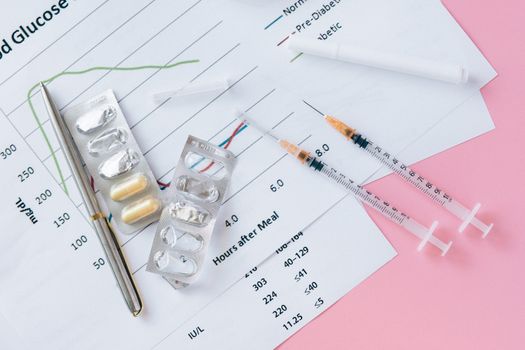
In practice, clinicians rarely diagnose “leptin resistance” directly in everyday settings, because leptin measurement does not always reflect whether the brain is responding appropriately. Insulin resistance, however, can be assessed more commonly through glucose and insulin-related testing.
Common markers used for insulin resistance
- Fasting glucose and hemoglobin A1c: Reflect longer-term glucose exposure.
- Fasting insulin (where available): Higher levels may suggest reduced insulin sensitivity.
- Lipid patterns: Elevated triglycerides and low HDL can accompany insulin resistance.
- Fatty liver assessment: Imaging or liver enzyme patterns can provide context.
Indirect clues for leptin resistance
Because leptin resistance is hard to quantify clinically, it’s often inferred from patterns such as persistent weight regain after weight loss, difficulty maintaining reduced body weight, and appetite dysregulation. In research settings, leptin levels can be measured, but interpretation requires caution because high leptin can occur for reasons other than leptin resistance alone.
Practical guidance to reduce hormone resistance with aging
Because leptin and insulin resistance are intertwined with inflammation, body composition, sleep, and activity, the most effective strategies tend to address the shared upstream drivers rather than focusing on a single hormone.
Prioritize resistance training and muscle preservation
Insulin sensitivity improves when muscle can effectively take up glucose. Resistance training helps preserve lean mass and improves metabolic capacity. Even moderate training, performed consistently, can support better glucose regulation and may indirectly improve appetite signaling by improving energy balance.
Use dietary patterns that reduce glucose spikes and support satiety
For insulin resistance, reducing rapid glucose excursions is often beneficial. Many people do better with dietary patterns emphasizing high fiber, adequate protein, and minimally processed carbohydrate sources. For leptin-related appetite issues, the goal is not only fewer calories but also better satiety quality—foods that are filling and nutritionally dense.
Manage sleep and circadian timing
Sleep duration and timing influence both insulin sensitivity and appetite hormones. Consistent sleep schedules, limiting late-night eating, and addressing sleep apnea when present can improve metabolic outcomes. If you’re older and experiencing daytime sleepiness or loud snoring, evaluation for sleep-disordered breathing can be particularly relevant.
Address stress and inflammatory load
Chronic stress can worsen glucose metabolism and appetite regulation. Approaches such as regular physical activity, mindfulness-based stress reduction, and adequate recovery can help lower the overall inflammatory and stress burden.
Consider medications and medical factors
Some medications can affect weight, appetite, or glucose control. Conditions such as hypothyroidism, sleep apnea, and chronic inflammatory diseases can also influence metabolic health. Reviewing these factors with a clinician can help clarify whether hormone resistance is being driven or amplified by treatable contributors.
Supplements: what the evidence suggests (and what it doesn’t)
Supplement data for directly reversing leptin vs insulin resistance is mixed. However, some nutrients and compounds have evidence for supporting metabolic health in specific contexts. For example, omega-3 fatty acids may help with triglycerides and inflammation in some individuals, and vitamin D status is often associated with metabolic outcomes, though supplementation is most rational when deficiency is present. Magnesium may support glucose metabolism in people with low intake. If you’re considering supplements, it’s best to align with lab findings, diet quality, and medication safety rather than expecting a single supplement to “fix” hormone resistance.
Note: If you’re taking medications for diabetes or blood sugar, any supplement or diet change that substantially alters glucose levels should be discussed with a healthcare professional to avoid hypoglycemia.
Prevention and longevity: building metabolic resilience over time
Longevity research increasingly emphasizes that metabolic health is not just about avoiding disease; it’s about maintaining physiological flexibility. The same behaviors that support insulin sensitivity—activity, muscle preservation, sleep quality, and nutrient-dense diets—also create conditions that can reduce the likelihood of leptin signaling becoming progressively blunted.
A practical prevention framework
- Maintain lean mass with regular resistance training.
- Reduce chronic inflammation through movement, dietary fiber, and adequate recovery.
- Protect sleep and keep eating patterns consistent with circadian rhythms.
- Monitor metabolic risk using routine labs and clinical evaluation, especially if you have a family history of diabetes or cardiovascular disease.
- Use weight as a signal, not a target: focus on metabolic markers and functional outcomes (strength, endurance, waist circumference trends) rather than a single scale number.
Summary: what leptin vs insulin resistance in aging teaches us
In aging, insulin resistance reflects reduced responsiveness of metabolic tissues to insulin, often driven by changes in body composition, inflammation, and declining muscle function. Leptin resistance reflects reduced responsiveness to leptin’s energy-balance signals, often linked to neural inflammation, altered appetite regulation, and the metabolic effects of excess fat mass. While they differ in target tissues and clinical expression, they interact through shared upstream factors—particularly inflammation, visceral fat accumulation, sleep disruption, and stress physiology.
The most effective approach is therefore integrative: preserve muscle, improve diet quality and satiety, protect sleep, and address inflammatory contributors. Together, these strategies support both glucose control and energy regulation—two pillars of metabolic health that strongly influence healthy aging.
15.02.2026. 09:12