

Breathwork Device Safety: Breath-Hold CO2 Training Risks

Breathwork devices and breath-hold CO2 training: what you need to know
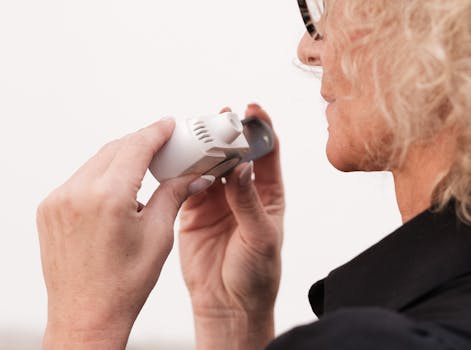
Breathwork can help with focus, stress regulation, and endurance preparation. But when you introduce a breath-hold component—especially with a device that encourages longer holds or stronger CO2 tolerance—you also change the risk profile. The goal of “CO2 training” is often to tolerate higher carbon dioxide levels in the blood. That tolerance can be useful, but it can also provoke symptoms that are uncomfortable or, in rare cases, dangerous.
This safety guide is written for you if you’re using (or considering) breathwork devices that support breath holds, CO2 training, or “low-oxygen tolerance” style sessions. You’ll learn what can go wrong, how to recognize warning signs, and how to structure safer practice. The emphasis is harm reduction—not performance chasing.
Before you begin, a key point: most risks come from overreaching (too long, too frequent, too intense), unsuitable health conditions, and unsafe environments (especially water). Devices can add structure, but they can’t override physiology.
How breath-hold CO2 training works in the body
To understand breathwork device safety, you need a basic model of what happens during a breath hold.
- CO2 rises. While you hold your breath, your body continues producing carbon dioxide. CO2 is a strong driver of the urge to breathe.
- Oxygen falls. O2 decreases gradually, but the sensation of “I need air” is often more closely tied to CO2 than oxygen in many breath-hold situations.
- Breathing drive changes. Over repeated exposure, some people feel they can tolerate the urge longer. This is often described as CO2 tolerance.
- Circulation and gas exchange are affected. Breath holding can influence heart rate, blood pressure, and blood pH. The autonomic nervous system (your involuntary “stress response” system) may activate.
Some devices also add resistance (for example, through valves or training modes) or provide feedback on breath timing. That can shift how hard you work and how quickly you reach your safety limits. In other words, the device may change the experience—even if the physiological goal sounds similar.
The most common breath hold safety risks
Many people experience mild, transient effects. Still, “common” doesn’t mean “risk-free.” Here are the issues you’re most likely to encounter, and why they matter.
1) Dizziness, tingling, and panic sensations
As CO2 rises, you may feel lightheaded, tingling in hands or around the mouth, chest tightness, or a sudden sense of panic. These symptoms can lead you to break the hold abruptly or hyperventilate afterward. Hyperventilation can worsen dizziness and create a cycle that feels scary and increases the chance you’ll practice unsafely.
Practical example: You run a 60–90 second CO2-focused session at home. Halfway through, you feel your breathing urge spike and your vision narrows. If you try to “push through” to finish the timer, you may end up standing quickly, losing balance, and hitting a wall or dropping the device.
2) Fainting (syncope) and injury risk
Fainting during breath holds is not something you should treat as a normal training milestone. It can happen if you overreach, if you have a predisposition (for example, a history of vasovagal episodes), or if you’re practicing in a way that triggers strong autonomic responses. Even if the fainting itself is brief, the injury risk is real—falls, head impacts, and choking hazards.
In safety terms, fainting is a sign to stop and reassess. It’s not a “work through it” moment.
3) Abnormal heart rhythm or blood pressure spikes
Breath holding can affect the cardiovascular system. In some people, that may include palpitations, chest discomfort, or changes in blood pressure. If you have known heart conditions, arrhythmias, uncontrolled blood pressure, or you’re on medications that affect heart rate or blood pressure, the risk is higher.
Do not assume that because a session feels “calm” your heart is unaffected. CO2 discomfort can still provoke stress responses.
4) Airway irritation and vomiting
CO2 discomfort can trigger nausea. Combined with a device routine that encourages repeated holds, you may be more likely to vomit. Vomiting during or immediately after a breath hold is a choking risk, especially if you’re reclined or you practice lying down without supervision.
5) Water-related risk: drowning and blackout
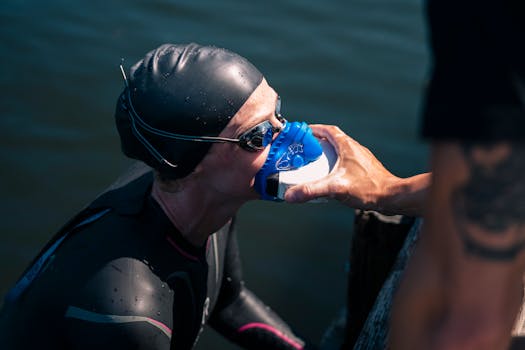
If you practice breath holds near water—pools, baths, lakes, or even shower-based “long hold” drills—the hazard level changes dramatically. Breath-hold-related blackouts can occur without much warning. A device timer can make it easier to overstay your safe limit in a high-risk environment.
For water practice, the safety principle is simple: avoid solo training and avoid breath holds that could lead to loss of consciousness. If you’re not trained in apnea safety protocols, keep breathwork on dry land.
Why devices can increase or change risk
Breathwork device safety isn’t only about the device “breaking.” It’s about how the device affects your behavior and your training intensity.
Common device features that can shift risk include:
- Timers and targets. A timer can encourage you to extend holds beyond what your body signals. You may ignore early warning signs to “complete the session.”
- Resistance or inspiratory/expiratory load. Resistive training can add strain and raise the likelihood of dizziness or excessive effort.
- Feedback loops. Some devices provide metrics (breath rate, hold time, “CO2 tolerance” proxies). If you chase numbers, you may increase exposure too quickly.
- Automated guidance. If the device guides you into repeated rounds, you may accumulate risk through fatigue—both mental and physiological.
Safety-minded use means you treat the device as a reference, not an instruction to exceed your limits. Your symptoms are data.
Breathwork device safety: who should avoid breath-hold CO2 training
Some people should not do breath-hold CO2 training without medical guidance. You should be especially cautious or avoid it if any of the following apply.
- Cardiovascular conditions such as arrhythmias, recent chest pain, uncontrolled hypertension, recent stroke, or significant coronary disease.
- Respiratory conditions including severe asthma, chronic obstructive pulmonary disease with frequent exacerbations, or active respiratory infection.
- History of fainting or vasovagal episodes.
- Seizure disorders or neurological conditions where CO2 changes could be destabilizing.
- Pregnancy, unless cleared by a clinician—CO2 discomfort and blood pressure changes can be unpredictable.
- Sleep apnea or untreated breathing disorders—breathwork may interact with breathing patterns.
- Any condition causing low oxygen tolerance or anemia (low hemoglobin), where oxygen drops faster than expected.
If you take medications that affect breathing drive, heart rhythm, blood pressure, or anxiety symptoms, discuss breath-hold training with a healthcare professional. This isn’t about fear—it’s about reducing the chance of an avoidable adverse event.
Red flags during sessions: when to stop immediately
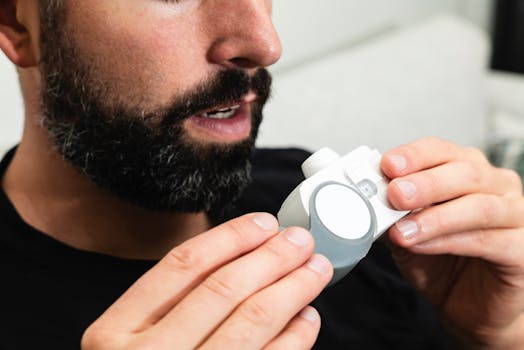
During breath-hold CO2 training, your body communicates. You should stop the session immediately if you experience any of the following:
- Chest pain, pressure, or pain radiating to the arm, jaw, or back
- Severe shortness of breath that feels disproportionate to the effort
- Irregular heartbeat, strong palpitations, or feeling like your heart is “skipping” repeatedly
- Fainting or near-fainting
- Confusion, inability to speak normally, or severe disorientation
- Persistent headache after a session, especially if sudden or severe
- Numbness or weakness that doesn’t quickly resolve
- Vomiting during or right after a hold
After you stop, return to normal breathing and sit upright. If symptoms are intense, recurring, or last more than a short period, seek medical evaluation. Treat repeated red flags as a stop sign for CO2 breath-hold work.
Safer training principles: dose, progression, and recovery
Most breath hold CO2 training risks are preventable through conservative dosing. You can reduce risk by controlling three variables: how long, how often, and how hard.
Start with conservative holds
For many beginners, a practical approach is to avoid long breath holds in early sessions. Instead of targeting long durations, focus on staying well below the point where you experience distress. If you’re using a device, treat the timer as a ceiling—not a goal.
A conservative progression principle: increase exposure slowly over weeks, not days. If you feel you need to “push through,” you’ve likely advanced too quickly.
Use longer recovery periods than you think you need
Breath holds are not just about the hold time; they’re about what happens afterward. CO2 and oxygen changes can affect how you feel minutes later. For safety, use full recovery breathing between rounds. If you’re still dizzy after a session, don’t run another round.
As a rule of thumb, if you can’t return to comfortable breathing within a short timeframe, you’re likely exceeding your current tolerance.
Avoid “stacking” sessions when fatigued
Training when you’re sleep-deprived, dehydrated, sick, or under heavy stress raises risk. CO2 discomfort may feel more intense, and your ability to judge symptoms can drop. If you’re doing breathwork as part of a broader routine (gym, sauna, long workday), separate sessions and avoid doing CO2 breath holds when you’re already compromised.
Don’t combine breath holds with intense exercise
Some routines pair breathwork with training or high-intensity workouts. That can multiply strain. If you choose to integrate breathwork, keep CO2 breath holds separate from intense exertion and allow time for full recovery.
Common unsafe practices to avoid
Even experienced people sometimes make avoidable mistakes. Watch for these patterns.
- Over-breathing (hyperventilation) before a hold. This can reduce CO2 quickly and delay the urge to breathe, increasing the risk of blackout. Many breath-hold systems explicitly warn against it.
- Practicing while standing. If fainting occurs, standing increases injury risk. Sit or lie in a safe position.
- Practicing alone in high-risk settings. Solo practice is especially risky around water or anywhere a fall could be severe.
- Chasing “longest hold” numbers. CO2 training is not a contest. Longer isn’t automatically safer.
- Ignoring medication and health changes. If your health status changes, your tolerance can change too.
- Using the device while distracted. If you’re multitasking, you may miss warning signs or fail to end a session promptly.
Real-world scenario: how risks show up at home
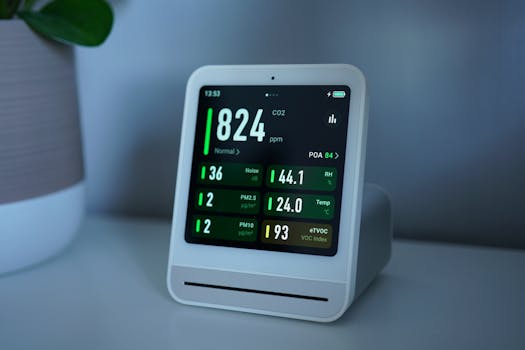
Imagine you’re practicing on a weekday evening. You’ve had a stressful day, you’re slightly dehydrated, and you’re using a breathwork device with a guided breath-hold timer. The session includes multiple rounds with short recovery periods.
Round two: you feel your breathing urge rise quickly. You’re tempted to “finish the timer.” You notice tingling and a tight feeling in your chest. You tell yourself it’s normal. When the timer ends, you stand up quickly to reset the device. You feel lightheaded and your vision dims for a moment.
Even if you don’t faint, this scenario shows the chain of risk: fatigue + short recovery + pushing through symptoms + standing quickly. A safer alternative would be to shorten exposure when symptoms appear, lengthen recovery, and stay seated until you’re fully stable.
Real-world scenario: why water practice is a different category
Another scenario: you decide to take a breathwork device into the pool to “practice CO2 tolerance.” You’re not trained in apnea safety, and you’re doing solo sessions. You aim for longer holds because the device encourages you to hit a target duration.
On the third attempt, you feel unusually calm during the hold. That calmness can be misleading. You come up late, slightly disoriented, and you start coughing. Without a partner watching you, you may not recognize early signs of blackout risk. Even a brief impairment can lead to drowning.
This is why water-related breath-hold practice is treated as a separate safety category. If you choose to pursue apnea training, do it under appropriate instruction and with established safety protocols.
How to set up a safer breathwork environment
Environment matters. You can reduce risk with simple setup choices.
- Practice on dry land. Avoid water for CO2 breath-hold training.
- Choose a stable position. Sit with back support or lie down in a way that reduces fall risk. If you lie down, consider choking risk if nausea occurs.
- Clear the space. Remove obstacles around you. Keep your phone and device within reach so you don’t scramble mid-session.
- Use a calm, seated pace. Don’t practice when you’re in a hurry or multitasking.
- Have a recovery plan. Decide in advance what you’ll do if you feel dizzy—pause, breathe normally, and stop the session.
What to do if you feel unwell after a session
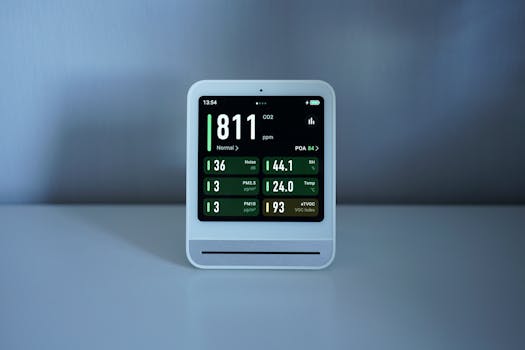
Sometimes symptoms appear after you’ve finished. CO2 changes and breathing pattern shifts can cause delayed effects.
If you feel persistently dizzy, develop a severe headache, experience ongoing chest discomfort, or notice abnormal heart sensations that don’t settle quickly, seek medical evaluation. If you have a history of health conditions, err on the side of caution.
For mild, short-lived discomfort (for example, temporary lightheadedness that resolves), return to normal breathing, hydrate, and avoid repeating the training that day. Treat it as a signal to reduce intensity and extend recovery next time.
How to progress safely with CO2 training goals
Your objective may be improved tolerance, reduced breathwork anxiety, or better performance in endurance sports. Regardless of the goal, safety progress matters more than speed.
- Progress by symptom threshold. If you consistently experience strong discomfort early, you need less exposure, not more.
- Increase frequency last. Many people increase hold duration first and then add rounds. Safer progression often means fewer rounds before longer holds.
- Keep intensity consistent. Don’t change multiple variables at once (device settings, hold duration, number of rounds) because you won’t know what caused a problem.
- Track how you recover. If recovery gets slower over a week, scale back immediately.
- Respect “off days.” If you feel anxious, sick, or unusually symptomatic, skip CO2 breath holds.
Breathwork device safety improves when you treat each session as a data point about your current physiology.
Prevention checklist for breath-hold CO2 training risks
Before you start a session, run through this checklist. It’s designed to prevent the most common preventable harms.
- Health screening: Do you have any cardiovascular, respiratory, neurological, or fainting history that makes breath-hold training unsafe without medical guidance?
- No hyperventilation: Are you avoiding pre-breathing strategies that delay the urge to breathe?
- Conservative dosing: Are you staying well below your distress threshold?
- Recovery: Are you using enough time to return to comfortable breathing between rounds?
- Position: Are you seated or otherwise protected against falls?
- Environment: Are you on dry land with no water nearby?
- Stop rules: Have you decided in advance what symptoms mean “stop now”?
- Supervision: Are you practicing in a setting where someone can help if you feel unwell?
If you can’t answer these confidently, reduce exposure or pause until you can.
Summary: safer breathwork device use means respecting CO2 physiology
Breath-hold CO2 training can be beneficial, but it carries specific risks: dizziness, fainting, cardiovascular stress, nausea, and serious hazards in water environments. Devices can structure practice, but they can also encourage you to exceed symptom-based limits through timers, targets, and automated rounds.
Your best protection is conservative progression, adequate recovery, avoidance of unsafe pre-breathing, and immediate stopping when red flags appear. If you have underlying health conditions—or you’ve ever fainted, had chest pain, or experienced significant palpitations—treat breath-hold CO2 training as a medical question, not a casual self-experiment.
When you approach breathwork as a safety-first physiological practice, you reduce the likelihood of adverse events and make the training more sustainable.
21.05.2026. 04:18