

Supplement Interactions With Medications Safety Checklist

Why supplement–medication interactions deserve a safety checklist

Supplements can be helpful, but they are not automatically “safer” because they are sold without a prescription. Many supplements can change how medications are absorbed, metabolized, or how they affect blood clotting, blood pressure, blood sugar, the nervous system, or the heart’s rhythm. Even when the supplement seems unrelated to the medication, the interaction risk can still be real.
A structured checklist helps you catch common problems early—before a new bottle, a dose change, or a refill creates avoidable side effects. This guide is designed as a practical safety reference for anyone taking prescription drugs, over-the-counter medicines, or both.
Start with a complete medication and supplement inventory
The first step is accuracy. Interactions depend on the specific ingredient and dose, not just the supplement name. Build a single list that includes:
- All prescription medications (include dose and schedule)
- All over-the-counter products (pain relievers, cold/flu medicines, antacids, sleep aids)
- Hormones and contraception (including patches, injections, and implants)
- Vitamins and supplements (multivitamins, single-ingredient products, herbals, teas marketed for “wellness”)
- Topicals with systemic effects (for example, medicated creams used over large areas)
- Any recent changes from the last 30–90 days
For each item, record the exact name, brand, ingredient list, and dose per serving. If you have trouble finding dose information, take a photo of the Supplement Facts panel and the ingredient section so you can share it with a pharmacist or clinician.
Also note whether you take supplements daily or only on certain days, and whether they are taken with meals or on an empty stomach. Timing can matter as much as ingredient choice.
Use this supplement interactions with medications safety checklist

Use the checklist below as a review tool before starting a new supplement, increasing a dose, or combining multiple products. If you answer “yes” to any high-risk items, you should pause and ask a qualified clinician (or a pharmacist) to verify the interaction risk for your specific medication regimen.
Step 1: Confirm the supplement’s active ingredients
- Do you know the exact ingredient(s) in the product, including herbs, extracts, and proprietary blends?
- Does the label show standardized amounts (for example, “X mg” of a specific extract) or vague “proprietary blend” quantities?
- Are there multiple overlapping products that contain the same ingredient (for example, two “immune” supplements plus a multivitamin)?
Many supplements include ingredients that are not obvious from the marketing name. “Calming” and “sleep” products, for example, often contain herbs that interact with sedatives or affect bleeding risk.
Step 2: Check for interaction risk categories
- Blood clotting and bleeding risk: Are you taking anticoagulants, antiplatelets, or you have a bleeding disorder? (Examples of common supplement ingredients to verify: ginkgo, garlic extracts, ginger in higher doses, turmeric/curcumin at higher doses, and omega-3s.)
- Blood pressure and heart rhythm: Are you on antihypertensives, antiarrhythmics, or diuretics? (Some supplements can affect electrolytes or vascular tone.)
- Blood sugar control: Are you on insulin or diabetes medications? (Some supplements may lower glucose or alter insulin sensitivity.)
- Seizure threshold and CNS effects: Are you taking antidepressants, anxiolytics, sleep medications, opioids, or anti-seizure drugs? (Some herbal ingredients can be sedating or influence neurotransmitter pathways.)
- Stimulant and “energy” effects: Do you take stimulants, thyroid medication, or medications that affect heart rate? (Energy blends can sometimes amplify jitteriness, anxiety, or palpitations.)
- Hormone-sensitive conditions: Are you on hormone therapy, birth control, or medications for endometriosis, prostate conditions, or breast conditions? (Some botanicals can have hormone-like activity.)
- Immune modulation: Are you on immunosuppressants, biologics, or medications for autoimmune disease? (Some supplements may influence immune signaling.)
If you cannot confidently categorize the supplement, treat it as high-risk until verified.
Step 3: Verify common drug metabolism pathways
Many interactions occur because supplements can affect how the liver metabolizes drugs. Ask your pharmacist to check whether the supplement affects enzymes such as CYP3A4, CYP2D6, or CYP2C9, or if it changes drug transport proteins like P-glycoprotein. A few ingredients known for interaction potential include:
- St. John’s wort (often affects multiple medications)
- Grapefruit and grapefruit extracts (can increase levels of certain drugs)
- Milk thistle and other liver-influencing botanicals (interaction potential varies by drug and dose)
- Garlic extracts (can affect medication levels and bleeding risk at higher doses)
Even if a supplement is “natural,” enzyme effects can be strong enough to change medication exposure. That can lead to either reduced effectiveness or increased side effects.
Step 4: Check minerals and vitamins for absorption and toxicity
- Iron and calcium can interfere with absorption of certain medications if taken together.
- Magnesium can affect absorption of some antibiotics and thyroid medications.
- Vitamin D can contribute to high calcium levels if doses are excessive, particularly if you already have hypercalcemia risk.
- Fat-soluble vitamins (A, E, K) can accumulate. This matters with long-term high dosing.
- Niacin may worsen flushing-related side effects and can impact glucose and liver enzymes in some settings.
Absorption issues are especially relevant for antibiotics, thyroid hormone replacement, osteoporosis medications, and some heart medications. When in doubt, ask about spacing (for example, separating by several hours) rather than guessing.
Step 5: Review timing and “with meals” instructions
Some supplements are labeled “with food” for a reason. Others may be taken on an empty stomach. Consider:
- Does your medication require an empty stomach or a specific food interaction?
- Is the supplement fat-soluble and taken at meals?
- Are you taking multiple supplements that can compete for absorption?
Timing guidance is often medication-specific. A pharmacist can help you build a schedule that reduces absorption conflicts.
Step 6: Identify “red flag” combinations that warrant extra caution
These situations often require clinician or pharmacist verification before starting or continuing a supplement:
- You are on anticoagulants/antiplatelets (warfarin, apixaban, rivaroxaban, clopidogrel, aspirin) and the supplement may affect bleeding.
- You take multiple CNS-active agents (benzodiazepines, opioids, sleep aids, antidepressants, antipsychotics, seizure medications).
- You have a history of kidney or liver disease (some supplements can worsen lab abnormalities or increase toxicity risk).
- You are pregnant, trying to conceive, or breastfeeding (safety data may be limited for many ingredients).
- You take a medication with a narrow therapeutic range (small changes can cause problems).
Common high-risk supplement ingredients to verify
Not every supplement ingredient is risky for every person, but certain categories show up repeatedly in interaction reports. Use this section to focus your checklist review.
Supplements that can affect bleeding and clotting
Bleeding risk can be increased when supplements influence platelet function, coagulation pathways, or the integrity of blood vessels. This matters most if you take anticoagulants or antiplatelets. Ingredients that frequently require verification include:
- Ginkgo
- Garlic extracts (especially concentrated products)
- Ginger (particularly higher-dose preparations)
- Turmeric/curcumin (high-dose extracts)
- Omega-3 fatty acids (dose-dependent effects)
Even if you are not on blood thinners, you should discuss supplements if you have a bleeding disorder, planned surgery, or frequent bruising.
Stimulant and “energy” supplements
Energy products can increase heart rate, blood pressure, anxiety, and sleep disruption. If you take medications that already affect cardiovascular function or the nervous system, the combined effect can be significant. Watch for ingredients such as high-dose caffeine, yohimbine, or multiple proprietary stimulants.
If you are on thyroid medication, stimulants, or medications for attention disorders, verify stimulant supplement ingredients before use.
Herbs with strong enzyme effects
Some botanicals can alter drug metabolism enough to change medication levels. St. John’s wort is the best-known example. Because it can reduce the effectiveness of certain medications, it is one of the first items to check when reviewing supplement interactions with medications safety.
Other herbs may have less predictable effects, which is why ingredient-by-ingredient verification matters.
Minerals, vitamins, and absorption conflicts
Minerals can bind medications in the gut or change absorption. A few frequent examples:
- Calcium and iron may interfere with absorption of some antibiotics and thyroid hormone.
- Magnesium can be problematic with certain medications if taken together.
- Vitamin K can affect anticoagulation control in people taking warfarin.
Absorption conflicts are often resolved by spacing doses, but the correct interval depends on the medication.
How to check interactions safely without guessing
Interaction checking is more reliable when you use clinical tools and accurate product details. Avoid relying solely on general blogs or “natural” assurances.
Talk to a pharmacist with your exact ingredient list
Pharmacists can cross-check your medication regimen with the supplement’s ingredients. Bring:
- The supplement bottle or a clear photo of the Supplement Facts and ingredient list
- A written list of your medications (including dose and timing)
- Any recent lab results that are relevant (for example, kidney or liver tests)
Ask the pharmacist to confirm not only whether an interaction exists, but also what to do about it: spacing, dose adjustment, monitoring, or avoiding the combination.
Use reputable interaction references for “ingredient-level” accuracy
If you use an online interaction checker, ensure it supports:
- Ingredient-level search rather than only product names
- Prescription and over-the-counter medicines in the same query
- Notes on severity and monitoring
Many tools are limited for proprietary blends. In those cases, ask a clinician to interpret the risk based on the known ingredients and doses.
Don’t forget that “temporary” use can still be risky
Short courses of supplements can still interact. For example, a few weeks of a herbal product can be enough to alter medication levels, especially if you start at a high dose or take it daily.
Timing, dose, and spacing: practical ways to reduce risk
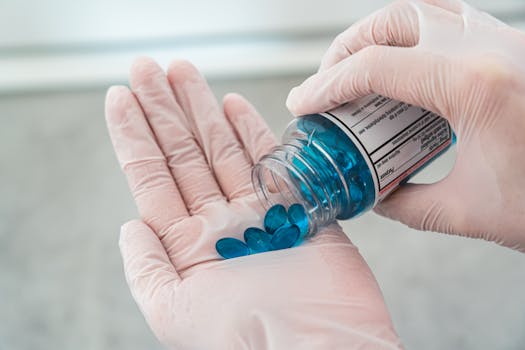
When an interaction is primarily an absorption issue, spacing is often the solution. When it is a metabolism or pharmacodynamic issue, spacing may not fully prevent effects. Use the following practical guidance.
Separate supplements that interfere with absorption
Some medications require consistent absorption patterns. If a supplement can bind or compete with absorption, you may need to separate doses. Examples that often require spacing include:
- Thyroid hormone replacement
- Certain antibiotics
- Osteoporosis medications
Because the required interval varies by medication, confirm the spacing with a pharmacist rather than using a one-size-fits-all rule.
Start low and change one variable at a time
For people who already take several medications, adding a new supplement can make it difficult to identify which agent caused a side effect. To reduce confusion:
- Change only one supplement at a time when possible
- Track the start date, dose, and any symptoms
- Allow sufficient time to see effects, especially for supplements that build over days
If a clinician advises a specific dose, follow it. “Higher for faster results” can raise interaction risk.
Be cautious with “stacking” multiple supplements
Stacking is common: a sleep blend plus magnesium plus a “calming” tea. Even if each item seems mild alone, combined effects can increase sedation, affect blood pressure, or alter bleeding risk. Your checklist should include overlap:
- Do multiple products contain the same herb?
- Are you doubling up on vitamins or minerals?
- Are you taking multiple products that affect the same body system?
Recognize side effects that may signal an interaction
Some interaction effects are subtle at first. Others are urgent. Use this section to know what to monitor after starting or changing a supplement.
Potential signs of increased medication effect
- Dizziness, unusual fatigue, fainting
- Uncontrolled bleeding (nosebleeds, bleeding gums), easy bruising
- Severe diarrhea or nausea beyond expected levels
- Marked sleepiness or confusion
- Irregular heartbeat, palpitations, or chest discomfort
Potential signs of reduced medication effect
- Blood pressure readings that rise despite treatment
- Blood sugar that increases in people with diabetes
- Return of symptoms the medication was controlling (for example, mood symptoms, pain control, seizures)
- In people on anticoagulation: signs of clotting complications (seek urgent care)
When to seek urgent help
Get urgent medical care if you have severe allergic reactions (swelling of face or throat, trouble breathing), signs of serious bleeding (vomiting blood, black/tarry stools, heavy bleeding), chest pain, severe shortness of breath, or symptoms of stroke (face drooping, arm weakness, speech difficulty). If you are unsure whether symptoms are an interaction, it is still appropriate to seek medical advice promptly.
Product quality and labeling: how it affects interaction safety
Even when you choose a supplement that seems appropriate, quality issues can increase risk. Interaction safety depends on what is actually in the product and how consistently it is dosed.
- Check the Supplement Facts for the exact amount of each ingredient.
- Watch for proprietary blends when possible; they can hide the true dose of an ingredient.
- Look for third-party testing information when available, especially for products used long-term.
- Be cautious with “mega-dose” claims that exceed typical dietary or studied ranges.
Quality and dose consistency can affect whether an interaction occurs, how strong it is, and how predictable the side effects may be.
Special situations that require extra review
Some circumstances increase the likelihood of interactions or make effects harder to predict.
Kidney or liver impairment
Reduced liver or kidney function can slow metabolism and excretion of both medications and supplement ingredients. That can raise exposure and toxicity risk. If you have kidney disease or liver disease—or abnormal lab results—verify supplement use with a clinician before starting.
Older adults and polypharmacy
Older adults often take multiple medications and may have reduced physiologic reserve. Even supplements that are generally well tolerated can cause problems when combined with existing therapies.
Pregnancy and breastfeeding
Safety data for many supplement ingredients is limited. Because of potential effects on fetal development or milk production, review all supplements with a clinician before use.
Surgery and dental procedures
Plan ahead. Many clinicians recommend stopping certain supplements before surgery due to bleeding or anesthesia-related concerns. Use your checklist to identify whether a supplement could affect clotting or sedation.
Prevention summary: build a routine around safe review
Use the checklist as a repeatable process rather than a one-time step. A reliable prevention routine includes:
- Maintain an up-to-date list of medications and supplement ingredients with doses
- Review new supplements using ingredient-level verification
- Pay special attention to bleeding risk, CNS effects, blood sugar, heart rhythm, and hormone-sensitive pathways
- Confirm absorption and timing conflicts with a pharmacist
- Start one change at a time and track symptoms after starting or increasing doses
- Recognize red-flag symptoms and seek urgent care when needed
If you ever feel uncertain, the safest approach is to pause the new supplement and ask a qualified clinician to review your specific medication regimen. A brief medication-supplement interaction check can prevent many avoidable adverse events.
FAQ
How do I use a supplement interactions with medications safety checklist?
Start by listing every medication and supplement with exact doses. Then verify the supplement’s active ingredients, check high-risk categories (bleeding, blood sugar, heart rhythm, CNS effects, hormone sensitivity, immune modulation), and ask a pharmacist to confirm whether spacing or avoidance is needed for your specific drugs.
Are natural supplements always safe with prescription medications?
No. “Natural” does not guarantee safety. Many supplements can alter drug absorption, metabolism, or pharmacologic effects and can lead to either increased side effects or reduced medication effectiveness.
What is the most important information to bring when asking a pharmacist about interactions?
Bring the supplement bottle or a clear photo of the Supplement Facts panel and ingredient list, plus your medication list with dose and timing. If you have relevant lab abnormalities (kidney or liver tests), include those as well.
Can supplement interactions happen even if I take the supplement for only a short time?
Yes. Some interactions can occur quickly, especially those related to absorption or pharmacodynamic effects. Others may develop over days, but short-term use can still be risky.
What symptoms suggest a possible supplement–medication interaction?
Watch for unusual bruising or bleeding, dizziness or fainting, severe gastrointestinal symptoms, marked sedation or confusion, palpitations or chest discomfort, and changes in blood sugar or blood pressure control. Seek urgent care for severe allergic reactions, serious bleeding, chest pain, stroke-like symptoms, or trouble breathing.
Should I stop a supplement if I suspect an interaction?
Do not wait if symptoms are severe. For mild or unclear symptoms, contact a pharmacist or clinician promptly for guidance. In many cases, they may advise stopping the supplement while they review the interaction risk for your medication regimen.
04.04.2026. 07:25