

Iron Supplement Side Effects: Constipation & Nausea How to Fix

Overview: constipation and nausea from iron supplements

Iron supplements are a common and effective way to treat low iron stores, but side effects can make them difficult to stick with. Two of the most frequent issues are constipation and nausea. Some people also notice stomach discomfort, bloating, or darker stools after starting iron.
When iron upsets your digestion, the goal is not to “push through” blindly. The right approach depends on the form of iron, the dose, your timing, and whether you’re actually tolerating the supplement safely. The troubleshooting steps below are designed to help you reduce symptoms quickly while still addressing iron deficiency.
Most likely causes behind iron supplement side effects
Constipation and nausea usually come from the way iron interacts with the gastrointestinal tract. The most common causes include:
- Unabsorbed iron irritating the gut: If the supplement doesn’t absorb well (or the dose is too high), more iron can reach the intestines and cause nausea or cramping.
- Iron formulation: Different iron types vary in tolerability. Some forms are more likely to cause constipation or nausea, especially at higher elemental doses.
- Taking iron on an empty stomach: Iron is absorbed better without food, but nausea is also more likely. Many people experience an immediate “waves of nausea” feeling when they take iron without a meal.
- High elemental iron dose: Even when iron is needed, taking more than your body can handle at once can worsen side effects.
- Concurrent factors that slow digestion: Dehydration, low fiber intake, iron combined with other constipating meds (for example, some antihistamines or opioids), or reduced activity can amplify constipation.
- Timing with minerals and food: Calcium, magnesium, zinc, and certain antacids can interfere with iron absorption. If absorption is reduced, more iron may sit in the gut longer.
- Underlying intolerance or different diagnosis: If symptoms are severe, persistent, or accompanied by bleeding, black tarry stools, or abdominal pain, the issue may not be “just side effects.”
Step-by-step troubleshooting and repair process

Use this sequence to identify the most likely trigger and fix it. If one step doesn’t help within a couple of days, move to the next.
Step 1: Confirm what you’re taking (dose and elemental iron)
Check the label for the elemental iron amount per dose (many products list “ferrous” weight that doesn’t match elemental iron). Side effects often correlate with elemental dose rather than the total compound weight.
If you’re taking multiple supplements that contain iron (including multivitamins), add them up. Too much iron—even if unintended—can cause nausea and constipation.
Step 2: Adjust timing relative to meals
If nausea is your main problem, test a change in timing.
- If you take iron on an empty stomach, switch to taking it with a meal or immediately after a meal.
- If you tolerate meals poorly, try a small snack (for example, yogurt, toast, or a banana) rather than a full meal.
- If constipation is the main issue, timing with meals may still help, but hydration and fiber adjustments usually matter more.
Note: Taking iron with food can reduce absorption slightly for some people, but improving tolerability often leads to better overall adherence and treatment success.
Step 3: Separate iron from absorption blockers
To reduce leftover iron irritating the gut, keep iron away from common blockers:
- Calcium supplements, dairy supplements, and high-calcium foods can reduce absorption. Try spacing by at least 2 hours.
- Antacids (especially those containing calcium or magnesium), and some heartburn medications may interfere depending on ingredients. Separate by 2+ hours unless your clinician advises otherwise.
- Tea, coffee, and some high-phytate meals can reduce absorption. If nausea is happening, you may already be using food to buffer it—choose a meal that doesn’t include a large amount of tea/coffee at the same time.
Spacing doesn’t guarantee zero side effects, but it can improve absorption efficiency and reduce gastrointestinal irritation.
Step 4: Hydrate and add targeted fiber for constipation
Constipation from iron is often worsened by dehydration and low fiber. Start with the simplest changes:
- Increase water: aim for steady fluid intake through the day, not just at one time.
- Add fiber gradually: consider foods like oats, prunes, kiwi, beans, and vegetables. Increase slowly to avoid gas.
- Consider magnesium carefully: magnesium can help constipation for some people, but it can also interfere with iron absorption. If you use magnesium, separate it from iron by at least 2 hours and check with a clinician if you have kidney disease.
If you already have constipation tendencies, address them immediately after starting iron rather than waiting until symptoms become severe.
Step 5: Check whether the dosing schedule is too aggressive
Many people do better with a gentler schedule. If your prescribed plan allows flexibility, try:
- Lowering frequency (for example, every other day instead of daily) can reduce side effects while still supporting iron repletion for many patients.
- Splitting the dose only if the product instructions and your clinician agree. Splitting can help some people with nausea, but it can also increase total dosing frequency, which may not suit every regimen.
Don’t change prescription instructions without checking with a clinician, especially if you’re treating significant anemia.
Step 6: Assess for signs that the reaction is more than “common side effects”
Most iron-related changes are expected, such as darker stools. However, contact a clinician urgently if you have:
- Severe abdominal pain, persistent vomiting, or inability to keep fluids down
- Blood in stool or black tarry stools that look like digested blood (not just uniformly dark)
- Signs of allergic reaction such as hives, swelling, or wheezing
- Constipation lasting several days with significant discomfort, or no bowel movement with worsening symptoms
Solutions from simplest fixes to more advanced fixes
Below are practical options in order of complexity. Choose the lowest-effort change that matches your symptoms, then progress if needed.
Simplest fixes for nausea
- Take iron with food and keep the meal light but not empty. This is often the fastest nausea reducer.
- Try evening dosing if it makes you feel better later in the day. For some people, nausea is easiest to tolerate when it happens during sleep or after dinner.
- Reduce the “shock” of the first dose: start with the prescribed dose if required, but if you have flexibility and your clinician agrees, a gradual approach can improve tolerance.
Simplest fixes for constipation
- Increase fluids and fiber immediately after starting iron.
- Move iron away from times when you’re already prone to constipation (for example, if you’re sedentary during certain hours).
- Use an appropriate stool-softening approach if needed. Many people benefit from short-term measures such as osmotic laxatives, but if you’re managing anemia or have other conditions, it’s best to discuss which option fits your medical history.
Intermediate fixes: change the iron strategy
- Adjust the schedule: If you’re taking iron daily and symptoms are strong, ask your clinician whether an every-other-day plan is appropriate. This often reduces constipation and nausea without eliminating the therapeutic effect.
- Confirm you’re not doubling up: multivitamins plus standalone iron is a common reason for higher-than-needed iron exposure.
- Separate from interfering substances: keep iron away from calcium supplements and antacids as described earlier.
More advanced fixes: switch formulation or route
If side effects persist despite timing, hydration, and schedule changes, a formulation switch is frequently the next step.
- Switch iron form: Some people tolerate certain forms better. For example, ferrous sulfate is effective but can be harsher on the stomach for some. Others do better with different iron salts or preparations. Your clinician can help choose a form based on your labs and tolerance.
- Consider lower elemental dosing: Sometimes the effective dose is adjusted while still targeting the same iron deficit.
- Ask about alternative dosing regimens: Certain regimens are designed to improve absorption and reduce side effects.
- Discuss intravenous iron if oral iron is not tolerated: If nausea and constipation are severe enough that you can’t maintain oral therapy, intravenous iron may be an option in appropriate cases. This is not a DIY step; it requires medical evaluation.
When replacement or professional help is necessary
Most cases of iron supplement side effects can be managed with the troubleshooting steps above. Professional help becomes important when symptoms are severe, persistent, or suggest a complication.
Seek prompt medical guidance if
- You have severe or worsening nausea that prevents you from taking doses consistently.
- Constipation becomes painful, lasts more than a few days, or is accompanied by vomiting, bloating, or inability to pass gas.
- You suspect an overdose or you may have taken more than directed.
- You have symptoms that don’t fit (for example, significant abdominal pain, fever, or signs of bleeding).
Ask about changing the plan if side effects persist after basic fixes
If you’ve adjusted timing with food, separated from blockers, and improved hydration/fiber, but nausea or constipation still doesn’t settle, your clinician may recommend:
- a different iron formulation
- a lower elemental dose or alternative schedule
- rechecking your iron studies and hemoglobin to confirm the regimen matches your needs
- an evaluation for causes of iron deficiency that require treatment beyond supplements
Consider replacement of the supplement strategy rather than “pushing through”
If the side effects are causing missed doses, treatment can stall. In that situation, “replacement” usually means changing the dosing regimen or iron type, not stopping treatment entirely. Intravenous options may be considered when oral therapy is not tolerated or when rapid repletion is needed.
Practical notes for safer, more tolerable iron use
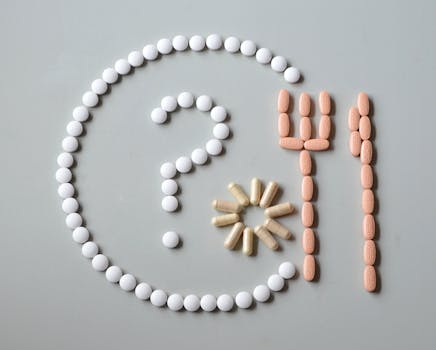
These points help reduce the chance that side effects derail iron repletion:
- Track symptoms for 3–5 days after a change. Many people improve once the body adjusts, but persistent patterns can signal that the dose or form isn’t a good fit.
- Expect dark stools. This is common with iron and usually harmless. What matters is stool appearance suggesting bleeding (tarry, sticky, or mixed with blood) and associated symptoms.
- Don’t combine with high-dose minerals without spacing. Calcium, magnesium, and zinc can interfere with absorption; spacing prevents unnecessary reduction in uptake.
- Reassess if you’re not improving. If constipation or nausea doesn’t respond to reasonable adjustments, it’s time to change the plan with a clinician.
Iron is important for correcting deficiency, but tolerability is part of effective treatment. When constipation and nausea are handled systematically—starting with timing and hydration and moving toward formulation and schedule changes—most people can find a workable approach.
30.04.2026. 07:57