

Infrared vs Red Light Therapy: Key Differences & Best Picks

Infrared vs red light therapy: what’s actually different?
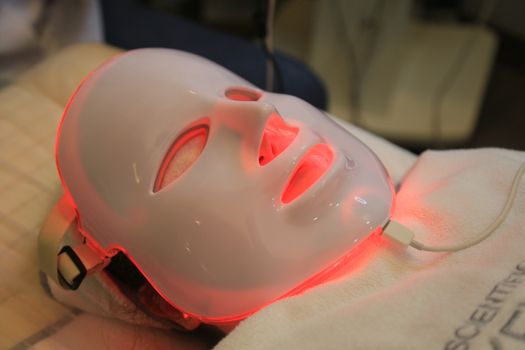
You’re choosing between two popular forms of light therapy that look similar on the outside but behave very differently in the body. Both are used to support skin health, recovery, and comfort, yet the “infrared vs red light therapy” decision comes down to wavelength, tissue penetration, and how your routine should be structured.
Red light therapy typically uses visible red wavelengths (most commonly around 620–700 nm). It’s absorbed strongly by superficial tissues, including the skin surface and areas near the top of the dermis.
Infrared light therapy usually refers to near-infrared (NIR) wavelengths (commonly 800–1100 nm, sometimes extending to ~1200 nm depending on the device). NIR can reach deeper tissues than red light, which is why many people use it for muscle soreness, joint comfort, and post-workout recovery.
In practice, many products blur the line by combining both red and infrared LEDs or lasers in one panel. But if you’re comparing systems, you should treat them like different tools: one is optimized for more superficial targets, the other tends to be better suited for deeper tissue effects.
Quick summary: the strongest overall option depends on your goal
If you want one default choice that covers the widest range of everyday use cases—skin support plus recovery—your best “overall” pick is often a device that includes both red (around 630–660 nm) and near-infrared (around 800–850 nm) in a single session.
If you must choose only one:
- Choose red light therapy if your primary focus is skin appearance, fine lines, texture, and surface-level concerns.
- Choose infrared therapy if your primary focus is muscle/joint comfort, deeper recovery, and soreness relief after training.
Side-by-side: infrared vs red light therapy
Use the table below to compare the core differences you’ll feel when you compare devices, routines, and expected outcomes.
| Feature | Red light therapy | Infrared (near-infrared) therapy |
|---|---|---|
| Typical wavelength range | ~620–700 nm (often 630–660 nm) | ~800–1100 nm (often 810, 830, 850 nm) |
| Typical tissue reach | More superficial: skin and upper dermis | Deeper: muscles, tendons, joints, and surrounding tissues |
| Common use cases | Skin tone/texture, appearance support, surface redness, post-procedure support | Recovery, soreness, joint comfort, stiffness, deeper inflammation support |
| How it’s often used | Shorter, more frequent sessions for skin; consistent daily use is common | Sessions before/after workouts or for targeted areas; often 10–20 minutes depending on power |
| What you may notice first | Gradual skin improvements over weeks; subtle changes in comfort around the treated surface | Comfort and soreness reduction that can be noticeable within days for some users |
| Device types you’ll see | LED panels, handheld wands, face masks, sometimes laser combinations | LED/NIR panels, larger whole-body panels, targeted emitters |
| Session timing (typical ranges) | ~5–20 minutes depending on irradiance and area; often daily | ~10–20 minutes for many targeted routines; sometimes 3–5 days/week or daily for pain goals |
| Best match if you’re… | Primarily focused on visible skin outcomes | Primarily focused on recovery and deeper tissue comfort |
| Best approach if you want “one device” | Look for combined red + NIR panels if budget allows | Look for combined red + NIR panels if you also want skin support |
Real-world performance: how results differ in daily use
Light therapy isn’t a magic switch. The “infrared vs red light therapy” difference shows up in how you structure your routine and what you’re likely to notice—especially during the first 2–4 weeks.
Scenario 1: You train 4–5 days/week and want recovery support
Let’s say you lift weights on Monday and Thursday and you deal with mild soreness in your knees and shoulders. In a practical routine, near-infrared often fits better because it’s more likely to reach the tissues you’re trying to calm down. Many users schedule NIR sessions after workouts or on rest days.
In real-world terms, you may feel:
- Less “tight” feeling in the joint area after several sessions
- Improved comfort for daily movement within 3–7 days for some people
- More consistent recovery over 2–4 weeks when you stick to a schedule
Red light can still help, but if your main target is deeper soreness, you’ll usually get more direct value from infrared/NIR.
Scenario 2: You’re focused on skin appearance and texture
If your goal is smoother texture, a more even look, and support for visible skin quality, red light often feels more “on-target.” A red wavelength is a strong match for superficial skin layers, which makes it a common choice for face masks and smaller panels.
In practice, skin changes are gradual. You’re more likely to see improvements in:
- Tone and brightness over 3–8 weeks
- Texture and fine-line appearance over 6–12 weeks
- Post-procedure calming support (depending on your provider’s guidance)
Infrared can also support skin, but if you’re choosing a single wavelength family for skin-first results, red light tends to be the more direct route.
Scenario 3: You want one consistent routine for “everything”
If you want both skin support and recovery support, the most practical outcome usually comes from a combined red + near-infrared panel. That way, you don’t have to decide between “skin sessions” and “recovery sessions.” You can treat your whole body and your face with the same core device, using different distances or session lengths if the manufacturer recommends it.
This is why many popular whole-body products lean toward blended wavelengths rather than single-spectrum designs.
Pros and cons breakdown: what each therapy does well (and where it falls short)
Red light therapy: strengths you’ll actually use
- Excellent fit for skin-focused goals. Red wavelengths are commonly used for surface and near-surface skin effects.
- Often easier to integrate into a daily routine. Face masks and compact devices make consistency more realistic.
- Supports a wide range of “appearance” targets. Many users pursue results like improved tone, texture, and reduced visible redness.
Potential limitations:
- Not as optimized for deeper soreness. If your main issue is joint or muscle discomfort, red-only setups may feel slower or less targeted.
- Skin results require patience. You’ll typically need several weeks of consistent use to judge outcomes.
- Device quality varies. Two red-light devices can feel very different depending on irradiance, coverage, and how the manufacturer calculates dose.
Where red shines in product categories: face masks, targeted facial panels, and smaller LED devices where you can keep the light close to the skin.
Infrared (near-infrared) therapy: strengths for recovery and comfort
- More likely to reach deeper tissues. That’s the core reason NIR is popular for muscle and joint comfort.
- Great for post-workout routines. Many users schedule it after training or on rest days.
- Often feels “purpose-built” for soreness. People frequently report comfort improvements sooner than they report visible skin changes.
Potential limitations:
- Skin-first users may not get the most direct value. Infrared can support skin, but if you’re only comparing single-spectrum devices, red tends to be more targeted for appearance.
- Whole-body coverage can be more expensive. If you want NIR coverage across larger areas, you’ll often pay more for bigger panels.
- Distance and exposure matter. With deeper targets, dose delivery becomes critical—follow the manufacturer’s recommended distance and time.
Where infrared shines in product categories: whole-body panels, larger targeted emitters, and recovery-focused devices.
Best use-case recommendations for different buyers
Here’s how to pick the right option based on what you’re trying to fix or improve. Think of this as matching your goal to the wavelength behavior.
If you’re mainly treating skin appearance
Choose red light therapy, ideally with a device designed for facial use (face mask or close-contact panel). Look for:
- Red wavelengths in the ~630–660 nm range
- Consistent coverage for the full face area
- Clear guidance on session time (many facial routines fall in the 5–15 minute range)
Affiliate-style recommendation examples you’ll commonly find in this category include red-light face masks from brands like CurrentBody and Omnilux (often marketed for facial photobiomodulation). Even if you consider those products, still compare the wavelength specs and the session length your routine can realistically maintain.
If you’re mainly treating muscle soreness or joint comfort
Choose infrared (near-infrared), especially if you want coverage for areas like shoulders, back, hips, knees, or calves. Many users do better with:
- Near-infrared wavelengths around 810–850 nm
- Higher power density and adequate coverage for the area you’re targeting
- Sessions around 10–20 minutes depending on the device output and your tolerance
In this category, you’ll often see whole-body panels from brands such as Joovv and Red Light Man. These are frequently used by people who want recovery support across larger surfaces rather than a small patch of skin.
If you want one device to cover both skin and recovery
Choose a combined red + near-infrared panel. This is the most practical option if your goals aren’t strictly one category. You get:
- Red light support for skin and superficial targets
- NIR support for deeper comfort and recovery
- A routine that doesn’t require you to switch devices
If you’re comparing models, prioritize devices that specify both wavelength families and provide clear dosing guidance. Many higher-end panels include multiple wavelengths and a larger footprint, which can reduce the “I’m not covering the area” problem.
If you’re deciding between a small handheld vs a full panel
This isn’t just about infrared vs red—it’s about coverage. A handheld device can be excellent for pinpoint areas (like a sore shoulder), but if your goal is broad recovery or whole-body routine consistency, a panel usually makes it easier to treat the right tissue volume.
In practice:
- Handheld red lights work well for small skin targets or localized discomfort.
- Whole-body infrared panels are often better when you want consistent recovery support across multiple muscle groups.
Final verdict: which one suits your needs?
Here’s the clearest way to decide between infrared vs red light therapy without overthinking it.
Pick red light therapy if…
- Your primary goal is visible skin improvements (tone, texture, fine-line appearance).
- You want a simple daily skin routine that’s easy to stick with.
- You’re comfortable using a device close to the skin surface.
Clear winner: Red light therapy for skin-first buyers.
Pick infrared therapy if…
- Your primary goal is muscle and joint comfort and recovery after training.
- You want deeper tissue support for soreness and stiffness.
- You’re planning sessions that last long enough to deliver meaningful dose to larger areas.
Clear winner: Infrared (near-infrared) therapy for recovery-first buyers.
Pick a combined red + infrared device if…
- You want one routine that supports both skin and recovery.
- You don’t want to buy separate devices.
- You value convenience and consistent exposure across different body areas.
Clear winner: Combined wavelength panels for “one device for everything” buyers.
If you’re still stuck, use this simple rule: red light targets what’s near the surface; infrared targets what’s deeper. Match the wavelength family to the tissue you’re trying to influence, then commit to the routine length your device recommends. That combination—right wavelength plus consistent dosing—is what separates good results from disappointment.
19.04.2026. 23:48