

How to Take Iron Supplements Safely: Dosing, Timing, and Safety

Why iron supplements need careful use

Iron is essential for making hemoglobin, which carries oxygen in the blood. When iron intake is insufficient or iron stores are depleted, supplements can help correct anemia and rebuild reserves. However, taking iron incorrectly—too much, too often, or alongside certain medications—can increase side effects and, in rare cases, cause serious harm. Safe use depends on getting the right dose for the underlying cause, using effective timing, and monitoring for both improvement and complications.
This guide focuses on practical, evidence-based safety: how to choose a dose with guidance from lab results, how to take iron so it absorbs well, how to reduce common gastrointestinal effects, and how to avoid dangerous interactions. It also covers when to stop and get medical care.
Start with the right reason: confirm iron deficiency and the cause
Before beginning supplements, it’s important to understand whether iron deficiency is truly the issue. Low iron can be caused by blood loss (such as heavy menstrual bleeding or gastrointestinal bleeding), insufficient dietary intake, impaired absorption (for example, with celiac disease or after certain surgeries), or increased requirements (such as pregnancy). Some conditions that mimic iron deficiency—like chronic inflammation or vitamin B12/folate deficiency—will not improve reliably with iron alone.
Clinical evaluation often includes blood tests such as hemoglobin, ferritin, and sometimes transferrin saturation. Ferritin is especially useful because it reflects iron stores, though it can be elevated in inflammation. Interpreting results with a clinician helps ensure that supplementation is appropriate and that the underlying cause is addressed.
Choose a dose based on lab results and clinical guidance
There isn’t a universal “safe dose” that fits everyone. Dosing varies by age, sex, pregnancy status, and the severity of deficiency. Over-supplementation can cause toxicity, while under-dosing may delay recovery. If you’re using iron because of confirmed deficiency, the safest approach is to follow a clinician’s plan or, when self-managing, adhere strictly to the label directions and consider lab re-checking after an appropriate interval.
Be especially cautious if you have conditions that affect iron handling
People with hereditary hemochromatosis or other iron overload disorders should not take iron supplements unless a specialist confirms it’s necessary. Iron overload can damage organs over time. Other situations—such as chronic liver disease, repeated blood transfusions, or certain anemias—may require different treatment strategies.
How to take iron supplements safely: timing, absorption, and dose spacing

Iron absorption is influenced by what’s in the stomach and intestines at the time you take it. The goal is to maximize absorption while minimizing side effects. Different iron forms exist (commonly ferrous salts or other formulations), but practical safety principles apply broadly.
Follow a consistent schedule
For many people, consistent timing improves both absorption and adherence. If your regimen involves once-daily dosing, take it around the same time each day. If you are instructed to take it multiple times daily, spacing doses can reduce gastrointestinal discomfort.
Take iron on an empty stomach when tolerated
Iron tends to absorb best when taken away from food. Many clinicians recommend taking iron with water and, if tolerated, at least 1 hour before or 2 hours after meals. That said, taking iron on an empty stomach can increase nausea, stomach pain, or constipation. If side effects are significant, taking iron with a small amount of food may improve tolerability while still providing reasonable absorption.
Consider alternate-day dosing if recommended for your situation
Some research suggests that alternate-day dosing may improve absorption for certain individuals because of how the body regulates iron uptake. Whether this is appropriate depends on your severity of deficiency, response to treatment, and clinician guidance. If you change your schedule, do it deliberately and monitor labs if you’re treating confirmed deficiency.
Separate iron from absorption blockers
Certain substances can reduce iron absorption. To improve safety and effectiveness, separate iron supplements from:
- Calcium supplements and high-calcium foods: consider separating by at least 2 hours.
- Antacids and medications that reduce stomach acid: spacing may help, but discuss with a clinician if you take these regularly.
- Levothyroxine: iron can interfere with absorption; separate by several hours and confirm timing with a prescriber.
- Some antibiotics, especially tetracyclines and fluoroquinolones: these can bind with iron and reduce each drug’s effectiveness; spacing is often several hours.
- Tea and coffee: polyphenols can reduce absorption; avoid taking iron with these beverages.
- Bran and some high-fiber supplements: fiber can bind minerals; timing separation may help.
Because interaction specifics vary by medication, it’s safest to check the dosing schedule for each drug you take and align timing accordingly.
Vitamin C may help, but it’s not a substitute for proper dosing
Vitamin C can enhance non-heme iron absorption. If you tolerate it, pairing iron with vitamin C (such as a vitamin C tablet or a vitamin C–rich beverage) may improve absorption. However, vitamin C doesn’t correct incorrect dosing, and it shouldn’t be used to justify taking more iron than recommended.
Reduce side effects without compromising safety
Gastrointestinal side effects are the most common reason people stop iron. With safe adjustments, many individuals can continue treatment long enough to restore iron stores.
Common side effects and what to expect
Possible effects include:
- Constipation
- Diarrhea
- Nausea
- Stomach cramps
- Dark or black stools (usually harmless, but can resemble bleeding—see “When to seek medical help”)
- Metallic taste
Side effects are dose-related for many people. If symptoms are mild, continuing as directed while adjusting timing or food intake may be enough. If symptoms are severe, you may need a different dosing plan or a different formulation under medical guidance.
Adjust timing and food intake to improve tolerability
If iron taken on an empty stomach causes significant discomfort, consider taking it with a small meal. Avoid taking it with calcium-rich foods or beverages when possible. If nausea is prominent, taking iron earlier in the day and with food may help.
Use hydration and fiber thoughtfully for constipation
Constipation can often be improved with adequate water intake, dietary fiber, and gentle stool-softening strategies. If constipation becomes persistent or painful, consult a clinician before making major changes. Do not exceed recommended doses to “compensate” for missed doses; instead, address the side effect barrier.
Don’t increase the dose to “catch up”
Skipping doses occasionally is common. However, doubling up can increase side effects and may raise risk. If you miss a dose, follow label guidance or clinician instructions rather than taking extra tablets to make up for it.
Be cautious with “extra” iron from multiple products
Many multivitamins, prenatal vitamins, and “women’s health” supplements contain iron. If you take a multivitamin plus a separate iron supplement, you may unintentionally exceed your intended total. Review supplement labels to calculate your combined elemental iron intake.
Interactions that can change absorption or safety
Iron can interact with medications by altering absorption or by affecting the effectiveness of both iron and the other drug. Safety depends on timing and sometimes on switching schedules.
Medications that may reduce iron absorption
- Acid-reducing drugs (such as proton pump inhibitors and H2 blockers) can reduce absorption because iron absorption is more effective in a lower pH environment.
- Antacids can interfere if taken close together.
If you need acid-reducing therapy, ask a clinician how to time iron doses. In some cases, the iron form or dosing schedule may need adjustment.
Medications that iron can interfere with
- Levothyroxine: iron can reduce thyroid medication absorption.
- Tetracycline antibiotics and fluoroquinolone antibiotics: iron can bind to these medications.
- Some osteoporosis treatments and other mineral-based therapies may also be affected by mineral interactions.
Because interaction severity varies, it’s safest to separate iron from these medications by several hours and confirm the exact timing with a pharmacist or prescriber.
Other supplements and dietary factors
Calcium, magnesium, zinc, and certain herbal products can compete with iron for absorption. If you take multiple minerals, spacing them can be important. Alcohol and certain dietary patterns may also affect tolerance and absorption; the key safety principle is to avoid stacking multiple mineral supplements close together without a plan.
Iron and kidney disease or chronic illness
People with reduced kidney function may have anemia for reasons other than iron deficiency. Iron supplementation can still be appropriate in some cases, but dosing and monitoring should be clinician-directed. Chronic inflammation can also complicate interpretation of ferritin and response to oral iron.
How long to take iron and when to recheck labs
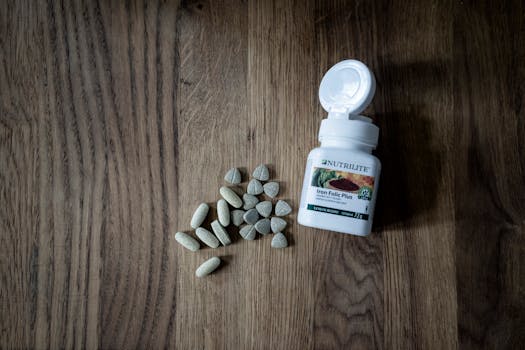
Iron supplementation is not usually a short-term fix. The body needs time to restore hemoglobin and rebuild iron stores. Stopping too early can lead to relapse.
Typical response timeline
In many cases, hemoglobin begins to improve within a few weeks if the deficiency is real and absorption is adequate. Iron stores may take longer to replenish. The exact timeline varies by cause, severity, and whether there’s ongoing blood loss.
Recheck based on clinical context
Clinicians often re-evaluate blood counts and iron indices after a period of treatment to confirm response and guide duration. If you’re self-managing, consider discussing follow-up testing rather than continuing indefinitely. Long-term or repeated supplementation without monitoring increases the chance of taking more iron than needed.
Continue for the recommended duration after symptoms improve
Feeling better doesn’t always mean iron stores are fully restored. If you stop as soon as energy improves, iron may drop again. Follow a plan that accounts for both symptom relief and replenishment of stores.
Recognize warning signs and know when to seek medical help
Most people tolerate oral iron safely when they follow dosing instructions. However, there are situations where medical attention is necessary.
Stop and get urgent help for possible overdose
Iron overdose can be dangerous, especially for children. If an excessive amount is taken, seek urgent medical care or contact local poison control immediately. Symptoms of overdose can include severe vomiting, abdominal pain, lethargy, and signs of dehydration. Even if symptoms seem mild at first, iron ingestion may still be serious.
Contact a clinician if you suspect gastrointestinal bleeding
Dark stools can occur with iron and may be normal. However, if you have symptoms such as dizziness, weakness, fainting, vomiting blood, black tarry stools that look like melena, or persistent abdominal pain, get medical advice promptly. These symptoms require evaluation because bleeding can be the cause of iron deficiency.
Seek evaluation if there is no improvement
If you take iron as directed for a reasonable period but labs and symptoms do not improve, common reasons include ongoing blood loss, incorrect diagnosis, poor absorption, or an interaction with medications. Don’t simply increase dose on your own—reassess the cause with a clinician.
Watch for allergy or severe reactions
Severe rash, swelling of the face or throat, trouble breathing, or widespread hives are not typical side effects and require urgent care.
Practical guidance for choosing an iron supplement safely
Safety involves more than dosing. It includes selecting an appropriate form and ensuring you use it correctly.
Look for products that clearly state “elemental iron”
Labels can be confusing because they list the compound amount, not always the elemental iron content. Elemental iron is what matters for dosing. If the label provides elemental iron per tablet or serving, you can better match it to the prescribed or recommended plan.
Understand that different formulations can affect tolerability
Some people tolerate certain iron formulations better than others. If side effects are persistent, a clinician may suggest a different form or a modified schedule. However, formulation changes should be guided by safety considerations and medical advice, especially if you’re treating significant anemia.
Check expiration dates and storage
Iron supplements can degrade over time. Use products within their expiration date and store them away from moisture and heat. Keep supplements out of reach of children—iron is a leading cause of toxic ingestions.
Using iron with common “everyday” products
If you take a multivitamin, prenatal vitamin, or mineral supplement, review the label for iron content. For example, many prenatal vitamins include iron, and adding a separate iron tablet can quickly raise total elemental iron. This matters for safety and side effects. A clinician or pharmacist can help calculate totals when needed.
Special situations: pregnancy, menstruation, and children

Iron needs vary across life stages. These categories require extra attention to dosing and safety.
Pregnancy: follow clinician guidance closely
Pregnancy increases iron requirements due to fetal development and expanded maternal blood volume. Prenatal vitamins often contain iron, but some people need additional dosing based on labs. Because pregnancy care is individualized, the safest approach is to follow obstetric guidance and avoid adding extra iron without confirming the target dose.
Heavy menstrual bleeding: treat the cause, not only the iron
Iron deficiency from heavy periods is common, but the bleeding pattern itself should be evaluated. If iron is taken without addressing the source of blood loss, deficiency may recur. Safety also includes monitoring for symptoms that suggest significant anemia or underlying gynecologic conditions.
Children: iron is not a casual supplement
Children’s dosing must be precise and based on weight and medical guidance. Accidental overdose is a major concern. Store iron supplements securely and use child-resistant containers. If a child accidentally ingests iron, treat it as an emergency and seek poison control advice immediately.
How to build a safer iron routine day-to-day
Iron therapy is easier to manage when you plan around meals, medications, and side effects.
Create a timing plan around other prescriptions
Start by listing all medications taken daily, then identify which ones require spacing from iron (for example, levothyroxine and certain antibiotics). A pharmacist can help create a schedule that minimizes interaction risk. If you take multiple supplements, consider spacing minerals to avoid competing absorption.
Track symptoms and adherence
Keep notes on side effects and whether you took doses consistently. If nausea or constipation prevents adherence, adjust timing with clinician input rather than discontinuing abruptly. Tracking also helps you recognize when improvement is not occurring as expected.
Use follow-up to confirm that iron is working
Rechecking labs at an appropriate time helps confirm that you’re correcting deficiency and not over-supplementing. Follow-up is especially important if the original cause was unclear or if you have chronic conditions that affect iron metabolism.
Summary: safe iron supplementation comes down to dose, timing, and monitoring
To take iron supplements safely, confirm that iron deficiency is the likely issue, use dosing based on clinical guidance and lab results, and pay close attention to timing for absorption. Separate iron from calcium, tea/coffee, antacids, and interacting medications like levothyroxine and certain antibiotics. Manage side effects by adjusting whether you take iron with food, spacing doses appropriately, and avoiding unnecessary dose increases. Most importantly, monitor response and reassess if there’s no improvement or if concerning symptoms occur.
Iron can be highly beneficial when used correctly, but safety requires a structured approach—especially in pregnancy, childhood, and people with conditions that affect iron balance.
01.01.2026. 04:37