

VO2max vs Heart Rate Recovery: Key Differences for Endurance

What VO2max and heart rate recovery measure—and why they don’t overlap
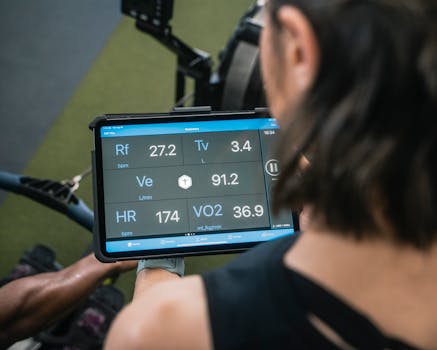
VO2max and heart rate recovery (HRR) are both widely used in endurance training and clinical risk screening, but they answer different questions. VO2max estimates the maximum rate at which your body can consume oxygen during intense exercise. In other words, it reflects the ceiling of aerobic power—how much energy your cardiovascular system and muscles can process at peak effort.
Heart rate recovery, typically measured after exercise stops, reflects how quickly your autonomic nervous system (especially parasympathetic reactivation) can bring heart rate down. HRR is therefore more about the post-exercise control of heart function than about your maximal oxygen use.
Because these metrics come from different physiological systems and time windows (peak effort vs. recovery period), they can move independently. A person can improve VO2max without seeing dramatic HRR changes, or improve HRR through better autonomic regulation even when VO2max changes more slowly.
Quick summary: which metric is strongest overall?
If you want a single measure of aerobic capacity and performance potential, VO2max is usually the stronger overall metric. If your goal is monitoring readiness, recovery quality, and cardiovascular autonomic function, heart rate recovery often provides more immediate, day-to-day sensitivity.
For many athletes, the practical “best overall” approach is not picking one, but using VO2max to understand aerobic ceiling and HRR to track how well the body is coping with training stress.
Side-by-side: VO2max vs heart rate recovery

| Metric | What it measures | Typical test window | Primary systems involved | Common units / outputs | What it predicts | How it changes with training |
| VO2max | Maximum oxygen uptake during intense exercise | During peak or near-peak exertion | Cardiovascular delivery + muscle oxygen utilization | mL/kg/min (often estimated by lab or wearables) | Endurance performance potential; aerobic power | Improves with sustained aerobic training; can plateau |
| Heart rate recovery | Rate of heart rate decline after stopping exercise | Minutes immediately after exercise ends (often 1–2 minutes) | Autonomic balance (parasympathetic reactivation) | bpm drop over a set time (e.g., HRR1 at 1 minute) | Recovery capacity; autonomic and cardiovascular function | May change quickly with training load, sleep, stress, illness |
| Best use | Defining aerobic ceiling and tracking long-term aerobic fitness | Monitoring readiness and the body’s immediate recovery response |
Real-world performance differences: how each metric shows up in training
VO2max tends to reflect “can you go hard?” When VO2max rises, athletes often notice improved ability to sustain higher intensities—better performance at 5K to marathon training zones, improved time-trial performance, and greater efficiency at high workloads.
Heart rate recovery tends to reflect “how well are you bouncing back?” HRR commonly changes in response to training stress, sleep, and overall recovery. After heavy weeks, poor sleep, or illness, HRR may slow—heart rate stays elevated longer after exercise. Conversely, when recovery is strong, HRR often improves even if your VO2max hasn’t shifted yet.
In practice, VO2max is often slower to move and more aligned with longer training blocks (weeks to months). HRR can respond within days, making it useful for interpreting whether a training session was “absorbed” well.
It’s also worth noting measurement differences. VO2max is frequently estimated by wearables using algorithms that combine pace, heart rate, and sometimes other sensor inputs. HRR is often derived from the heart rate drop after a standardized activity—sometimes automatically during a run or cycling session, depending on the device. Two people can therefore see different values not only because of physiology, but also because of test protocol (effort level, warm-up, cooldown, and how consistently the same exercise is repeated).
Pros and cons breakdown
VO2max: strengths and limitations
- Strength—Aerobic ceiling: VO2max is closely tied to maximal aerobic power and is useful for understanding long-term aerobic development.
- Strength—Performance relevance: Higher VO2max often corresponds to better ability to sustain higher intensities, which matters for endurance events.
- Strength—Structured training guidance: VO2max can help frame training intensity zones when paired with lab testing or reliable field estimates.
- Limitation—Slower to change: VO2max usually doesn’t shift dramatically from week to week, so it may miss short-term recovery problems.
- Limitation—Protocol sensitivity: Lab VO2max testing is standardized, but wearable estimates can vary with terrain, pacing strategy, temperature, and sensor accuracy.
- Limitation—Not a direct recovery score: Improvements in VO2max don’t guarantee faster post-exercise autonomic recovery.
Heart rate recovery: strengths and limitations
- Strength—Recovery sensitivity: HRR often changes quickly with fatigue, stress, sleep quality, and illness, making it a useful “right now” signal.
- Strength—Autonomic insight: Because HRR reflects parasympathetic reactivation, it can capture aspects of recovery that VO2max won’t.
- Strength—Practical monitoring: Many athletes can observe HRR trends using consistent workouts without needing a lab test.
- Limitation—Depends on how the test is ended: HRR is influenced by whether you stop abruptly, how long you keep moving, and how hard the final minutes were.
- Limitation—Day-to-day noise: HRR can fluctuate for reasons unrelated to fitness (hydration, caffeine, ambient temperature, anxiety).
- Limitation—Less direct performance ceiling: HRR doesn’t measure maximal oxygen use, so it may not explain improvements in sustained high-intensity performance by itself.
Best use-case recommendations for different buyers
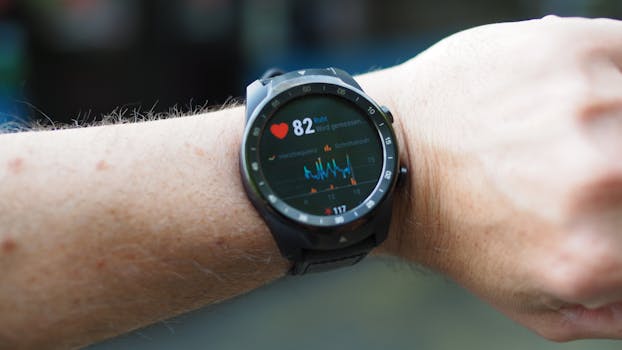
Endurance athletes focused on long-term performance gains typically benefit more from VO2max as a primary fitness anchor. Training blocks built around aerobic development (and sometimes VO2max-targeted intervals) are designed to raise or maintain aerobic capacity. VO2max helps interpret whether those efforts are moving the aerobic ceiling upward over time.
Runners, cyclists, and rowers who want readiness signals often gain more immediate value from HRR trends. If HRR slows after a hard week, it can suggest that the body is not fully recovering—even if pace or perceived effort looks “normal.” This can help athletes adjust training intensity or volume without waiting weeks to see changes in VO2max.
People using wearable metrics should consider the measurement realities. Many devices provide VO2max estimates and also track recovery-related heart rate metrics. When using wearables, consistency matters more than chasing a single number. Repeating similar workouts, similar effort levels, and similar cooldown routines improves interpretability for both VO2max and HRR.
Individuals with clinical or cardiovascular risk screening goals may find HRR particularly meaningful because impaired recovery has been associated with cardiovascular outcomes in research settings. That said, clinical interpretation should always be done in the context of medical history and standardized testing; HRR is not a standalone diagnosis.
Coaches and performance analysts often pair both metrics. VO2max can describe capacity and training direction over months, while HRR can flag when intensity should be reduced or when additional recovery is warranted. Together, they can separate “fitness is improving” from “fatigue is accumulating.”
Relevant products used in the field—such as heart-rate monitoring systems from major wearable brands and training platforms that estimate VO2max—can help track these metrics, but the key variable remains protocol consistency. A VO2max estimate calculated from one workout style may not be comparable to another, and HRR measured after different cooldown patterns can distort trends.
Final verdict: which metric suits different needs
Choose VO2max vs heart rate recovery with the purpose in mind:
- For aerobic capacity and performance potential: VO2max is the clearer winner. It measures the ceiling of oxygen uptake and aligns more directly with endurance capability.
- For recovery quality and autonomic function: heart rate recovery is usually the better choice. HRR gives a near-immediate view of how the body is regulating heart rate after stress.
- For a complete endurance picture: using both is often most informative. VO2max helps you understand whether training is building aerobic power; HRR helps you understand whether you are absorbing that training well.
In short, VO2max tells you what you can do at your highest aerobic demand, while heart rate recovery tells you how effectively your system returns to baseline after effort. Treating them as complementary rather than interchangeable typically leads to the most actionable interpretation for endurance training and cardio fitness monitoring.
08.02.2026. 02:12