

Best Wearable Metrics for Fat Loss: What to Track and Why

Buying a wearable for fat loss: why the metrics matter
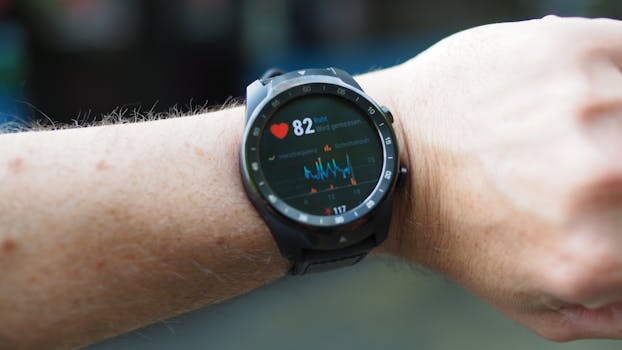
Buying a wearable “for fat loss” sounds simple—until you realize every watch and band claims it can help you burn more, recover better, and track your progress. The problem is that not all metrics are equally useful. Some are great for behavior change, some are nice-to-have, and some can mislead you enough to stall your results.
Your goal is to choose the best wearable metrics for fat loss—the ones that help you make better daily decisions: eat consistently, train in the right way, recover properly, and adjust when your progress slows. The right metrics don’t just report numbers. They guide your actions over weeks and months.
In real life, fat loss usually fails in one of three places: you underestimate calories, you overestimate how hard your workouts “burn,” or you don’t recover well enough to stay consistent. A wearable can help you catch those issues early—if you know what to look for.
Key wearable metrics for fat loss (and what they actually tell you)
1) Step count and activity time (the most reliable daily lever)
Steps are one of the most consistent wearable metrics because they’re directly tied to your movement. Even if calorie estimates are imperfect, steps usually correlate with how much you move overall.
What to look for:
- Step count that updates frequently (hourly is ideal).
- Active minutes or “move” notifications so you don’t sit all day.
- Consistency—you want a trend, not a single day.
Practical target: aim for an average increase of 2,000–4,000 steps per day above your baseline for 3–4 weeks. If you’re currently at 5,000/day, moving to 7,000–9,000/day is often enough to create a meaningful deficit without needing a perfect diet.
Example scenario: You’re training 4 days per week but your job is mostly desk-based. After two weeks, your wearable shows you’re averaging 5,200 steps on training days and 4,900 on rest days. That tells you why the scale isn’t moving. Your next adjustment isn’t buying a new supplement—it’s adding a 20–30 minute walk after meals or during lunch breaks to raise your daily average.
2) Heart rate (HR) and heart-rate zones for training quality
Heart rate is useful because it helps you understand training intensity. Fat loss isn’t only about “more cardio.” It’s about performing enough work to create a deficit while preserving muscle and building sustainable habits.
What to look for:
- Continuous HR tracking with good skin contact (especially during sweaty workouts).
- Heart rate zones (often based on your max HR or a wearable-estimated threshold).
- Workout summaries that show time spent in zones, not just average HR.
Why it matters: If you’re always going “too hard,” you may feel tired, sleep worse, and end up less consistent. If you’re mostly undertraining, you may not create enough total weekly stimulus. HR zones help you find the middle.
Practical target: for many people, 2–3 sessions per week of moderate intensity (often corresponding to a lower-to-mid zone) plus 1–2 strength sessions tends to support fat loss while keeping recovery manageable.
3) Calorie burn estimates (use them as context, not truth)
Wearables estimate calorie burn using HR, movement, and personal settings. These numbers can be directionally helpful, but they’re not lab-grade.
What to look for:
- Resting metabolic rate (RMR) or “estimated calories” that update over time.
- Active calories vs total calories so you know what’s movement-driven.
- Repeatable trends across weeks, not perfect daily accuracy.
How to use it correctly: Treat calorie burn estimates like a dashboard. If your weekly average active calories drops while your weight isn’t changing, you likely moved less. If your active calories rise but your weight increases, your food intake may have increased even more.
A good rule: don’t adjust your diet based on a single workout’s calorie burn. Instead, compare 7-day averages—for example, average daily steps, average active minutes, and average resting HR trend.
4) Sleep duration and sleep stages (recovery affects fat loss)
Sleep isn’t just about feeling good. Poor sleep increases hunger, reduces training quality, and can make you more likely to overeat. Wearables often estimate sleep duration and stages using motion and HR signals.
What to look for:
- Total sleep time with clear start/end times.
- Sleep consistency (variation matters).
- Sleep stages if the device provides them—use them as trend indicators, not exact physiology.
Practical target: aim for 7–9 hours in bed on most nights. If your wearable consistently shows 5–6 hours, your fat loss plan will usually feel harder.
Example scenario: You increase workouts and steps, but your scale stalls. Your wearable shows you’re getting 6 hours of sleep with frequent late-night awakenings. After you shift your bedtime by 45 minutes for two weeks, your hunger feels more manageable and your training sessions feel smoother—often leading to renewed progress without changing your diet drastically.
5) HRV (heart rate variability) and readiness signals
HRV is commonly used to estimate how ready your body is to handle training and stress. It’s influenced by recovery, illness, caffeine, alcohol, and even travel.
What to look for:
- Resting HRV measured at consistent times (many devices do this overnight or on-demand).
- Trends over 2–4 weeks.
- Clear “readiness” explanations if the device uses them.
How to interpret it simply: If your HRV trend drops for several days while your sleep is worse, you may need a lighter week. If HRV is stable or improving, you can keep training intensity where it is.
Important note: HRV is personal. A “low” HRV for you might still be normal. Your wearable should be used for relative change, not universal thresholds.
6) Resting heart rate (RHR) as a recovery and stress indicator
Resting heart rate is often easier to track reliably than HRV. When you’re under-recovered, RHR can drift upward. When you’re adapting well, it may stabilize or trend down.
What to look for:
- Daily or overnight RHR with a visible trend line.
- Consistency in when it measures (overnight tends to be stable).
Practical target: watch for a sustained increase of about 3–8 bpm above your baseline for several days, especially alongside worse sleep or higher training volume. Then consider a deload, extra walking, or earlier bedtime.
7) Body composition estimates (and why you should be careful)
Some wearables and smart scales estimate body fat percentage using bioelectrical impedance (BIA) or algorithms. Some watches try to estimate body composition using sensor data, but accuracy varies widely.
What to look for:
- Clear measurement method (BIA vs algorithm).
- Consistency of conditions (hydration, time of day, food intake).
- Trend over months, not day-to-day fluctuations.
Best practice: if you use body fat estimates, track them 1–3 times per week under similar conditions. Pair them with waist measurements or progress photos for confirmation.
Simple measurement add-on: take a waist circumference measurement at the same spot (usually around the navel) once per week. It’s often more actionable than a single body fat percentage number.
8) Skin temperature and cycle tracking (useful context, not fat loss math)
Some wearables provide skin temperature trends and, for many users, menstrual cycle tracking. These can explain short-term changes in weight and training tolerance.
Why it helps fat loss: If your weight fluctuates due to water retention around your cycle, you’ll stop making wrong decisions (like cutting calories too aggressively). The wearable gives you context for normal variability.
Important features to prioritize when shopping
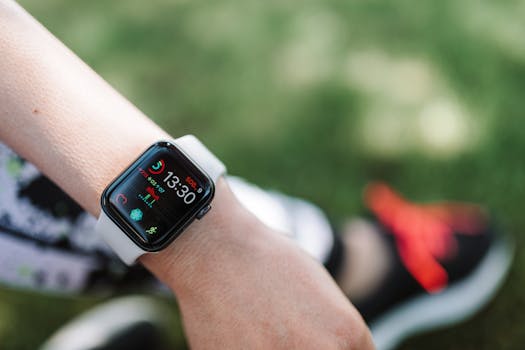
Accuracy you can actually use
Wearables are good at tracking patterns. Your buying decision should focus on whether the device gives you consistent data for:
- Steps and active minutes
- Heart rate trends during workouts
- Sleep duration consistency
- Resting HR and HRV trends
If the wearable frequently loses signal during workouts or shows wildly inconsistent sleep times, it becomes harder to trust the trends—even if the specs look impressive.
Good sensor contact and workout support
If you sweat a lot, you need a band or watch that stays in place. Look for:
- Comfortable strap design and stable fit
- Strong HR tracking during movement (running, cycling, HIIT)
- Support for the workouts you actually do (strength, treadmill, outdoor activities)
For strength training, HR can be noisy. A device that shows workout segments and provides a reasonable HR average is usually enough. Don’t expect perfect HR-zone accuracy during heavy lifts; instead, focus on time spent in moderate ranges across the session.
Battery life and data access
Short battery life leads to missed wear days, which ruins trends. For fat loss tracking, you want at least:
- 3–7 days of battery life for most bands
- Reliable syncing to your phone app
- Clear dashboards for steps, sleep, and recovery metrics
If you’re charging daily, you’ll forget wear time. That’s a hidden reason plans stall—your data becomes incomplete.
Goal and habit features that reinforce fat loss behaviors
Metrics are only useful if they push you toward action. Look for features like:
- Daily step or activity goals
- Move reminders (especially if you sit)
- Sleep targets and bedtime suggestions
- Workout guidance or HR zone alerts
Even simple “you’ve hit your target” notifications can help. Fat loss is mostly repetition.
Privacy and data control
If you’re using cycle tracking, sleep, and HRV, you’re generating sensitive health data. Check whether the app gives you:
- Clear privacy settings
- Export options for your data
- Control over what’s shared and with whom
This matters if you plan to use the data long-term or share it with a coach or clinician.
What you should prioritize for best results (a buyer-focused approach)
When you’re choosing the best wearable metrics for fat loss, prioritize in this order:
- Steps + active minutes (daily deficit support and habit building)
- Sleep duration + consistency (recovery and hunger regulation)
- Heart rate trends + HR zones (training quality and managing intensity)
- Resting HR + HRV trends (adjusting recovery week-to-week)
- Body composition estimates (optional, used for trend confirmation)
Then choose the wearable that measures those signals reliably for you. A device with “fancy” metrics won’t help if steps are inaccurate or HR tracking drops during workouts.
Don’t overcomplicate this. If you’re new to tracking, start with just three metrics for the first 2–3 weeks: daily steps, sleep time, and weekly average weight or waist. Once you’re consistent, add HRV and training zones to fine-tune.
Common purchasing mistakes and misunderstandings
Thinking “calories burned” will replace nutrition tracking
Many people buy a wearable and assume the calorie burn number is enough to manage their diet. It rarely is. Food intake is where most accuracy lives. Your wearable is a guide for movement and recovery—not a perfect calorie accountant.
Overreacting to day-to-day weight changes
Weight fluctuates because of water, salt, carbs, stress, and cycle-related changes. A good wearable won’t stop fluctuations, but it can help you interpret them with sleep and HR/stress context.
Use weekly averages and waist measurements. If your steps and sleep are improving, your trend usually follows—even if the scale looks stubborn for a few days.
Ignoring signal quality during workouts
If your HR readings are inconsistent, your HR zones and training intensity guidance lose value. Before committing, test the device for:
- At least one run or interval session
- One strength session
- One day with heavy sweating
If HR tracking regularly drops, you’ll spend weeks second-guessing the data.
Buying a device that can’t last through your week
It’s easy to underestimate battery needs. If the wearable dies midweek, you’ll miss sleep and recovery data—the signals that help you stay consistent and avoid burnout.
Chasing body fat percentage from one measurement
Body fat estimates can swing due to hydration and measurement timing. If you see a sudden change, don’t panic. Focus on monthly direction and pair it with waist circumference for a clearer story.
Practical buying checklist: decide in 15 minutes
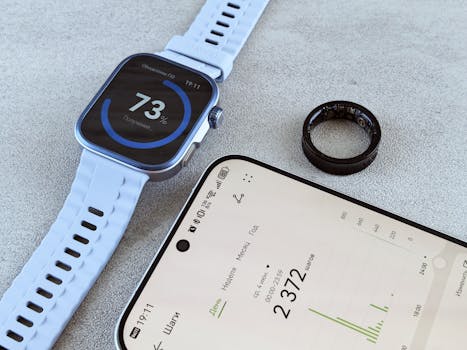
Use this decision framework before you buy. It’s designed to help you choose the best wearable metrics for fat loss without getting lost in marketing.
Step 1: Match the metrics to your biggest fat loss bottleneck
- If you sit too much: prioritize steps, active minutes, and move reminders.
- If you struggle with consistency: prioritize sleep tracking and battery life.
- If you train hard but feel wrecked: prioritize resting HR and HRV trends.
- If you want better training structure: prioritize HR zones and workout summaries.
Step 2: Check the “trend reliability” signals
- Does the app show weekly trends for steps, sleep, RHR, and HRV?
- Can you easily review the last 14–30 days?
- Does it provide clear measurement times for sleep and resting metrics?
Step 3: Confirm workout usability
- Will you wear it during the workouts you do most?
- Does it support your main activities (strength, cardio, walking, cycling)?
- Is there a way to view HR zones or intensity breakdown after training?
Step 4: Look for battery and comfort reality
- Battery life: can you wear it continuously for at least 3–5 days without charging?
- Comfort: will you keep it on during sleep and daily wear?
- Strap fit: does it stay put during sweat and movement?
Step 5: Decide if you need body composition estimates
If you want body fat tracking, consider adding a dedicated scale or using consistent measurements. Some people prefer using a smart scale alongside a wearable because it gives more repeatable readings when used under the same conditions.
Either way, your wearable should still win on steps, sleep, and recovery metrics. Body composition is optional.
Step 6: Start with a 14-day setup plan
Before you judge accuracy, give yourself time to establish a baseline:
- Wear it continuously for 14 days.
- Track your average steps and sleep duration.
- Look at resting HR and HRV trends (not single days).
- Keep training and nutrition consistent during this baseline period.
After two weeks, you’ll know whether the wearable’s metrics are stable enough to guide decisions.
Final guidance: how to use metrics to actually lose fat
The best wearable metrics for fat loss are the ones that help you stay consistent and adjust smartly. If you’re buying today, don’t overpay for features you won’t use. Focus on measurement reliability for:
- Steps and active minutes to build your daily deficit
- Sleep duration and consistency to protect recovery and appetite
- Heart rate trends to train with better intensity control
- Resting HR and HRV trends to manage stress and avoid burnout
If you want a practical path, try this for the next month:
- Increase your average steps by 2,000–4,000/day from your baseline.
- Hit 7–9 hours of sleep at least 5 nights per week.
- Use HR zones to keep 2 cardio sessions moderate and avoid “all-out” intensity every time.
- Use resting HR/HRV trends to decide when to lighten training.
- Track progress with weekly weight averages and a weekly waist measurement.
For many buyers, a solid fitness-focused wearable from a well-known brand line is enough—especially if it measures steps, sleep, and recovery clearly. If you’re already deep into strength training and want more detailed workout insights, choose a device with strong HR-zone support and a workout history you can review easily.
Your wearable should make fat loss simpler, not more complicated. When the metrics are reliable and you use them to guide behavior, your progress becomes predictable. That’s the real win.
09.04.2026. 20:30