

Protein for Body Composition: How Much You Need

Protein plays a central role in body composition because it supports muscle protein synthesis, helps preserve lean mass during fat loss, and contributes to satiety. The key question is not only whether you should eat more protein, but how much protein for body composition is appropriate for your body and goals.
How much protein per day is recommended for body composition?

A common evidence-based target is 1.6 to 2.2 grams of protein per kilogram of body weight per day for improving body composition. This range is often used for people aiming to lose fat while maintaining or building muscle. If you are very lean, older, or training consistently, you may benefit from the higher end.
If you prefer pounds, that range is approximately 0.73 to 1.0 grams per pound of body weight per day.
Should protein intake be based on body weight or lean body mass?
For most people, using total body weight is a practical and effective starting point. Lean body mass–based targets can be helpful in specific cases, such as when someone has a very high body fat percentage and wants a more tailored number. However, total body weight–based targets are easier to apply and still align with many research-based recommendations.
If you want a lean-mass approach, a typical method is to estimate lean body mass and then apply a similar protein range, but you should do this carefully to avoid under- or over-shooting.
What protein grams per day target works best for fat loss?

During fat loss, a widely used target is 1.6 to 2.2 g/kg/day. Higher protein can help you maintain lean mass and support hunger regulation. If your calorie deficit is aggressive or your training volume is high, leaning toward the upper end of the range is often more useful.
How much protein do I need if I’m trying to gain muscle?
For muscle gain, many people do well with 1.6 to 2.2 g/kg/day as well, especially when paired with progressive resistance training. If your training is consistent and calories support growth, this range helps ensure amino acids are available for muscle protein synthesis.
Some individuals may do slightly lower than 1.6 g/kg, but 1.6 g/kg is a solid “minimum effective” starting point for many lifters focused on body composition.
How many protein servings per day should I eat?
Rather than one large dose, many people benefit from 3 to 5 protein-containing meals spread across the day. This approach helps you reach a sufficient total daily intake and supports more consistent muscle protein synthesis stimulation.
For many adults, about 25 to 40 grams of protein per meal is a common practical range, though needs can vary based on body size and protein quality.
How much protein per meal is best for muscle building?
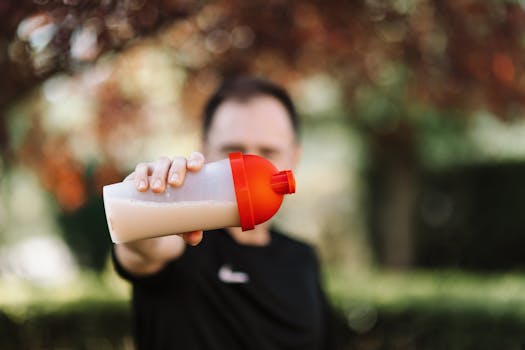
A frequently cited target is 0.3 to 0.4 g/kg per meal of high-quality protein. For example, a 70 kg person might aim for roughly 21 to 28 grams per meal, while a larger individual may need more. If you struggle to hit totals, increasing meal frequency or slightly raising per-meal portions can help.
Older adults and people with higher training demands sometimes do better when they distribute protein across more meals and include a protein source at each one.
Does timing protein matter for body composition?
Timing is helpful, but it’s not the only factor. The most important driver is your daily total. That said, placing a protein-rich meal or snack within a few hours of training can support recovery and meet amino acid needs.
If you train, many people aim for 20 to 40 grams of protein in the pre- or post-workout window, depending on their schedule and total intake for the day.
How much protein should older adults aim for?
As people age, muscle protein synthesis can become less responsive, so protein needs often rise. A common target is 1.6 to 2.2 g/kg/day, with attention to adequate distribution across meals. Many older adults also benefit from ensuring each meal includes a high-quality protein source.
In some cases, reaching closer to the higher end of the range is more effective for preserving muscle during calorie deficits.
What if I weigh more but want a leaner protein target?
If you weigh significantly more and prefer not to calculate from total body weight, you can consider a leaner approach by using a lower bound of the range or basing calculations on a reasonable estimate of lean mass. Still, be cautious: too low a target can reduce the ability to preserve lean mass during fat loss.
A practical compromise is starting at 1.6 g/kg of total body weight and adjusting based on progress, training performance, and whether you maintain strength during a deficit.
How do I calculate my daily protein goal step by step?
Use one of these simple methods:
- Metric: Multiply your body weight in kilograms by 1.6 to 2.2 to get grams of protein per day.
- Imperial: Multiply your body weight in pounds by 0.73 to 1.0 to get grams of protein per day.
Then distribute it across meals. If you’re using a food tracking app, confirm you’re consistently within your target range, not just on training days.
Are there health or kidney concerns with higher protein intake?
For most healthy adults, higher protein intake within recommended ranges is generally considered safe. If you have kidney disease or a history of reduced kidney function, you should consult a clinician for a personalized protein target.
Also consider overall dietary quality: adequate hydration, sufficient fiber from plants, and limiting highly processed foods can support better outcomes during fat loss.
Which protein sources help reach your target easily?
Any protein source that provides essential amino acids can contribute to your daily total. Common options include poultry, fish, lean meats, eggs, dairy (like Greek yogurt or milk), tofu and tempeh, beans and lentils (often paired with other proteins), and whey or other protein powders if they help you meet your intake.
If you’re short on protein from meals, a measured protein supplement like whey protein or a plant-based protein powder can be a practical way to fill gaps—useful for hitting your daily grams without changing your entire diet.
What happens if I don’t reach my protein goal?
If your protein intake is consistently below your target, you may find it harder to preserve muscle during a calorie deficit, and your hunger may feel more intense. Strength and training performance can also be affected if you’re under-fueled.
You don’t need perfection, but aim for consistency. If you’re missing your target, focus on adding protein to the meals you already eat—such as adding a serving of Greek yogurt, eggs, lean meat, tofu, or a protein shake—rather than trying to overhaul everything at once.
Can I use protein powders to support body composition goals?
Protein powders can support body composition when they help you reach your daily intake. They are not required, but they can be convenient. When using them, treat them as a supplement to food protein, not a replacement for overall nutrition.
Look for products that provide a clear protein amount per serving, and consider your dietary preferences. For example, whey protein may be convenient for many people, while plant-based options can fit vegetarian or dairy-free routines.
How much protein is “too much” for body composition?

There is no single universal upper limit that applies to everyone, but for most people aiming for fat loss or muscle gain, staying within 1.6 to 2.2 g/kg/day is a reasonable evidence-based range. Consistently going far above that may displace carbohydrates and fats needed for training, overall calorie control, and dietary sustainability.
If you’re hitting your protein target and still not seeing results, it’s often more useful to review total calories, training quality, and sleep than to keep increasing protein indefinitely.
Summary: What protein amount should you aim for?
For most people focused on body composition, a strong starting point is 1.6 to 2.2 g/kg per day (or 0.73 to 1.0 g/lb). Spread your intake across 3 to 5 meals, aiming for roughly 25 to 40 grams per meal as a practical guide. Adjust within the range based on your goal, age, training demands, and how well you maintain strength during a calorie deficit.
20.05.2026. 10:52