

Wearable Training Load: How It Works and Why It Matters

Wearable training load: the idea behind the number
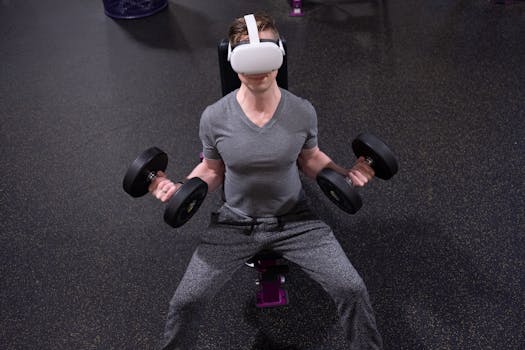
“Training load” is a way to quantify how much stress a workout places on your body. The purpose isn’t to replace coaching or physiology; it’s to summarize complex signals—pace, power, heart rate, movement patterns—into metrics you can review over time. Most wearables estimate training load using a blend of sensor data and models that translate effort into a comparable “load” score.
Because the body responds to intensity, duration, and recovery status, a single workout rarely tells the full story. Training load metrics aim to answer a practical question: Are you accumulating too much stress for your current recovery capacity? When used correctly, these numbers can support smarter periodization, help detect overload, and guide adjustments when life or fitness changes.
What a wearable means by “load”
In sports science, load generally refers to the training stimulus delivered to the body. Wearables typically express it as an index derived from two components:
- Intensity: how hard the session is at a given moment
- Volume: how long the intensity lasts
However, wearables usually do not measure “physiological load” directly. Instead, they estimate it from proxies:
- Heart rate (from optical sensors or chest straps)
- Power (from cycling power meters)
- Speed/acceleration (from GPS and accelerometers)
- Movement economy cues (how your body moves under effort)
The key is that the model weights these signals to approximate how much strain accumulates. Two workouts with the same duration can produce different load scores if intensity differs, and two workouts with similar pace can produce different scores if heart rate or power indicates a different internal stress level.
The sensors behind training load metrics
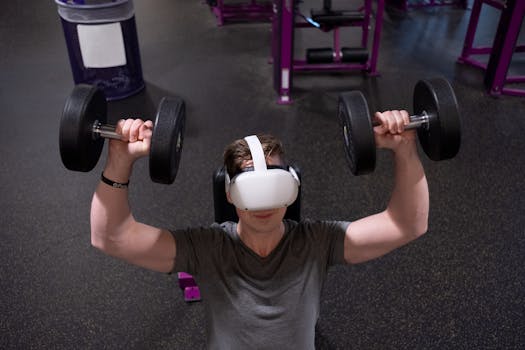
Training load systems depend on data quality. Most devices rely on a combination of sensors, each with strengths and limitations.
Heart rate: the most common internal intensity signal
Heart rate is widely used because it reflects cardiovascular strain and is sensitive to both effort and fatigue. Optical wrist sensors can be very good for many athletes, but they may lag or drift during high-impact activities, cold weather, or motion artifacts. Chest straps usually provide cleaner beat-to-beat data.
Wearables often use heart rate in two ways:
- Relative intensity: how close you are to your personal thresholds or maximum
- Time at intensity: how long your heart spends in harder zones
Power and pace: external effort proxies
Power meters (cycling, some rowing, some connected training setups) provide a direct measure of mechanical output. Running and other sports often rely on pace from GPS plus accelerometer patterns. External metrics correlate with energy expenditure, but they don’t always capture physiological stress—especially when conditions change (heat, altitude, hydration, fatigue).
As a result, many training load models use external effort to estimate intensity and then adjust using heart rate when available.
Movement and biomechanics cues
Accelerometers and gyroscopes help interpret how much you’re moving and how that movement changes with fatigue. For example, an athlete running at the same pace with a higher perceived strain may show different motion characteristics—though these signals are more indirect than heart rate or power.
From raw data to a load score: the modeling step
Once the wearable has sensor data, it applies a model to translate it into a load metric. The details vary by brand and software version, but the underlying logic is similar across systems.
Step 1: Estimate intensity over time
Most models compute a time-varying intensity estimate. For heart-rate-based approaches, this may involve mapping current heart rate to a personal scale (often using your recent maximum or thresholds). For power/pace-based approaches, intensity may be derived from how far you are above your typical output.
A common structure is to create an “intensity factor” that changes second-by-second. Harder intervals increase this factor; easy intervals reduce it.
Step 2: Weight intensity to reflect biological stress
Not all intensity contributes equally. Physiologically, higher intensities tend to drive disproportionately larger adaptations and greater recovery demands. Many load models therefore use nonlinear weighting—meaning a small increase in intensity can raise load more than linearly.
This is one reason training load can be more informative than duration alone. A short high-intensity session can produce a load comparable to a longer easy session.
Step 3: Accumulate load across the session
After weighting, the model sums the intensity-weighted stress over time. In practice, the wearable may integrate intensity across the workout to produce a single session load score.
If you stop early, the total load decreases accordingly. If you extend the workout at moderate intensity, the load increases even if the start was similar to another session.
Step 4: Apply recovery decay to estimate readiness
Training load is rarely considered in isolation. Wearables often convert session load into a rolling value that decays over days, reflecting recovery. The decay time constant differs by model, but the intent is consistent: recent sessions matter more than older ones.
This is where the concept of “chronic” and “acute” load can appear. Acute load represents short-term stress, while chronic load represents longer-term training history. Some systems also compute a ratio to estimate risk of overload.
Common load metrics you’ll see on wearables
Different ecosystems label their outputs differently, but the underlying categories are similar. Understanding what each metric tries to represent helps you interpret trends correctly.
Session load
This is the total stress estimated for one workout. It’s useful for comparing sessions to each other, especially within the same sport and device setup.
Rolling load (short-term and long-term)
Rolling metrics smooth the session loads across time using decay functions. Short-term rolling load indicates recent stress; long-term rolling load indicates your maintained training base.
Load balance or strain ratios
Some wearables compute relationships between short-term and long-term load. These can be used to infer whether you’re ramping up too quickly or maintaining a stable training rhythm.
Importantly, these ratios are not direct injury predictors. They are risk management heuristics that can be affected by sleep, illness, travel, and changes in training type.
Why training load can differ from how you feel
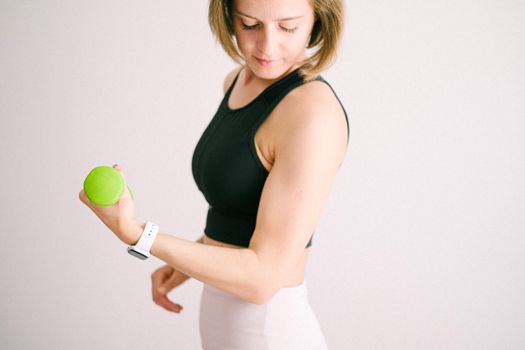
Wearable load is an estimate, not a direct measurement of tissue stress. Several factors can create mismatches between the score and your subjective experience.
Sensor quality and context
Heart rate variability and optical sensor accuracy can shift due to sweat, skin tone, fit, temperature, or arm movement. GPS drift can alter pace-based intensity. If sensor data is noisy, the load model may over- or under-estimate intensity.
External conditions that change physiology
Heat, humidity, altitude, wind, and terrain can increase heart rate for the same pace or power. In those cases, a load score may rise even if your legs feel “the same.” Conversely, a cool day might reduce heart rate and lower load despite similar external effort.
Recovery state and non-training stress
Stress from poor sleep, work demands, or illness can reduce your ability to recover. Some models incorporate recovery signals indirectly through heart rate behavior, but they can’t fully account for everything. That’s why load should be interpreted alongside wellness markers (sleep, soreness, resting heart rate trends).
How to use wearable training load without chasing numbers
Wearable training load is most useful when it informs decisions, not when it becomes the decision itself. A practical approach is to focus on trends, consistency, and how your body responds.
Look for patterns over weeks
One workout’s load score is less meaningful than how your rolling load changes. Sudden jumps can be a sign you’re stacking stress faster than your recovery can absorb it.
Try to evaluate load alongside performance changes: pace or power trends, perceived exertion, and recovery time needed between sessions.
Use the metric to adjust training structure
Instead of reducing training randomly when load is “high,” consider targeted modifications:
- Reduce intensity by replacing hard intervals with steady work
- Reduce volume by shortening the session duration
- Shift session type toward technique-focused or low-impact sessions
This keeps training purposeful while respecting the load your model indicates.
Respect sport-specific differences
Training load models may behave differently across sports. Running, cycling, rowing, and strength training involve different muscular demands and movement patterns. A load score from one sport may not translate cleanly to another, even if the device labels them similarly.
When possible, interpret load within the same sport context and be cautious when comparing across modalities.
Confirm with recovery signals
Use additional evidence to validate what the wearable suggests. Useful checks include:
- Resting heart rate trends
- Sleep duration and sleep quality
- Perceived soreness and joint discomfort
- Changes in training performance at the same perceived effort
If load is rising and recovery signals worsen simultaneously, it’s a strong cue to downshift.
Practical scenarios: interpreting load in real training
Concrete examples help translate how wearable training load how it works into decisions.
Scenario 1: High load after a short interval workout
A session with repeated hard intervals can produce a large load score because intensity is high for meaningful chunks of time. If your rolling short-term load is already elevated, the model may indicate you’re accumulating stress quickly. The practical response is to reduce subsequent intensity or add an easier day rather than simply cutting the next workout entirely.
Scenario 2: Moderate pace but very high load in heat
In hot conditions, heart rate often rises even when pace stays constant. A load model that weights heart rate will reflect this increased internal strain. If you feel unusually fatigued, treat the load score as a warning that your “effective intensity” is higher than it appears externally.
Scenario 3: Load looks low, but you feel run down
This can happen when sensors under-capture intensity (poor heart rate signal, atypical technique, or a training session not well represented by the wearable’s model). If wellness markers are poor and performance has dropped, don’t rely solely on load. Adjust based on how your body is responding.
Limitations and prevention guidance
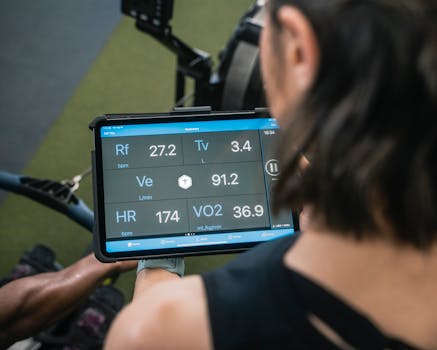
Training load metrics are helpful, but they have real limitations. Over-reliance can lead to unnecessary restriction or, conversely, to ignoring warning signs because the numbers look “fine.”
Know what the metric cannot measure
Most wearables do not directly quantify muscle damage, tendon stress, or cumulative mechanical load from technique changes. Two athletes can have the same load score but different injury risk due to biomechanics, prior history, and strength balance.
Avoid abrupt changes based on a single day
Use load as a trend tool. If you need to modify training, do it gradually and with intent. Recovery is not instantaneous, and your model’s decay assumptions may not match your individual physiology exactly.
Use load to guide safer progression
Practical prevention guidance is to pair load metrics with sensible progression:
- Build training gradually across weeks
- Include planned easier days or deload periods
- Prioritize sleep, hydration, and nutrition consistency
- Address recurring niggles early with appropriate rest or technique adjustments
If pain is sharp, worsening, or localized, treat it as a medical concern rather than a training load interpretation problem.
Key takeaways: interpreting wearable training load correctly
- Wearable training load how it works by estimating intensity over time from sensors like heart rate, power, pace, and movement data.
- The model weights intensity nonlinearly, accumulates it across the workout, and often applies a recovery decay across days.
- Load scores are estimates of training stress, not direct measurements of tissue damage or injury risk.
- Use trends over weeks, interpret within sport context, and validate with recovery signals.
- Adjust training structure (intensity, volume, session type) when load rises faster than your recovery supports.
When you treat training load as a decision-support tool—grounded in physiology rather than treated as a score to “win”—it can improve consistency and reduce the guesswork in performance planning.
30.03.2026. 06:46