

Wearable VO2max False Plateaus: Why They Happen and What to Do

Why wearable VO2max can look “stuck” when fitness is improving
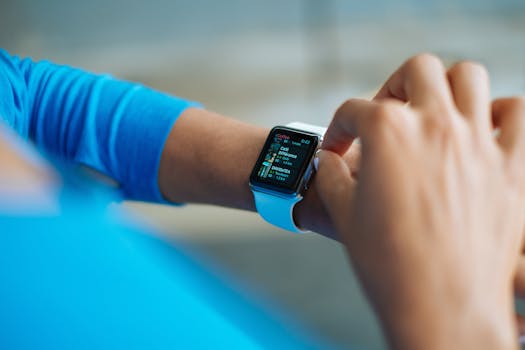
VO2max is one of the most discussed indicators of aerobic fitness, and many wearables now estimate it from heart-rate patterns, pace, power, and activity context. The convenience is real: you can see an evolving number without lab testing. But the same convenience can create confusion when your wearable shows a “plateau”—a period where the estimated VO2max stops increasing even though you feel fitter, run faster, or recover better.
These stalls are often called wearable VO2max false plateaus. They don’t necessarily mean your cardiovascular system is unchanged. Instead, the estimate may be limited by measurement assumptions, insufficient training signal, changes in form or effort distribution, or simply the statistical behavior of the wearable’s algorithm.
This article explains the most common reasons VO2max estimates stall, how to tell a true plateau from a data artifact, and what practical steps help you get clearer feedback from your device.
How wearable VO2max estimates work (and why that matters)
Most consumer wearables do not measure VO2max directly. They use models that infer aerobic capacity from field data—often during steady efforts—then translate it into an estimated VO2max value. These models typically rely on relationships between:
- Heart rate response at a given workload
- Work rate or pace consistency during aerobic segments
- Effort and recovery context, including how the activity is distributed
- Assumptions about running economy or cycling efficiency
Because the estimate is derived, it can be sensitive to the quality and type of your data. A wearable may need enough “clean” aerobic intervals, stable pacing, and an appropriate heart-rate range to update the estimate. If your training changes—or if your device’s heart-rate tracking is temporarily biased—the estimate can appear to flatten.
Two key implications follow:
- A plateau in the number does not automatically equal a plateau in physiology.
- Sometimes the estimate improves only when your training produces a data pattern the algorithm recognizes.
Common causes of wearable VO2max false plateaus
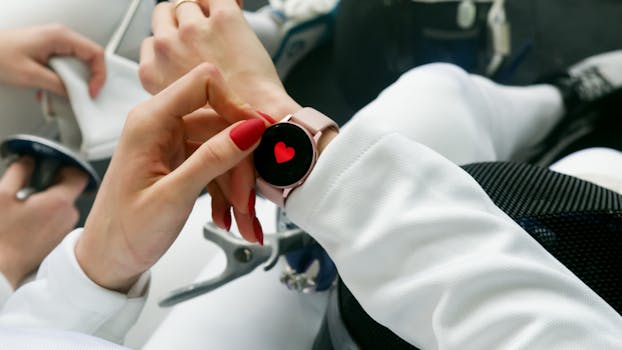
1) Heart-rate tracking bias from motion, fit, or skin conditions
Wearable VO2max models are heart-rate dependent. If your heart rate is underestimated during steady segments or overestimated during transitions, the algorithm can “lock” into a stable estimate. Common reasons include a loose strap, poor sensor contact, sweat or lotion interference, or too much arm movement for wrist-based sensors.
Practical signs include sudden heart-rate jumps that don’t match your perceived exertion, or heart rate that drifts upward during a constant effort. Even if the workout looks fine to you, the device may interpret it differently.
Note: Many athletes see better consistency using chest straps or validated heart-rate peripherals, particularly during higher-motion sessions. If you use a wrist sensor and notice irregular heart-rate traces, that alone can create false plateaus.
2) Not enough qualifying aerobic “signal” for the algorithm
VO2max estimators often update most reliably after workouts that contain sustained aerobic work with stable mechanics—think steady tempo, controlled intervals, or longer aerobic runs. If your training during the last few weeks is mostly:
- Short sprints with long rests
- Highly variable pace with frequent accelerations
- Mostly easy jogging where heart rate stays too low to inform the model
then the wearable may have fewer opportunities to refine the estimate. In that scenario, your fitness could be improving, but the device doesn’t receive the kind of data it needs to update the VO2max estimate.
3) Training load changes that alter efficiency without immediate VO2max translation
VO2max reflects maximal oxygen uptake, but your wearable estimate may respond to changes in how efficiently you use oxygen at a given heart rate. If you improve running economy through technique work, strength training, footwear changes, or weight loss, you might feel better and perform more effectively. Yet the wearable’s VO2max number may not move quickly because the model is still building its baseline or waiting for repeated aerobic conditions.
Similarly, if you shift from running to cycling (or vice versa) or change cadence and pacing strategy, the relationship between heart rate and workload may temporarily differ, slowing estimate updates.
4) Recovery status and day-to-day variability
Even with consistent training, day-to-day factors can influence heart-rate response: sleep quality, stress, heat, hydration, and muscle soreness. If your workouts alternate between “good” and “flat” days, the wearable may average the signals in a way that produces a plateau.
For example, you might be training hard enough to improve fitness, but if several key aerobic sessions are performed while fatigued, your heart rate could run higher for the same pace. The wearable may interpret this as no net improvement.
5) Algorithm smoothing, confidence thresholds, and limited updates
Wearables often smooth VO2max estimates over time to avoid constant fluctuations. They may also require a minimum amount of data or a certain distribution of heart-rate values before updating.
So even if your true physiological VO2max is rising, the displayed estimate can lag behind. A plateau can simply be a period where the algorithm’s confidence threshold isn’t met or where the model’s smoothing window keeps the number stable.
Is it a true plateau or a false plateau? Practical ways to tell
You can’t verify VO2max at home, but you can check whether your performance and physiological markers behave like a plateau. Use the wearable as one signal, not the only verdict.
Look for performance evidence that contradicts the number
If your pace at the same perceived effort improves, or if you sustain a slightly higher intensity with similar heart-rate response, that’s often inconsistent with a true VO2max plateau. Common examples include:
- Tempo runs feel more controlled at the same pace
- Intervals that previously pushed you to higher heart rates now hold steadier
- You can complete the same session with less “cardiac strain”
Check trends in heart-rate efficiency during steady efforts
Even without lab testing, you can look at how heart rate behaves during steady segments. If your heart rate is gradually lower for the same pace (or the pace is higher for the same heart rate), that often indicates improved aerobic efficiency—something the wearable should eventually reflect, even if delayed.
If heart rate curves are unchanged across weeks, you may indeed be at a training plateau or under-recovered.
Assess whether your workouts match the conditions that trigger updates
Review the types of workouts you did during the plateau window. If most sessions were too short, too variable, or too easy for the device’s VO2max model, the plateau is more likely a false plateau. Conversely, if you repeatedly performed steady aerobic work in comparable conditions and the estimate still doesn’t move, you should consider that your training stimulus may be insufficient.
How to prevent wearable VO2max false plateaus
Prevention is mostly about improving the quality of the data you provide and ensuring your training includes the aerobic stimulus that VO2max models respond to.
Use consistent heart-rate measurement practices
Choose one approach and standardize it:
- Ensure the sensor fits properly and maintains skin contact.
- Warm up thoroughly before intervals or tempo work.
- Avoid running with a strap that shifts during movement.
- If you use a wrist sensor and see erratic readings, consider a chest strap for key sessions (especially when you want reliable trend tracking).
Many popular wearable ecosystems—such as Garmin with compatible HRM devices, Apple Watch workflows with external sensors, and Polar-style chest straps paired to cycling computers—can improve heart-rate signal quality, which in turn improves VO2max estimate stability and responsiveness.
Include at least one “VO2max-relevant” workout pattern weekly
Without turning your training into a single-purpose routine, most athletes benefit from one session that provides strong aerobic stimulus. Examples of patterns that tend to generate qualifying data include:
- Tempo intervals with controlled effort (e.g., repeated blocks that are hard but sustainable)
- Steady-state aerobic work where pace is managed and heart rate climbs gradually
- Cycling efforts with stable power output for meaningful durations
The goal isn’t to chase the number; it’s to provide the wearable with consistent physiological input. When you do this regularly, the algorithm has more opportunities to update.
Keep session structure consistent while you evaluate the trend
If your plateau period includes major changes—new shoes, new cadence targets, a different course with hills, or a switch between running and cycling—it may be harder for the wearable to interpret your data. Consistency helps you isolate whether the estimate is lagging or whether your training is truly not moving the needle.
You can still change things, but if you want clearer interpretation, keep at least some sessions comparable for 2–4 weeks.
Don’t ignore recovery and heat/hydration variables
VO2max estimates are influenced by heart-rate response, which is sensitive to hydration, ambient temperature, and stress. If you train in hot conditions without adjusting effort, your heart rate may rise for the same pace. Similarly, poor sleep can elevate resting heart rate and alter cardiovascular response.
During a suspected plateau, consider:
- Scheduling your key aerobic session at a similar time of day
- Tracking sleep and perceived stress
- Ensuring hydration is consistent
- Reducing intensity if you’re clearly overreached
When to adjust training vs. when to adjust expectations
It’s useful to separate “training that’s not working” from “data that’s not updating.” Here’s a practical decision framework.
More likely a false plateau if...
- Your pace improves at similar heart rates
- Intervals feel more controlled or require less effort to hit the same perceived intensity
- You recently changed your sensor setup, strap position, or activity type
- Your training during the plateau window was mostly too short or too variable
More likely a true plateau if...
- Your steady efforts show no improvement in pace-heart-rate relationship
- Heart rate and perceived exertion remain consistently high for the same workouts
- You’ve had adequate training stimulus and recovery, yet performance is flat
- You have repeated stable aerobic workouts and the wearable estimate remains unchanged over multiple weeks
In the second case, consider adjusting training structure: add aerobic volume, refine intensity distribution, or address recovery. If you’re unsure, a coach or sports physiologist can help interpret training response without relying solely on the wearable number.
Interpreting VO2max trends over weeks, not days
VO2max estimates are inherently noisy. Day-to-day changes can be driven by hydration, sensor contact, terrain, and even wind. A single workout rarely provides the full picture. Instead, look at:
- Direction of change across 3–6 weeks
- Whether the estimate responds after you complete consistent aerobic sessions
- Whether the estimate aligns with performance trends
If the number is flat but your performance is rising, treat it as an artifact. If both performance and the estimate are flat, treat it as a training signal.
Summary: how to handle wearable VO2max false plateaus
Wearable VO2max false plateaus happen when the estimate doesn’t update—or updates are smoothed—despite real fitness changes. The most common drivers are heart-rate tracking bias, insufficient qualifying aerobic data, changes in training context or efficiency, recovery variability, and algorithm thresholds.
To prevent misleading stalls, prioritize consistent heart-rate measurement, include at least one structured aerobic session weekly, and standardize conditions when you evaluate trends. Most importantly, interpret the VO2max estimate alongside performance and heart-rate efficiency rather than treating the number as a direct measurement of physiology.
When you do that, a plateau becomes less of a mystery and more of a useful prompt: either improve the data quality and training context, or reassess whether your aerobic stimulus and recovery are truly aligned.
FAQ
Can a wearable VO2max plateau happen even if my fitness is improving?
Yes. Because wearable VO2max is estimated, it can stall due to heart-rate tracking issues, insufficient qualifying aerobic workouts, or algorithm smoothing and update thresholds. Performance improvements at similar heart rates often indicate the plateau is false.
How long should I wait before assuming my VO2max has truly plateaued?
Rather than judging by a few days, look at trends over several weeks (commonly 3–6 weeks). If you’ve done consistent aerobic sessions with reliable heart-rate data and performance remains flat too, then a true plateau becomes more likely.
Does using a chest strap instead of a wrist sensor help?
In many cases, yes. Chest straps often provide more stable heart-rate signals during movement and high-intensity work. More accurate heart-rate input can reduce false plateaus caused by sensor bias.
What workout types are most likely to update wearable VO2max estimates?
Steady aerobic efforts and controlled tempo/interval sessions with consistent pacing or stable power output are commonly more informative for VO2max models than highly variable sprint-heavy sessions.
Should I change my training just because the VO2max number isn’t rising?
Not immediately. First, verify whether your performance and heart-rate efficiency suggest improvement. If they are improving, the plateau is likely a data artifact or delayed model response. If both performance and physiological response are flat, then training adjustments may be warranted.
31.12.2025. 08:00