

Dumbbells vs Barbells vs Machines for Strength: Best Choice

How these strength tools compare in real training
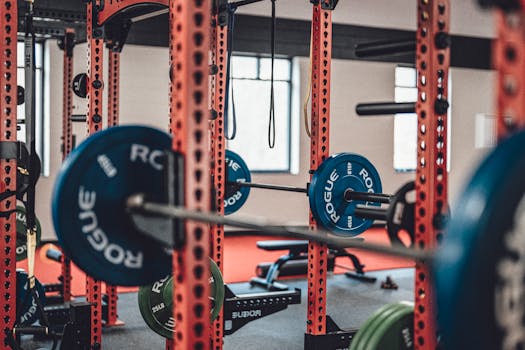
When you’re building strength, you’re really choosing between three ways to apply resistance: free weights (dumbbells), free weights (barbells), and guided resistance (machines). Each one can build serious muscle and strength. The differences show up in how easily you progress, how stable the load feels, how much technique you need, and how your joints respond over time.
In most gyms, the “best” option is the one that lets you train hard consistently for months. That usually depends on your experience level, your training frequency, and whether you want to prioritize heavy lifts, joint comfort, or fast progression.
Quick summary: the strongest overall option is typically the barbell for pure strength potential—especially for squats, presses, and deadlifts—because it supports high load, clear progression, and low per-rep complexity. If your priorities are joint friendliness, targeted hypertrophy, or you want to train hard with less technique demand, dumbbells and machines can be the smarter long-term choice.
Side-by-side comparison: dumbbells vs barbells vs machines for strength
| Category | Dumbbells | Barbells | Machines |
|---|---|---|---|
| Strength potential (max load) | High, but usually limited by grip and stability per hand | Very high (plates stack efficiently) | High, especially for specific patterns; often capped by machine design |
| Progression clarity | Great: add reps first, then small weight jumps (often 2.5–5 lb) | Excellent: add 2.5–5 lb plates and track numbers | Good: add weight in defined increments; some machines make it easy to progress |
| Stability demand | Moderate to high (each side stabilizes independently) | High skill requirement but stable once set up; bar path is consistent | Low: guided path reduces balance and stabilizer strain |
| Technique requirements | Moderate (pressing, hinging, single-leg work) | Higher for squats/deadlifts/overhead work | Low to moderate (often easier to learn) |
| Joint comfort | Often adjustable via grip and range; can reduce discomfort | Can be joint-friendly if you match setup and mobility; can also aggravate issues | Often best for comfort because of guided motion and fixed angles |
| Range of motion control | Excellent: you can vary angle and depth per exercise | Good, but bar path can limit comfortable ROM if setup is off | Fixed ROM; some machines allow adjustability |
| Unilateral training | Strong: great for single-leg and single-arm work | Possible but less natural than dumbbells for most people | Sometimes limited; some machines support unilateral work well |
| Time efficiency | Good, but switching weights and stabilizing can slow you down | Good for heavy compound lifts; setup can be slower | Excellent for high-volume sessions with minimal setup |
| Muscle-building emphasis | High: great for chest/shoulders/back/arms and tempo work | High: compounds build a lot of tissue, especially legs and back | Very high for isolations and volume (pecs, delts, arms, quads, hamstrings) |
| Fatigue profile | Often joint and stabilizer fatigue; manageable with good programming | Systemic fatigue can be significant with heavy sets | Local fatigue tends to dominate; recovery can be easier |
Real-world performance differences: what changes week to week
In practice, the biggest differences are not “which tool works,” but how quickly you can progress and how consistently you can repeat that progress.
Scenario: 8-week strength block for a busy lifter. Imagine you train 3 days per week for 8 weeks, and you can spend about 60 minutes per session. If you choose barbell-focused training, you’ll likely see impressive numbers on your main lifts. But you may also spend more time warming up, managing fatigue, and dialing in technique. If you choose dumbbells, you can keep most sessions efficient while still training each side hard—especially if you include lunges, rows, and presses that don’t require perfect bar path. If you choose machines, you can often push higher weekly volume with less technique overhead, which is great when you’re juggling work stress or you want to keep joints happier.
Here’s what that looks like numerically for many lifters:
- Barbell strength numbers often climb with small plate jumps (2.5–5 lb) once you’ve mastered the movement. A common pattern is adding 1–2 reps per set for 2–3 sessions, then increasing load while keeping reps in the target range.
- Dumbbell strength progression can be just as steady, especially if your gym has 2.5–5 lb increments. You can also progress by changing tempo (for example, 3 seconds down, 1 second pause, then press) when weights are too close to call.
- Machine progression often comes in clean increments but can be limited by the stack. Many gyms use 10 lb increments on some machines. In that case, you progress using rep targets (for example, reaching 10–12 reps in good form) before jumping to the next weight.
Over 8 weeks, you’ll usually find that barbell training excels for maximal strength in big lifts, while dumbbells and machines often shine for building lots of quality reps with less technique friction. The best tool is the one that keeps you training hard without breaking down.
Dumbbells for strength: strengths and tradeoffs
Dumbbells are often the “do-it-all” option for strength training because they support both bilateral and unilateral work. You can press, hinge, row, and lunge in ways that feel natural to your body. That matters when your shoulder or elbow doesn’t love certain bar paths.
Pros of dumbbells
- Independent sides: each arm/leg stabilizes. If one side lags, dumbbells make it harder to hide.
- Joint-friendly setup: you can adjust grip angle (neutral, semi-supinated, pronated) and change range without fighting a fixed bar.
- Great for unilateral strength: Bulgarian split squats, single-arm rows, and step-ups are excellent for building real-world stability.
- Easy to train around limitations: if overhead barbell work irritates your shoulder, dumbbell presses or landmine-style variations may feel better.
Cons of dumbbells
- Progression can stall if your gym has large jumps between sets (for example, 10 lb increments). Smaller increments are ideal.
- Grip and fatigue can limit you before the target muscles do, especially for heavy rows and presses.
- Stability demand is higher than barbells. That’s good for many people, but it can reduce how much load you can move.
If you want a strong “strength base” without the complexity of barbell technique, dumbbells are a reliable choice. Many lifters also keep dumbbell work in their program as an accessory even when they prioritize barbell lifts.
Barbells for strength: strengths and tradeoffs
Barbells are the classic strength tool for a reason. They make it simple to load heavy weight, and they train your body to coordinate under high demand. If your goal is to get stronger in the big lifts—squat, bench, deadlift, overhead press—barbells usually give you the most direct path.
Pros of barbells
- Highest load efficiency: adding plates is straightforward, and the barbell supports very high total loads.
- Clear progression: your “numbers” are easy to track. Many programs work because you can reliably increase weight by 2.5–5 lb.
- High transfer to overall strength: heavy barbell compounds build strength across multiple muscle groups and train coordination.
- Consistent bar path: once your setup is right, you can repeat the movement pattern accurately week to week.
Cons of barbells
- Technique requirements: squats and deadlifts demand good bracing, positioning, and consistent setup. Poor technique can also turn “strength work” into joint irritation.
- More systemic fatigue: heavy sets can tax your nervous system and recovery. If you push too hard too often, performance may stall.
- Less adjustment: if a barbell movement doesn’t match your anatomy, you may need modifications (grip width, stance, ROM, or exercise swaps).
Barbells are a strong choice if you can commit to learning the movements and managing fatigue. A common winning approach is using barbell lifts as your main strength work (often 1–2 movements per session), then adding dumbbells or machines for targeted volume.
Machines for strength: strengths and tradeoffs
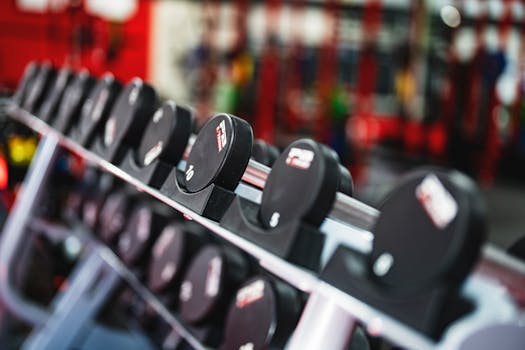
Machines are often misunderstood. People assume they’re only for bodybuilding. In reality, many machines are excellent for strength because they provide stable loading and a consistent movement path—two things that let you train hard and progress.
Pros of machines
- Guided stability: less balance work means you can focus on the target muscles and keep reps clean.
- Joint-friendly options: many machines let you match seat height, lever arm angles, and ROM to your body.
- High volume without wrecking recovery: you can often do more quality sets per week because fatigue is more localized.
- Easy learning curve: if you’re new, machines help you get to effective loading sooner.
Cons of machines
- Fixed path limitations: some machines force a ROM that doesn’t feel ideal, especially if your proportions differ from the “average” user.
- Progression constraints: stack increments can be large (10 lb or more), which can slow progression for strength-focused rep ranges.
- Less carryover to free-weight skill: you may build strength in the machine pattern, but it doesn’t always translate one-to-one to barbell lifts.
If you’re dealing with nagging joint issues, or you want to build strength while keeping technique fatigue low, machines can be a smart primary tool—especially for upper body pressing, rowing, and leg isolation work.
Best use-case recommendations for different buyers
Choosing between dumbbells, barbells, and machines becomes much easier when you match the tool to your situation.
If you want maximum strength in big compound lifts
Pick: barbells. If your gym has a quality rack, safety bars, and plates in 2.5–5 lb increments, you can progress reliably. Pair it with dumbbells or machines for accessories so you can build volume without burning out.
Practical example: You bench 3 times per week. Use barbell bench for your top sets (for example, 3–5 sets of 3–6 reps). Then add dumbbell presses or a machine chest press for 2–3 higher-rep sets to drive hypertrophy without overloading your shoulders on every session.
If you’re newer and want quick results with fewer setup headaches
Pick: machines (plus some dumbbells). Machines let you start heavier sooner with less technique friction. Add dumbbells for unilateral work and for exercises machines don’t cover well (like split squats and single-arm rows).
If you have joint discomfort or mobility limits
Pick: dumbbells and machines. Dumbbells let you adjust grip and range. Machines often provide guided paths that reduce strain. Barbells can still work, but you may need longer warmups, more mobility prep, and careful exercise selection.
If your goal is strength plus muscle growth (and you train 3–4 days weekly)
Pick: a blend. Use barbell compounds for strength and foundation, then use dumbbells and machines to accumulate volume. Many lifters progress best when they train the “big movements” with barbells and the “high-rep muscle work” with dumbbells/machines.
If you only have time for 45–60 minutes and want high training density
Pick: machines. Machines reduce setup time and let you keep sessions moving. You can still include dumbbells for variety and unilateral work, but machines are often the fastest way to hit a lot of quality sets.
Final verdict: which option suits your needs
Barbells win when your priority is maximal strength in compound lifts and you want the cleanest progression path for heavy training. If you can learn the technique and manage fatigue, barbell work is hard to beat.
Dumbbells win when you need versatility, joint-friendly options, and unilateral strength that carries into real-world stability. They’re also a strong choice if your gym’s plate increments make barbell progression hard to match, but dumbbell increments are small and accessible.
Machines win when you want guided resistance, faster learning, and a way to accumulate high-quality training volume with less technique demand. They’re especially useful if you’re returning from an injury, managing joint sensitivity, or you want to push hard without turning every session into a recovery battle.
If you’re unsure, the most effective strategy for many lifters is simple: use barbells for your main strength movements, then add dumbbells and machines to bring up weaker patterns, increase weekly volume, and keep training consistent. That blend tends to produce better results than forcing yourself to “pick one” forever.
Commercial note: common product categories that pair well
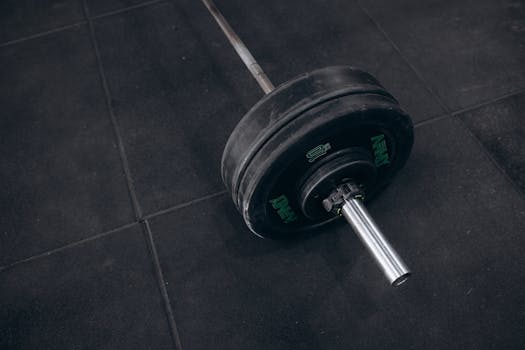
If you’re outfitting a home or commercial gym, you can cover most strength needs by combining a barbell setup (rack, bench, plates), a pair of adjustable dumbbells, and a few high-demand machine stations. Many lifters start with a barbell + adjustable dumbbells, then add machines like a chest press, lat pulldown, leg press, and a seated row for consistency and joint-friendly volume. This approach gives you the best of all three worlds without locking you into one training style.
13.05.2026. 12:20