

How to Program Progressive Overload for Beginners (Step-by-Step)

What you’re trying to achieve: progressive overload that actually sticks
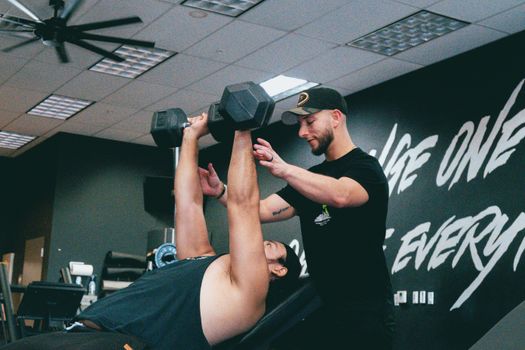
Progressive overload is the method of gradually increasing the training stress you place on your body over time. For you as a beginner, the goal isn’t to “go hard” every session. The goal is to build a repeatable system where your muscles, tendons, and nervous system are challenged just a little more each week—without breaking your form or burning out.
When you program progressive overload correctly, you’ll see strength improvements, better muscle endurance, and more consistent performance in the exercises you repeat. When you program it poorly, you’ll stall quickly, get joint irritation, or spend weeks repeating the same weights without a clear plan.
This guide shows you how to program progressive overload for beginners using simple rules, practical examples, and a tracking approach you can maintain for months.
Preparation you need before you start
Before you program anything, set yourself up so you can measure progress. Progressive overload depends on knowing what you did last time.
- A basic training log: Use a notes app or spreadsheet. Write the exercise, weight, reps, sets, and any notes about form or effort.
- Reliable exercise selection: Choose 4–8 movements you can perform with good technique. Prioritize squats/leg press or split squats, a hinge (Romanian deadlift), a press (bench or overhead press), a pull (row or lat pulldown), plus core work if desired.
- Timeframe: Plan to run your program for at least 6–8 weeks before making major changes. Beginners often improve quickly, but you still need enough time to see trends.
- Effort awareness: Use a simple intensity check. Most sets should feel like you could do 1–3 more reps with good form (often described as “reps in reserve,” or RIR, of about 1–3). If you consistently hit failure, overload becomes harder to control.
- Equipment (optional but helpful): Dumbbells, a barbell, cables, or machines all work. If you have limited plates, you’ll still be able to progress using rep-based methods (explained below).
If you already have a strength routine, you can adapt it by applying the steps in this article. If you’re starting from scratch, choose a full-body or upper/lower split you can repeat 2–4 days per week.
Step-by-step: how to program progressive overload for beginners

Use these steps in order. The structure is designed to help you progress even when your body adapts at different speeds.
1) Pick a rep range you can control
For most beginners, a practical starting rep range is 6–12 reps per set for compound lifts (squat pattern, press, row, hinge). For isolation or smaller movements (lateral raises, curls, triceps pushdowns), 10–15 reps is often a good start.
Why this matters: rep ranges give you a “window” to add reps before you add weight. That’s the easiest way to overload without needing tiny plate jumps.
2) Choose a starting weight that lets you stop with good form
On your first week, select a weight where you can complete the target reps while keeping technique solid. If you’re aiming for 3 sets of 8 reps, you should be able to do all 3 sets without collapsing your form or needing a grind.
A simple rule: if you think you could do 10 reps on set one, but your plan is 8, you’re probably in the right zone. If you can only do 6, you’ll likely miss reps next time and progress will stall.
3) Decide how you’ll progress: reps first, then weight
For beginners, the most reliable progressive overload method is:
- Rep progression: Increase reps while keeping the same weight.
- Weight progression: When you hit the top of your rep target across sets, increase weight next session.
Here’s a clean way to structure it.
- Set a target like 3 sets of 8–10 reps.
- Start with a weight that you can do for 3 sets of 8 with 1–3 reps left in the tank.
- Next time, try to add 1 rep to one set (or add reps evenly across sets if you prefer).
- Keep repeating until you reach 10 reps on all sets.
- Then increase weight (usually the smallest realistic jump you can make) and return to the bottom of the rep range (for example, back to 8 reps).
This approach works whether you’re using barbells, dumbbells, machines, or resistance bands. It’s also easier to track.
4) Use a repeatable set/rep structure for each exercise
Pick a standard prescription so you’re not reinventing your workout every session.
A common beginner template:
- Compound lifts: 3 sets per exercise
- Accessory lifts: 2–3 sets per exercise
- Rest time: 60–120 seconds for most sets. Shorter rests are fine for accessories; longer rests help you maintain quality on big lifts.
Example exercise targets:
- Squat or leg press: 3 × 8–10
- Romanian deadlift: 3 × 8–10
- Bench press or dumbbell press: 3 × 6–10
- Row or lat pulldown: 3 × 8–12
- Lateral raises: 2–3 × 10–15
- Curls or triceps pushdowns: 2–3 × 10–15
5) Add overload at the right frequency (and don’t rush)
Beginners typically progress well with 2–3 strength sessions per week for each muscle group. If you train full body 3 days per week, that’s often enough to progress without recovery issues.
Use this simple progression cadence:
- When you’re hitting the rep target cleanly: progress reps next session.
- When you’re close but not fully there: keep the weight the same and add reps slowly.
- When you miss the reps: reduce the load slightly next time or keep the weight and aim for fewer reps (details in Step 7).
Overload is not a weekly requirement to add load. It’s a long-term trend. If you only progress once every 2 weeks, that can still be correct.
6) Track performance using a “target top” rule
To avoid random changes, define a clear “top” for each exercise. Your top is the maximum reps you plan to hit before increasing weight.
Example: for 3 × 8–10, your top is 10 reps on all sets. If you can do 10, 10, and 9, you’re close. Your next session should prioritize getting that last set to 10 before you add weight.
This is the difference between programming and guessing. You’re not relying on motivation; you’re following a measurable trigger.
7) Handle setbacks with a simple adjustment rule
Setbacks happen. You’ll have weeks where you’re not as strong due to sleep, stress, or recovery. Your plan should cover those moments.
Use one of these adjustment rules:
- Missed reps by a small amount: keep the same weight and aim for the same reps again, but don’t increase volume. Example: if you planned 3 × 10 and got 10, 9, 8, repeat the weight next session and try to make the last set 9 then 10.
- Missed reps by a lot or form breaks: reduce the weight by about 2.5–10% (depending on how small your jumps are) and return to the bottom of your rep range.
- Consistent fatigue: if you miss your targets for 2 sessions in a row, consider reducing sets by 1 for that exercise for a week, then rebuild.
The key is to stay consistent. Beginners improve fastest when the training plan is stable and you only make small corrections.
8) Choose an overload method if weight jumps are limited
Some gyms or home setups don’t allow tiny weight increases. That’s normal. You still can progress.
Use these overload levers in order:
- Rep increases: add reps before you add weight.
- Set increases (small): if you’re stuck at the top of your rep range, add one set to the exercise, then return to rep progression. Example: go from 3 sets to 4 sets of 8–10 for a few weeks, as long as recovery stays good.
- Tempo control: slow the lowering phase (eccentric) by 1–2 seconds while keeping the same weight. Example: 2 seconds down, 1 second pause, then press up. Don’t do extreme tempos that wreck your form.
- Range of motion (within reason): improve depth or full control if you can do it safely. Don’t force deeper ROM than your mobility supports.
For beginners, reps and sets are usually enough. Tempo can be a helpful “bridge” when loading changes are awkward.
9) Ensure overload doesn’t damage technique
Progress should not come at the cost of the movement quality that makes the exercise work. If your form degrades, you’re no longer overloading the target muscle—you’re overloading your joints and compensations.
Use these technique guardrails:
- Stop sets when you can no longer maintain the same bar path or joint alignment.
- Keep the same exercise variation for at least 4–6 weeks before switching.
- Use a consistent warm-up so performance is comparable between sessions.
Common mistakes that prevent progressive overload
Even with the right steps, a few mistakes can derail your progress fast.
- Changing too many variables at once: If you change exercises, reps, and weight every week, you can’t tell what’s working.
- Training to failure every set: Failure can be useful sometimes, but for beginners it often increases fatigue and reduces the ability to progress.
- Adding weight without hitting the rep target: If you jump from 8 reps to a heavier weight and can only do 5, you’ve lost the momentum of the rep-based system.
- Ignoring recovery: Poor sleep or low calories can make “progress” impossible. If you’re consistently tired and performance drops, adjust volume or load rather than forcing the same numbers.
- Not tracking: If you don’t record what happened last time, you’re guessing. Guessing leads to inconsistent overload.
- Overloading the wrong movement: If you’re progressing a lift but your technique is slipping, you’ll stall and may feel aches that don’t go away.
Additional practical tips and optimisation advice
These details help you program progressive overload in a way that’s sustainable and measurable.
Use a realistic workout example for your first 4 weeks
Here’s a straightforward scenario. You train 3 days per week using a full-body plan. You want to progress your main lifts using rep-first overload.
Day A
- Leg press: 3 × 8–10
- Romanian deadlift: 3 × 8–10
- Dumbbell bench press: 3 × 8–10
- Seated cable row: 3 × 8–12
- Lateral raises: 2 × 12–15
- Plank: 2–3 sets
Day B
- Split squat: 3 × 8–10
- Hip hinge variation (RDL or good-morning if comfortable): 3 × 8–10
- Overhead press: 3 × 6–10
- Lat pulldown: 3 × 8–12
- Triceps pushdown: 2 × 10–15
- Hanging knee raise or dead bug: 2–3 sets
Day C
- Goblet squat or lighter leg press: 3 × 8–12
- Romanian deadlift (or glute bridge): 3 × 8–10
- Incline dumbbell press: 3 × 8–10
- One-arm dumbbell row: 3 × 8–12
- Biceps curl: 2 × 10–15
- Side plank: 2–3 sets
Now apply the progression system:
- Week 1: Choose weights that let you hit the bottom of each rep range (for example, 8 reps on 3 sets).
- Week 2: Add 1 rep to one set on the first compound lift, and aim for small rep improvements across the session.
- Week 3: Continue until you hit the top of the range (for example, 10 reps on all sets for the leg press and bench).
- Week 4: When you hit the top, increase weight slightly and drop back to the bottom rep target.
Real-world expectation: you may only add weight on one or two exercises in a month. That’s normal. The rep-based progression is doing its job.
Warm up in a way that makes your numbers comparable
Warm-up matters because it affects performance. If you show up cold one day and warm up the next, your “progress” might just be better readiness.
Use a consistent warm-up routine:
- 2–4 minutes of light cardio (or a few easy sets).
- 1–3 ramp-up sets for the first compound lift, increasing weight gradually.
- Same general warm-up order each session.
Choose a consistent rest strategy
Rest too long and you lose rhythm. Rest too short and you’ll underperform. For most beginners, 60–120 seconds is a safe range for compound lifts. If you’re using a machine or isolation exercise, 45–90 seconds is often enough.
Keep rest times consistent so rep changes reflect training adaptation, not random fatigue.
Don’t confuse soreness with progress
Muscle soreness can happen when you start training or after you add volume. But soreness is not a performance metric. Use performance metrics: reps, sets, and controlled form.
If your reps are rising or your weights are increasing while form stays consistent, you’re progressing even if you feel mildly sore.
Optimize your overload by managing weekly volume
As you progress, your body can adapt quickly—but volume creep can sneak in. Keep an eye on total sets per muscle group per week.
A common starting point for beginners is roughly:
- 8–12 hard sets per muscle group per week across all sessions.
If you’re adding sets as a progression lever, do it gradually. If you add one set to an exercise, watch how your next week feels and whether your main lifts still hit rep targets.
Use exercise consistency to make overload easier
Switching variations too often makes overload harder to track. Pick a variation you can perform consistently for at least several weeks. For example, if you start with a seated cable row, stick with it long enough to progress the rep targets.
Once you’ve advanced your rep range and added weight, you can swap later if you still want variety.
When you should adjust the plan

Even a good progressive overload program needs occasional adjustments. Use these signals:
- You miss your rep targets for two sessions in a row for multiple exercises.
- Your joints feel irritated (not just normal muscle fatigue) and performance is dropping.
- You’re sleeping poorly and stress is consistently high.
When that happens, reduce volume slightly (for example, remove one set from the most difficult exercise) or reduce load by a small amount. Then restart the rep progression from the bottom of the range.
This keeps your overload strategy intact while respecting your recovery.
Finish strong: your checklist for programming progressive overload
Before each workout, confirm you’re following a system:
- You know the rep range and the top rep target for each exercise.
- You recorded last session’s weight and reps.
- You’re progressing by reps first, then weight.
- You’re keeping effort controlled (usually 1–3 reps in reserve for most sets).
- You adjust when you miss reps instead of forcing the same numbers.
When you do this consistently, progressive overload stops being a concept and becomes a routine you can execute. That’s how beginners build strength reliably.
07.04.2026. 02:24