

How Much Fiber for Microbiome: Daily Targets That Matter

Why fiber is the key “food” for your microbiome
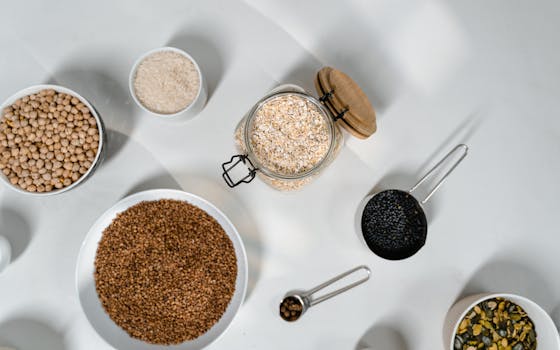
Your gut microbiome is a living ecosystem. Billions of microbes break down what you eat—especially types of carbohydrates your small intestine can’t fully digest. That’s where fiber matters. Many fibers act as prebiotics: they reach the colon largely intact and become fuel for beneficial bacteria. When those bacteria ferment fiber, they produce short-chain fatty acids (SCFAs) like butyrate, propionate, and acetate, which help support the gut lining, regulate immune signaling, and influence metabolic health.
So the practical question isn’t just “Should I eat more fiber?” It’s: How much fiber for microbiome benefits, how quickly you might notice changes, and how to increase it without digestive discomfort.
Below, you’ll find evidence-based targets, what “fiber” really means on a label, and a step-by-step approach to reaching a gut-friendly intake.
How to think about fiber: total vs. fermentable (prebiotic) types
When you read nutrition labels, “fiber” includes multiple categories. Not all fiber supports the microbiome in the same way, because not all fiber is fermented to the same extent.
Total fiber is the sum of dietary fiber from all sources. Fermentable fiber (often called prebiotic fiber when it feeds beneficial microbes) is the portion that microbes can break down in the colon.
In real life, you don’t need to memorize every fiber type, but understanding the categories helps you choose foods that are more likely to support microbial activity:
- Inulin-type fructans: found in chicory root, onions, garlic, some wheat products.
- Galacto-oligosaccharides (GOS): found in legumes, especially beans.
- Resistant starch: forms when certain foods cool after cooking (e.g., cooled potatoes and rice); also present in some whole grains and legumes.
- Beta-glucans: found in oats and barley; can support gut barrier functions.
- Pectins and other soluble fibers: found in apples, citrus, and some vegetables.
- Cellulose and hemicellulose: present in many whole grains and vegetables; less fermentable than some soluble fibers but still contribute to stool bulk and transit.
Your best results usually come from combining total fiber goals with regular intake of fermentable fibers from foods.
Daily fiber targets that are commonly recommended for gut health

Most public health guidance focuses on total dietary fiber because it correlates with better digestive function and cardiometabolic outcomes. For microbiome support, total fiber also matters—but the type and consistency matter too.
Here are widely used benchmarks for adults:
- Women (age 19–50): about 25 grams/day
- Men (age 19–50): about 38 grams/day
- Women (age 51+): about 21 grams/day
- Men (age 51+): about 30 grams/day
In many settings, people fall short by a large margin. If you’re currently averaging, for example, 12–15 grams/day, jumping directly to 30–38 grams/day can overwhelm your digestive system. Microbiome changes often happen faster than you expect, but your gut needs time to adapt to increased fermentation.
Practical takeaway: Aim for the recommended range for your age and sex, but increase gradually if you’re not there yet. Consistency over weeks is more important than a single high-fiber day.
So how much fiber for microbiome benefits? Start with a “range,” not a single number
There isn’t one magic fiber number that guarantees microbiome improvements for every person. Microbiome composition is influenced by diet patterns, genetics, medications (especially antibiotics), sleep, stress, and overall energy intake. Still, research strongly supports that higher fiber intake tends to be associated with greater microbial diversity and higher SCFA production.
A useful way to set your target is to think in tiers:
- Baseline improvement: if you’re below ~20–25 g/day, moving upward by 5–10 g/day over a few weeks can be enough to change stool consistency and gas patterns—and often supports microbial activity.
- Gut-friendly target: reaching roughly 25–38 g/day for many adults aligns with standard recommendations and gives your microbes more fermentable substrate.
- Higher intake (for some people): some individuals tolerate 40+ g/day and may further benefit from increased fermentation. But higher intake is not automatically better if it worsens symptoms or if you’re not consuming enough fluids.
If you want a simple rule: aim for the recommended daily range first, then adjust based on tolerance and symptom response.
What changes can you expect—and when?
Fiber affects your gut in multiple timeframes. Some effects are immediate; others take longer.
- Within 1–3 days: stool bulk and transit time may shift. If you increase fermentable fiber quickly, gas and bloating can appear during early microbial adaptation.
- Within 1–2 weeks: you may notice more regular bowel movements, changes in stool form, and reduced constipation (or sometimes improved diarrhea if fiber is appropriately chosen).
- Within 3–8 weeks: gut microbial communities can shift measurably. This is often when you see more stable improvements in symptoms like irregularity or mild bloating—assuming the increase is gradual and consistent.
- Beyond 8–12 weeks: longer-term dietary patterns influence microbial diversity and functional outputs (like SCFAs) more strongly than short-term changes.
Real-world scenario: Imagine you’re a busy professional who usually eats white bread, little fruit, and small portions of vegetables—averaging around 14 grams of fiber. You decide to improve gut health. You add one serving of beans at lunch (about 6–8 grams fiber) and swap breakfast cereal for oats (another 4–6 grams). Over two weeks, you also add berries or an apple daily and include a side salad at dinner. By week three, you notice stools are more formed and you’re not straining. Gas increases slightly at first, then settles. That pattern—gradual, consistent fiber addition from multiple sources—is exactly how many people reach microbiome-supportive intake without feeling overwhelmed.
How to increase fiber safely when you’re starting low

If you’re currently not meeting fiber recommendations, the microbiome-friendly approach is not “more, faster.” It’s “more, steadily.” Your gut microbes adapt as they get regular fermentable inputs.
Step-by-step approach
- Step 1: Track your baseline for a few days. Look at labels or use a simple food log. You’re looking for an average, not perfection.
- Step 2: Increase by 5 grams/day every 3–7 days. If you’re very sensitive, increase by 2–3 grams/day.
- Step 3: Prioritize whole-food fibers first. Beans, lentils, chickpeas, oats, chia seeds, flaxseed, vegetables, fruit, and whole grains are usually easier to integrate than large doses of one isolated supplement.
- Step 4: Hydrate. Fiber needs water for stool softening and comfortable transit. If you increase fiber but your fluid intake stays the same, you can worsen constipation.
- Step 5: Watch symptoms, not just numbers. Gas and bloating can be normal during adaptation, but severe pain, persistent worsening, or diarrhea may mean you need to slow down or adjust fiber type.
Choose fiber types that match your symptoms
Different people respond differently. Some common guidance:
- If you’re constipated: focus on soluble fiber (oats, chia, fruits) and adequate fluids, plus gradual legume intake.
- If you get bloating easily: start with smaller portions of fermentable fibers (like oats or cooked vegetables) and slowly build up. Some people tolerate cooked forms better than raw.
- If you have diarrhea-prone symptoms: soluble, gel-forming fibers can be gentler than highly fermentable options. Increase slowly and consider discussing symptoms with a clinician if persistent.
How to use food sources to reach your fiber goal
Reaching 25–38 grams/day is often easier when you build meals around fiber-rich foods. You don’t have to overhaul everything at once; small swaps add up quickly.
High-fiber foods that also support fermentation
Consider these practical targets:
- Legumes (beans, lentils, chickpeas): often among the most efficient sources for fermentable fibers like GOS and resistant starch.
- Oats and barley: beta-glucans support gut barrier and may help with stool consistency.
- Fruits (apples, citrus, berries): pectins contribute to fermentable fiber intake.
- Vegetables: especially those with higher fiber density (broccoli, carrots, leafy greens). Cooking can improve tolerance.
- Whole grains: choose minimally processed options; resistant starch content can vary by grain and preparation.
Practical example: If you want to add about 10 grams/day, one simple plan could be:
- Breakfast: 1 bowl oatmeal with berries (~5–7 g depending on portion)
- Lunch: 1 cup lentil soup or beans (~12 g, varies by recipe)
- Dinner: 1–2 cups vegetables (~4–6 g)
You don’t need all of these every day. But this shows how quickly your daily intake can rise when you include fiber at multiple meals.
Do fiber supplements help microbiome health?
Sometimes, supplements can be useful—especially when food access is limited or when you need a controlled dose. However, your microbiome generally responds best to food-based fiber patterns because whole foods also provide polyphenols, minerals, and other compounds that interact with microbial metabolism.
That said, there are specific supplement categories that mimic prebiotic fibers. Common examples include:
- Inulin or chicory root fiber
- Partially hydrolyzed guar gum (PHGG)
- Resistant starch products
- Psyllium husk (more about soluble fiber and stool form than strong fermentation for everyone)
If you use a supplement, treat it like a food addition: start low, increase gradually, and monitor symptoms. Many people tolerate soluble fibers better than highly fermentable options at first.
Note on real-world tolerance: Some individuals get noticeable gas when they add inulin-type fibers. If that happens, you can reduce the dose and switch to a gentler approach (often smaller increases, more cooked foods, and more total daily fiber from mixed sources).
Timing your fiber: does it matter for the microbiome?
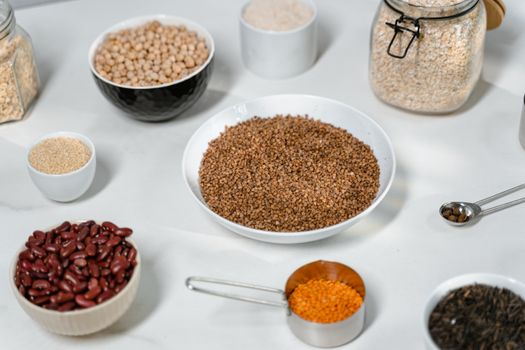
The microbiome responds to what you eat, and it also responds to patterns. While there’s no single “best time” for fiber that applies to everyone, timing can influence comfort and consistency.
- Spreading fiber across meals is often easier than consuming a large amount at once. Your gut can handle smaller fermentable doses more comfortably.
- Regularity helps. If you eat fiber-rich foods daily, your microbes get consistent fuel. If your intake swings widely day to day, microbial activity may fluctuate.
- Consider your schedule. If you know certain foods cause bloating for you, you may prefer to eat them earlier in the day when you can monitor symptoms.
If you’re trying to reach a target like 30 grams/day, you might aim for roughly:
- 10–12 grams at breakfast
- 10–12 grams at lunch
- 8–10 grams at dinner
That’s not a rule—just a practical way to distribute intake.
Common mistakes that prevent fiber from helping your microbiome
Even when you increase fiber, certain patterns can reduce benefits or worsen symptoms.
1) Increasing fiber without enough water
Fiber can tighten stool when fluid intake is low. If you increase fiber and water stays the same, constipation can worsen. Aim for steady hydration throughout the day.
2) Relying on one fiber source
Microbes respond to diverse substrates. If your diet only adds one isolated fiber, you may not get the broader microbial shifts seen with mixed plant intake.
3) Jumping too fast
A sudden increase in fermentable fiber can overwhelm your digestive system and trigger bloating. Gradual increases give microbes time to adapt.
4) Ignoring the rest of your diet
Fiber works in context. If your overall diet is heavy in ultra-processed foods and low in plant diversity, simply adding fiber may not fully support microbial diversity. It helps, but it may be less effective than a broader dietary pattern emphasizing plants.
Special situations: when to be more cautious
Fiber recommendations are generally safe for most people, but certain conditions require extra care.
- Inflammatory bowel disease (IBD) flares: during active symptoms, fiber targets may need adjustment. Some people do better with lower fiber during flares and higher fiber during remission—this should be individualized.
- Recent gastrointestinal surgery or strictures: fiber may need to be modified to prevent blockage risk.
- Severe constipation or suspected motility disorders: consult a clinician before aggressive fiber increases.
- Medication interactions: if you take medications that require spacing from fiber supplements (for example, certain thyroid medications), follow medical guidance.
If you’re dealing with persistent digestive symptoms, it’s worth getting medical evaluation rather than only adjusting fiber.
Prevention guidance: build a microbiome-supportive fiber routine
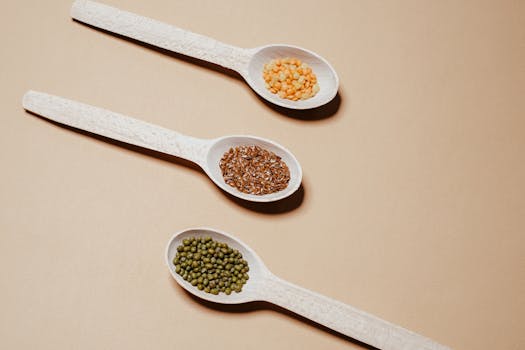
Think of fiber as a long-term habit, not a temporary fix. The microbiome stabilizes when your dietary pattern stays consistent.
A realistic “microbiome routine” you can use
- Choose one legume serving most days (or several times per week if you’re sensitive). Beans and lentils provide fermentable substrates.
- Include an oat-based breakfast or another soluble fiber source a few days per week.
- Eat at least two different fruits daily if tolerated (or choose one fruit plus a vegetable serving if fruit triggers symptoms).
- Make vegetables a standard side at lunch or dinner. Cooking often improves tolerance.
- Increase gradually until you hit your target (often 25–38 g/day for adults) and maintain it.
If you’re not sure where you land, start by estimating your current fiber intake and then adjust toward your recommended range over 3–6 weeks. That timeframe balances microbiome adaptation with digestive comfort.
Summary: the best answer to “how much fiber for microbiome”
The most evidence-based approach is to use fiber targets that align with established dietary recommendations, then fine-tune based on tolerance and symptoms.
- For many adults, a practical goal is about 25–38 grams of fiber per day (depending on age and sex).
- If you’re starting low, increase by 2–5 grams per day every 3–7 days rather than jumping immediately to your maximum.
- Expect some digestive changes within days and more stable microbiome shifts over 3–8 weeks.
- Prioritize a mix of fiber types—especially fermentable fibers from legumes, oats, fruits, and vegetables—because diversity of substrates supports a more resilient microbiome.
In other words: you don’t need to chase a single number. You need a steady intake that you can sustain—because your microbiome benefits most from consistent, plant-forward feeding.
20.03.2026. 06:16