

Breathwork for Pelvic Floor Tension: A Step-by-Step Guide

What you’re trying to achieve with breathwork for pelvic floor tension
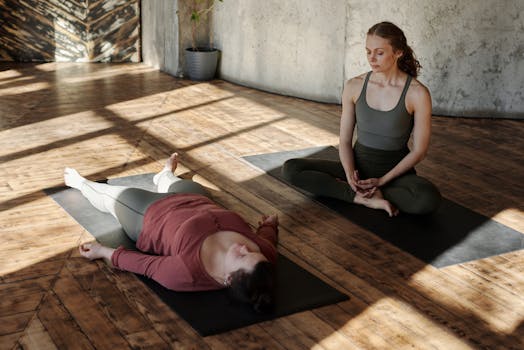
If you carry pelvic floor tension, your body may hold onto a protective “clench” pattern—often without you realizing it. Breathwork helps you shift from a high-alert state (where your pelvic floor may tighten) toward a calmer, more regulated state (where your pelvic floor can soften).
When you breathe well, you influence your nervous system, your ribcage and diaphragm movement, and the pressure dynamics in your abdomen and pelvic region. The goal of this practice is simple: teach your pelvic floor to release on the exhale and maintain a relaxed baseline on your inhale.
In this guide, you’ll follow a structured sequence designed to:
- Improve diaphragm movement and ribcage expansion
- Encourage longer exhales to support pelvic floor relaxation
- Reduce “bearing down” habits that can intensify tension
- Build a repeatable routine you can use during flare-ups or daily maintenance
You’ll also learn what to watch for, how long to practice, and how to adapt the routine if you feel dizzy, overstimulated, or emotionally activated.
Preparation: what you need before you start
You don’t need a special gym setup. You do need a body position where your pelvis feels supported and your breath can move freely.
Choose a comfortable position
Pick one:
- On your back (most common): knees bent, feet flat on the floor
- Supported legs-up option: if you have a wall or sturdy surface, lying on your back with calves supported can feel soothing
- Side-lying: useful if lying on your back increases pressure or discomfort
Use simple tools if helpful
Consider using one or more of these (optional, but often useful):
- Small pillow or folded blanket under your knees (reduces low-back strain)
- Yoga bolster or extra pillow behind your shoulders if you feel tight in the chest
- Timer (phone is fine)
- Breath cue card (you can write “exhale soften” and “no pushing”)
Some people also like using a breathwork app with guided sessions. If you do, choose one that includes slow breathing cues and allows you to set durations (for example, 5–10 minutes). Keep it simple—consistency matters more than fancy features.
Set a safe practice window
Start with 8–12 minutes. Do this when you can be uninterrupted. If you practice in the evening, avoid doing it immediately after a heavy meal.
If you have a medical condition such as uncontrolled asthma, severe anxiety, or you’re pregnant and unsure about breathing intensity, keep the practice gentle and consider checking with a qualified pelvic health professional.
Step-by-step breathwork routine to release pelvic floor tension
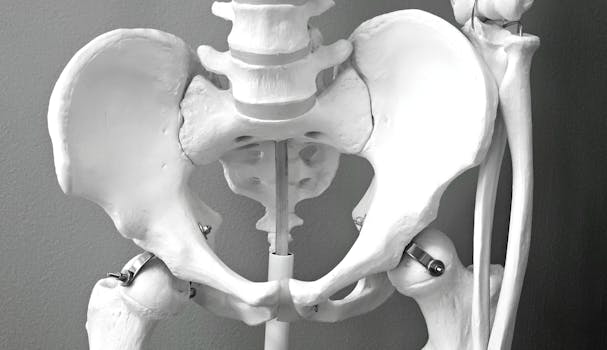
Follow these steps in order. Each step builds the foundation: diaphragm movement, ribcage softness, then targeted pelvic relaxation cues.
How to pace yourself: If you ever feel lightheaded, reduce the breath depth and shorten the exhale. Your comfort comes first.
1) Get into your “pelvis-softening” setup (60–90 seconds)
Lie on your back with knees bent. Place a small pillow under your knees if needed. Let your feet relax outward slightly. Rest your arms by your sides.
Now do two quick checks:
- Are you holding your breath? If yes, soften your throat and let the exhale happen first.
- Are you clenching your glutes or squeezing your thighs? If yes, let them go.
Take one slow inhale through your nose and a longer exhale through your mouth. That’s it. You’re establishing safety.
2) Perform diaphragmatic breathing with a “belly expands” cue (2 minutes)
Place one hand on your upper chest and one on your belly. Your goal isn’t big breaths. It’s smooth breathing.
Do this pattern for about 2 minutes:
- Inhale gently so your belly expands (hand moves outward).
- Exhale slowly and let the belly soften back in.
- Keep your chest hand as still as possible.
During the exhale, think: “soften down, not push out.”
Practical example: If you notice your belly “bulging” with effort, reduce breath size. You want movement, not strain.
3) Add longer exhales to signal the nervous system (3 minutes)
Now shift to a simple ratio. Choose one based on your comfort:
- Beginner: inhale 3 seconds, exhale 5 seconds
- Intermediate: inhale 4 seconds, exhale 6–8 seconds
Repeat for 3 minutes. Count silently or use your phone timer.
Key cue: On the exhale, imagine air traveling down toward your pelvic floor area—then releasing.
Important: Your pelvic floor should feel like it’s melting, not bracing. If you feel a “bearing down” sensation, shorten the exhale and return to step 2.
4) Use pelvic floor “drop” breathing (2 minutes)
Keep your breathing slow. On each exhale, add a visual or tactile cue.
Try this sequence:
- Inhale: feel your pelvic area widen gently (no effort).
- Exhale: imagine a soft downward “drop” or release in the pelvic floor.
- Hold the exhale for 1 second at the end (optional), then inhale again.
If you’re not sure what “drop” feels like, aim for a subtle change. Many people with pelvic floor tension can’t access release immediately. Your job is to practice the direction, not force the outcome.
Real-world scenario: Imagine you’ve had a flare-up after long hours sitting. You lie down, do 2 minutes of pelvic drop breathing, and notice that urination feels slightly easier or you feel less pressure. That’s a sign your nervous system is responding.
5) Add a gentle “silent sigh” to reset tension (1–2 minutes)
Silent sighs can help shift you out of a braced state. Do them softly—no dramatic gasping.
For 6–10 rounds:
- Inhale through your nose normally (no deep gulping).
- Then take a small second inhale to “top up” the breath.
- Exhale slowly as if you’re fogging a mirror—smooth and controlled.
Between rounds, pause for 2–3 seconds. Keep your jaw unclenched and your tongue resting.
6) Finish with a 60-second “neutral pelvic” check
Return to diaphragmatic breathing without counting. Let your breath find its own rhythm for one minute.
Now do a quick scan:
- Do you feel less gripping in the pelvic area compared to when you started?
- Is your belly soft rather than braced?
- Is your breathing smooth rather than breath-holding?
End the session by taking one last slow exhale and letting your body rest.
Common mistakes that can worsen pelvic floor tension
Breathwork is powerful, but a few common errors can reinforce the very tension you’re trying to reduce. Watch for these during your practice.
1) Pushing or “bearing down” on the exhale
Some people try to force release by contracting during exhale. That can increase pelvic floor load. Instead, aim for softening and space.
If you feel pressure, heaviness, or a need to strain, stop that breath cue and return to gentle belly breathing with shorter exhales.
2) Over-breathing or too-fast pacing
Breathwork shouldn’t leave you wired. If you feel tingling in hands, dizziness, or a “panicky” body sensation, you may be breathing too quickly or too deeply.
Fix: reduce inhale depth, lengthen exhale slightly less, and practice for 5–8 minutes instead of 12.
3) Holding your breath at the top of the inhale
Pelvic tension often travels with breath-holding. If you notice you’re pausing, soften the transition—exhale first, then inhale without stopping.
4) Clenching the glutes, thighs, or jaw
It’s common to recruit other muscles when the pelvic floor feels “stuck.” Your job is to keep the rest of the body calm so the nervous system can downshift.
Quick fix: do one round of exhale-sigh and consciously relax your jaw and shoulders.
5) Practicing only when symptoms are severe
When you only do breathwork during a flare-up, your body learns that release is an emergency response. Better: practice smaller sessions most days so your baseline improves.
Even 5 minutes can matter. Consistency beats intensity.
Additional practical tips to make breathwork for pelvic floor tension work better
These strategies help you turn a seated or lying-down practice into real-life relief.
Choose a realistic schedule
Start with 4–5 days per week. Aim for 8–12 minutes each time. After 2 weeks, if you feel good, you can extend to 15 minutes or add a second mini-session (like 3–5 minutes) later in the day.
If you’re very sensitive, start with 3–5 minutes daily for a week, then build up.
Pair breathwork with pelvic floor “downtraining” during daily tasks
Breathwork is the training session. Downtraining is the transfer into your day.
Try this when you do common activities:
- Sitting: before you stand up, take one slow exhale and imagine your pelvic floor softening as you shift weight.
- Toileting: avoid straining. If you need to push, pause and return to gentle belly breathing for 10–20 seconds.
- Getting dressed: if you feel tension rising, do 2 silent sighs before you bend or reach.
Practical example: You’re working at a desk and notice pelvic pressure after 45 minutes. Instead of clenching to “hold yourself,” you step away, lie down for 6 minutes, and do the longer-exhale routine (inhale 3, exhale 5). Many people find their symptoms calm faster than if they just keep pushing through.
Use sensory cues that match your body
Some people respond well to visual cues (“air melting downward”). Others need tactile cues (hand on belly, gentle pressure on ribs).
Pick one cue and stick with it for a week. Changing cues constantly can slow progress.
If you’re using a guided program, choose one that gives you time to complete exhales without rushing.
Consider supportive products gently, not obsessively
If you like structure, a guided breathwork audio can help you stay consistent. Look for something that includes:
- Slow breathing tempos
- Exhale-focused cues
- Session lengths around 5–20 minutes
For physical support during practice, a bolster or knee pillow can make it easier to stay relaxed. If you’re shopping, prioritize comfort and stability over expensive features.
Examples of soft, practical options include a simple bolster for under-knees support or a foam wedge you can use to elevate legs slightly. You’re not trying to “fix” yourself with equipment—you’re reducing friction so breath can do its job.
Track what improves instead of chasing a “perfect” release
Pelvic floor tension often fluctuates. Your progress may show up as:
- Less pressure during the day
- Easier relaxation after you feel symptoms
- Shorter flare-up duration (for example, from 2 days to 1 day)
- Less discomfort during urination or intercourse (if relevant)
Try a simple note after your practice: “Exhale felt easier” or “I noticed less clenching in the pelvic area.” This helps you stay motivated and refine your approach.
Know when to scale back or get support
Some bodies respond emotionally to breathwork—especially if tension has been present for a long time. If you feel overwhelmed, stop and return to gentle belly breathing only.
Also, if you have severe pain, bleeding, or symptoms that are worsening, breathwork should not replace medical evaluation. A pelvic health physiotherapist can help you address muscle patterns, coordination, and related factors like hip tightness or connective tissue restrictions.
Make breathwork part of your “flare-up protocol”
Create a short routine you can use when symptoms spike. Here’s a compact 6-minute version:
- 1 minute: diaphragmatic breathing (hand on belly, chest quiet)
- 3 minutes: inhale 3 seconds, exhale 5 seconds (focus on softening on exhale)
- 2 minutes: pelvic drop cue on exhales + one silent sigh every 30 seconds
Do it lying down. If you can’t lie down, do the same pattern seated with your feet grounded and shoulders relaxed.
How to tailor the routine for different pelvic tension patterns
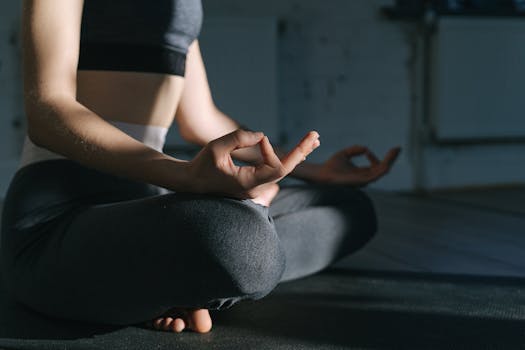
Pelvic floor tension isn’t one-size-fits-all. You can adapt the breathwork based on what you notice.
If you tend to clench when you inhale
Some people tighten during the inhale rather than the exhale. If that’s you, reverse the emphasis:
- Keep inhales gentle and not “reachy.”
- Make exhales the main relaxation cue.
- Use a slightly shorter inhale (2–3 seconds) and a longer exhale (5–7 seconds).
In practice, you might feel your pelvic floor soften more reliably when you focus on exhale length rather than air volume.
If you feel numbness or “can’t sense release”
Some people struggle to feel pelvic floor changes. That doesn’t mean breathwork isn’t working—it may be working through the nervous system first.
Try this:
- Use a hand cue on the belly and ribs to confirm your breathing is moving
- Practice pelvic drop on every exhale, but keep it subtle
- Focus on relaxation in the jaw and shoulders as confirmation your system is downshifting
After a week or two, you may notice a difference in pressure sensations rather than a clear “dropping” feeling.
If you feel urgency or pressure that increases with breathing
Rarely, deeper breath cues can increase awareness and temporarily intensify sensations. If that happens:
- Return to step 2 (gentle diaphragmatic breathing only)
- Shorten the exhale ratio (for example, inhale 3 seconds, exhale 4 seconds)
- Do 3–5 minutes instead of 10–12
You’re training safety. You can always rebuild later.
Putting it all together: a 14-day plan you can actually follow
Consistency is the difference between “I tried it once” and real change. Here’s a simple 2-week structure that builds tolerance and improves your ability to relax.
Days 1–4: establish safe breathing
Do the full routine, but shorten it:
- Step 1 (60–90 seconds)
- Step 2 (2 minutes)
- Step 3 (2 minutes)
- Skip step 4 and step 5 initially
Total: about 5–7 minutes.
Days 5–10: add pelvic drop and silent sighs
Include steps 4 and 5:
- Step 1
- Step 2
- Step 3
- Step 4
- Step 5 (6–10 rounds)
Total: about 9–12 minutes.
Days 11–14: practice transfer into daily life
Keep the routine similar, but add “one breath reset” during the day:
- Before standing up from sitting (1–2 slow exhales)
- After toilet use (2 silent sighs or 10 slow belly breaths)
- Before sex or pelvic-related activities, if relevant (2 minutes of exhale-focused breathing)
This helps your body learn that relaxation is not only something you do on a mat.
When you should stop and how to keep your practice comfortable
Your body will tell you what works. Stop the session if you experience sharp pain, worsening symptoms, or a strong sense of distress.
Instead of “pushing through,” modify immediately:
- Shorten the exhale ratio
- Reduce breath depth
- Return to gentle belly breathing only
- Practice seated with a supported back and feet grounded
Breathwork for pelvic floor tension should feel like support, not like a test.
Final check: what progress should feel like after consistent practice

After a couple of weeks, you’re aiming for subtle but meaningful shifts. Look for changes such as:
- You can relax the pelvic area more quickly after noticing tension
- Your breathing feels smoother and less effortful
- Flare-ups are less intense or shorter
- Daily activities feel less “guarded”
If you don’t notice changes yet, don’t assume you’re doing it wrong. Pelvic floor downtraining often takes repetition. Keep your practice gentle and consistent, and consider pairing breathwork with pelvic health support if symptoms persist.
With the right pacing, breathwork can become a reliable tool—one you reach for when your body needs a reset.
25.02.2026. 03:12