

Scalp Inflammation, Hair Loss, Itch, and Shedding: The Science

Itch, redness, flaking, and increased shedding often feel like separate problems—until you look at the skin biology that connects them. The scalp is not just a passive surface; it’s an immune-active organ. When the scalp’s protective barrier and immune signaling go out of balance, inflammation can interfere with the hair growth cycle, leading to shedding and, in some cases, longer-term hair thinning. This article explains the scalp inflammation hair loss link itch shedding through the mechanisms scientists use to describe inflammation, hair follicle stress, and symptom patterns.
Why an inflamed scalp can change hair growth
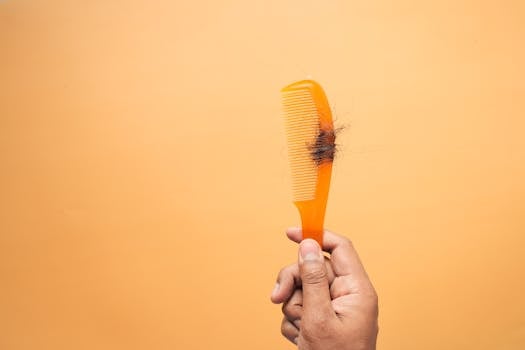
Hair follicles cycle through growth (anagen), transition (catagen), and rest/shedding (telogen). Inflammation can disrupt this cycle in several ways:
- Immune signaling can shorten the growth phase. Cytokines and other inflammatory mediators can push follicles to exit anagen earlier than they would otherwise.
- Inflammation can alter follicle microenvironment. Follicles depend on local blood flow, nutrient delivery, and signaling molecules. Chronic inflammation can disturb these inputs.
- Barrier dysfunction increases triggers. When the scalp’s barrier is compromised, irritants and microbes may stimulate ongoing immune activation.
- Follicle stress can increase shedding. Even without permanent damage, inflammation can make more hairs enter the shedding phase at the same time, which is experienced as “more hair on the pillow” or in the shower.
Importantly, inflammation does not always mean permanent hair loss. Many inflammatory conditions primarily cause temporary shedding, especially if treated early.
Itch and shedding: what they often indicate
Itch is usually a signal of nerve activation and immune activity in the skin. Shedding is the visible result of altered follicle cycling. When itch and shedding occur together, the cause is often inflammatory rather than purely hormonal or genetic.
That said, symptom patterns help narrow possibilities:
- Itchy flaking and greasy scales often point toward seborrheic dermatitis.
- Localized patches with redness, scaling, or burning can be seen with psoriasis or other inflammatory dermatoses.
- Sudden increased shedding after a stressful event, illness, or medication change can reflect telogen effluvium—sometimes triggered or amplified by scalp inflammation.
- Thinning with visible miniaturization suggests androgenetic alopecia, but inflammation can coexist and worsen perceived shedding.
Because multiple conditions can overlap, itch alone cannot diagnose the cause, but it is a strong clue that the scalp immune environment is involved.
Common scalp conditions that drive inflammation
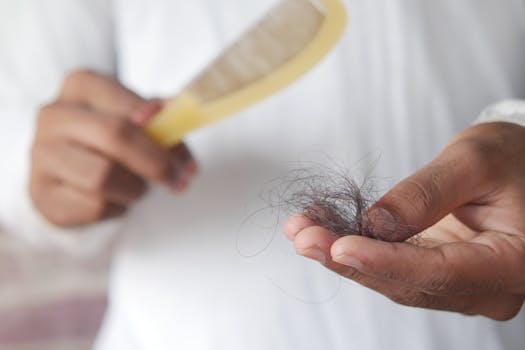
Seborrheic dermatitis
This common inflammatory condition is associated with redness, itch, and scaling. Malassezia-related processes and barrier changes can stimulate immune responses. Many people notice shedding during flares, particularly when inflammation is persistent.
Practical implication: controlling itch and scale can reduce the inflammatory burden on follicles and help normalize shedding patterns over time.
Psoriasis of the scalp
Psoriasis involves immune-driven skin turnover and inflammation. Thick plaques and scale can occur, and inflammation may extend around the follicular openings. Chronic inflammation can contribute to ongoing shedding and, in some cases, more durable hair loss effects if untreated.
Practical implication: scalp psoriasis often needs clinician-guided therapy to reduce inflammation effectively.
Contact dermatitis and irritant reactions
Not all inflammation is autoimmune or infection-related. Repeated exposure to irritants (certain shampoos, dyes, styling chemicals, fragrances) can trigger dermatitis. That can lead to itch, redness, and increased shedding due to follicle stress and barrier disruption.
Practical implication: symptom timelines matter. If itch and shedding follow a new product or technique, the scalp may be reacting.
Fungal or inflammatory folliculitis
Some scalp inflammations involve follicular involvement—folliculitis—where immune reactions target structures around hair roots. This can cause tenderness, pustules, or itchy bumps. Depending on the underlying driver, treatment differs.
Practical implication: persistent follicle-centered symptoms deserve evaluation rather than repeated “trial and error” product changes.
How inflammation interacts with hair loss types
Hair loss is not one disease; it’s an outcome that can happen through different pathways. Inflammation can influence several of them.
Telogen effluvium (shedding without scarring)
Telogen effluvium is characterized by diffuse shedding due to a larger-than-usual number of follicles entering the resting phase. Triggers include major stressors, illness, surgery, rapid weight change, and sometimes inflammatory skin conditions. When scalp inflammation is present, it may act as an additional stressor that makes shedding more noticeable.
Key point: telogen effluvium is often reversible, but it requires identifying and addressing the trigger.
Androgenetic alopecia (pattern hair loss)
In androgenetic alopecia, follicles gradually miniaturize under androgen influence. Inflammation can coexist and may intensify symptoms such as itch or scaling, which can increase perceived shedding. While inflammation alone does not typically cause the characteristic pattern of miniaturization, it can worsen the overall scalp environment.
Practical implication: if thinning follows a family pattern and miniaturization is present, inflammation management may support—but not replace—evidence-based hair loss treatment.
Scarring alopecias (less common, higher stakes)
Some inflammatory conditions can scar follicles, leading to more permanent hair loss. Clues include pain or burning, significant redness, thick crusting, or loss that progresses with visible follicle destruction. These conditions require prompt medical assessment.
Key point: early diagnosis matters for preserving follicles.
What to look for: symptom clues and red flags
You can’t diagnose yourself from symptoms alone, but certain features increase the likelihood of inflammatory scalp disease.
- Ongoing itch that persists between washes or flares repeatedly
- Visible scale (dry flaking, greasy scale, or thick plaques)
- Redness or areas that feel hot or tender
- Burning or pain rather than mild tightness
- Patchy hair loss or areas where hair density is reduced in distinct regions
- Crusting, pustules, or drainage around hair-bearing areas
Red flags that warrant timely evaluation include painful scalp, rapid progression, scarring signs, or hair loss that does not improve after addressing obvious irritants and controlling scale/itch.
How clinicians evaluate the scalp inflammation hair loss link itch shedding
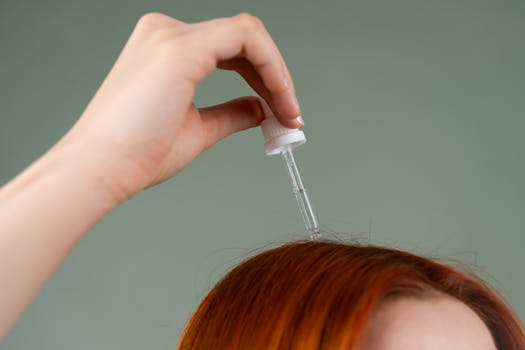
Evaluation usually focuses on confirming the inflammatory cause and assessing whether hair follicles are likely to recover.
Common steps include:
- History of symptom timing (when itch started, when shedding began, and any product changes)
- Physical exam of scale, redness, and distribution of thinning
- Scalp microscopy or scraping when fungal involvement is suspected
- Trichoscopy (dermatology imaging of the scalp) to assess follicle patterns
- Occasionally, lab work if systemic contributors to shedding are suspected (for example, iron status or thyroid function)
Because treatments differ widely across conditions, accurate identification is the most important step toward controlling inflammation and improving shedding.
Evidence-based ways to reduce inflammation and support recovery
Practical scalp care should focus on lowering inflammatory triggers and restoring barrier function. The goal is not to “force” hair growth, but to create conditions where follicles can return to a healthier cycle.
Control scale and itch with targeted anti-inflammatory approaches
For many people with seborrheic dermatitis or psoriasis, anti-inflammatory shampoos or topical treatments can reduce immune activation. In real-world practice, clinicians may recommend medicated options such as ketoconazole-based shampoos for seborrheic dermatitis or other anti-inflammatory scalp therapies for psoriasis—chosen based on the diagnosis.
Note: the right choice depends on the underlying cause. A product that helps one inflammatory condition may not address another.
Reduce irritant exposure and mechanical stress
If contact dermatitis is possible, simplifying the routine helps. Consider:
- Pausing new dyes, strong fragrances, or frequent chemical treatments
- Using gentle, fragrance-minimized cleansers
- Avoiding aggressive scratching, which can worsen inflammation
- Limiting tight hairstyles that pull on follicles
Barrier-friendly routines can reduce the itch-scratch cycle that sustains inflammation.
Consistency matters: shedding can lag behind symptom control
Hair shedding often reflects what happened to follicles weeks earlier. Even if itch improves quickly, shedding may continue for a period as hairs complete their cycle. Conversely, if inflammation is controlled, new growth may gradually become more noticeable over subsequent months.
Practical guidance: track changes over time rather than reacting day-to-day.
Address systemic contributors when shedding is diffuse
When shedding is widespread, clinicians may evaluate systemic factors that can amplify hair cycle disruption. Nutritional deficiencies, thyroid disorders, recent significant illness, or medication effects can contribute. Treating scalp inflammation is important, but it may not be the only driver.
When to seek dermatology care
Consider a dermatology appointment if:
- Itch, redness, or scaling persists beyond a few weeks despite gentle routine changes
- Shedding is heavy or worsening
- You notice patchy loss or areas that look different from the rest of the scalp
- There is pain, burning, pustules, or thick crusting
- You suspect scarring alopecia or experience rapid progression
Prompt evaluation is especially important because some inflammatory hair loss conditions are time-sensitive.
Prevention and long-term scalp health strategies
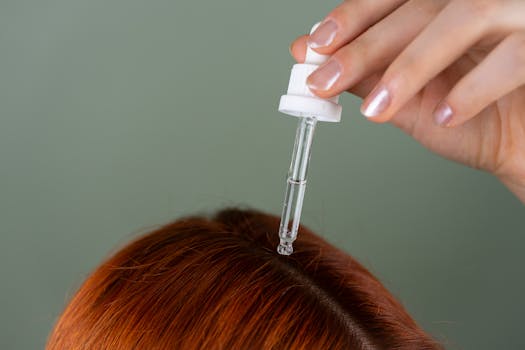
Prevention focuses on minimizing triggers that keep the immune system activated. While genetics and aging can’t be changed, scalp inflammation can often be managed.
- Keep a stable routine: frequent product switching can provoke irritation in sensitive scalps.
- Wash appropriately for your scalp type: very oily or very flaky scalps may require a consistent approach to scale control.
- Manage flares early: addressing itch and scale at the first sign of flare can prevent prolonged follicle stress.
- Avoid scratching: itch relief and anti-inflammatory control reduce the itch-scratch cycle.
- Be cautious with harsh styling: frequent heat, traction, and aggressive chemical processing can compound inflammation.
Healthy hair density depends on follicle biology, and follicle biology depends on the scalp environment. When inflammation is addressed, many people see improvement in shedding and comfort, and—when damage is not scarring—hair growth can recover.
Summary: connecting inflammation, itch, and shedding
The scalp inflammation hair loss link itch shedding is grounded in how immune activity and barrier dysfunction influence the hair growth cycle. Itch often reflects active skin inflammation, while shedding can represent follicles entering rest phases earlier than expected. Conditions such as seborrheic dermatitis, psoriasis, contact dermatitis, and folliculitis can all create the inflammatory context that leads to shedding. Because different causes require different treatments—and some hair loss types are time-sensitive—persistent symptoms or red flags warrant professional evaluation. With appropriate inflammation control and trigger management, many people can reduce itch, improve scalp comfort, and support a return toward healthier hair cycling.
18.05.2026. 10:31