

How Long Do Kegel Exercises Take to Work? Timeline Explained

Kegel exercises train the pelvic floor muscles to contract and relax more effectively. The question most people ask is how long do kegel exercises take to work. The honest answer is that timing varies based on the condition you’re addressing, how consistently you practice, and whether you’re using the right technique.
This FAQ hub breaks down typical timelines, what improvements may show up first, and how to adjust your approach when progress feels slow.
How long do Kegel exercises take to work for most people?

For many people, noticeable improvement starts within 2 to 6 weeks of consistent practice. More meaningful changes—especially for symptoms tied to pelvic floor weakness—often take 8 to 12 weeks. Some goals, such as reducing urinary leakage episodes or improving sexual comfort, may continue improving over 3 to 6 months as muscle strength and coordination build.
If you’re not seeing any change after about 8–12 weeks, it’s a sign to review your technique, consider whether the pelvic floor is too weak or too tight, and—when appropriate—get guidance from a pelvic floor physical therapist.
How many weeks does it usually take to stop urinary leakage?
Urinary leakage often improves in stages. Some people notice fewer leaks in 2 to 4 weeks, but for others it can take 6 to 12 weeks. Stress incontinence (leakage with coughing, sneezing, or exercise) may respond well when Kegels are paired with proper breath control and consistent training.
If you have urge incontinence (a sudden, strong need to urinate), Kegels can still help, but timing may be slower and additional strategies (bladder training, urge suppression techniques) may be necessary. Persistent or worsening symptoms should be assessed by a clinician.
When will I feel changes in pelvic floor strength?

Pelvic floor strength can be difficult to “feel” at first because many people are not yet aware of how the muscles should engage. You may notice changes such as better control during activities or improved ability to delay urination within 4 to 8 weeks.
Strength gains and endurance usually become clearer by 8 to 12 weeks, especially if you’re tracking contractions (for example, holding a squeeze for the intended duration without compensating with other muscles).
How long does it take to improve bladder control?
Bladder control improvements depend on the type of incontinence and your baseline pelvic floor function. A common pattern is that early control changes show up in 2 to 6 weeks, followed by more stable improvements by 8 to 12 weeks.
It’s also common to see partial improvement first—such as fewer leaks, better ability to hold for a short time, or improved control during certain triggers—before the pattern becomes more consistent.
How long until Kegels help with pelvic organ prolapse symptoms?
Pelvic organ prolapse symptoms vary widely, from mild pressure sensations to more noticeable bulging. Pelvic floor muscle training can help some people manage symptoms, but the timeline is often longer and results may be more variable.
Some symptom relief may occur in 6 to 12 weeks, while more noticeable improvement typically takes 3 to 6 months. If prolapse symptoms are worsening, you notice increased pressure, pain, or difficulty emptying your bladder or bowels, seek medical evaluation rather than relying on exercises alone.
How long do Kegels take to work after childbirth?

After childbirth, pelvic floor recovery depends on delivery type, healing status, and whether you had pelvic floor injury. Many clinicians recommend pelvic floor muscle work once you’re cleared for activity. For many people, improved muscle control may be noticeable within 4 to 8 weeks, with stronger gains by 8 to 12 weeks.
Because postpartum recovery can involve both weakness and coordination changes, some people benefit from pelvic floor physical therapy to ensure you’re training the correct muscles. If you’re dealing with ongoing leakage, heaviness, or pain, individualized guidance can shorten the path to improvement.
How long does it take for Kegels to help erectile or sexual function?
Sexual function improvements linked to pelvic floor training are often subtle at first. For some individuals, improved control or sensation may be noticed within 4 to 12 weeks. More consistent changes—such as improved erection quality or stronger orgasmic contractions—may take 2 to 6 months.
Sexual symptoms can also overlap with stress, medication effects, vascular health, and nerve function. If changes are significant or sudden, it’s important to discuss them with a healthcare professional.
How long should it take to see results from Kegels for constipation or bowel control?
Pelvic floor training can support bowel control by improving coordination between the pelvic floor and abdominal pressure. Some people notice better control or reduced urgency in 2 to 6 weeks, while more durable changes can take 8 to 12 weeks.
If constipation is severe or associated with blood, significant pain, or unintended weight loss, professional assessment is essential. Kegels are not a substitute for evaluating other causes of bowel issues.
Why do Kegels sometimes take longer than expected?

Several factors can delay progress even when you’re doing the exercises correctly:
- Technique issues: Many people squeeze the wrong muscles (glutes, inner thighs, or abdomen) instead of the pelvic floor.
- Not enough consistency: Pelvic floor training typically requires regular practice, not occasional sessions.
- Inadequate muscle rest: Overtraining can create fatigue or increase tension rather than improving coordination.
- Pelvic floor tension: If the pelvic floor is already tight or overactive, strengthening-focused Kegels may feel uncomfortable and may not help.
- Underlying contributors: Chronic coughing, constipation, high-impact exercise, or hormonal changes can affect symptoms.
- Severity of the issue: More significant weakness or coordination problems usually require longer retraining.
If results are slow, reassessing technique and program design is usually more effective than simply increasing intensity.
What should my Kegel routine look like during the first 2 to 6 weeks?
In the beginning, the goal is usually coordination and correct muscle recruitment—not maximum force. A typical approach is to practice controlled contractions and relaxations with attention to breathing. Many people do better with a structured routine such as:
- Short contractions (quick squeezes) to practice coordination
- Longer holds to build endurance
- Full relaxation between contractions to avoid over-gripping
During weeks 1–2, focus on learning what the pelvic floor contraction feels like and whether you can relax fully. By weeks 2–6, you should generally be able to perform the routine with less effort and fewer compensations, and early symptom improvements may begin to appear.
If you feel pain, burning, or worsening pressure, stop and consider getting evaluation from a pelvic floor specialist.
How can I tell if I’m doing Kegels correctly?
Correct Kegel technique is often more about coordination than strength. Common signs you’re engaging the pelvic floor properly include:
- You feel a lift or gentle inward squeeze rather than bearing down.
- Your abdomen, glutes, and inner thighs stay relatively relaxed.
- You can relax fully between contractions.
- You can maintain normal breathing without holding your breath.
Some people use tools to improve awareness, such as pelvic floor trainers or biofeedback devices. For example, external biofeedback platforms or pelvic floor devices designed for home training can help confirm that you’re contracting the intended muscles. If you use a product like a biofeedback device, treat it as a learning aid and still prioritize correct technique and relaxation.
Should I increase intensity if I’m not improving after a month?

Not automatically. If you haven’t improved after about a month, increasing intensity can backfire—especially if you’re compensating with other muscles or if your pelvic floor is already tense. Instead, consider these steps:
- Re-check technique: Are you bearing down or tightening the wrong areas?
- Review your balance of contraction and relaxation: Full relaxation is essential.
- Adjust the training plan: You may need fewer reps with better form, or a different emphasis depending on symptoms.
- Look for triggers: Constipation, coughing, or high-impact activity can keep symptoms active.
- Seek evaluation: A pelvic floor physical therapist can assess whether you need strengthening, relaxation, coordination work, or a combined approach.
When the problem is technique or muscle tone imbalance, the fastest improvement often comes from refining the program rather than “doing more.”
How long should I keep doing Kegels to maintain results?
Kegel training is usually an ongoing practice rather than a one-time course. After you notice improvement, many people benefit from transitioning to a maintenance routine—often fewer sessions per week—so the pelvic floor retains strength and coordination.
Maintenance timelines vary, but a common pattern is to continue structured training for at least 3 months and then reduce frequency while staying consistent. If symptoms return when you stop, that’s a sign your body still needs ongoing reinforcement.
When should I see a pelvic floor specialist instead of waiting?
Consider professional evaluation if:
- Your symptoms are worsening rather than improving
- You have pain with contractions or during urination or bowel movements
- You suspect pelvic floor tension (tightness, burning, or difficulty relaxing)
- You have significant prolapse symptoms or trouble emptying the bladder
- You’ve followed a consistent routine for 8 to 12 weeks with little to no change
- You’re postpartum, post-surgery, or dealing with complex medical factors that may require individualized assessment
A pelvic floor physical therapist can check muscle recruitment, coordination, and tone, then tailor your exercises to your specific needs.
Do Kegels work immediately, or is improvement always gradual?
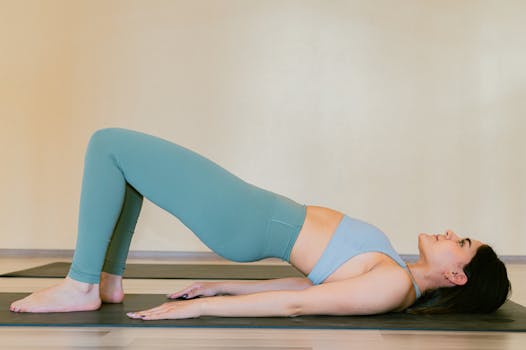
Most people experience gradual improvement. Some may notice a short-term change right away—such as better awareness of the pelvic floor or slightly improved control during a specific activity. However, lasting symptom reduction typically builds over weeks, not days.
If you feel immediate worsening (pressure, pain, or increased urgency), it may indicate that you’re tightening too much, contracting the wrong muscles, or not relaxing properly between reps.
Summary: How long do Kegel exercises take to work?
In most cases, how long do Kegel exercises take to work follows a predictable pattern: early improvements may appear in 2 to 6 weeks, more consistent results often take 8 to 12 weeks, and broader changes can continue over 3 to 6 months. Progress depends on correct technique, consistent practice, and whether your pelvic floor needs strengthening, relaxation, or coordination training.
If you’ve trained consistently for about 8–12 weeks with minimal change—or if symptoms are painful, worsening, or suggest pelvic floor tension—seek assessment from a pelvic floor specialist to refine your plan.
27.11.2025. 09:42